
TL;DR

Get business pricing on garage and car supplies
- Business-only prices and quantity discounts
- Tax-exempt purchasing
- Multiple users, one account, clear invoices
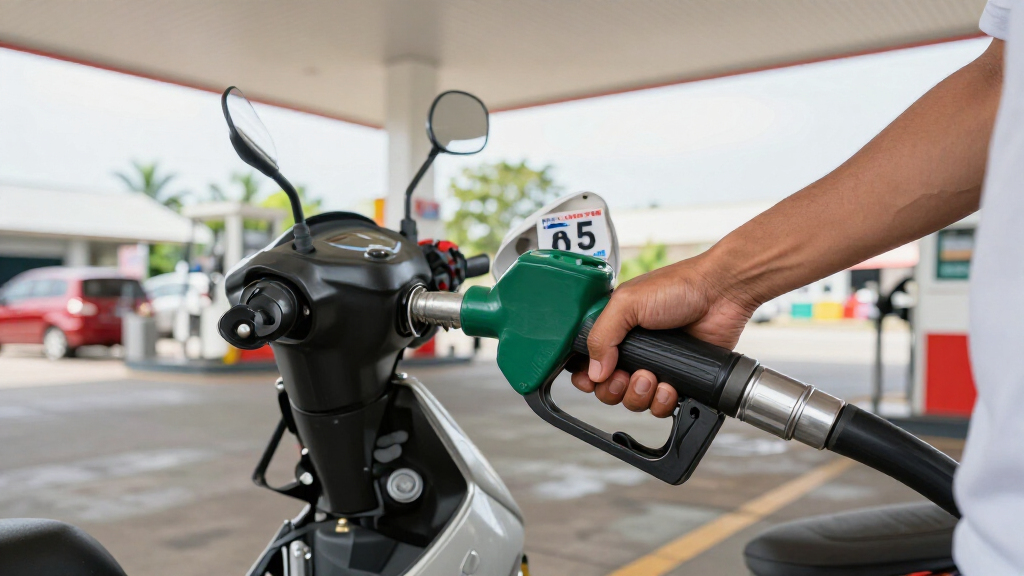
Oil prices have increased by 85 satang per liter effective this morning, marking a significant rise that affects consumers and local businesses. The cause of this change remains unconfirmed.
Effective this morning, the retail price of fuel in Thailand has increased by 85 satang per liter. The change was officially implemented without prior announcement, catching many consumers and businesses off guard. This price adjustment is confirmed by local fuel stations and market sources, and it marks a notable shift in the country’s fuel pricing landscape.
The price hike was observed across multiple fuel stations nationwide, with consumers reporting higher costs at the pump. The increase applies to both gasoline and diesel, with some stations confirming the new rates. Market analysts suggest that the rise could be linked to recent fluctuations in global oil markets, but official explanations have not yet been provided by authorities or industry officials.
Sources close to the fuel supply chain indicate that the increase might be related to recent changes in crude oil prices on the international market, which have experienced volatility over the past few weeks. However, the government has not issued an official statement explaining the specific reasons behind this sudden adjustment, leaving many to speculate about potential causes.
Consumers and business owners are expressing concern over the immediate impact this will have on transportation costs and daily expenses. The timing of the increase, without prior warning, has also raised questions about transparency and market regulation. The government’s regulatory agencies have yet to comment on whether this price change was authorized or if further adjustments are expected in the near future.
Implications of the Sudden Fuel Price Increase
This unexpected rise in fuel prices by 85 satang per liter could significantly affect household budgets and business operations in Thailand. Transportation costs are a major component of consumer expenses, and an increase at this scale may lead to higher prices for goods and services, potentially contributing to inflationary pressures. For the government, the move raises questions about market oversight and the transparency of fuel pricing mechanisms.
Moreover, the timing and lack of prior notice could influence public trust in regulatory agencies and fuel suppliers. If the increase is linked to global oil market volatility, it underscores the country’s vulnerability to international price swings. Conversely, if it results from local policy decisions or supply chain issues, it could prompt calls for greater government intervention and regulation.
Overall, this development highlights the delicate balance between market forces and government oversight in managing fuel prices, which are critical to both economic stability and everyday life in Thailand.
Products Worth Considering

Chemical Guys 16-Piece Arsenal Builder Car Wash Kit with Foam Cannon & Bucket

NOCO Boost GB150 3000A UltraSafe Jump Starter, 12V Lithium Battery Booster

NOCO Boost GBX75 2500A UltraSafe Jump Starter, 12V Lithium Battery Booster
As an affiliate, we earn on qualifying purchases.
Recent Trends and Market Factors Influencing Fuel Prices
Thailand’s fuel prices are influenced by a combination of global oil market trends, government policies, and local supply chain factors. Over the past few months, international crude oil prices have shown volatility, driven by geopolitical tensions, production adjustments by major oil-producing countries, and fluctuations in global demand. These factors often lead to sudden changes in local fuel prices, which are typically adjusted periodically based on market conditions.
Historically, fuel price changes in Thailand have been subject to government regulation, with adjustments often announced in advance or aligned with scheduled reviews. However, recent reports suggest that some price changes have occurred without prior notice, raising concerns about transparency and market fairness. Prior to this morning’s increase, there was no public indication that prices were about to rise, adding to the surprise among consumers and industry observers.
While the government has maintained a stance of monitoring global oil trends, it has not provided specific details about the recent price hike or whether it was officially sanctioned. Analysts continue to monitor international developments, including crude oil futures and supply chain disruptions, to better understand the underlying causes of recent price movements.
Unconfirmed Reasons Behind the Price Spike
It is not yet clear why the fuel prices increased by 85 satang per liter this morning. Authorities have not issued an official statement explaining whether this was due to market fluctuations, policy decisions, or supply chain issues. The lack of prior notice has fueled speculation but no definitive cause has been confirmed.
Market experts continue to analyze international oil price movements and local market conditions, but until official sources provide clarification, the exact reason remains uncertain.
Next Steps and Market Monitoring
Regulatory agencies are expected to release official statements clarifying the reasons for the recent price increase. Consumers and businesses should prepare for potential further adjustments, especially if global oil prices continue to fluctuate. Market watchers will closely monitor upcoming fuel price reviews and government announcements for signs of stabilization or additional changes.
In the coming weeks, authorities may implement measures to enhance transparency or regulate pricing mechanisms if the increase is deemed to have been unanticipated or unjustified. Consumers are advised to stay informed through official channels and consider adjusting their budgets accordingly.
Key Questions
Why did fuel prices increase suddenly today?
The exact reason for the sudden increase has not been officially confirmed. It could be related to recent volatility in global oil markets or local supply factors, but no official explanation has been provided yet.
How much has the price of fuel gone up?
The retail price has increased by 85 satang per liter across the country, affecting both gasoline and diesel fuel.
Will fuel prices continue to rise?
It is uncertain. Prices may fluctuate based on international oil market trends and government policies. Authorities are expected to monitor the situation and provide updates.
How will this affect consumers and businesses?
Higher fuel costs could lead to increased transportation expenses and higher prices for goods and services, potentially impacting household budgets and business operations.
Is the government involved in regulating this price change?
Official statements are pending. It is not yet clear whether the government sanctioned the increase or if it was driven solely by market forces.
Source: local