
TL;DR

Get business pricing on garage and car supplies
- Business-only prices and quantity discounts
- Tax-exempt purchasing
- Multiple users, one account, clear invoices
Hyundai is developing and deploying thousands of autonomous robotaxis as a strategic response to declining electric vehicle sales. The move aims to establish a new revenue stream and reshape mobility offerings. Details are still emerging, and the initiative’s scale and timeline remain uncertain.
Hyundai has revealed plans to build and deploy thousands of autonomous robotaxis, marking a strategic shift amid a slowdown in electric vehicle sales. The automaker aims to leverage autonomous technology and mobility services to compensate for declining EV growth. This move signals a significant change in Hyundai’s business approach, emphasizing mobility-as-a-service (MaaS) over traditional vehicle sales.
Hyundai’s announcement, made during a recent industry event, confirms the company’s intention to manufacture and operate thousands of robotaxis over the next several years. The initiative involves developing autonomous driving technology capable of operating in urban environments without human drivers. Hyundai has partnered with technology firms to accelerate development, though specific timelines and deployment regions have not been publicly disclosed. This strategy appears to be a direct response to recent market reports indicating a slowdown in EV sales worldwide, attributed to factors such as supply chain constraints, regulatory hurdles, and shifting consumer preferences. Hyundai’s move to focus on autonomous mobility services aims to diversify revenue streams and position itself as a leader in the emerging urban transportation market. Industry analysts suggest that Hyundai’s pivot could reshape its business model, with a focus on mobility solutions rather than solely on vehicle manufacturing. The company has not yet confirmed the exact number of robotaxis planned or the geographic scope of initial deployments, but the scale indicates a significant investment in autonomous technology and fleet management infrastructure.Potential Impact of Hyundai’s Robotaxi Initiative on Urban Mobility
This development could substantially influence urban transportation by providing affordable, driverless ride-hailing services. Hyundai’s push into robotaxis may accelerate the adoption of autonomous vehicles in cities, reducing reliance on personal car ownership and potentially easing traffic congestion. For consumers, it could mean more accessible mobility options; for Hyundai, it represents a strategic diversification away from traditional car sales amid a challenging EV market.
Furthermore, Hyundai’s investment signals a broader industry trend: automakers increasingly view autonomous mobility as a key growth area. Success in deploying large-scale robotaxi fleets could position Hyundai as a competitive player in the future of urban transportation, impacting industry dynamics and regulatory frameworks worldwide.
As an affiliate, we earn on qualifying purchases.
Market Trends and Hyundai’s Shift Toward Mobility Services
Over the past year, global EV sales growth has slowed, with factors such as supply chain disruptions, rising raw material costs, and changing regulatory landscapes contributing to the deceleration. Many automakers have responded by reevaluating their strategies, with some shifting focus from vehicle sales to mobility services like ride-hailing and autonomous fleets.
Hyundai has previously invested in autonomous driving technology and mobility platforms, but the new announcement marks a substantial escalation. The company’s move aligns with industry observations that the future of urban transportation may increasingly rely on autonomous, shared mobility solutions rather than personal vehicle ownership.
While the specifics of Hyundai’s robotaxi deployment remain undisclosed, the initiative is part of a broader industry pattern where automakers seek to leverage autonomous tech to create new revenue streams in a changing market landscape.
As an affiliate, we earn on qualifying purchases.
Unclear Details on Deployment Timeline and Regions
Hyundai has not yet specified when the robotaxis will be commercially available or which cities will host initial deployments. The scale of the project suggests substantial investment, but concrete milestones or regulatory approvals are still pending. It is also unclear how Hyundai plans to finance and operate such a large fleet, or how it will address safety and regulatory challenges associated with autonomous vehicles.
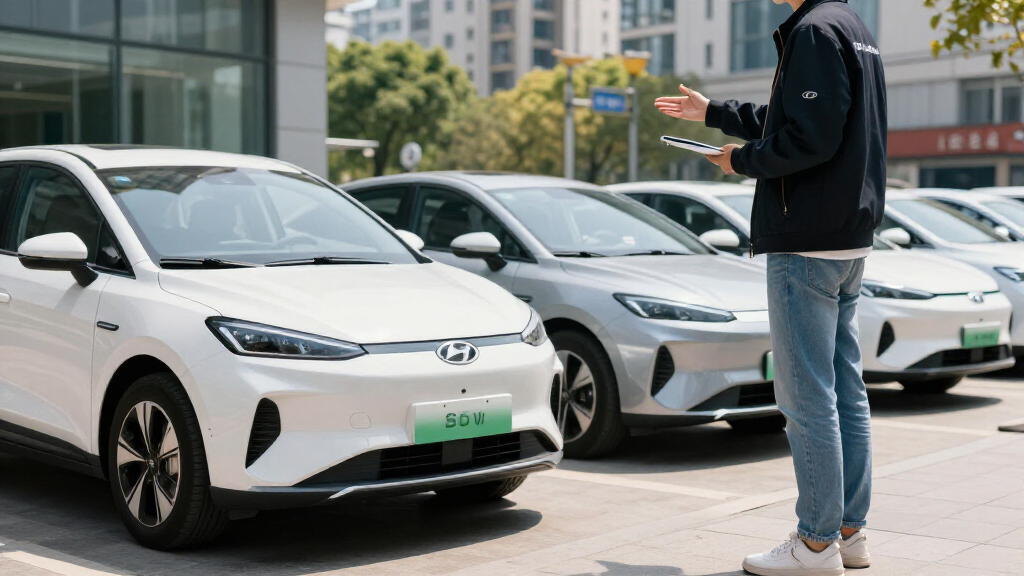
urban autonomous ride-hailing vehicle
As an affiliate, we earn on qualifying purchases.
As an affiliate, we earn on qualifying purchases.
Next Steps in Hyundai’s Autonomous Mobility Strategy
Hyundai is expected to release more detailed timelines and regional plans in the coming months. The company will likely begin pilot programs in select urban areas to test and refine its autonomous systems. Industry observers will also watch for regulatory developments and partnerships that could accelerate or hinder deployment. Hyundai’s progress in scaling its robotaxi fleet will be a key indicator of its success in repositioning amid market shifts.
As an affiliate, we earn on qualifying purchases.
Key Questions
How many robotaxis does Hyundai plan to build?
Hyundai has announced plans for thousands of robotaxis but has not provided a specific number or detailed timeline.
Where will Hyundai deploy these robotaxis first?
The initial deployment regions have not been disclosed; plans are still in development.
Will Hyundai’s robotaxis be available to the public?
It is expected that Hyundai’s robotaxis will be part of commercial ride-hailing services, but specific rollout plans are yet to be announced.
What challenges does Hyundai face in deploying robotaxis?
Challenges include regulatory approvals, safety standards, technological reliability, and infrastructure requirements.
Does this mean Hyundai is abandoning EV sales?
No, Hyundai is shifting strategic focus toward autonomous mobility services, but EVs remain a key part of its overall portfolio.
Source: rss
Fall Picks
fall essentials
As an affiliate, we earn on qualifying purchases.