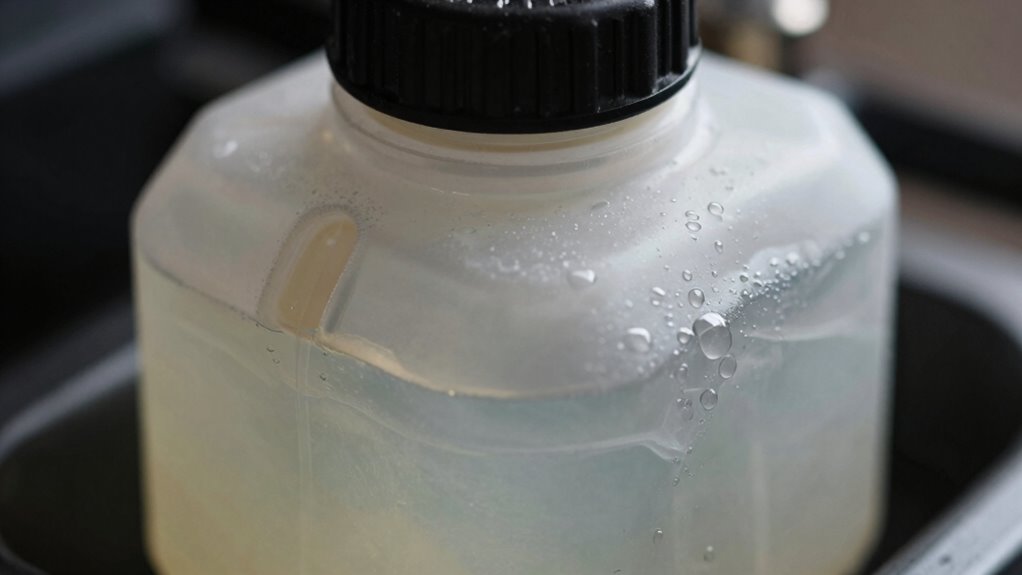
Even in sealed systems, moisture can enter your brake fluid through tiny leaks, degraded seals, or environmental exposure over time. Oxygen and humidity gradually seep in via worn hoses or compromised fittings, while the fluid’s hygroscopic nature causes it to absorb moisture from the air. Regular system checks and maintenance are essential because moisture doesn’t just stay put—it can cause significant issues. Keep going to understand how to keep your brake system safe and dry.
Key Takeaways
- Moisture naturally diffuses through rubber seals and hoses over time, even in sealed systems.
- Degradation of seals and fittings creates micro-leaks that allow moisture entry.
- Brake fluid’s hygroscopic nature causes it to absorb moisture from the environment continuously.
- Regular system openings or maintenance introduce air and moisture, increasing internal humidity.
- High ambient humidity accelerates moisture buildup inside sealed brake fluid systems.

KAIWEETS Brake Fluid Tester Pen with Corrosion Resistance Probe, High-Precision Brake Fluid Moisture Tester with Data Hold Function, Buzzer Alarm, 3 Colors Backlight, Calibrated for DOT3, DOT4, DOT5.1
Durable and Corrosion-Resistant : Featuring a corrosion-resistant probe, this brake fluid tester is designed for long-lasting performance. The…
As an affiliate, we earn on qualifying purchases.
As an affiliate, we earn on qualifying purchases.
How Does Moisture Get Into Your Brake Fluid?
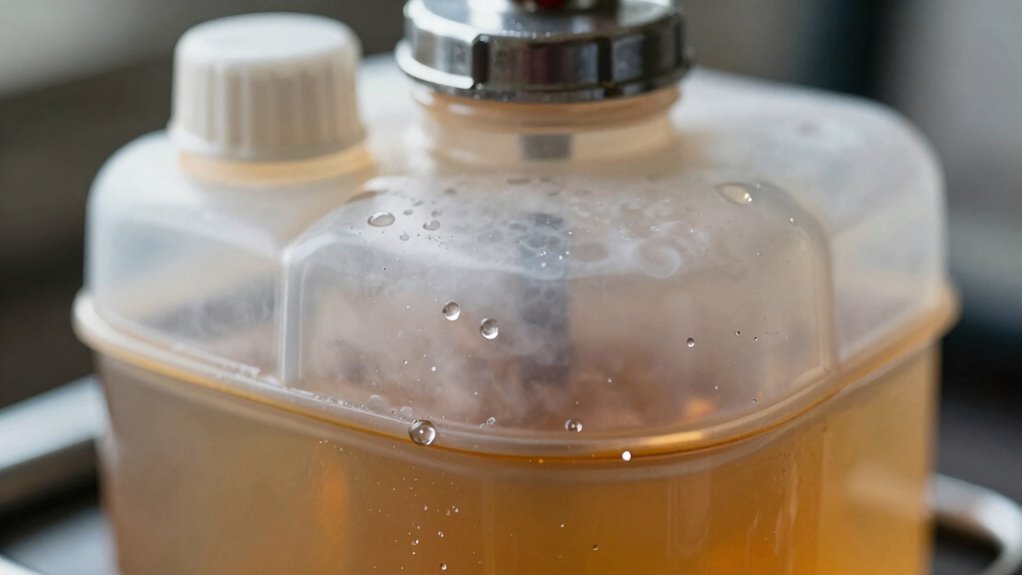
Moisture can enter your brake fluid through several pathways, even if the system is sealed. Over time, water vapor seeps through rubber hoses and seals, gradually infiltrating the fluid. Damaged or worn brake lines, perished seals, and leaks create entry points for moisture. The master cylinder cap and other openings can also allow humidity to enter if not properly sealed. Factory filling errors or shop oversights may introduce air and moisture during maintenance. Additionally, when you open or shorten hydraulic lines, it creates opportunities for moisture to get in. Even in a closed system, microscopic pores in hydraulic lines and rubber components enable moisture migration. All these pathways contribute to the gradual absorption of moisture, impacting brake fluid’s performance over time. Navigating complex systems highlights how small imperfections can lead to moisture ingress.

YEYETUO 3L Vacuum Brake Bleeder Kit, One Person Pneumatic Brake Fluid Bleeder, Flush Kit with 2L Pneumatic Fluid Extractor and 1L Refilling Bottle, with Pressure Clutch Bleeder Kit 16 Adapters
One Person Operation: This one person brake bleeder vacuum pump kit features a large 2L fluid reservoir and…
As an affiliate, we earn on qualifying purchases.
As an affiliate, we earn on qualifying purchases.
Why Moisture in Brake Fluid Is a Big Problem
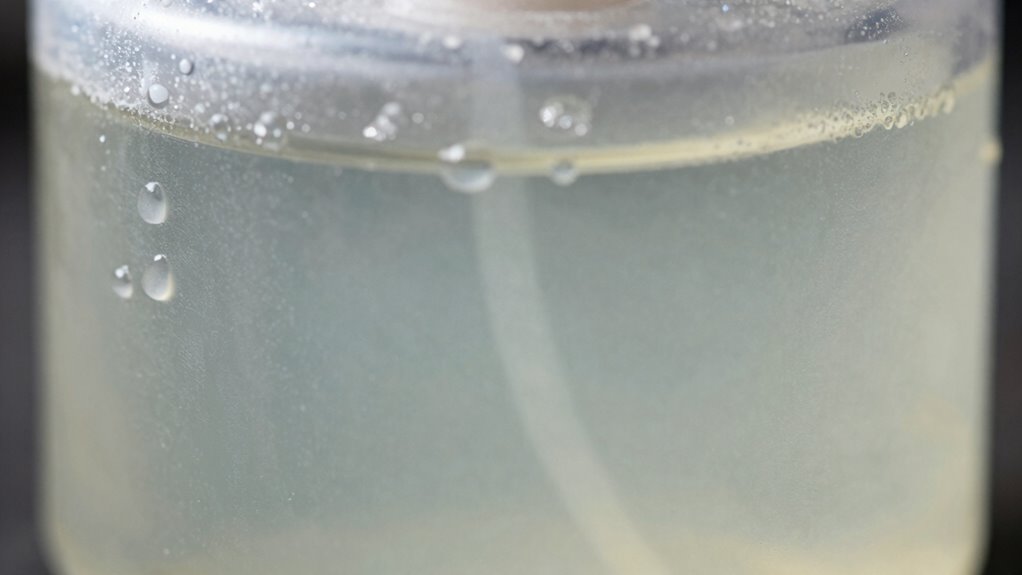
When moisture enters your brake fluid, it sets off a chain of problems that can severely compromise your vehicle’s stopping power. Moisture reduces the fluid’s boiling point, creating vapor bubbles that compress instead of transmitting pressure. This leads to a spongy pedal, increased stopping distances, and potential brake failure. Additionally, moisture depletes corrosion inhibitors, causing rust and damage to calipers, master cylinders, and brake lines. Corrosion can develop quickly, often within 36 months, especially without proper protection.
- Reduced boiling point causes vapor pockets and spongy brakes
- Corrosion damages critical brake components, risking leaks and failure
- Dark, murky fluid signals overdue maintenance and increased safety risks

Exact Replacement Repair Kit 2771004 Hydraulic Booster Rebuild Seal Repair Kit Exact Duplicate for Brake System a Complete Seal Kit Replacement for GM and Hydraulic booster
Installation Manual: The package includes 1 Hydraulic booster seal repair kit + a paper version of the installation…
As an affiliate, we earn on qualifying purchases.
As an affiliate, we earn on qualifying purchases.
Where Does Moisture Enter the Brake System?
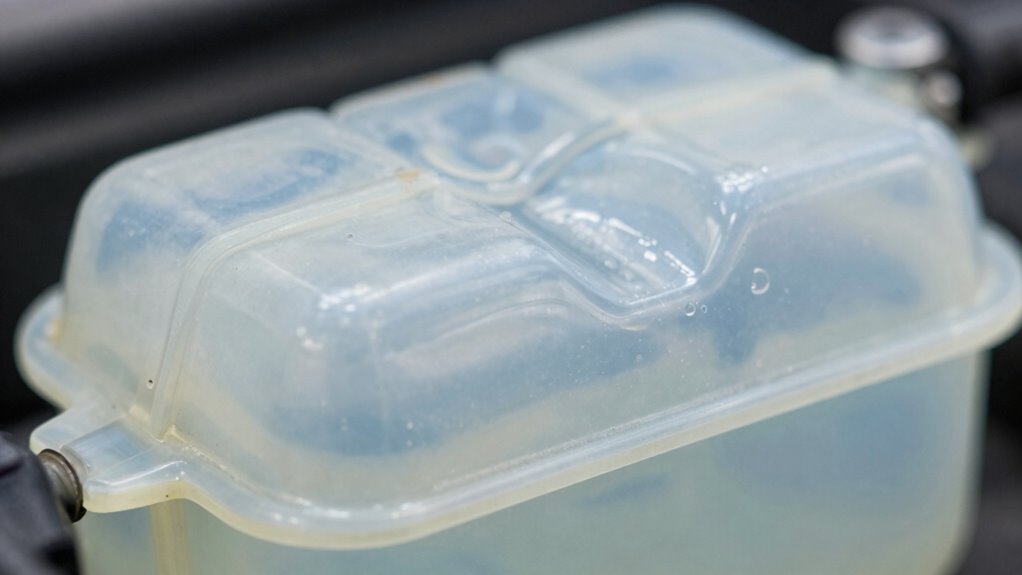
Even in sealed brake systems, moisture can find its way in through various entry points over time. Rubber hoses and seals are porous, allowing water vapor to seep in gradually. Damaged or aging brake lines, along with worn seals or leaks, create additional pathways for moisture to enter. The master cylinder cover isn’t completely airtight, so moisture can infiltrate there too. Factory filling might introduce air and moisture if not properly sealed, and when you shorten or open hydraulic lines during maintenance, moisture can easily get in. Even small cracks or imperfections in fittings and joints serve as entry points. Over time, these pathways allow moisture to accumulate inside the system, despite the system being designed to be sealed. Porous materials in the brake system components facilitate moisture ingress, making it difficult to keep the system completely dry.

ecocstm Brake Fluid Tester, Brake Fluid Moisture Tester, Brake Fluid Liquid Tester Pen with 5 LED Indicators, Auto Brake Diagnostic Checker Tool for DOT3 DOT4 DOT5.1 Brake Fluid
Quality Materials: The frosted plastic housing provides excellent anti-slip performance, while the high-strength, abrasion-resistant nylon material ensures that…
As an affiliate, we earn on qualifying purchases.
As an affiliate, we earn on qualifying purchases.
How Moisture Lowers the Boiling Point of Brake Fluid
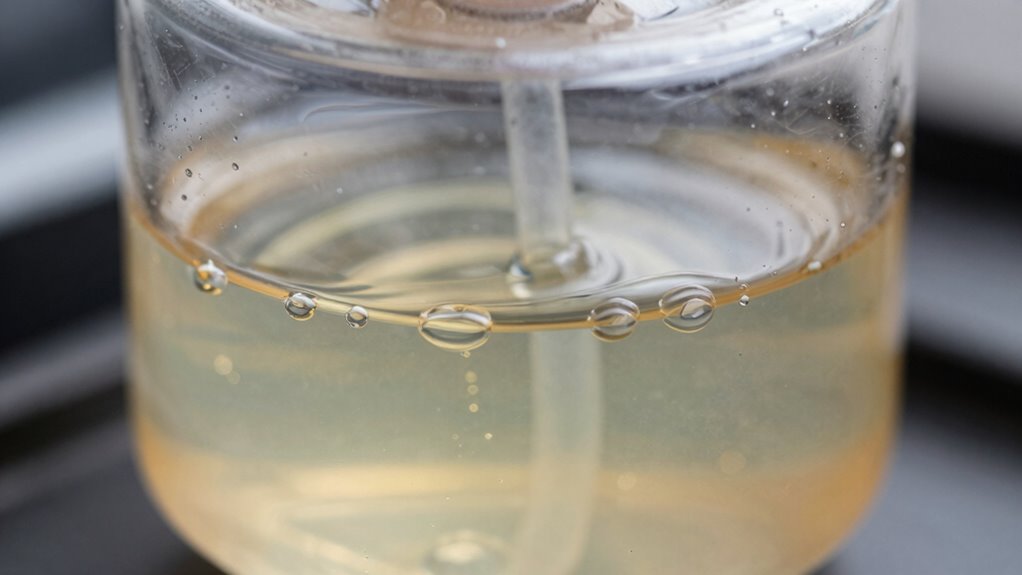
As moisture enters the brake system through porous hoses, seals, or damaged lines, it begins to dissolve into the brake fluid. This dissolved water forms vapor bubbles when the fluid heats up during braking. These bubbles are compressible, which reduces the fluid’s effective boiling point. When the boiling point drops, the fluid can vaporize under high temperatures, creating pockets of vapor that compress instead of transmitting pressure. This leads to spongy brakes, increased stopping distances, or even brake failure.
Moisture in brake fluid causes vapor bubbles, reducing braking efficiency and risking brake failure.
- Vapor bubbles decrease braking efficiency
- Hotter conditions accelerate boiling point loss
- Reduced fluid performance causes safety risks
Signs Your Brake Fluid Might Be Contaminated
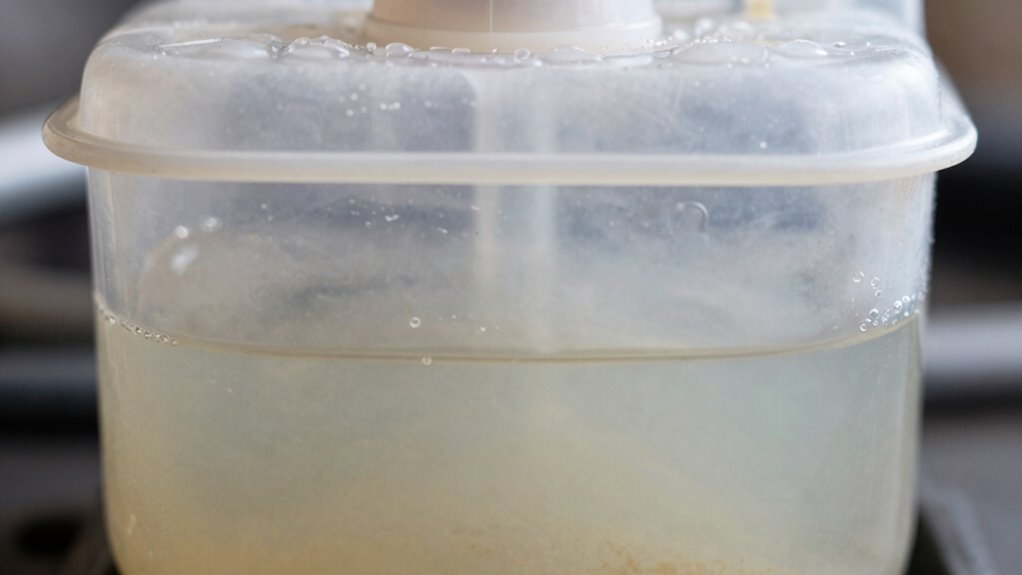
If you notice your brake pedal feels softer or spongier than usual, your brake fluid might be contaminated. Darkened or murky fluid in the reservoir is also a warning sign, indicating possible moisture buildup. Additionally, increased stopping distances during braking could mean moisture has lowered the fluid’s effectiveness.
Spongy Brake Pedal
A spongy brake pedal is often a clear sign that your brake fluid may be contaminated with moisture. When moisture gets into the system, it forms vapor bubbles that compress under pressure, reducing braking efficiency. This can lead to corrosion within the brake components, potentially causing further damage if left unaddressed. This results in a pedal that feels soft or spongy instead of firm. You might also notice increased pedal travel before braking occurs or a pedal that sinks toward the floor with minimal resistance.
- Soft or spongy pedal feel during braking
- Need to press harder for effective stopping
- Brake pedal gradually sinks or feels loose
These signs indicate your brake fluid isn’t transmitting force properly, often due to vapor formation from absorbed moisture. Addressing this early helps maintain safe, responsive brakes and prevents more serious system damage.
Darkened Fluid Color
When brake fluid darkens in color, it’s a clear sign that contamination or moisture infiltration is compromising the system. Over time, moisture and debris can turn fresh, light yellow or clear fluid into a murky, brown, or black mixture. This change indicates the fluid’s protective properties are weakening, and corrosion or dirt may be present. Regularly inspecting the fluid color helps catch issues early. Here’s a visual guide:
| Fluid Color | Possible Cause | Recommended Action |
|---|---|---|
| Clear/Yellow | Fresh, uncontaminated fluid | No action needed; monitor |
| Light Brown | Mild contamination | Schedule a fluid flush |
| Dark Brown/Black | Severe contamination or aging | Flush and replace fluid |
| Murky/Turbid | Debris or moisture buildup | Check system for leaks |
| Red or Pink | Copper corrosion signs | Test for corrosion, flush |
Act early to prevent system damage. Additionally, moisture infiltration can occur even in sealed systems, so regular checks are essential to ensure the integrity of the brake fluid.
Increased Stopping Distance
Increased stopping distances are a key warning sign that your brake fluid may be contaminated or moisture-laden. When moisture enters the system, it lowers the fluid’s boiling point, causing vapor bubbles that compress under pressure. This reduces braking efficiency, making it harder to stop quickly. You might notice that you need to press harder on the pedal or that your vehicle takes longer to halt. Additionally, proper maintenance practices can help prevent moisture buildup and ensure optimal brake performance. Be alert for:
- A spongy or soft brake pedal feeling
- Longer stopping distances even under normal conditions
- Brake warning lights illuminating on your dashboard
These signs indicate moisture-related issues. If you notice them, it’s essential to have your brake fluid tested and replaced promptly to guarantee safety and peak braking performance.
How to Test for Moisture and Corrosion in Brake Fluid
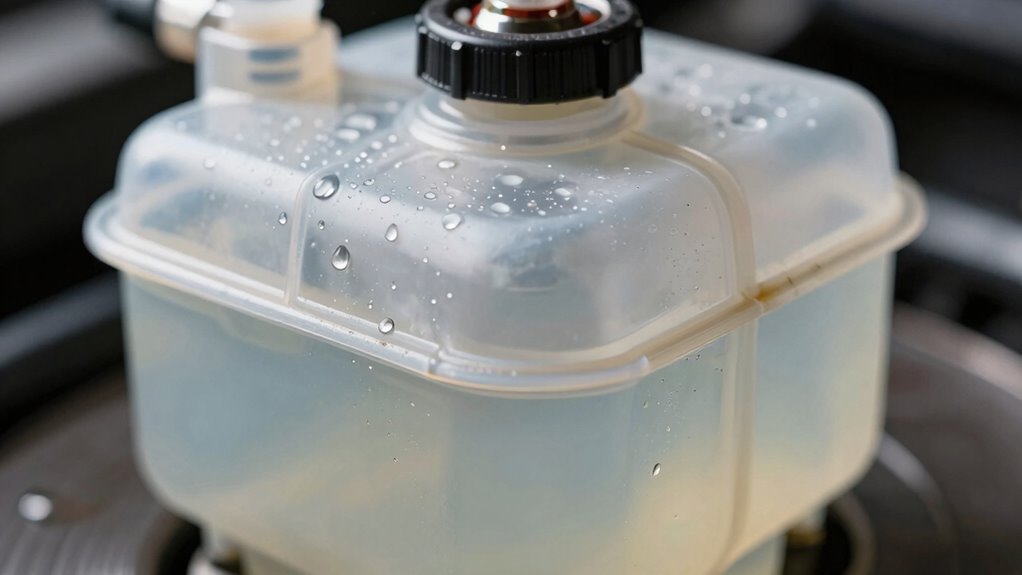
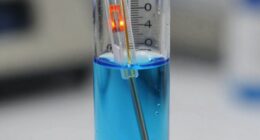
Testing for moisture and corrosion in brake fluid is essential to maintain brake system health. To check for moisture, use a dedicated moisture test kit or a refractometer designed for brake fluid. These tools measure the water content directly, alerting you if the moisture level exceeds safe limits. For corrosion, a copper test strip can detect copper particles indicating corrosion damage. Insert the strip into the fluid; a color change signals the presence of corrosion. Always ensure the brake fluid is fresh and representative of the system’s condition. Understanding the importance of regular testing helps identify issues before symptoms appear, preventing costly repairs and maintaining ideal brake performance.
How Often Should You Check and Flush Your Brake Fluid?
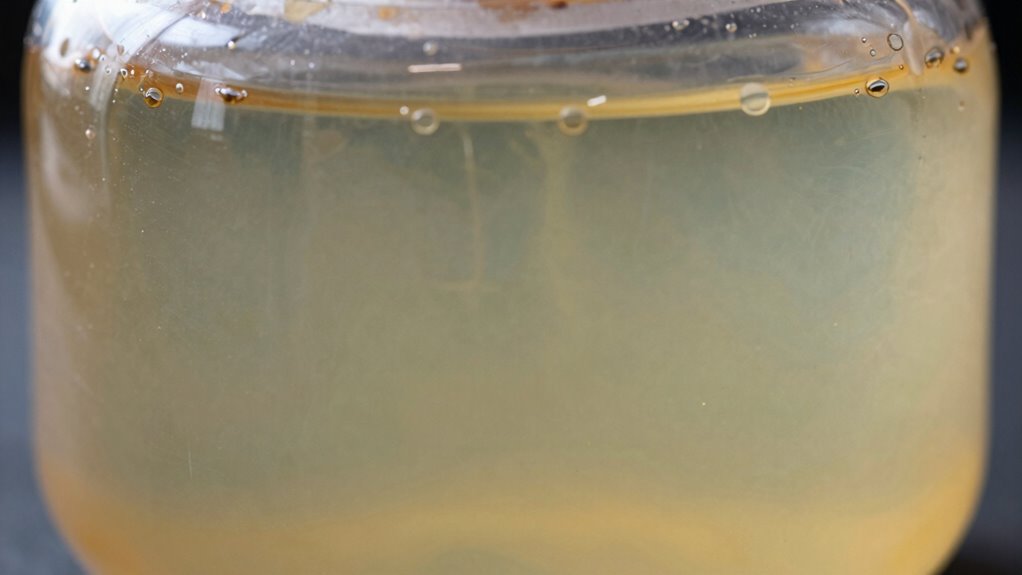
You should check your brake fluid regularly, ideally every 12 months or sooner if you notice any symptoms. Look for signs like a spongy pedal, increased stopping distance, or dark, murky fluid in the reservoir. Following recommended flush intervals helps prevent moisture buildup and maintains peak braking performance.
Regular Inspection Frequency
Regularly inspecting your brake fluid is essential to maintaining ideal braking performance and preventing costly damage. How often you check depends on your vehicle and driving conditions, but a good rule of thumb is every 12 months or 12,000 miles. If you notice any symptoms like a spongy pedal or increased stopping distances, check the fluid immediately. For high-use or harsh environments, consider more frequent inspections.
Keep an eye out for:
- Dark, murky fluid in the reservoir
- Spongy or soft brake pedal
- Brake warning lights on your dashboard
Using test strips or professional testing can help identify moisture levels early. Regular inspections help catch moisture buildup before it causes corrosion or reduces boiling points, ensuring your brakes stay safe and reliable. Affiliate disclosures
Signs of Fluid Degradation
When brake fluid begins to degrade, several clear signs can alert you to the need for an immediate check or flush. First, watch for a dark, murky appearance in the reservoir—fresh fluid is usually light yellow or clear. A spongy or soft pedal feel also indicates moisture contamination, as vapor bubbles form inside the fluid. Increased stopping distances or brake warning lights point to fluid that’s lost its effectiveness. If you notice a strange smell or see visible particles, it’s time to inspect further. Additionally, a brake fluid test strip showing copper levels suggests corrosion, hinting at moisture damage. These signs mean your brake system’s hydraulic fluid is compromised, and prompt action is necessary to maintain safety and *ideal* performance.
Recommended Flush Intervals
To keep your braking system functioning safely and effectively, it’s important to follow recommended flush intervals for your brake fluid. Typically, you should flush your brake fluid every 2 years or according to your vehicle manufacturer’s guidelines. Regular flushing removes absorbed moisture, preventing boiling, corrosion, and brake failure. Additionally, understanding borderline personality disorder can help you recognize the importance of consistent maintenance and monitoring to prevent issues from escalating.
- Check fluid condition regularly—dark or murky fluid signals the need for a flush.
- Consider more frequent changes if you drive in humid environments or perform frequent brake work.
- Use fresh, unopened fluid to avoid pre-absorbed moisture, especially before long trips or after system repairs.
Sticking to these intervals ensures your brake fluid maintains its protective qualities, keeping your braking system responsive and safe.
Which Brake Fluids Resist Moisture Better?
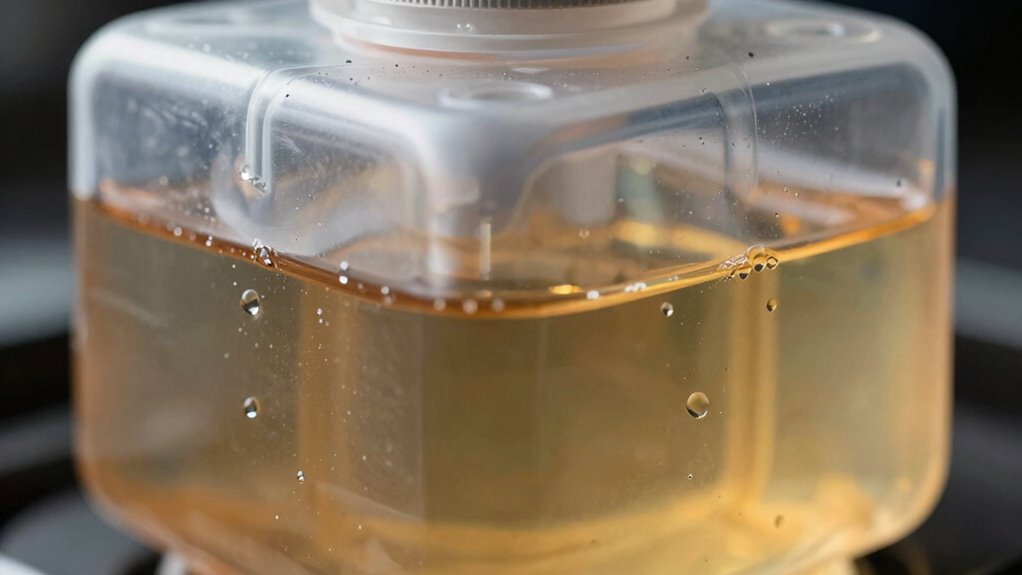
Silicone-based DOT 5 brake fluid stands out because it’s non-hygroscopic, meaning it doesn’t absorb moisture from the air like DOT 3 and DOT 4 fluids do. Instead, moisture separates from the fluid and forms a separate, floating layer, reducing the risk of corrosion within the system. This property makes DOT 5 more resistant to moisture-related issues over time. However, it’s important to note that DOT 5 doesn’t mix well with glycol-based fluids and can cause seal compatibility problems. Compared to DOT 3 and DOT 4, which readily absorb water, DOT 5 resists moisture ingress more effectively, maintaining higher boiling points and reducing the risk of vapor lock. But remember, no brake fluid is completely immune to moisture; regular maintenance remains essential. Moisture resistance is a crucial factor when choosing the right brake fluid for your bike.
Tips for Preventing Moisture Entry Into Your Brake System
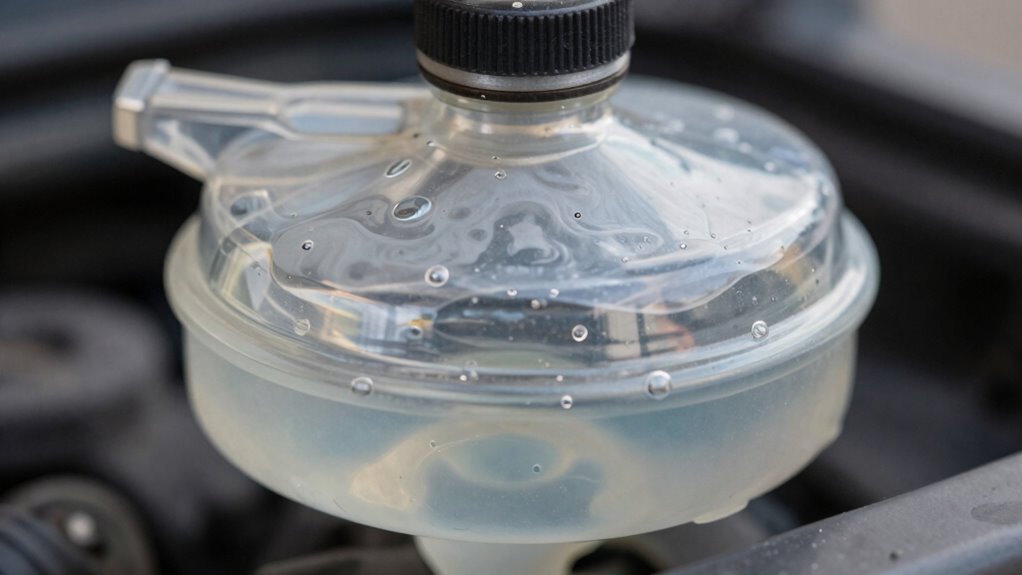
To keep moisture out of your brake system, you should regularly inspect for leaks, damaged seals, and worn hoses. Proper sealing practices, like ensuring all caps and connections are tight, also help prevent moisture entry. Additionally, changing your brake fluid on schedule keeps moisture levels low and maintains ideal braking performance. Using accessibility features can also assist in maintaining consistent inspection routines.
Regular System Inspections
Regular system inspections are essential for preventing moisture from entering your brake system. By routinely checking your brake fluid and components, you catch potential issues early. Look for signs of leaks, damaged hoses, or worn seals, which can allow moisture in. Regularly inspect the master cylinder cap and reservoir for tightness and cracks. Keep an eye on fluid color—dark or murky fluid indicates contamination and the need for a flush. Also, monitor brake performance; a spongy pedal or increased stopping distance may signal moisture problems. Maintaining proper brake fluid moisture levels is crucial for ensuring optimal braking performance and safety.
Proper Sealing Practices
Maintaining proper seals in your brake system is essential to prevent moisture from entering and compromising performance. Always inspect seals, hoses, and gaskets regularly for cracks, wear, or leaks. Replacing damaged components promptly keeps moisture out. Ensure cap seals on reservoirs are tight and undamaged to prevent vapor ingress. When opening hydraulic lines, do so minimally and reseal tightly afterward. Properly torqued fittings reduce gaps where moisture can seep in. Use quality, manufacturer-approved seals during repairs. Additionally, selecting high-quality materials for seals can significantly extend their lifespan and effectiveness.
Timely Fluid Changes
Scheduling timely brake fluid changes is essential to prevent moisture buildup that can compromise your braking performance. Fresh fluid maintains high boiling points and helps avoid corrosion within your system. Regularly checking your brake fluid color and condition allows you to catch problems early. Don’t wait for warning lights or a spongy pedal—proactive maintenance saves you money and ensures safety. Maintaining proper fluid etiquette also includes avoiding contamination during the replacement process.
To stay ahead:
- Change your brake fluid according to your vehicle’s recommended intervals, typically every 2-3 years.
- Use new, unopened fluid during each flush to prevent introducing moisture.
- Have your brake system inspected for leaks or damage that could allow moisture entry.
Sticking to these tips keeps moisture at bay, maintaining ideal brake performance and extending your system’s lifespan.
When and Why to Flush or Replace Brake Fluid

You should flush or replace your brake fluid whenever it shows signs of contamination or has reached the recommended interval, because moisture absorption reduces braking performance and damages system components. Dark, murky fluid, a spongy pedal feel, or brake warning lights indicate moisture buildup and the need for a change. Regularly testing your fluid’s condition helps identify early signs of corrosion or increased moisture levels. DOT 3 and DOT 4 fluids require more frequent replacements due to their hygroscopic nature, especially in high-humidity environments or after system repairs. If you notice increased pedal travel, decreased braking responsiveness, or after any system opening or repairs, it’s time for a flush. Doing so preserves the integrity of your brake system, prevents corrosion, and maintains safe, reliable braking performance. Monitoring microplastics in dust and other contaminants can also help maintain overall vehicle health.
Frequently Asked Questions
Can Silicone-Based DOT 5 Brake Fluid Absorb Moisture?
Silicone-based DOT 5 brake fluid doesn’t absorb moisture like glycol-based fluids because it’s non-hygroscopic. Instead, moisture tends to separate and settle out of the fluid over time, forming droplets or layers. While it doesn’t draw water from the air, moisture can still enter through leaks or damaged seals. You should regularly inspect your system, as moisture buildup can cause corrosion or reduce braking performance, even with DOT 5.
How Does Moisture Affect ABS System Performance?
Moisture reduces your ABS system’s effectiveness by lowering the brake fluid’s boiling point, leading to vapor bubbles that compress under braking. This causes a spongy pedal feel, increased stopping distances, and potential ABS malfunctions. Over time, corrosion from moisture damages components like calipers and master cylinders, further impairing system performance. Regularly checking and replacing contaminated brake fluid helps keep your ABS system functioning safely and efficiently.
Is It Possible to Prevent Moisture Ingress in Sealed Systems?
You can’t completely prevent moisture ingress in sealed systems because hygroscopic brake fluid naturally absorbs water from tiny pores, rubber hoses, and seals over time. However, you can minimize it by regularly checking and replacing brake fluid, ensuring seals and hoses are in good condition, and avoiding system openings or damage that can introduce air and moisture. Using non-hygroscopic fluids like silicone-based DOT 5 also helps reduce moisture buildup.
What Are the Long-Term Effects of Untreated Moisture in Brake Fluid?
If you ignore untreated moisture in brake fluid, it’s like letting rust silently eat away at your car’s bones. Over time, corrosion damages calipers, master cylinders, and brake lines, reducing safety and risking costly repairs. The boiling point drops, causing spongy brakes and longer stopping distances. Without action, moisture accelerates component failure, jeopardizing your safety every time you press the pedal. Regular maintenance keeps your brake system healthy and moisture-free.
Do All Brake Fluids Have the Same Hygroscopic Properties?
Not all brake fluids have the same hygroscopic properties. DOT 3 and DOT 4 fluids are hygroscopic, meaning they absorb moisture from the air over time, even in sealed systems. On the other hand, silicone-based DOT 5 fluid is non-hygroscopic, so it doesn’t absorb moisture but can still allow moisture to accumulate separately. Your choice of brake fluid influences how much moisture it can absorb and how often you need to flush the system.
Conclusion
Even in a seemingly sealed system, moisture can find its way in, quietly undermining your brake fluid’s performance. By staying vigilant and maintaining regular checks, you can help keep this subtle intruder at bay. Remember, a little attention now can prevent bigger troubles later, ensuring your brakes stay reliable when you need them most. Don’t let the tiny whispers of moisture grow into silent threats—stay proactive and keep your braking system in top shape.