If your brake pedal feels soft after bleeding, air might still be trapped in the system. Start by checking for leaks and inspecting all lines, hoses, and components for wetness or damage. Then, follow a proper bleeding sequence, ensuring the reservoir stays full and using a clear hose to remove bubbles. Gentle pumping and thorough inspection help locate hidden air pockets. Keep going, and you’ll discover how to eliminate persistent air for a firm pedal.
Key Takeaways
- Confirm the brake system is properly bled starting from the farthest wheel to remove all air pockets.
- Inspect all brake lines, hoses, and calipers for leaks or wetness indicating trapped air or fluid leaks.
- Use a consistent bleeding technique, ensuring the reservoir remains full to prevent new air entry.
- Gently pump the brake pedal to check for firmness and identify retained air or issues with the master cylinder.
- Follow the correct bleed sequence, especially for ABS systems, and repeat until the pedal is firm with no bubbles.

Orion Motor Tech Brake Bleeder Kit with Hand Vacuum Pump and Adapters, Brake Bleeding Kit for Brake Fluid Power Steering Fluid More, Vacuum Brake Bleeder Pump with Pressure Gauge
YOUR TRIP COMPANION: With Orion Motor Tech's brake bleeder kit, say goodbye to the old days when it…
As an affiliate, we earn on qualifying purchases.
As an affiliate, we earn on qualifying purchases.
Why Does Your Brake Pedal Feel Soft and How Can You Fix It?
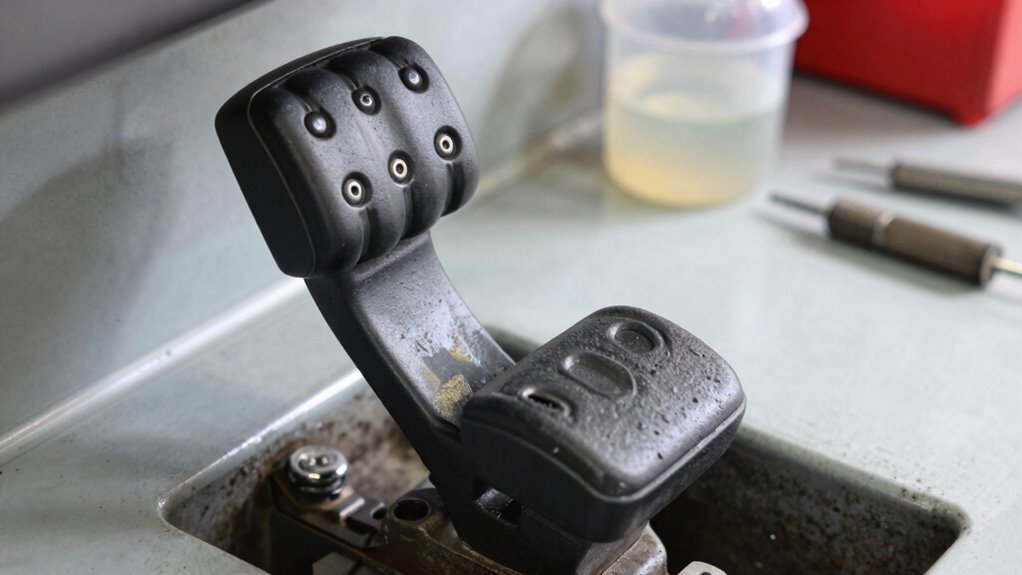
A soft brake pedal usually indicates that air, moisture, or fluid contamination is compromising your braking system’s efficiency. When air gets trapped, it compresses under pressure, making the pedal feel spongy and unresponsive. Old brake fluid can absorb moisture, boiling under high heat, which creates vapor pockets that reduce braking effectiveness. If you recently opened the hydraulic system or replaced components without proper bleeding, air may remain trapped, leading to a soft pedal. Incomplete bleeding of the ABS system can also cause this issue, especially in newer vehicles. To fix it, you need to thoroughly bleed the brakes, ensuring all air is expelled. Regularly inspecting for leaks and maintaining clean, fresh brake fluid helps prevent air from entering and keeps your brake pedal firm. Proper bleeding techniques are essential for effective brake system maintenance.
Orion Motor Tech Brake Bleeder Kit with Hand Vacuum Pump and Adapters, Brake Bleeding Kit for Brake Fluid Power Steering Fluid More, Vacuum Brake Bleeder Pump with Pressure Gauge
YOUR TRIP COMPANION: With Orion Motor Tech's brake bleeder kit, say goodbye to the old days when it…
As an affiliate, we earn on qualifying purchases.
As an affiliate, we earn on qualifying purchases.
How Do Air Bubbles Get Trapped in the Brake System?
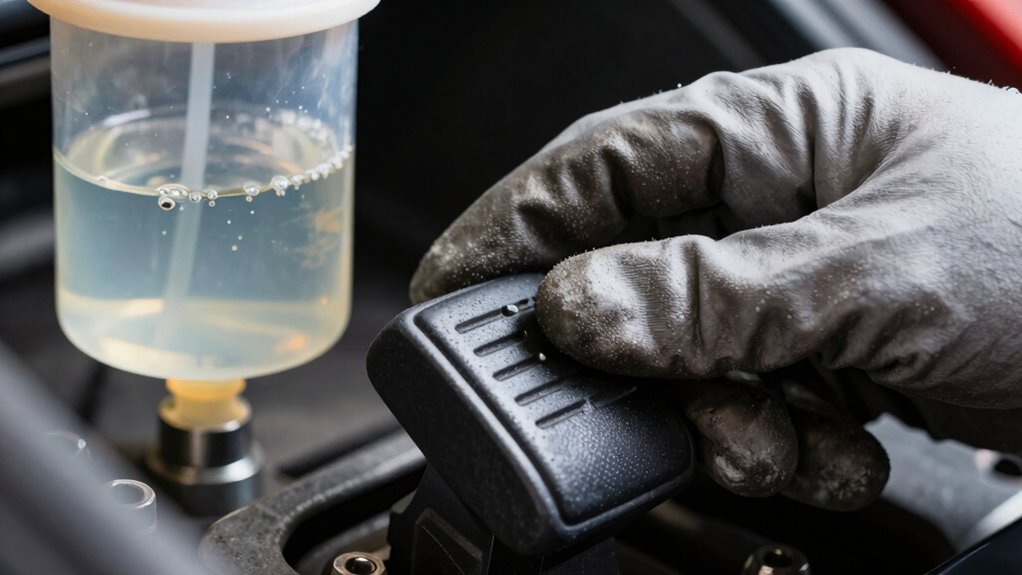
Air bubbles get trapped in the brake system primarily during bleeding or when the hydraulic components are opened, as air naturally rises to the highest point. When you open the brake lines or master cylinder, you create an opportunity for air to enter. If you don’t properly bleed the system afterward, these bubbles remain trapped. During fluid replacement or repairs, incomplete bleeding can leave pockets of air behind. Additionally, uneven or partial bleeding, especially in ABS systems, can cause air to settle in specific areas. Over time, vibrations and temperature changes also encourage tiny air pockets to form and stick. Proper bleeding techniques are essential to ensure all air bubbles are effectively removed from the system. This trapped air compresses under pedal pressure, leading to a soft brake pedal. Proper bleeding and system flushes help remove these air bubbles and restore pedal firmness.

OFBAND 2Set Brake Bleeder Kit,Brake Fluid Bleeder Kit Includes 4PCS Brake Bleeder Hose,2PCS One Way Check Valve,Universal Break Bleeder Kit Car Accessories for Car Motorbike Bike
Complete Kit: The brake system bleeding tools contain 2*6.02" long inlet hose, 2*13.77" long outlet hose, 2*check valve,…
As an affiliate, we earn on qualifying purchases.
As an affiliate, we earn on qualifying purchases.
How Can You Check for Brake Fluid Leaks That Cause Soft Brakes?
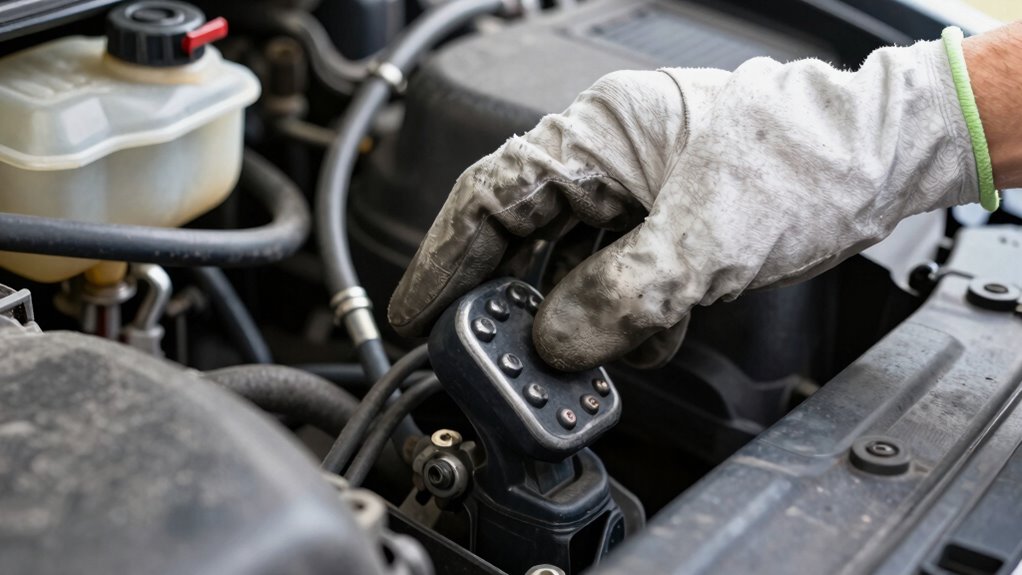
To check for brake fluid leaks that can lead to soft brakes, start by inspecting the visible parts of your braking system for signs of fluid accumulation or wetness. Examine the master cylinder, brake lines, hoses, calipers, and wheel cylinders carefully. Look for wet spots, stains, or corrosion around fittings and joints, which can indicate leaks. Check the reservoir level; a low fluid level suggests a leak somewhere in the system. Pay attention to rust or corrosion on steel lines, which can weaken them and cause leaks over time. Also, look for puddles or drips beneath your vehicle after driving. If you notice any signs of fluid loss or wet spots, it’s vital to repair the leak before bleeding or further diagnosis. Inspecting brake components regularly can help prevent brake failure caused by fluid leaks.

iDili Universal A/C Leak Testing Detector Tool Air Conditioning Pipeline Leak Detection Test Tool for 98% Vehicles
Product name: Universal Leak Picking Tool for Car Air Conditioning
As an affiliate, we earn on qualifying purchases.
As an affiliate, we earn on qualifying purchases.
How Do You Properly Bleed Your Brakes to Remove Air?
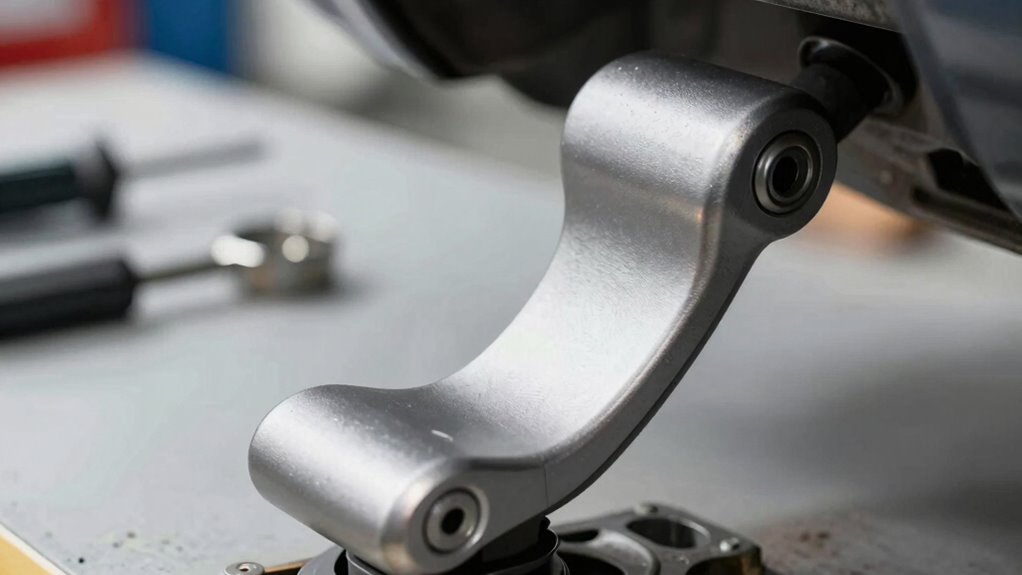
Properly bleeding your brakes is essential to remove trapped air and restore firm pedal feel. First, confirm the vehicle is on a level surface, and the engine is off. Start at the wheel farthest from the master cylinder, usually the passenger rear. Attach a clear hose to the bleeder valve, submerging the other end in a container with brake fluid. Have an assistant press the brake pedal several times and hold it down. Open the bleeder valve to let out air and fluid, then close it before your assistant releases the pedal. Repeat this process at each wheel in the correct sequence, usually rear to front. Always keep the reservoir full to prevent new air from entering the system. Consistent monitoring of brake fluid levels is crucial throughout the process to prevent introducing new air. Continue until no more air bubbles appear.
What Is the Step-by-Step Checklist to Find and Eliminate Hidden Air Bubbles?
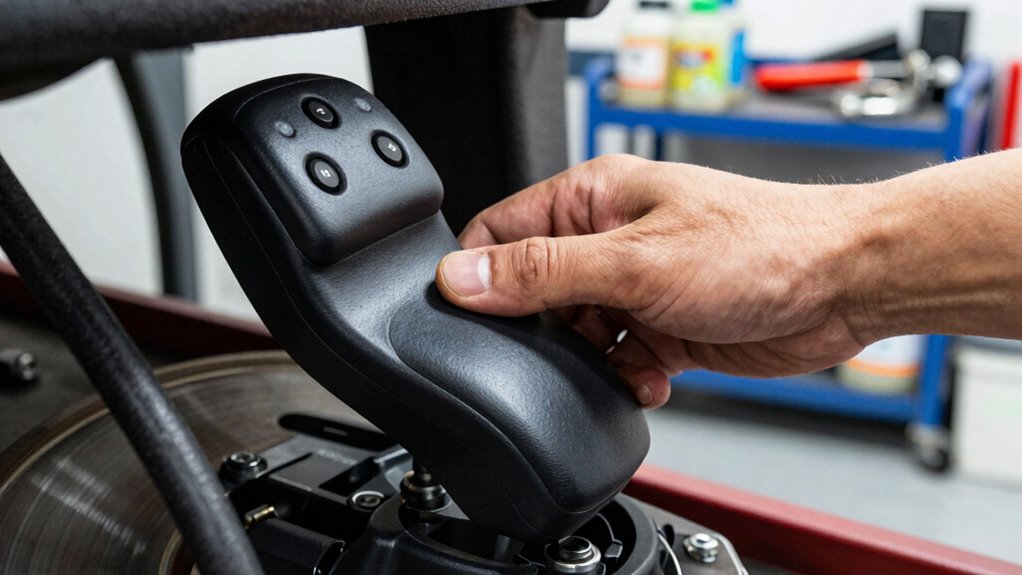
Finding and eliminating hidden air bubbles can be tricky because they often cling to internal surfaces or remain trapped in complex areas of the brake system. To start, gently pump the brake pedal several times to see if it firms up—firmness indicates most air is out. Next, inspect all lines, hoses, calipers, and wheel cylinders for signs of wetness or leaks. Hold the pedal steady; if it creeps down, suspect the master cylinder. Follow the proper bleed sequence per your vehicle’s manual, ensuring you start from the furthest wheel and work inward. For modern vehicles with ABS, use a scan tool to activate the ABS pump and valves during bleeding. Proper bleeding procedures are essential for effectively removing air bubbles. Repeat the process until the pedal feels firm, and no bubbles surface during bleeding.
Frequently Asked Questions
Can a Faulty Master Cylinder Cause a Soft Brake Pedal?
Yes, a faulty master cylinder can cause a soft brake pedal. When it fails internally, it bypasses hydraulic pressure, making the pedal feel spongy or sink under pressure. You might notice it creeping down when you hold it or a gradual loss of braking power. If you suspect this, you should replace the master cylinder and perform a full system bleed to restore proper pedal firmness and braking performance.
How Do You Identify Moisture or Contamination in Brake Fluid?
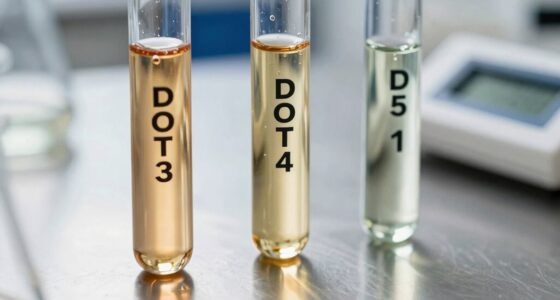
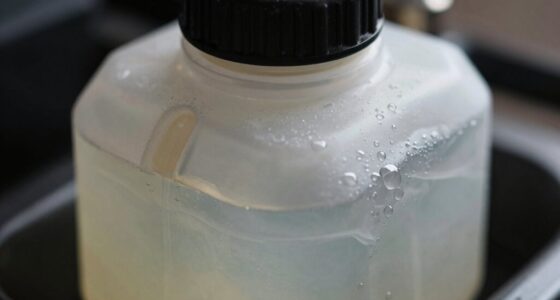
You can identify moisture or contamination in brake fluid by checking its color and consistency. Fresh fluid is clear or slightly amber, but contaminated fluid appears dark, cloudy, or has debris. Use a test strip or a refractometer to measure moisture levels; high readings indicate water contamination. Additionally, if the fluid feels thick or gurgles when warmed, it’s likely contaminated. Regular testing helps prevent brake system damage.
Are ABS Systems More Difficult to Bleed Properly?
Did you know that bleeding ABS systems can take up to twice as long as traditional brakes? Yes, ABS systems are more challenging because they have complex modulators and valves that trap air. You need to use specialized scan tools and follow precise procedures, including cycling the ABS pump. Patience and proper technique guarantee you remove all air, restoring firm pedal feel and safe braking performance.
What Are Signs of a Brake Fluid Leak Besides a Soft Pedal?
You’ll notice wetness around brake lines, calipers, or wheel cylinders, indicating a leak. Watch for a low brake fluid reservoir level, which suggests fluid loss. Rust or corrosion on steel brake lines can cause leaks, and you might see fluid dripping or pooling under your vehicle. If your brake pedal feels spongy or sinks when held, it’s often a sign fluid is escaping. Regular inspections help catch leaks early.
How Often Should Brake Fluid Be Flushed to Prevent Issues?
You should flush your brake fluid every 2 to 3 years, or sooner if you notice discoloration, contamination, or reduced braking performance. Regular flushing prevents moisture buildup, which can cause boiling and sponginess, and removes dirt or debris that may lead to leaks or component wear. Consistent maintenance guarantees your braking system stays responsive and safe, reducing the risk of soft pedals and costly repairs down the line.
Conclusion
Don’t let a soft brake pedal worry you into costly repairs. By following this simple 5-step checklist, you can find and eliminate hidden air bubbles yourself, saving time and money. Think it’s too complicated? With patience and the right tools, bleeding your brakes is straightforward. Take control of your vehicle’s safety—your brakes will thank you for it. Just stay confident, and you’ll have a firm pedal in no time.