If you use a coolant vacuum refill and don’t fully remove trapped air, air pockets can form in your system. These pockets block coolant circulation, causing hotspots that lead to overheating weeks later. Improper refilling techniques, like rushing or skipping venting steps, increase the risk. To prevent this, you need to follow proper bleeding procedures and guarantee all air is out of the system. Keep exploring to find out how to do it right and avoid future overheating.
Key Takeaways
- Air pockets trapped during vacuum refill prevent proper coolant circulation, leading to overheating over time.
- Incomplete bleeding or improper venting leaves residual air that causes hotspots and temperature spikes weeks later.
- Air pockets disrupt heat transfer, causing engine temperature fluctuations and reduced cooling efficiency.
- Failing to follow proper bleeding procedures allows trapped air to persist, increasing overheating risk later.
- Regular system maintenance and correct refill techniques help prevent residual air pockets and long-term overheating.

Orion Motor Tech Coolant Vacuum Refill Kit, 13pc Radiator Cooling System Tool Set with Conical Adapter 4 Round Adapters for Leak Detection Cooling Refill, Vacuum Coolant Fill Kit with Splashproof Hose
Cut Down Refill Time: Orion Motor Tech's 13 pc. coolant vacuum refill kit fills your system in just…
As an affiliate, we earn on qualifying purchases.
As an affiliate, we earn on qualifying purchases.
Why Does My Engine Overheat After a Coolant Refill?
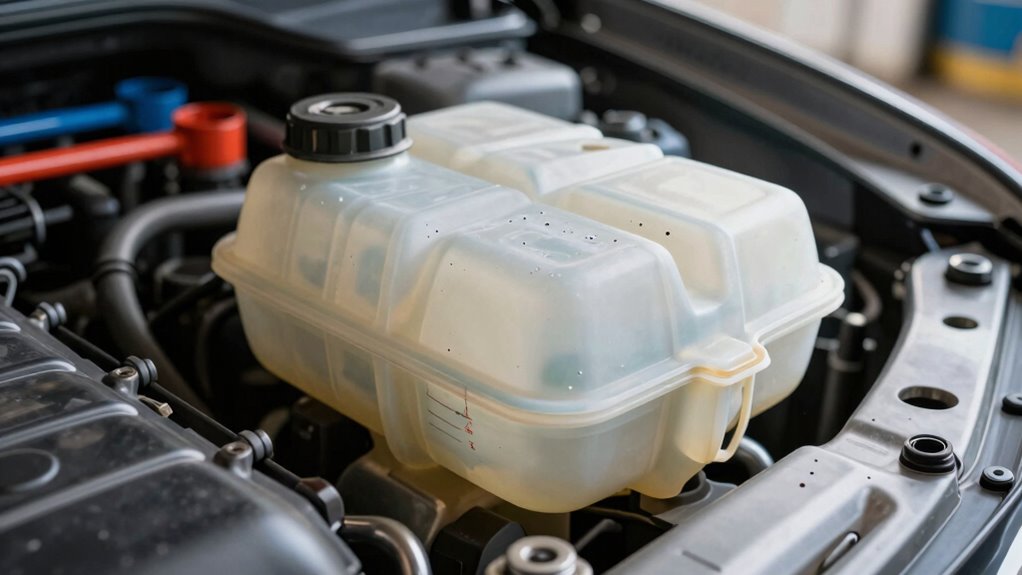
If your engine overheats after a coolant refill, it’s often due to air trapped in the cooling system. When you add coolant, the mixture may contain air pockets that prevent proper circulation, causing the engine to overheat. A common mistake is not removing the air before sealing the system. Check that the radiator cap is securely tightened, as a loose or improperly sealed cap can allow air to enter or escape, disrupting the coolant flow. The trapped air creates pockets that block heat transfer, leading to increased engine temperatures. Ensuring the correct coolant mixture and properly bleeding air out of the system can prevent overheating. Properly managing air pockets and following bleeding procedures is essential for optimal engine performance. Always verify that the radiator cap is in good condition and tightly fitted after refilling to maintain proper pressure and prevent air entry. Additionally, consulting cooling system guidelines can help identify specific bleeding techniques for your vehicle model. Additionally, using a coolant flush can help remove any remaining air pockets and contaminants that might impede proper cooling.
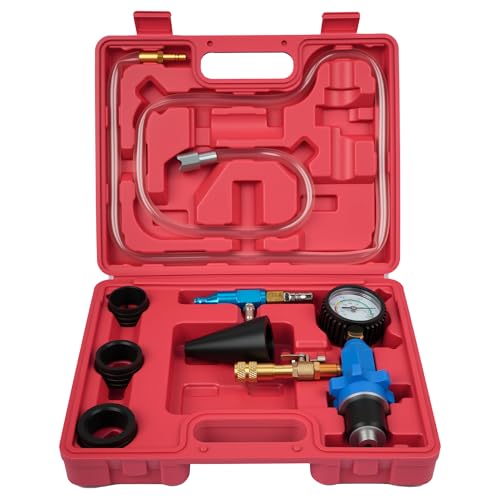
DAYUAN Cooling System Vacuum Purge Radiator Coolant Refill Tool Kit, Automotive Water Tank Pneumatic Vacuum Antifreeze Change Filler Set with 4 Sizes Adapter Hose for Car Van SUV Truck
VACUUM TYPE COOLANT FILLING FUNCTION: Pneumatic vacuum coolant filler first sucks and forms a vacuum on the cooling…
As an affiliate, we earn on qualifying purchases.
As an affiliate, we earn on qualifying purchases.
Recognizing the Signs of Air Pockets Causing Overheating
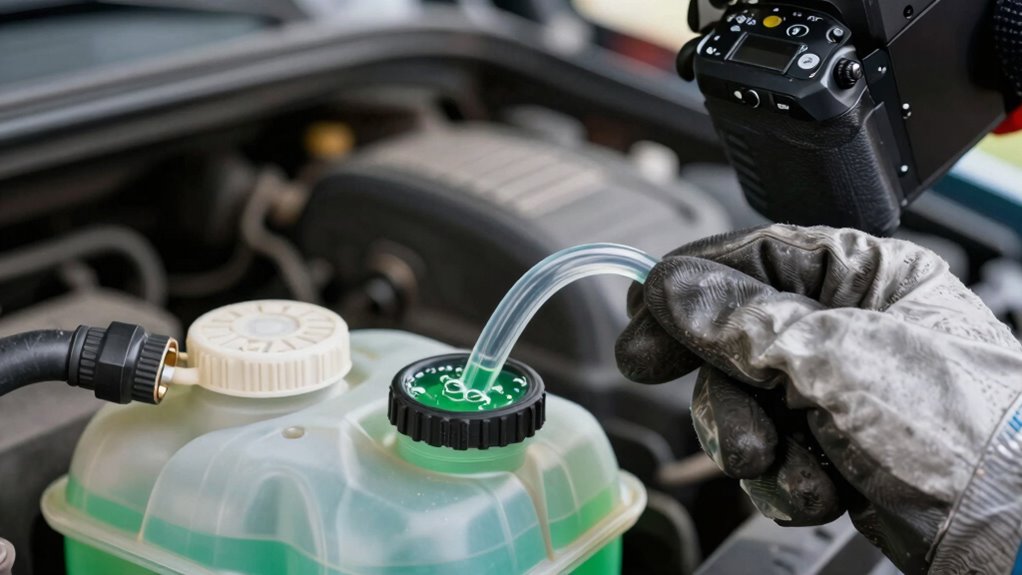
You might notice your engine running hotter than usual or see fluctuations in the coolant level. These signs often indicate air pockets trapped in the cooling system. Recognizing them early can help prevent further overheating issues. Using a coolant vacuum refill tool can effectively remove air pockets and restore proper coolant flow. Additionally, understanding the coolant system and its potential issues can aid in early detection and maintenance. Properly bleeding the cooling system is crucial after any service or repair to ensure no air remains trapped, which can lead to overheating. An improper system pressure can also contribute to trapped air and overheating, so monitoring pressure levels is essential. Regular inspection of the coolant hoses can also help identify leaks or blockages that might cause air pockets to form.
Unusual Engine Temperatures
Unusual engine temperatures are often a sign that air pockets have formed in the cooling system, disrupting proper heat transfer. If your engine runs hotter or cooler than normal, it could be due to air pockets blocking coolant flow. During radiator maintenance, using the correct coolant types is essential to prevent air from becoming trapped. Additionally, proper bleeding techniques can help eliminate air pockets in the cooling system, ensuring consistent engine temperatures. Air pockets hinder efficient heat dissipation, causing hotspots that lead to overheating or inconsistent engine performance. Keep an eye on temperature gauges and look for signs like frequent temperature spikes or engine warning lights. If you notice these issues, it’s a sign that trapped air may be affecting your system. Addressing these problems promptly ensures your cooling system operates smoothly, preventing long-term damage caused by inconsistent engine temperatures. Recognizing the impact of air pockets on engine cooling can help you better understand and prevent overheating issues. Properly removing air pockets is vital for maintaining optimal cooling system performance, especially after system repairs or fluid refills. Incorporating bleeding techniques can further improve the removal process and safeguard your engine’s health.
Fluctuating Coolant Levels
Fluctuating coolant levels often signal the presence of air pockets within the cooling system, which can lead to overheating. When air gets trapped, your coolant mixture may seem to rise and fall in the reservoir or radiator, despite no actual leak. Check the radiator cap—if it’s loose or faulty, it can allow air in, disrupting coolant flow. You might notice the coolant level dropping unexpectedly or appearing inconsistent after engine cools down. These fluctuations indicate air pockets are interfering with proper circulation, causing uneven cooling. Always guarantee your radiator cap is sealed tightly and the coolant mixture is topped off correctly. Addressing these issues promptly can prevent air pockets from causing persistent overheating, saving you from costly repairs later.
Persistent Overheating Signs
Persistent overheating often signals trapped air pockets within your cooling system. You might notice your engine temperature gauge rising higher than normal, even after a short drive. Coolant system issues caused by air pockets can lead to inconsistent temperature regulation. Watch for these signs:
| Symptom | Explanation |
|---|---|
| Frequent temperature spikes | Engine temperature fluctuates unexpectedly |
| Coolant boiling or gurgling | Air pockets cause boiling sounds or gurgling noises |
| Overheating under load | Overheating worsens when engine works harder |
| Coolant loss without leaks | Air pockets can cause coolant to disappear internally |
| Reduced heater effectiveness | Cabin heater blows lukewarm air instead of hot |
Early detection of air pocket formation is crucial for maintaining optimal cooling performance. Being aware of coolant circulation issues helps prevent long-term damage and guarantees your coolant system functions properly. Additionally, improper coolant refilling techniques can introduce air pockets, so proper procedures are essential. Proper bleeding procedures help to eliminate trapped air during refills, reducing the risk of future overheating. Recognizing these signs early helps prevent long-term damage and guarantees your coolant system functions properly.

Irontite Thoro-Flush Coolant System Cleaner – Removes Rust, Scale, Oil, Sludge & Gelled Dex-Cool – 16oz Powder – Cleans Cooling Systems, Restores Coolant Flow, Safe for Cast Iron, Aluminum & Plastic
Powerful Cooling System Cleaner: Thoro-Flush effectively removes rust, scale, grease, oil, and sludge from your vehicle’s cooling system,…
As an affiliate, we earn on qualifying purchases.
As an affiliate, we earn on qualifying purchases.
How Do Air Pockets Form During a Coolant Vacuum Refill?
Air pockets often form during a coolant vacuum refill because air gets trapped as the system is evacuated and then refilled. When you use a vacuum pump to remove air from the coolant reservoir and cooling system, some air may not fully escape. As you refill the system, these pockets of air can become trapped in high points or tight bends within the hoses and radiator. The vacuum pump helps to remove most of the air, but it’s difficult to eliminate every pocket completely. When the system is sealed, these trapped air pockets can settle into certain areas and create voids that interfere with proper coolant circulation. This is why air pockets tend to form during the refill process if not done carefully. Additionally, understanding the moisture content in the system can help prevent these issues, as excess moisture can contribute to trapped air and overheating problems later on.

HZAUTOS 18PCS Radiator Pump Pressure Tester Kit, Pressure Leak Tester Tool Kit for Automotive Cooling System Water Tank Leakage Detection
Durable Construction Design: The radiator pressure test tool is provided with an alunimum pump cylinder, a 21" rubber…
As an affiliate, we earn on qualifying purchases.
As an affiliate, we earn on qualifying purchases.
How Does a Coolant Vacuum Refill Work?
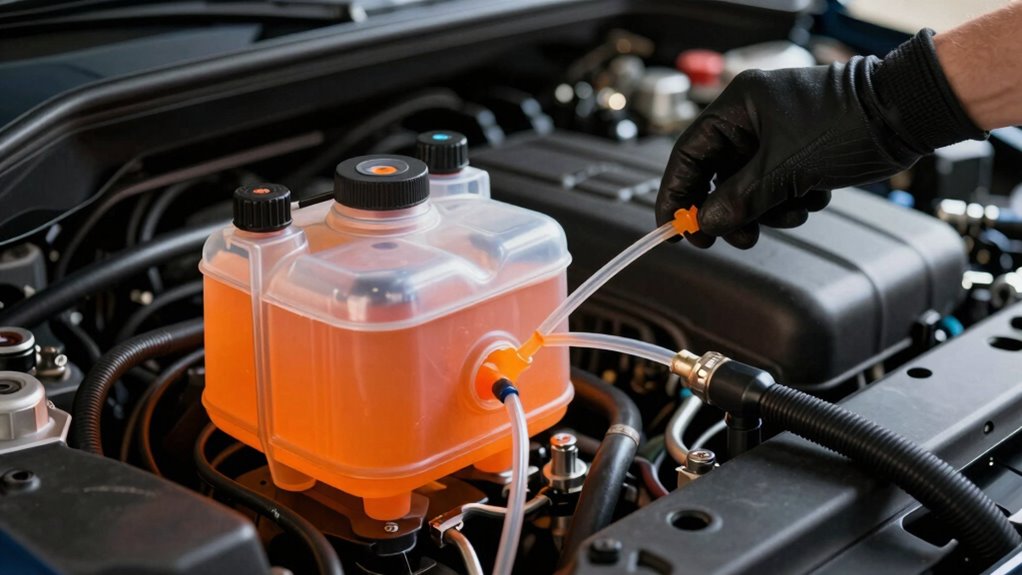
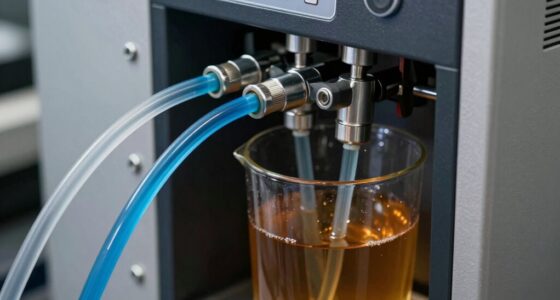
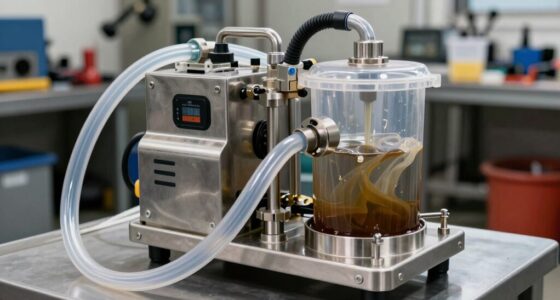
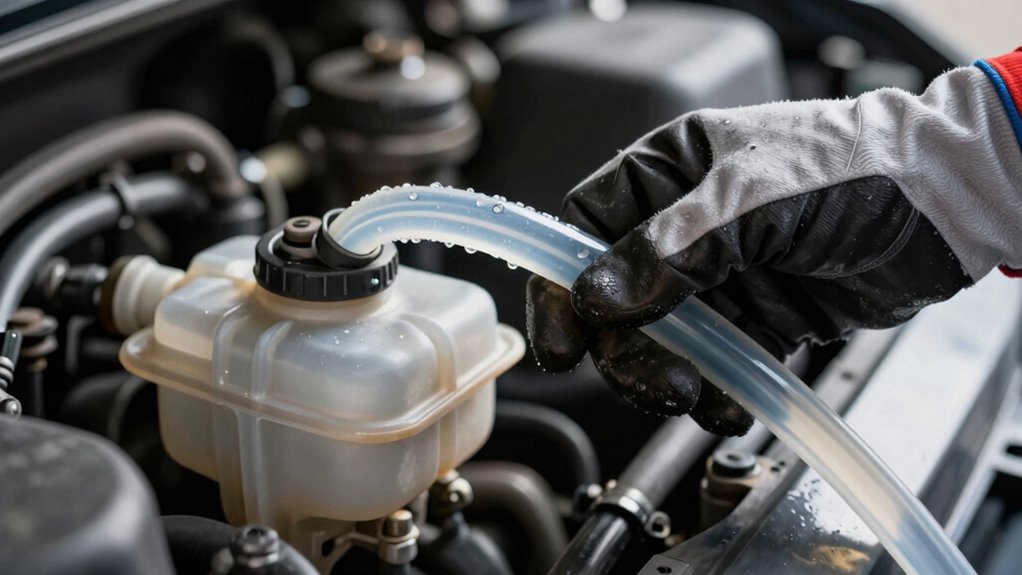
A coolant vacuum refill works by removing air from the cooling system to guarantee efficient operation and prevent overheating. During the process, you connect a vacuum pump to the coolant system’s fill port. The vacuum process then creates a sealed environment, pulling air and old coolant out of the system. As the pressure drops, any trapped air pockets are forced out, allowing the system to fill with fresh coolant without air pockets remaining. This method ensures that the coolant system is completely free of air, which can cause hot spots and overheating. Properly managing air pocket removal is crucial to maintaining optimal cooling performance and avoiding long-term engine issues. Once the vacuum is maintained for a set period, you gradually introduce new coolant under vacuum, ensuring it fully replaces the displaced air and old fluid. This process helps achieve ideal cooling performance. Additionally, understanding the role of air pockets and their impact on overheating highlights the importance of proper vacuum refilling techniques. Maintaining air elimination is essential for preventing engine damage caused by trapped air, as trapped air can lead to inefficient cooling. Regularly checking for air entrapment during maintenance can help prevent future overheating problems.
How to Properly Bleed Air From Your Cooling System
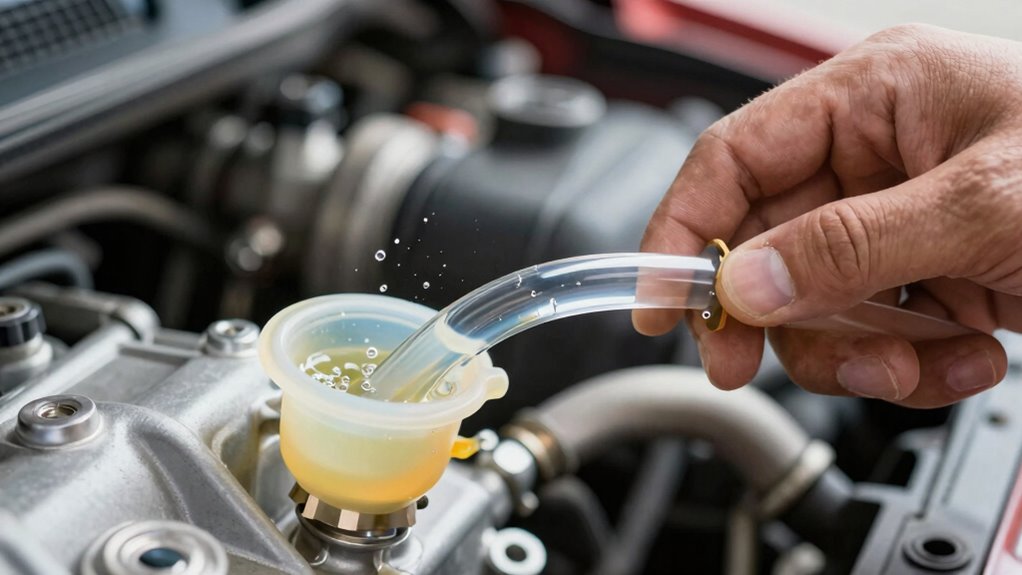
To guarantee your cooling system works efficiently, you need to follow the proper bleeding procedure to remove air pockets. Watch for signs of air bubbles, like fluctuating temperature readings or overheating. Getting this right prevents engine damage and keeps your vehicle running smoothly. Proper ventilation during refilling is also essential to prevent air leaks from compromising the system. Additionally, ensuring proper destination planning can help you avoid unnecessary delays caused by overheating issues. Incorporating top car protection and accessories can further safeguard your vehicle during maintenance routines.
Proper Bleeding Procedure
Properly bleeding air from your cooling system is essential to prevent overheating and guarantee peak performance. Begin by ensuring your coolant mixture is at the correct level, then remove the radiator cap carefully. Start the engine and let it run at idle, allowing the coolant to circulate. Keep an eye on the temperature gauge and watch for bubbles escaping from the radiator neck. If you see air pockets, gently squeeze hoses to help release trapped air. Continue this process until steady coolant flow without bubbles is observed. Once the system is bled, turn off the engine, wait a few minutes, and top off the coolant to the proper level. Replace the radiator cap securely, and you’re all set for efficient cooling performance.
Signs of Air Bubbles
When air gets trapped in your cooling system, it often reveals itself through specific signs. You might notice coolant leaks around the radiator or hoses, which aren’t typical and can indicate trapped air pushing coolant out. Radiator faults, such as inconsistent overheating or fluctuating temperature gauges, can also signal air bubbles in the system. Additionally, you may hear gurgling sounds from the heater or radiator, caused by air pockets circulating. If you see bubbles or frothy coolant in the reservoir, that’s another sign of trapped air. Left unchecked, these air bubbles can cause uneven cooling, leading to radiator faults or engine overheating. Recognizing these signs helps you identify air bubbles early and take steps to properly bleed the system before damage occurs.
Common Mistakes During Refill That Lead to Air Entrapment
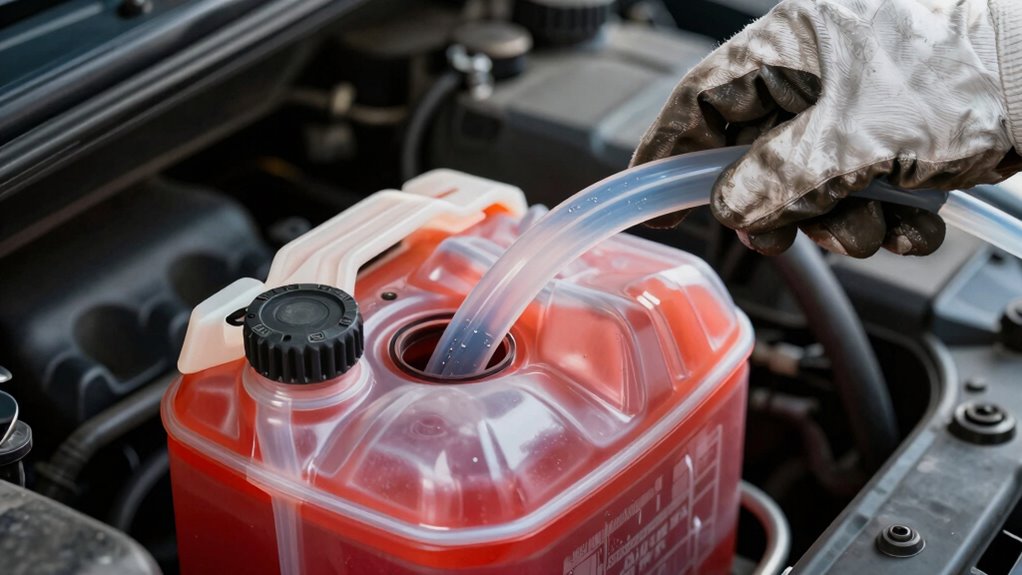
One common mistake during coolant refill is failing to fully purge air from the system, which often happens when you don’t follow the correct bleeding procedure. This leads to air pocket formation that can cause overheating later. To visualize, imagine this table during refill:
| Step | Common Mistake |
|---|---|
| Filling coolant | Overfilling without bleeding |
| Bleeding process | Skipping proper venting |
| Checking levels | Not monitoring for air bubbles |
| Running engine | Not warming to circulate coolant |
| Rechecking coolant | Failing to identify trapped air |
Following refill best practices ensures you remove air pockets effectively. Neglecting this step traps air, risking long-term overheating, so be meticulous during bleeding to prevent this common mistake.
Tips to Prevent Air Pockets and Keep Your Cooling System Working Smoothly
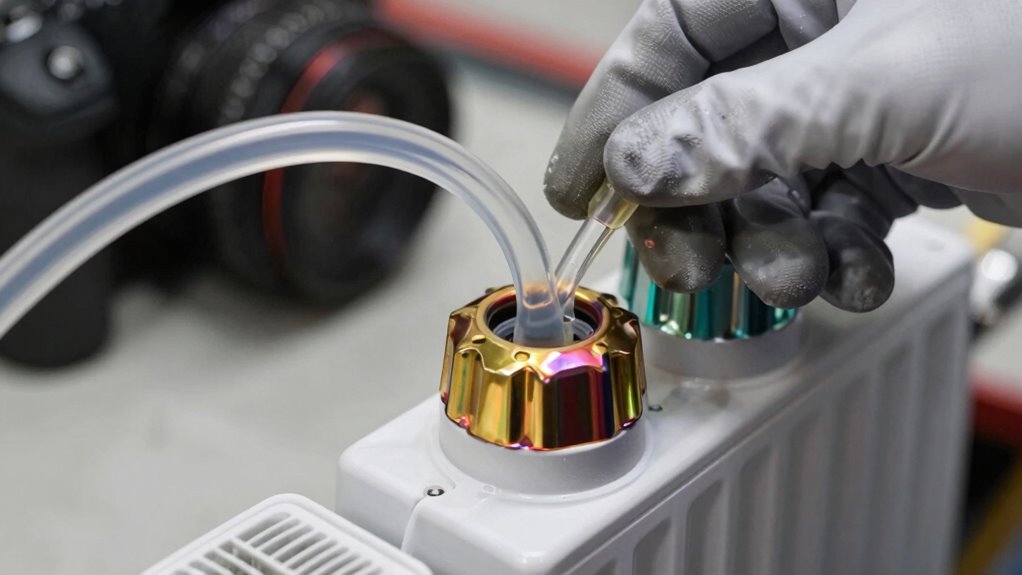
To keep your cooling system running smoothly and prevent air pockets, it’s important to follow specific tips during the refill process. Proper coolant system maintenance and air pocket prevention are key to avoiding overheating issues later on. First, always fill the system slowly, allowing air to escape as you go. Keep the engine off during filling to reduce turbulence. Next, gently squeeze the radiator hoses to help dislodge trapped air. Finally, run the engine with the radiator cap off for a few minutes, topping off coolant as needed. Be sure to check for bubbles rising to the surface, which indicates trapped air. Regularly inspecting and maintaining your cooling system helps prevent air pockets and keeps everything functioning efficiently.
- Use the correct coolant mixture and type
- Keep the vehicle on a level surface during refilling
- Bleed the system thoroughly after filling
- Monitor coolant levels regularly between maintenance sessions
Frequently Asked Questions
Can Air Pockets Cause Long-Term Engine Damage?
Yes, air pockets can cause long-term engine damage by disrupting your cooling system. When air entrapment occurs, it prevents proper coolant circulation, leading to overheating. Over time, this stress can damage engine components like the head gasket or pistons. To avoid this, make certain your cooling system is properly bled after coolant refills, preventing air pockets from forming and safeguarding your engine’s health.
How Often Should I Check for Air Pockets After a Refill?
You should check for air pockets after a coolant refill at least once or twice within the first week. Use coolant additives to help prevent air entrapment, and inspect the reservoir design to guarantee proper flow. Regularly monitor the coolant level and look for signs of overheating. If you notice anything unusual, revisit the refill process or consult a mechanic to avoid long-term engine damage caused by trapped air.
Are There Specific Coolant Types Less Prone to Air Entrapment?
You’ll find that certain coolant types, especially those with specific additives, are less prone to air entrapment. Generally, silicate or organic acid coolant formulas tend to flow more smoothly, reducing air pockets. Also, coolant color options like green, orange, or pink often indicate different formulations that can impact flow and venting. Always select a high-quality coolant compatible with your vehicle to minimize air pocket issues and ensure efficient heat transfer.
Does Driving Style Affect Air Pocket Formation?
Your driving habits and acceleration patterns can influence air pocket formation in your cooling system. Rapid acceleration or aggressive driving may cause fluctuations in coolant pressure, increasing the risk of air getting trapped. Consistent, smooth acceleration helps maintain proper coolant circulation, reducing air pockets. Regularly bleeding the cooling system after maintenance is essential, especially if your driving style tends to push the engine harder, to prevent overheating caused by trapped air.
Can a Faulty Radiator Cap Contribute to Air Pocket Issues?
A faulty radiator cap can definitely contribute to air pocket issues. When it fails to maintain proper pressure, it may not allow excess pressure to release correctly, leading to air being trapped in the cooling system. This trapped air creates pockets that hinder coolant flow and cause overheating. Regularly check your radiator cap to verify it’s functioning properly and maintains the correct pressure release, preventing air pockets and avoiding overheating problems.
Conclusion
If you overlook proper bleeding after a coolant refill, air pockets can cause overheating weeks later—like the mechanic who replaced a radiator but didn’t remove trapped air, leading to engine damage. To avoid this, always follow the correct bleeding procedure and watch for signs of air entrapment. Staying vigilant guarantees your cooling system runs smoothly, saving you time and costly repairs down the road. Don’t let a simple mistake turn into a major headache.