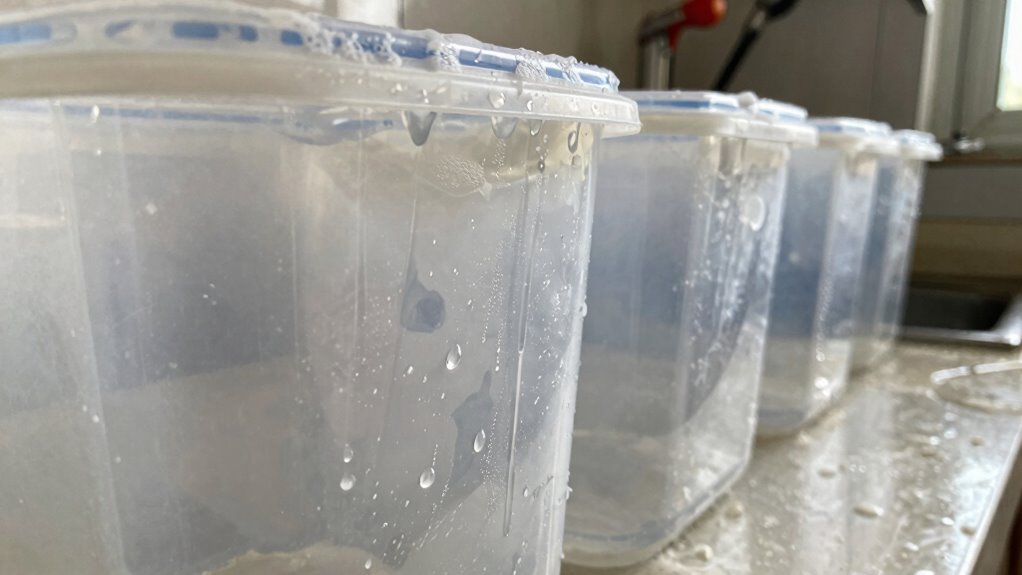

Rinsing containers with water alone might seem enough, but it often leaves behind bacteria, food residues, and biofilms that can cause odors and health issues. Porous plastic containers are especially tricky, as scratches and residues trap germs and debris. Proper cleaning involves scrubbing with soap and hot water, then disinfecting to truly eliminate bacteria. Keep going, and you’ll discover how to make your containers truly clean and safe.
Key Takeaways
- Rinsing alone often leaves food residues that can promote bacterial growth and biofilm formation.
- Simple rinsing does not effectively eliminate bacteria, risking contamination and odor issues.
- Plastic containers develop scratches that trap residues, making rinsing insufficient for thorough cleaning.
- Proper cleaning requires scrubbing with soap and hot water, not just rinsing, to ensure hygiene.
- Disinfecting containers after rinsing significantly reduces bacteria and improves overall cleanliness.
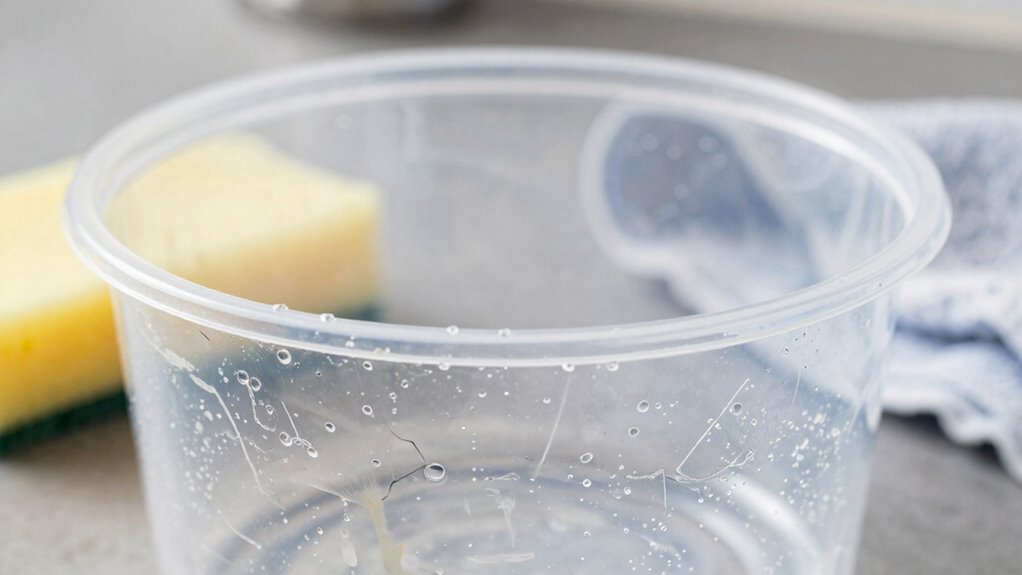
Have you ever considered how much bacteria and dirt can accumulate inside your containers? It’s a common oversight that many of us overlook, especially when we think a quick rinse is enough to keep things clean. But the truth is, rinsing alone often leaves behind food residue and bacteria that can thrive in the tiny cracks and crevices of your containers. The type of container material plays a significant role in how easily bacteria can cling to surfaces and how effectively rinsing can remove debris. For example, plastic containers tend to develop scratches over time, creating nooks where food residue can hide, making it harder to clean thoroughly. Glass and stainless steel, while generally easier to clean, aren’t completely immune to residue buildup, especially if you don’t scrub properly.
When you rinse your containers, you’re mainly removing surface dirt and some food particles, but that doesn’t guarantee all bacteria are gone. Food residue, even in small amounts, can become a breeding ground for bacteria if not cleaned properly. Rinsing with water alone often leaves behind sticky leftovers that cling stubbornly to container walls. Over time, these residues can accumulate and turn into a biofilm—a slimy layer that protects bacteria from cleaning efforts. This is particularly problematic with plastic containers, which are more porous and can absorb odors and residues, making them even harder to disinfect with just rinsing.
Your choice of container materials influences how well you can keep them clean. Plastic might be lightweight and convenient, but it’s more prone to staining and harboring bacteria in scratches. Glass and stainless steel containers are more durable and resistant to staining, but they still require proper cleaning routines. Rinsing isn’t enough for any of these materials because bacteria can cling tightly to the surface, especially if the containers aren’t scrubbed with soap and hot water. For truly hygienic containers, you need to go beyond rinsing—use proper washing techniques, including scrubbing and sometimes even disinfecting, to eliminate that stubborn food residue and bacteria. Recognizing the importance of proper cleaning techniques can significantly reduce health risks associated with contaminated containers.

MyLifeUNIT Paint Brush Cleaner, Stainless Steel Brush Holder, 10oz/Small
- Airtight Seal with Rubber Loop: Prevents solvent leaks and evaporation
- Versatile for Various Solvents: Suitable for water, oil, ink, and more
- Durable Stainless Steel Construction: Rust-resistant, strong, and long-lasting
As an affiliate, we earn on qualifying purchases.
As an affiliate, we earn on qualifying purchases.
Frequently Asked Questions
What Types of Containers Are Most Affected by Rinsing Habits?
You’ll find that plastic containers and glass jars are most affected by rinsing habits. Rinsing plastic containers repeatedly can cause the plastic to break down faster, leading to cracks and odors. Glass jars, although more durable, can also suffer from improper rinsing, which might weaken seals or cause buildup. To avoid damage, rinse these containers thoroughly but avoid excessive scrubbing or over-rinsing, preserving their longevity.
How Can I Tell if My Containers Are Properly Clean?
Like a trusty sidekick, you can tell if your containers are properly clean by checking for residue buildup. If you see sticky spots or lingering smells, your cleaning effectiveness is lacking. Use hot soapy water and scrub thoroughly, then let the container air dry. Properly cleaned containers should look and smell fresh, with no visible grime or odor. Remember, neglecting this step can lead to contamination and compromise your food safety.
Are There Alternative Cleaning Methods to Rinsing?
You can try natural cleaning methods like baking soda and vinegar, or use dish soap alternatives such as castile soap. These options effectively clean containers without the need for rinsing that might spread bacteria or residue. Simply scrub with a mixture of natural ingredients, then dry thoroughly. This approach reduces chemical use, keeps your containers hygienic, and prevents the common mistake of over-rinsing, which can trap dirt or bacteria inside.
Does Rinsing Affect the Longevity of Containers?
Rinsing can chip away at your container’s lifespan like a relentless tide. Over time, residue buildup from frequent rinsing can lead to container corrosion, weakening the material’s structure. You might think you’re protecting your containers, but instead, you’re subtly sabotaging them. To extend their longevity, consider alternative cleaning methods that avoid excessive rinsing, helping your containers stay sturdy and fresh longer, resisting the wear and tear of everyday use.
What Bacteria or Germs Are Most Commonly Spread by Rinsing?
When you rinse containers, you risk bacterial transfer and germ proliferation, especially if you don’t dry or sanitize them thoroughly. Common germs spread through rinsing include bacteria like Salmonella, E. coli, and Listeria. These microbes can thrive in damp environments, making rinsing without proper cleaning a potential health hazard. To prevent this, always wash containers with soap and hot water, then dry them completely to reduce germ spread.
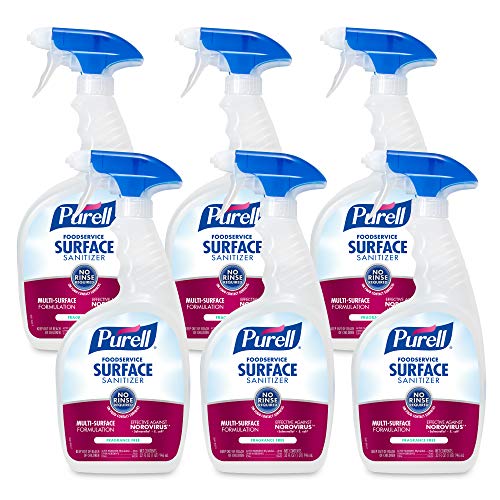
Purell Foodservice Surface Sanitizer Spray Bottle, 6ct x 32 fl oz – 3341-06
- Effective Germ-Kill: Kills 99.9% of viruses and bacteria
- Fast-Acting Formula: Eliminates COVID-19 in 10 seconds
- Versatile Surface Compatibility: Suitable for most surfaces, no rinse needed
As an affiliate, we earn on qualifying purchases.
As an affiliate, we earn on qualifying purchases.
Conclusion
Think about this: your rinsing habit might be doing more harm than good. The theory that rinsing thoroughly kills germs isn’t always true and can actually spread bacteria or leave residues behind. Maybe it’s time to reconsider your routine. Sometimes, less is more, and trusting the process can keep your containers truly clean. Don’t let a simple rinse trick you into thinking you’re doing enough—your health depends on it.
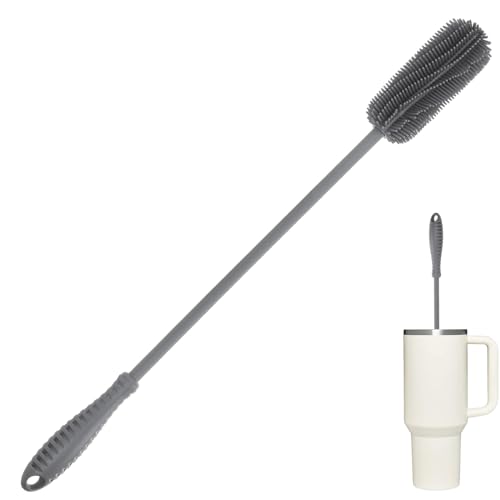
15.7" Silicone Bottle Brush, ddLUCK Water Bottle Cleaner Brush for Stanley, Hydroflasks, Glass, Thermos Sports Bottle, Vase and Glassware, Bottle Brush Cleaner for Small Narrow Neck Containers (Gray)
- Extended Handle Length: Up to 15.7 inches for easy reach
- Gentle Silicone Material: Durable and scratch-free cleaning
- Effective Deep Cleaning: 360-degree cleaning with wave-shaped head
As an affiliate, we earn on qualifying purchases.
As an affiliate, we earn on qualifying purchases.
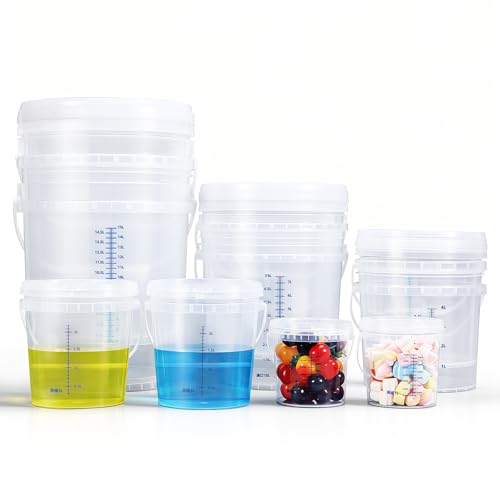
Plastic 5 Gallon Buckets with Scales, Food Grade Plastic Pail, Heavy-Duty, BPA-Free Container with Lids & Handles, Easy Stacking for Home/Commercial Use (2 sets each of : 5Gal 1 Qt, 3 Qt, 5 Qt, 10 Qt)
- Heavy-Duty Construction: Resists cracks and harsh disinfectants
- Calibrated Measurement Scales: Clear, easy-to-read, accurate for dilutions
- Ergonomic Handles: Non-slip grip reduces hand fatigue
As an affiliate, we earn on qualifying purchases.
As an affiliate, we earn on qualifying purchases.