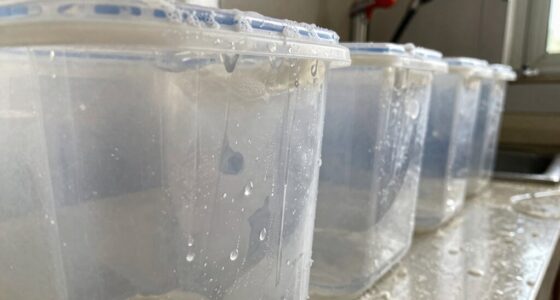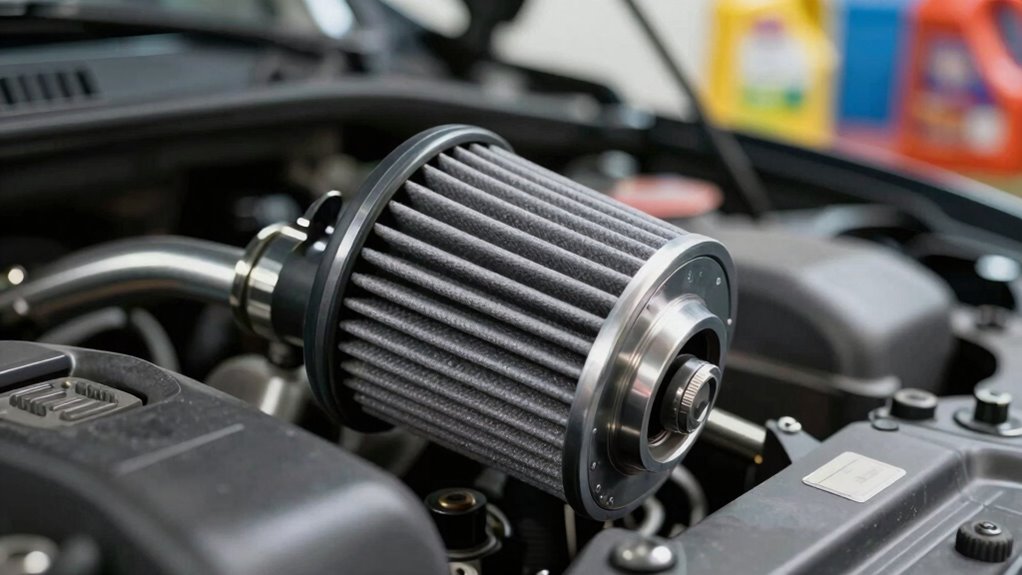
Filtering oil before you fill your equipment is a vital step to maintain a clean, contamination-free environment. It prevents dirt, debris, and moisture from entering the system, which can cause early filter wear and equipment damage. By taking this simple step, you guarantee your machinery starts with pristine oil, reducing maintenance costs and extending its lifespan. Keep this in mind, and you’ll see how this small action makes a big difference for your shop’s cleanliness and efficiency.

Get business pricing on garage and car supplies
- Business-only prices and quantity discounts
- Tax-exempt purchasing
- Multiple users, one account, clear invoices
Key Takeaways
- Filtering before filling removes dirt and debris, preventing contamination from entering the system.
- Clean fill points help maintain oil quality, extending filter and equipment lifespan.
- Proper filtration minimizes filter replacements and reduces maintenance costs over time.
- Ensuring shop cleanliness with filtered oil reduces the risk of equipment wear and failure.
- Implementing this step promotes overall operational efficiency and prolongs machinery service life.

Have you ever poured water into a container only to discover it’s dirty or contains debris? This simple mistake can lead to contamination and damage, and the same principle applies when filling a machine with new oil. Before you add fresh oil, it’s essential to verify that the fill point and the oil itself are free from contaminants. Skipping this step can introduce oil contamination, which not only compromises engine or equipment performance but also shortens the filter lifespan. When debris or dirt gets into the oil, it accelerates wear on internal components and clogs filters faster, forcing you to replace them more frequently and increasing maintenance costs.
The key to maintaining a clean, efficient system starts with a simple but often overlooked step: filtering before fill. By taking the time to inspect and clean the fill point and the surrounding area, you prevent dirt and debris from entering the oil during the fill process. This extra step helps keep the oil as clean as possible from the outset, reducing the risk of contamination. When you avoid introducing contaminants, your filters can work more efficiently and last longer, which means fewer replacements and less downtime. This is especially important for machinery that’s critical to your operations, where even small delays can cost a lot.
Additionally, filtering before fill guarantees that the new oil remains in pristine condition for as long as possible. Oil contamination isn’t always obvious, but tiny particles, dirt, or moisture can be lurking in the fill area or in the oil container itself. These contaminants can quickly degrade the oil’s quality, which makes the filter work overtime to catch debris it shouldn’t have to handle. Over time, this shortens the filter’s lifespan, forcing you to replace filters more often and increasing maintenance expenses. By preventing contamination upfront, you extend the life of your filters, saving money and reducing the risk of equipment failure.
Implementing this simple step also promotes better overall system health. Clean oil means better lubrication, less wear, and more reliable operation. It’s a small investment of time that pays off in the long run by improving equipment longevity and efficiency. Remember, the goal is to keep the oil as clean as possible from the moment it’s introduced. Filtering before fill isn’t just about cleanliness—it’s about protecting your machinery, saving on maintenance costs, and ensuring your operations run smoothly. So, next time you’re about to add new oil, take that extra moment to check and filter the fill point—your equipment will thank you. Proper filtration processes are essential for maintaining optimal equipment health.
As an affiliate, we earn on qualifying purchases.
Frequently Asked Questions
How Often Should the Filter Be Replaced During Oil Changes?
You should replace the filter during every oil change, following the recommended replacement schedule often found in your vehicle’s manual. Typically, filters have a lifespan of about 3,000 to 5,000 miles, but this can vary based on driving habits and oil type. Regular filter replacement ensures your engine stays clean and efficient, preventing dirt and debris from circulating. Stay on top of your maintenance to keep your engine running smoothly.
What Types of Filters Are Best for Different Vehicle Models?
Did you know that using the right filter can extend your engine’s life by up to 50%? When choosing filters for your vehicle, consider filter material—such as synthetic, cellulose, or blended—and filter sizing to guarantee a proper fit. For newer models, synthetic filters offer better durability and filtration, while older vehicles may benefit from cellulose filters. Always match the filter to your vehicle’s specifications for maximum performance.
Can I Reuse or Clean the Oil Filter?
You shouldn’t reuse or clean the oil filter because it’s designed for single use and oil filter maintenance. Reusing can cause debris to bypass the filter, risking engine damage. Instead, replace the filter during every oil change to guarantee maximum filter lifespan and engine protection. Proper filter maintenance keeps your engine running smoothly, and replacing it on schedule is the best way to maintain clean oil and avoid costly repairs.
How Does Filter Quality Impact Engine Performance?
Think of your engine as a busy city, where filter quality is the traffic signal guiding flow. High filter efficiency ensures your oil flows smoothly, like a clear highway, preventing debris from clogging the system. When the filter is exemplary, engine performance stays sharp, fuel efficiency improves, and wear decreases. Poor quality filters choke oil flow, causing sluggish performance and potential damage. Choose quality filters to keep your engine humming like a well-tuned symphony.
Are There Specific Signs Indicating a Filter Needs Immediate Replacement?
You’ll want to replace your filter immediately if you notice filter clogging, reduced engine performance, or unusual noises. A clogged filter hampers oil flow, risking engine damage. Keep an eye on your filter’s lifespan; if it’s overdue, replace it to maintain proper lubrication. Regular inspections help you catch signs early, ensuring your engine runs smoothly and avoiding costly repairs down the line.
As an affiliate, we earn on qualifying purchases.
Conclusion
Think of your oil system as a clear pond—you’ll want to keep it pristine. Filtering before filling is like skimming debris from the surface, ensuring only pure, fresh water flows in. Skip this step, and dirty particles could cloud your entire operation. By choosing to filter first, you’re acting as the diligent gardener tending your pond, maintaining a clean, healthy environment. Keep it spotless, and your oil will stay fresh, just like that crystal-clear pond.
As an affiliate, we earn on qualifying purchases.
As an affiliate, we earn on qualifying purchases.
Fall Picks
fall essentials
As an affiliate, we earn on qualifying purchases.