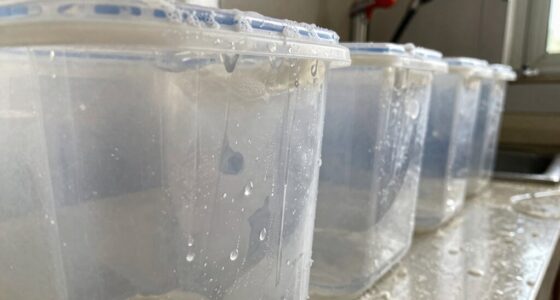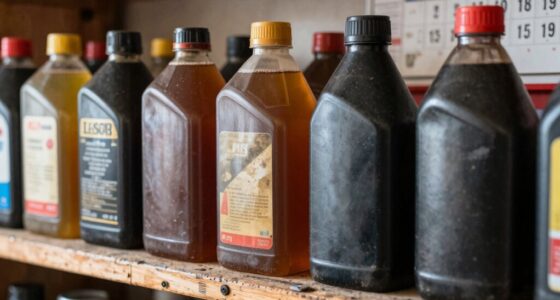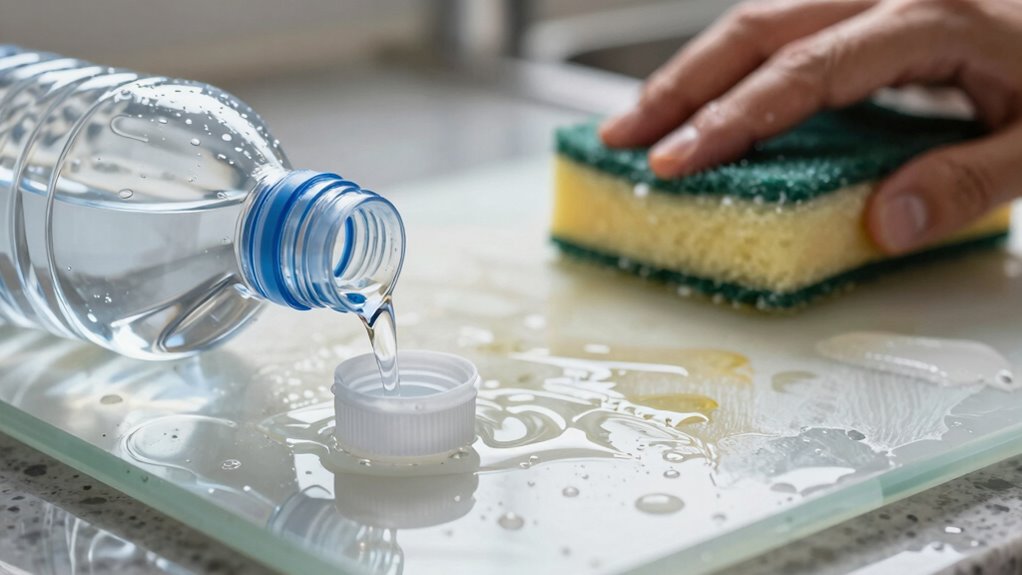

Fluid cross-contamination can happen silently in three key spots: during handling when splashes spread fluids to nearby surfaces or your hands; through shared tools and utensils that transfer fluids between items without noticing; and via residual droplets left on equipment or surfaces after use. These sneaky points make it easy to overlook contamination risks. If you want to stay ahead and prevent unseen spread, there’s more to uncover about keeping things safe and clean.

Get business pricing on garage and car supplies
- Business-only prices and quantity discounts
- Tax-exempt purchasing
- Multiple users, one account, clear invoices
Key Takeaways
- Splash zones during handling or transfer can silently spread fluids to nearby surfaces.
- Shared tools and utensils often transfer fluids between different substances unnoticed.
- Hidden residues and droplets remain on equipment, surfaces, or within crevices after use.
- Airborne droplets from splashes or aerosols can carry fluids to distant areas.
- Improper cleaning or storage allows fluids to persist, leading to unnoticed cross-contamination.
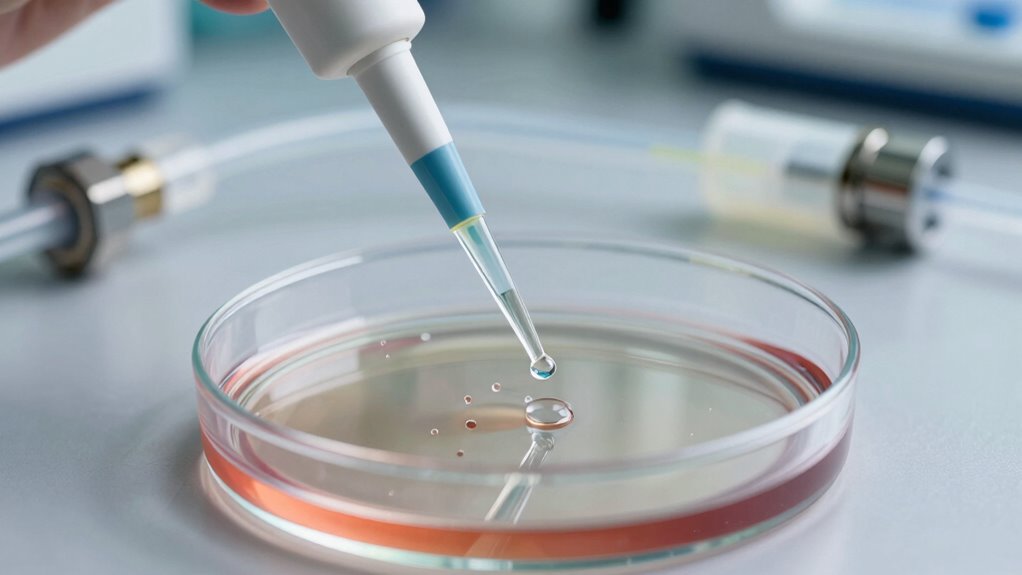
Have you ever considered how easily fluids can cross-contaminate each other in various settings? It’s a common scenario that often goes unnoticed, especially in environments where hygiene is critical. From kitchens to laboratories, the transfer of liquids can happen in subtle ways, making contamination prevention essential. Without proper cleaning protocols in place, pathogens or unwanted substances can spread rapidly, risking health and safety. It’s important to understand that fluid cross-contamination isn’t always obvious; tiny splashes, shared tools, or even the air can carry contaminants from one surface or substance to another.
Fluid cross-contamination can occur subtly through splashes, shared tools, or air, risking safety and cleanliness.
In many workplaces, especially where food or medical supplies are involved, strict cleaning protocols are your first line of defense. These procedures aren’t just about making things look clean—they’re about actively reducing the risk of contamination. Regularly disinfecting surfaces, tools, and equipment ensures that residual fluids from one task don’t linger and transfer to the next. For example, using different utensils for raw and cooked foods, or cleaning medical instruments thoroughly between uses, prevents the unintended spread of bacteria or viruses. When cleaning protocols are lax or poorly followed, these tiny fluid transfers can lead to outbreaks or compromised product safety.
Contamination prevention isn’t solely about cleaning; it’s also about understanding how fluids move and where they can hide. You should always be mindful of splash zones, shared containers, or even the design of equipment that could trap residues. Proper storage and handling techniques help minimize fluid contact between different items or substances. For instance, sealing liquids tightly or avoiding cross-utilization of shared containers reduces the chance of fluids crossing paths. In environments like laboratories or hospitals, where precision and safety are paramount, these small steps make a big difference. Recognizing fluid pathways and potential contamination points is crucial to maintaining safety.
Furthermore, training staff on the importance of contamination prevention reinforces good practices. When everyone understands how easily fluids can transfer and the potential consequences, they’re more likely to follow strict cleaning protocols. Regular audits and updates to procedures ensure that safety measures evolve with new challenges. It’s not enough to clean once; cleaning should be a continuous process, especially in high-risk areas. By maintaining vigilance and adhering to thorough cleaning protocols, you reduce the chances of unnoticed cross-contamination, protecting health and ensuring quality.
In essence, understanding how fluids cross-contaminate and implementing robust contamination prevention strategies are crucial. It’s about creating a culture of cleanliness, where prevention becomes second nature. When you stay attentive to these details, you’re actively safeguarding your environment, whether it’s a kitchen, lab, or medical facility. Small actions, consistent protocols, and awareness make all the difference in keeping fluids from unknowingly spreading harmful contaminants.
As an affiliate, we earn on qualifying purchases.
Frequently Asked Questions
How Can Cross-Contamination Occur in Supposedly Sterile Environments?
Cross-contamination can occur in sterile environments if cleaning protocols and sterilization methods aren’t properly followed. You might inadvertently transfer fluids or microbes from contaminated surfaces or instruments if you skip or rush cleaning steps. Even tiny gaps in sterilization, like uncleaned equipment or improper handling, can introduce contaminants. To prevent this, you need meticulous adherence to protocols and correct sterilization procedures, ensuring no cross-contamination happens unnoticed.
What Are Common Household Sources of Fluid Cross-Contamination?
Fluid cross-contamination in your home is like a silent ripple, spreading unseen. You may unknowingly facilitate it through poor cleaning routines and storage practices—such as reusing sponges, storing raw meats near produce, or neglecting to disinfect cutting boards. Regularly sanitize surfaces, keep raw foods separate, and wash utensils thoroughly. These simple habits help prevent bacteria from crossing paths, keeping your household safer and healthier.
Can Cross-Contamination Happen Through Airborne Fluids?
Yes, cross-contamination can happen through airborne transmission via fluid aerosolization. When you breathe, talk, or cough, tiny fluid droplets become aerosolized and linger in the air, potentially carrying pathogens. If you’re in an environment with contaminated surfaces or other infected individuals, these aerosols can settle on surfaces or be inhaled, spreading bacteria or viruses unknowingly. Proper ventilation and mask use can markedly reduce this risk.
How Do Personal Habits Contribute to Unnoticed Fluid Cross-Contamination?
A chain is only as strong as its weakest link, and your personal habits can unknowingly contribute to fluid cross-contamination. Neglecting hygiene, like skipping handwashing or touching your face, allows bacteria and fluids to spread without noticing. Small daily habits add up, spreading germs in subtle ways. Pay attention to hygiene, because neglecting it creates opportunities for contamination to occur unnoticed, putting everyone at risk.
Are There Specific Tools or Equipment Prone to Unnoticed Contamination?
You should be aware that certain tools and equipment, like shared utensils or poorly designed machinery, are prone to unnoticed contamination. Cleaning protocols often overlook hard-to-reach areas, allowing fluids to linger. Equipment design plays a big role too, with crevices or porous surfaces trapping fluids. Regularly inspect and clean all tools thoroughly, especially those with complex shapes or materials, to prevent cross-contamination without you noticing.
As an affiliate, we earn on qualifying purchases.
Conclusion
Now that you know the hidden spots where fluid cross-contamination sneaks in, stay vigilant. Imagine your work environment as a busy kitchen, where unseen splashes and spills can quietly mingle, contaminating everything. By paying attention to these three key areas, you’re like a skilled chef, keeping your space safe and pure. Don’t let invisible messes linger—spot them early, and maintain a clean, healthy flow that keeps everything running smoothly.
As an affiliate, we earn on qualifying purchases.
As an affiliate, we earn on qualifying purchases.
Fall Picks
fall essentials
As an affiliate, we earn on qualifying purchases.