
Oil additive boosters may seem like a quick fix, but they can pose significant risks if they’re unstable or incompatible with synthetic oils. Poorly formulated boosters can cause deposits, sludge, and even damage your engine over time. Since many products aren’t well-regulated, you might unknowingly introduce ingredients that disrupt your engine’s chemistry and emission systems. To protect your engine’s health and performance, it’s better to choose reputable, compatible products—more details await if you keep exploring.
Key Takeaways
- Many boosters contain ingredients incompatible with synthetic oils, risking chemical reactions that harm engine performance.
- Unstable additives can cause sludge buildup, engine wear, and reduce oil effectiveness over time.
- Lack of regulation and testing can lead to formulations that destabilize synthetic oils and damage engine parts.
- Poorly formulated boosters may disrupt emission systems, increasing emissions and causing costly repairs.
- Choosing reputable, compatible products ensures additive stability, protecting engine health and maintaining oil benefits.

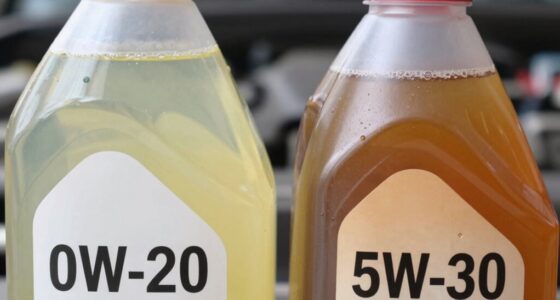
Oil additive boosters have become popular among drivers looking to enhance their engine’s performance and longevity. These products promise to reduce wear, improve fuel efficiency, and keep your engine running smoothly. But before you reach for that bottle, it’s important to understand what you’re really adding to your engine. Many additives claim to work with synthetic blends, which are designed to offer better protection and performance than conventional oils. However, not all additives maintain the stability necessary to work effectively with these advanced oils. Additive stability is vital because it determines whether the booster will mix well without breaking down or causing unwanted chemical reactions.
Not all additives are compatible with synthetic oils; stability is key to engine protection.
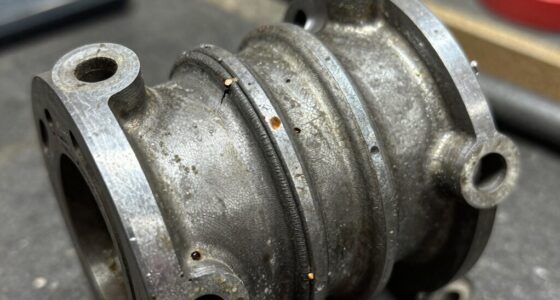
When you add a booster to synthetic blends, you might assume it’s a straightforward upgrade. In reality, many of these products contain chemicals that can compromise the stability of your oil’s formulation. This instability can lead to the formation of deposits, sludge, or even cause your oil to break down prematurely. Over time, this can diminish the very benefits synthetic blends are meant to provide, such as better lubrication, cleaner engine parts, and longer oil change intervals. Instead of helping your engine, poorly formulated additives can do the opposite, leading to increased wear and potentially costly repairs.
Another risk stems from the fact that some additive boosters are not well-regulated or tested for compatibility with different types of engine oils. Manufacturers often market these boosters as a quick fix, but they may contain ingredients that interfere with the delicate chemical balance in synthetic oils. This interference can reduce additive stability, causing the oil to become less effective at protecting your engine. In some cases, the booster may even cause the additive package within your oil to destabilize, leading to inconsistent performance and increased engine stress.
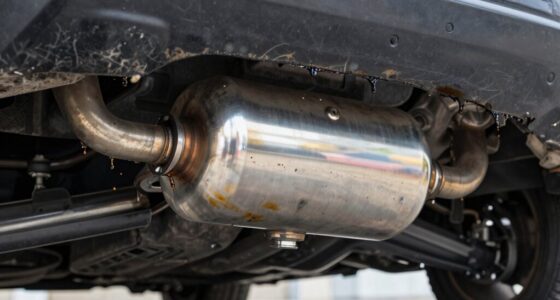
Furthermore, using boosters with poor additive stability can also affect your engine’s emission systems. Modern engines rely heavily on the chemical balance within the oil to keep components like the catalytic converter functioning properly. Disrupting this balance with unstable additives can result in increased emissions, reduced fuel economy, and the need for more frequent repairs. Given these risks, it’s clear that not all oil additive boosters are worth the gamble. If you want to protect your engine and guarantee it performs at its best, it’s better to stick with reputable products designed specifically for use with synthetic blends and that guarantee additive stability. Ensuring additive compatibility is crucial for maintaining your engine’s health and performance over time.

Liqui Moly MoS2 Anti-Friction Engine Treatment | 300 ml | Oil additive | SKU: 2009
Motor oil additive – Liqui Moly MoS2 anti-friction (300 ml. Can).Fit Type: Universal
As an affiliate, we earn on qualifying purchases.
As an affiliate, we earn on qualifying purchases.
Frequently Asked Questions
Can Oil Additive Boosters Improve Engine Performance Significantly?
Oil additive boosters can provide some improvements in engine performance, especially with synthetic blends that benefit from enhanced additive chemistry. However, the gains are often minimal and temporary. You might notice smoother operation or slight power boosts, but overuse or reliance on these boosters can cause long-term issues. It’s best to focus on quality oil and regular maintenance rather than depending heavily on additive chemistry for significant performance gains.
Are Oil Additive Boosters Compatible With All Vehicle Types?
Oil additive boosters aren’t compatible with all vehicle types, especially newer models that use synthetic oils designed for specific formulations. You should check your vehicle’s manual before adding them, as improper use can harm your engine. While boosters might promise increased fuel efficiency, they can disrupt your engine’s chemistry and cause long-term damage. Always prioritize manufacturer recommendations to keep your vehicle running smoothly and avoid costly repairs.
Do Oil Additive Boosters Void Vehicle Warranties?
Using oil additive boosters can void your vehicle warranty if they aren’t approved by the manufacturer. You might also face insurance implications if damage occurs and the booster is found to have contributed, especially if it wasn’t recommended. Always check for manufacturer approval before using such products, and keep records to avoid disputes. Failing to do so could lead to costly repairs that aren’t covered under warranty or insurance.
How Often Should Oil Additive Boosters Be Used?
You should use oil additive boosters sparingly, typically every 3,000 to 5,000 miles, depending on your engine compatibility and manufacturer recommendations. Overusing them can cause buildup or imbalance in your oil, potentially harming your engine. Always check your vehicle’s manual for the suggested additive frequency, and consult a mechanic if you’re unsure. Moderation is key to ensuring your engine benefits without risking damage.
What Are the Signs of Negative Effects From Using Boosters?
You might notice engine knocking or increased oil contamination if boosters negatively affect your engine. Studies show that improper use can lead to engine damage in up to 30% of cases. Signs include rough idling, decreased performance, or dark, dirty oil. If you see these, stop using boosters immediately. Ignoring these effects can cause long-term damage, so stay alert to these warning signals and maintain regular oil checks.

Lucas Oil 10001 Heavy Duty Oil Stabilizer – 1 Quart
The world’s #1 oil additive
As an affiliate, we earn on qualifying purchases.
As an affiliate, we earn on qualifying purchases.
Conclusion
While oil additive boosters might seem like an easy fix, they often do more harm than good. For example, a car owner who used a popular booster experienced engine damage due to clogged oil passages, all while believing they were protecting their engine. Before trying these products, consider consulting a mechanic. Sometimes, sticking to manufacturer-recommended oils and maintenance is the safer, smarter choice to keep your engine running smoothly long-term.

Dura Lube HL-40831-06 Sludge Away Engine Cleaner, 32-Ounce, Single,Black Bottle
Reduces sludge buildup and prevents oil coking
As an affiliate, we earn on qualifying purchases.
As an affiliate, we earn on qualifying purchases.

Lucas Oil 10026 Octane Booster – 15 Ounce
Suitable for use in fuel injected and carbureted engines
As an affiliate, we earn on qualifying purchases.
As an affiliate, we earn on qualifying purchases.