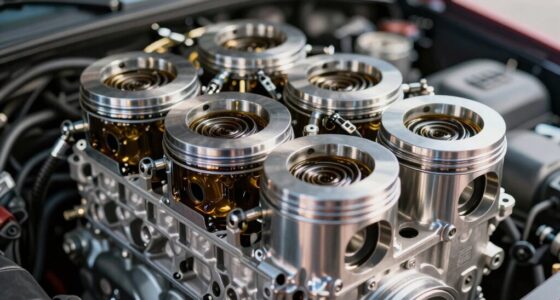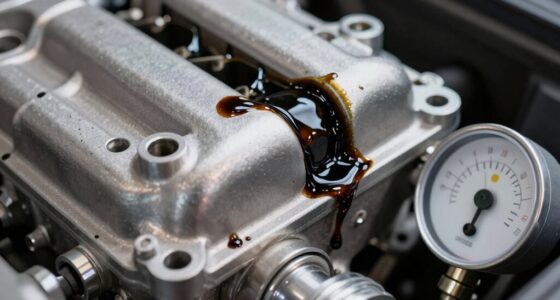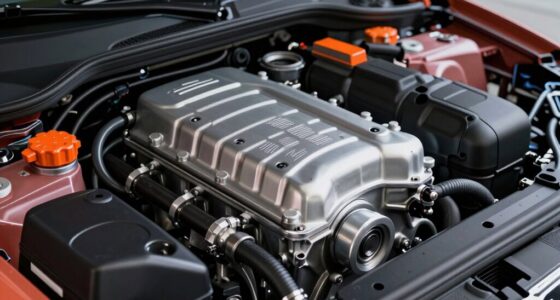

Using low-SAPS fuels and oils isn’t just a buzzword—it’s essential for reducing ash buildup in your DPF. High-SAPS products contain additives that leave inorganic residues, which accumulate over time and clog the filter. This buildup increases backpressure, affects engine performance, and shortens the DPF’s lifespan. Managing ash levels through proper fuel choices helps minimize maintenance and keeps your vehicle running smoothly. Want to understand how to optimize your DPF’s health? Keep going.

Get business pricing on garage and car supplies
- Business-only prices and quantity discounts
- Tax-exempt purchasing
- Multiple users, one account, clear invoices
Key Takeaways
- Low-SAPS oils and fuels produce less inorganic ash, reducing buildup inside the DPF.
- Using low-SAPS formulations extends DPF service life by minimizing ash-related backpressure.
- Ash from traditional fuels accelerates DPF clogging, leading to more frequent regeneration cycles.
- Managing ash load through low-SAPS products helps maintain optimal filter performance and engine efficiency.
- ‘Low-SAPS’ is a crucial preventive measure, not just a marketing buzzword, for DPF longevity.
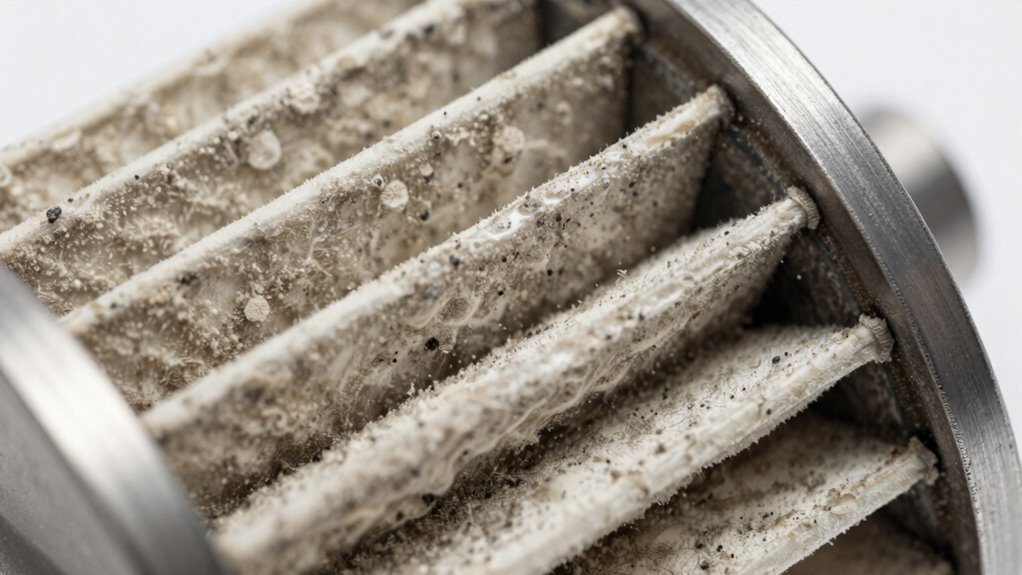
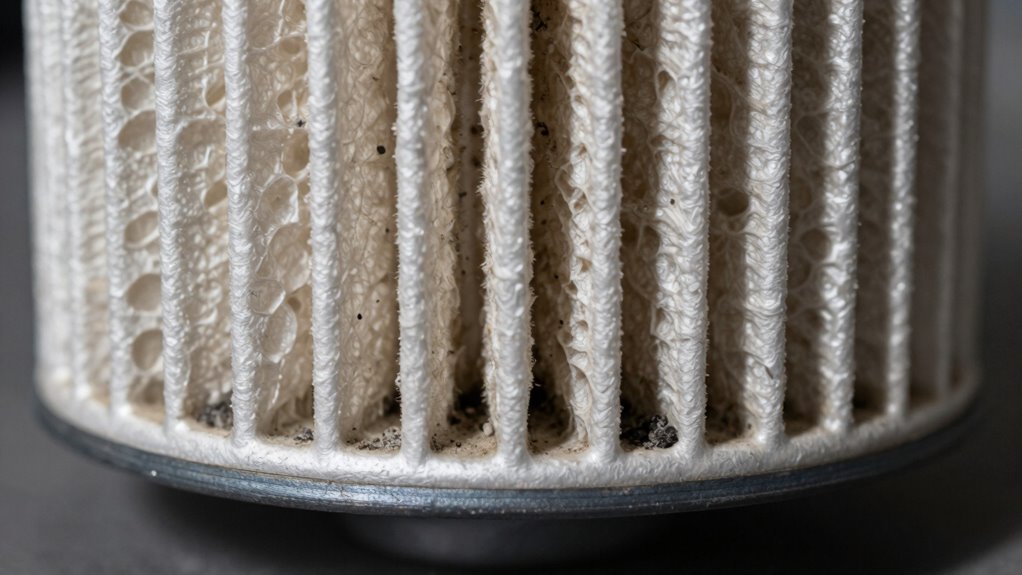
Have you ever wondered what happens inside a diesel particulate filter (DPF) as it captures soot? When your vehicle runs, the DPF traps the tiny particles from exhaust gases to reduce emissions. Over time, though, the filter becomes loaded with ash—a residue from fuel additives, lubricants, and the combustion process itself. This buildup affects how often your DPF needs regeneration, which is the process that burns off accumulated soot to keep the filter functioning efficiently. If the regeneration frequency increases, it signals that the ash load is too high, and you might experience reduced engine performance or even DPF failure. That’s why understanding ash removal methods becomes essential to maintain ideal DPF health.
Ash isn’t burned away during regeneration because it’s inorganic material. Instead, it remains inside the filter, gradually filling the pore spaces and reducing its ability to trap soot. When ash load reaches a certain threshold, it can cause increased backpressure, leading to engine power loss and higher fuel consumption. To combat this, vehicle manufacturers and operators rely on specific ash removal methods. These include manual ash cleaning, where the DPF is physically removed and cleaned with specialized equipment, and in-situ cleaning techniques, like ultrasonic cleaning or chemical treatments, which help loosen and extract ash without removing the filter. Some advanced systems incorporate regeneration strategies that minimize ash buildup by optimizing soot burning cycles, but ash accumulation still requires periodic removal. Additionally, ash accumulation can be influenced by the type of fuel and additives used, making preventive measures crucial.
The key to avoiding frequent and costly DPF interventions is understanding the balance between regeneration frequency and ash buildup. If you notice your vehicle’s warning lights or a decline in performance, it might be time to check the ash load and consider appropriate ash removal methods. Regular maintenance, including using low-SAPS (sulfated ash, phosphorus, and sulfur) oils and fuels, can slow ash accumulation, prolonging the intervals between cleaning. Low-SAPS oils produce less ash during combustion, resulting in lower ash loads and fewer forced maintenance procedures.
As an affiliate, we earn on qualifying purchases.
Frequently Asked Questions
How Does Ash Load Affect DPF Regeneration Frequency?
Ash load increases the frequency of DPF regeneration cycles because accumulated ash reduces filter efficiency, making it harder to burn off soot during normal regeneration. You need to perform ash removal regularly to prevent excessive buildup, which can trigger more frequent, sometimes unnecessary, regeneration cycles. Keeping ash load low helps maintain ideal DPF performance, reduces strain on the system, and minimizes downtime caused by excessive regeneration needs.
Can Low-Saps Oils Prevent Ash Buildup?
You can prevent ash buildup with low-SAPS oils, but only if the oil formulation and additive compatibility are up to par. These oils are designed to generate less ash, helping you keep your DPF cleaner longer. However, if the additives aren’t compatible, they might still cause buildup. It’s a case of “a stitch in time saves nine,” so choose your oil wisely to keep your system running smoothly.
What Are the Long-Term Effects of High Ash Load?
High ash load can cause your engine to run less efficiently over time, leading to increased emissions and potential damage to your exhaust system. If you don’t monitor your engine oil formulations and neglect exhaust system maintenance, ash buildup may clog filters and reduce performance. Regularly using low-SAPS oils and performing maintenance helps prevent long-term issues, ensuring your engine stays clean and operates smoothly for years to come.
How Is Ash Load Measured in DPFS?
When it comes to measuring ash load in DPFs, you’re fundamentally reading the sensor calibration to determine ash accumulation. You can do this through onboard diagnostics or specialized ash sensors that detect changes in exhaust flow or pressure. Regular ash removal methods, such as cleaning or regeneration, help keep readings accurate. Think of it as keeping your finger on the pulse—you need precise data to prevent damage and optimize performance.
Are There Specific Driving Conditions That Reduce Ash Accumulation?
Certain driving conditions can reduce ash accumulation in your DPF. You should maintain proper engine oil and develop good driving habits, like regular highway driving at steady speeds, which promote complete regeneration. Avoid frequent short trips and idling, as they cause incomplete burns and ash buildup. Using low-SAPS engine oil also helps minimize ash deposits, ensuring your DPF stays cleaner longer and performs efficiently.
As an affiliate, we earn on qualifying purchases.
Conclusion
As you consider your DPF ash load, remember it’s not just a buzzword—it’s like a quiet weight settling inside your filter, gradually clouding its performance. Think of it as ash building up like sediment in a river, slowly narrowing the flow. Keeping an eye on low-SAPS formulations helps clear the path, ensuring your engine breathes freely. Don’t let unseen buildup turn your drive into a struggle; stay proactive, and keep your system running smoothly.
diesel particulate filter maintenance tools
As an affiliate, we earn on qualifying purchases.
As an affiliate, we earn on qualifying purchases.
As an affiliate, we earn on qualifying purchases.
Halloween Picks
halloween
As an affiliate, we earn on qualifying purchases.