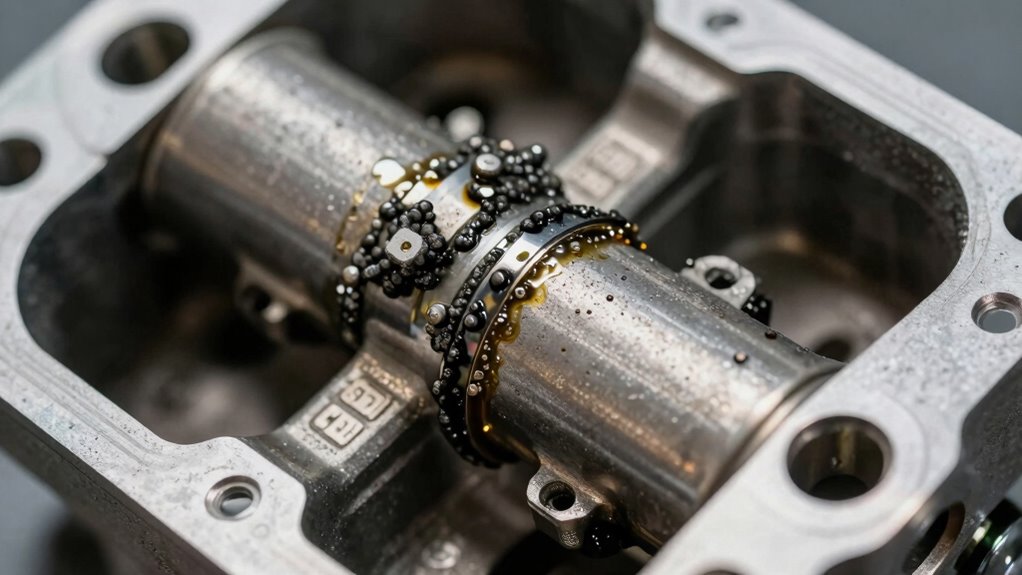

Engine oil helps keep your engine’s internal parts clean and prevents sludge buildup but can’t dissolve or remove intake valve deposits caused by fuel vapors and carbon buildup in GDI engines. While high-quality oils with detergents support overall engine health, they don’t target deposits on intake valves. To manage these deposits effectively, you need dedicated fuel additives and proper maintenance methods. Keep exploring to find out what really works for keeping your engine clean.
Key Takeaways
- Engine oil mainly lubricates and cleans internal parts but does not actively remove or dissolve intake valve deposits.
- Some oils contain detergents that help prevent sludge and varnish in the engine but do not target intake valve buildup.
- Oil cannot dissolve or flush existing deposits on intake valves; dedicated fuel additives are required for deposit removal.
- Regular use of intake valve-specific fuel treatments can help slow deposit formation in GDI engines.
- Proper maintenance combines targeted fuel additives and professional cleaning, as oil alone cannot manage intake valve deposits.
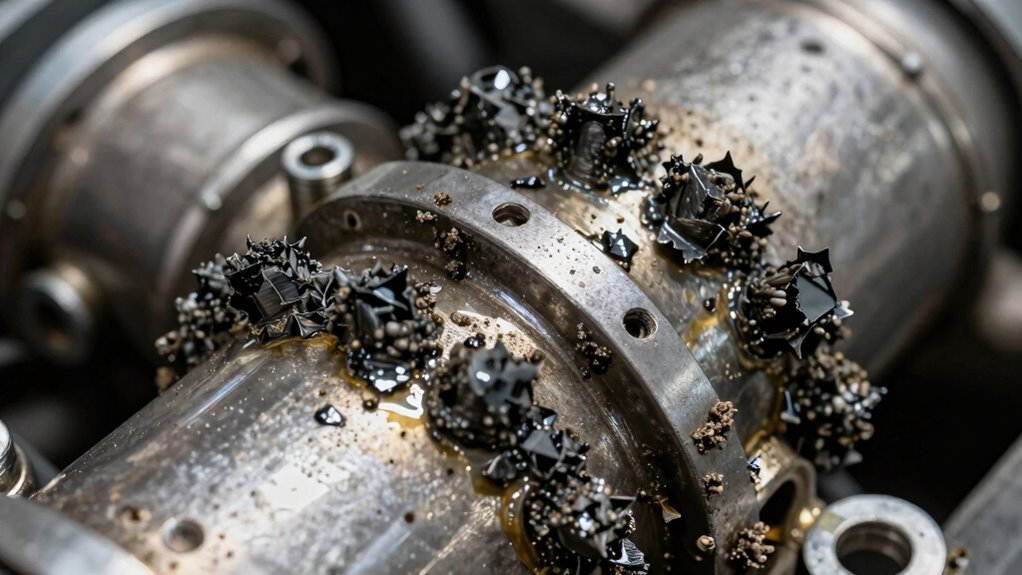
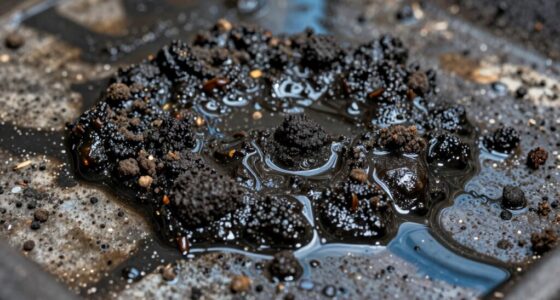
Direct-injection gasoline engines (GDI) are praised for their fuel efficiency and power, but they also face a common problem: intake valve deposits. These deposits form when fuel vapors and carbon buildup cling to the intake valves, impairing airflow and reducing engine performance. As deposits accumulate, you might notice rough idling, decreased fuel economy, or even misfires. To combat this, many car owners turn to fuel additives designed for engine cleaning. These additives are formulated to dissolve and remove deposits, helping keep the intake valves cleaner over time. Using high-quality fuel additives can be an effective way to maintain engine health without costly repairs, especially if you regularly fill up at stations with reputable fuel.
GDI engines face intake valve deposits; fuel additives help keep valves clean and improve performance.
However, it’s important to understand what oil can influence in this process. While oil plays an essential role in lubricating engine components and preventing wear, it doesn’t directly eliminate intake valve deposits caused by fuel vaporization and carbon buildup. Some oils contain detergents and dispersants that help keep engine parts clean, but their primary function is to prevent sludge and varnish formation within the crankcase and oil passages. They don’t actively dissolve or remove the deposits forming on intake valves. This means that relying solely on engine oil for cleaning intake valves isn’t effective. Instead, dedicated fuel system cleaners and specific engine cleaning treatments are your best options for targeting these deposits. Understanding the limitations of engine oil is crucial for effective maintenance.
In many cases, you’ll want to use a combination of strategies to prevent buildup. Regularly using fuel additives designed for intake valve cleaning can slow the accumulation of deposits, especially if your vehicle is prone to carbon buildup or if you frequently operate in conditions that promote deposit formation. Additionally, scheduling periodic professional cleaning or using in-tank fuel system cleaners can help maintain ideal airflow and engine performance. Remember, though, that not all fuel additives are created equal. Look for products with proven effectiveness for cleaning intake valves and follow the manufacturer’s instructions carefully.
Ultimately, maintaining a clean intake system involves understanding what your engine oil can and cannot do. While good oil helps keep internal components running smoothly, it doesn’t actively remove deposits on intake valves. Instead, focus on using targeted fuel additives and engine cleaning solutions to address these specific issues. Doing so will help preserve your GDI engine’s performance, fuel efficiency, and longevity, keeping you on the road with fewer worries about deposit-related problems.

CRC GDI IVD Intake Valve & Turbo Cleaner
Proven to clean intake valves on GDI engines and turbo systems
As an affiliate, we earn on qualifying purchases.
As an affiliate, we earn on qualifying purchases.
Frequently Asked Questions
Can Engine Design Affect Intake Valve Deposit Formation?
Yes, engine design affects intake valve deposit formation. Valve geometry influences how air and fuel mix, impacting deposit buildup. A well-designed combustion chamber promotes efficient combustion, reducing deposit accumulation on intake valves. Conversely, poor valve geometry or chamber design can create areas where deposits form more easily. Thus, optimizing these aspects helps minimize intake valve deposits, regardless of oil quality.
How Does Ambient Temperature Influence Deposit Accumulation?
Ambient temperature profoundly influences deposit accumulation on GDI intake valves. Temperature fluctuations can cause oil to evaporate or condense differently, affecting deposit formation. Higher temperatures tend to increase carbon buildup, while cooler temps may slow it down. Humidity impact also matters; high humidity can promote moisture-related deposits, worsening buildup. You should consider these factors when choosing oils and maintenance routines to minimize deposit issues and keep your engine running smoothly.
Are There Specific Driving Habits That Prevent Deposits?
Did you know that regular driving habits can reduce intake valve deposits by up to 50%? You can prevent deposits by adopting driving techniques like avoiding short trips, which cause incomplete combustion, and maintaining steady speeds. Incorporate routine maintenance routines, such as periodic oil changes with high-quality oil, to keep deposits at bay. These habits guarantee your engine stays cleaner longer, improving performance and longevity.
Can Aftermarket Oils Reduce Deposit Buildup Effectively?
Yes, aftermarket oils can reduce deposit buildup effectively if you choose oils with proper viscosity and high-quality additives. Look for oils designed for GDI engines, as they contain detergents that clean and prevent deposits. Using the right viscosity ensures proper flow and lubrication, while high-quality additives combat carbon buildup. Regular oil changes with these oils help keep intake valves cleaner and improve engine performance over time.
Do Fuel Additives Help in Cleaning Intake Valve Deposits?
Did you know that using fuel additives can reduce intake valve deposits by up to 50%? Yes, fuel additives help clean the fuel system and prevent deposits from forming. They work by breaking down buildup and keeping the intake valves cleaner. Regular use supports deposit prevention, improving engine performance and efficiency. So, if you’re aiming for a cleaner engine, incorporating fuel additives into your routine can make a noticeable difference.

Red Line 60103 SI-1 Complete Fuel System Cleaner, Cleans and Prevents Corrosion in Fuel Systems, Cleans Injectors, Carburetors, Valve and Combustion Chamber Deposits – 15 Ounce (2 Pack)
DESIGNED TO EXCEED EXPECTATIONS: Red Line complete SI-1 fuel system cleaner treatment for cleaning and preventing corrosion in…
As an affiliate, we earn on qualifying purchases.
As an affiliate, we earn on qualifying purchases.
Conclusion
While choosing the right oil can help reduce intake valve deposits, it’s not a magic fix. You might keep your engine cleaner, yet still face buildup from other sources like fuel quality or driving habits. Think of oil as your first line of defense—powerful, but not foolproof. Staying proactive means understanding what influences deposits and what doesn’t, so you can make smarter choices for your engine’s health and longevity.

YehVeh 3 Pack Carbon Dirt Cleaning Brush Carburetor Cleaner Car Engine Air Inlet Tool Kit Long Nylon Brushes Drill Attachment for Auto Carbon Deposit Combustion Chamber Cylinder
Package Included: 3x Car Engine Cleaning Brush.
As an affiliate, we earn on qualifying purchases.
As an affiliate, we earn on qualifying purchases.

YUANRI Fuel Injector Cleaner Kit, Non-dismantle Automotive Fuel System Cleaning Kit 1000ML 150PSI Fuel Injector Cleaning Kit for Gasoline Car Intake Valve/Throttle Body/Catalytic Converter Cleaning
1.【Multi-Function fuel injector cleaning kit】 – This fuel injector cleaning kit delivers both high and low-pressure cleaning to…
As an affiliate, we earn on qualifying purchases.
As an affiliate, we earn on qualifying purchases.