
Idling hours are a more accurate indicator of oil aging than mileage because they reveal how long your engine runs without moving. Excessive idling causes more engine wear, heat buildup, and quicker oil deterioration, which miles alone can’t detect. Monitoring idle time helps you identify inefficiencies and optimize maintenance, ultimately extending engine life. Keep going to discover how tracking idle hours can improve your fleet’s health more effectively than mileage alone.

Get business pricing on garage and car supplies
- Business-only prices and quantity discounts
- Tax-exempt purchasing
- Multiple users, one account, clear invoices
Key Takeaways
- Idling hours indicate engine runtime without movement, directly correlating with oil degradation risk.
- Mileage alone doesn’t account for engine wear caused by unnecessary idling, making idle hours a better predictor.
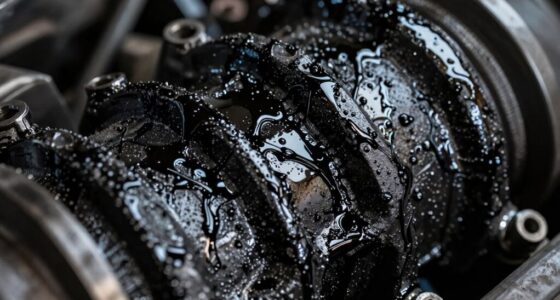
- High idle times increase engine heat and contaminant buildup, accelerating oil aging more than mileage.
- Monitoring idle hours helps identify inefficiencies that impact oil quality, beyond what mileage reveals.
- Combining idle hours with mileage offers a comprehensive view of engine use and more accurately predicts oil deterioration.
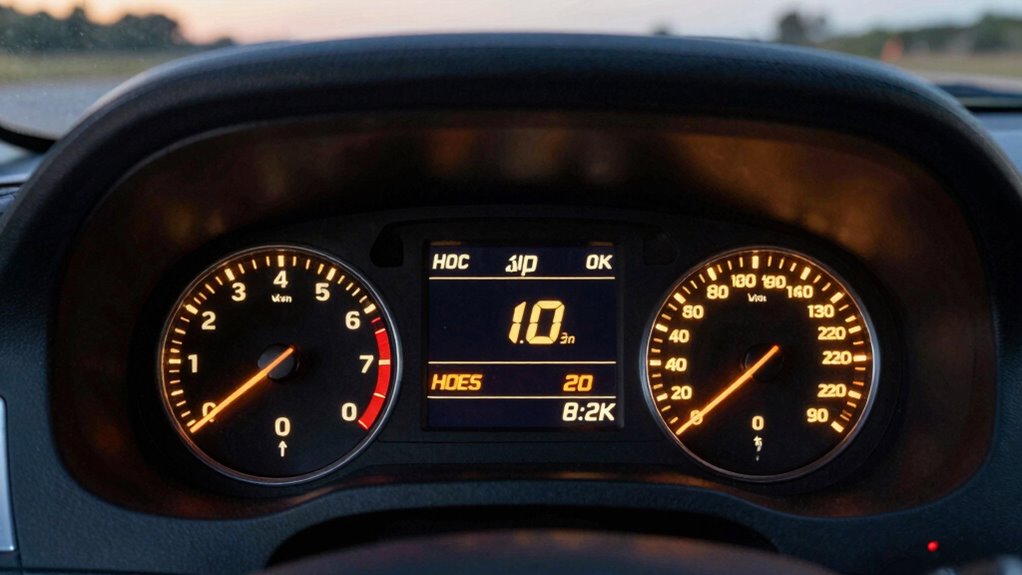
Understanding the relationship between idling hours and mileage is essential for managing vehicle efficiency and reducing costs. When your fleet spends excessive time idling, it doesn’t just waste fuel—it accelerates engine wear and diminishes overall fuel efficiency. Engines operate best when they’re running under proper load and temperature, but idling causes unnecessary strain, leading to faster deterioration of critical components. This wear can result in more frequent repairs, higher maintenance costs, and ultimately, a shorter vehicle lifespan. By monitoring idling hours, you gain insight into how much unnecessary engine running is happening, allowing you to implement strategies to cut back on idle time and extend vehicle longevity.
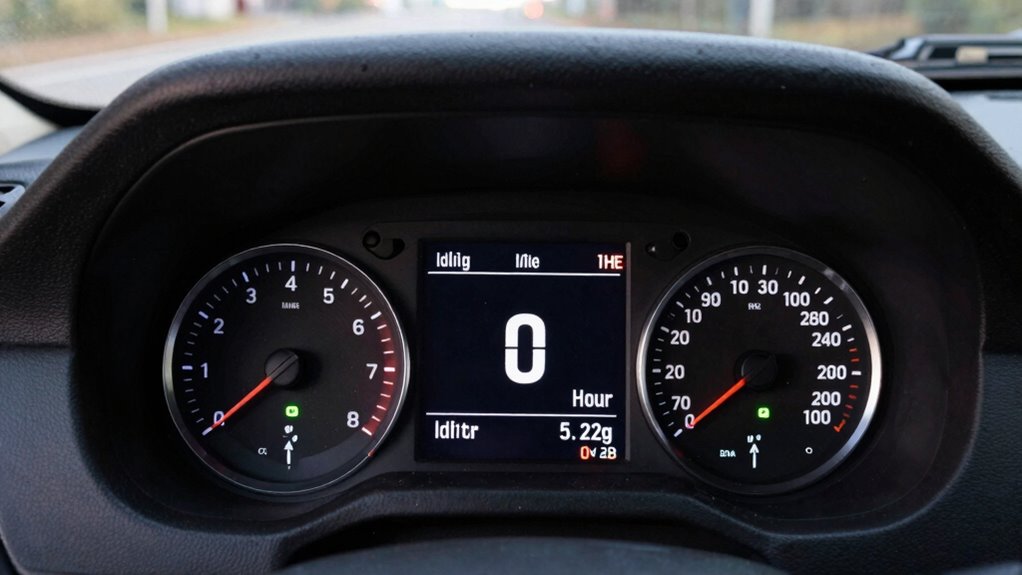
Additionally, idling impacts fuel efficiency profoundly. When a vehicle is idling, it consumes fuel without covering any distance, reducing miles per gallon. Even short periods of idling can add up over time, increasing fuel expenses and contributing to environmental pollution with higher emissions. Unlike mileage, which measures the distance a vehicle travels, idling hours track the duration the engine remains running without movement. This makes idling a more precise indicator of inefficiency because you’re capturing wasted engine operation that doesn’t translate into productive mileage. Managing and reducing idle time can directly improve your fleet’s fuel economy, lowering fuel bills and helping meet sustainability goals.
Tracking idle hours also offers a clearer picture of your vehicles’ actual usage patterns. For example, a truck might rack up high mileage but have minimal idling, meaning it’s efficiently operated during trips. Conversely, a vehicle with moderate mileage but high idle hours could be experiencing unnecessary engine running, leading to faster oil aging and increased engine wear. Recognizing these differences helps you optimize maintenance schedules, prevent premature oil degradation, and plan for repairs proactively. In essence, idle hours serve as a valuable metric to identify inefficiencies that mileage alone might not reveal.
Furthermore, reducing idling isn’t just about saving fuel; it’s about protecting your fleet’s overall health. Less idling means less heat and wear on engine components, which translates into lower oil contamination and slower oil aging. This prolongs the intervals between oil changes and keeps your engines running smoother for longer. Implementing policies to limit idle time, such as driver training and technology solutions that alert when a vehicle is idling excessively, can make a notable difference. By focusing on idle hours alongside mileage, you gain a detailed view of vehicle health—helping you cut costs, extend engine life, and improve your fleet’s operational efficiency.
Moreover, monitoring engine wear indicators can provide early signs of component deterioration, further safeguarding your fleet’s longevity.
As an affiliate, we earn on qualifying purchases.
Frequently Asked Questions
How Does Engine Temperature Affect Oil Aging During Idling?
Engine temperature during idling directly impacts oil aging by increasing thermal stress, which accelerates oil breakdown. When your engine’s cooling system struggles to maintain ideal temperature, the oil is exposed to higher heat levels, causing it to degrade faster. This thermal stress can reduce lubrication effectiveness and lead to engine wear. To protect your oil, guarantee proper engine cooling and avoid prolonged idling, keeping temperatures balanced and oil healthier longer.
Can Maintenance Schedules Be Optimized Using Idling Hours Data?
Ironically, tracking idling hours lets you optimize maintenance schedules better than just mileage. By monitoring engine wear during idle periods, you can anticipate oil aging and prevent costly breakdowns. Plus, reducing unnecessary idling boosts fuel efficiency, saving you money. Incorporating idling data into your maintenance plan guarantees your fleet runs smoothly, extends engine life, and keeps fuel costs in check—proving that sometimes, less mileage isn’t the only metric that matters.
What Types of Vehicles Benefit Most From Monitoring Idling Hours?
You benefit most from monitoring idle time on vehicles with frequent stops, like delivery trucks or service vans. By tracking idling hours, you can improve vehicle efficiency, reducing unnecessary fuel use and engine wear. This helps you optimize maintenance schedules and extend vehicle lifespan. Focusing on idle time allows you to identify inefficiencies, cut costs, and keep your fleet running smoothly, especially for vehicles with high stop-and-go patterns.
How Does Ambient Temperature Influence Oil Degradation Related to Idling?
Ambient temperature notably impacts oil degradation during idling. Higher temperatures decrease oil viscosity, making it thinner and less protective, which accelerates aging. Conversely, cooler temperatures help maintain ideal oil viscosity, reducing wear and prolonging oil life. When vehicles idle in extreme temperatures, monitor oil condition closely, as temperature fluctuations directly influence how quickly oil breaks down, affecting engine performance and maintenance schedules.
Are There Specific Industries Where Idling Hours Are More Critical Than Mileage?
In industries like construction equipment and emergency vehicles, idling hours matter more than mileage because engines often run without moving, causing oil to age faster. You should monitor idling times closely since prolonged idling leads to increased wear and oil degradation. By tracking idle hours, you can better predict maintenance needs, extend equipment life, and reduce costly repairs, especially in these industries where engines frequently idle during operations or standby periods.
As an affiliate, we earn on qualifying purchases.
Conclusion
While mileage might seem like the obvious metric, idling hours actually give you a clearer picture of oil aging. Don’t overlook those quiet stops—they add up more than you think. Tracking idling hours helps you prevent costly oil changes and extend engine life. So, next time you evaluate fleet health, prioritize idling data. It’s a smarter way to keep your vehicles running smoothly and avoid surprises down the road.
As an affiliate, we earn on qualifying purchases.
As an affiliate, we earn on qualifying purchases.
Halloween Picks
halloween
As an affiliate, we earn on qualifying purchases.