Oil filter bypass valves act as safety features that open to allow oil to flow when the filter is clogged or dirty, preventing engine damage. While they protect your engine, they can also conceal underlying problems like a failing filter or system issues. Frequent bypass activation may signal a need for maintenance or filter replacement. Staying observant and proactive helps ensure your engine stays healthy—and if you keep exploring, you’ll discover how to spot signs and prevent risks.
Key Takeaways
- Bypass valves prevent engine damage by maintaining oil flow when filters are clogged or dirty.
- They can conceal underlying issues like a failing filter or lubrication system problems.
- Excessive bypass activation may mask early signs of oil filter deterioration.
- Relying solely on bypass operation can hide developing engine or lubrication issues.
- Regular maintenance and filter checks are essential to prevent overuse of bypass valves and hidden problems.
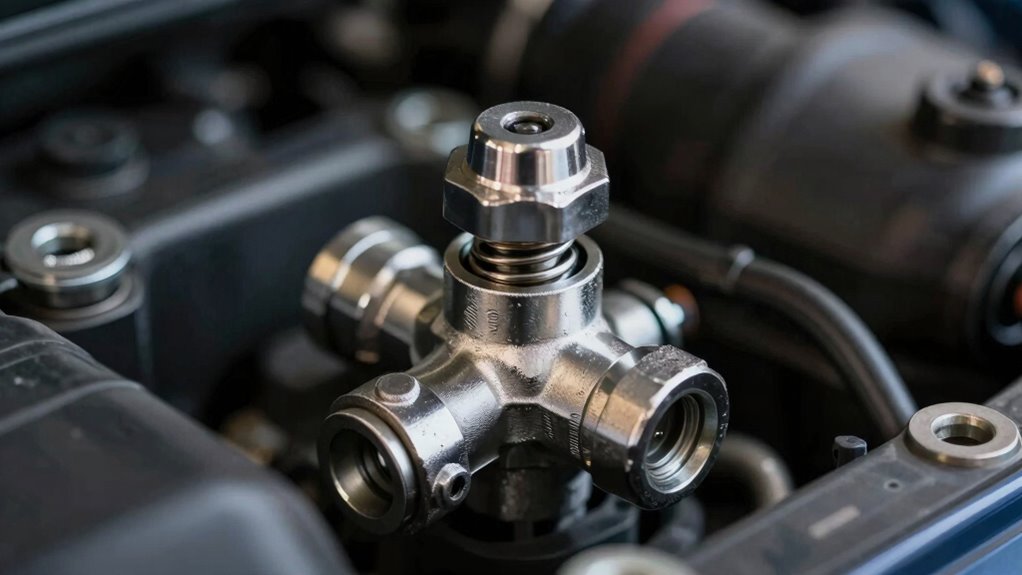
Oil filter bypass valves play a crucial role in protecting your engine’s lubrication system. They act as safety valves that prevent oil flow issues from causing engine damage. When your oil filter becomes clogged or excessively dirty, the bypass valve opens, allowing oil to bypass the filter and continue circulating through the engine. While this feature ensures your engine remains lubricated, it can also hide underlying problems with your oil filter or lubrication system. Understanding how the oil filter bypass works helps you appreciate its importance and recognize potential warning signs.
Oil bypass valves protect engines by allowing oil flow when filters are clogged, but may hide underlying issues.
The primary function of an oil filter bypass is to maintain oil flow during filter blockages. Under normal conditions, oil passes through the filter, removing debris and contaminants that could harm your engine. When the filter becomes clogged, resistance increases, and the bypass valve opens at a designated pressure. This prevents a drop in oil pressure, which could lead to inadequate lubrication. While this helps protect your engine from immediate damage, it can also conceal underlying issues with your oil filter or lubrication system. Consequently, your engine might be operating with contaminated oil, increasing wear and reducing its lifespan. Additionally, knowing how the bypass valve operates is essential for diagnosing potential lubrication problems early on.
This safety feature emphasizes the importance of regular oil and filter changes. If you rely solely on the bypass valve to keep your engine protected, you might overlook developing issues with your oil filter or lubrication system. A clogged filter that frequently triggers the bypass can be a sign of poor maintenance or a filter nearing the end of its service life. Ignoring these signs could lead to increased engine wear, decreased performance, or even costly repairs down the line. It is crucial to regularly inspect and replace your oil filter according to your vehicle manufacturer’s recommendations, rather than relying solely on the bypass to safeguard your engine.
Knowing how the oil filter bypass functions also helps you understand why some engines may run with slightly higher oil pressure or unusual noises when the filter is clogged. If the bypass opens more often than it should, it may indicate a problem with filter quality or installation. Monitoring oil pressure gauges and paying attention to engine sounds can alert you to issues that need addressing before they cause significant damage. Remember, the bypass valve is a protective feature designed to prevent catastrophic failure, but it isn’t a substitute for proper maintenance. Being aware of ADAS sensor calibration and other vehicle systems can further enhance your maintenance routine and prevent overlooked issues.

Dorman 917-992 Oil Filter Bypass Valve Compatible with Select Models (OE FIX)
Simple fix – this engine oil filter bypass valve directly replaces the original valve on specific vehicles
As an affiliate, we earn on qualifying purchases.
As an affiliate, we earn on qualifying purchases.
Frequently Asked Questions
How Can I Tell if My Bypass Valve Is Malfunctioning?
You can tell if your bypass valve is malfunctioning by paying attention to engine performance issues, like unusual noises or oil pressure drops. Regular oil filter maintenance and bypass valve testing help identify problems early. If you notice decreased oil flow, check the valve for sticking or damage. Performing routine bypass valve testing ensures it’s functioning properly, preventing it from hiding underlying engine issues and maintaining ideal engine health.
Do All Vehicles Have Bypass Valves in Their Oil Filters?
Not all vehicles have bypass valves in their oil filters, surprisingly. Some models skip this feature to streamline oil filter maintenance, while others include various bypass valve types to protect your engine during filter changes or blockages. If you’re curious, check your vehicle’s manual—because assuming all cars have it might hide potential issues. Thankfully, understanding bypass valve types helps you know when your engine’s protected or hiding a problem.
Can Bypass Valves Cause Engine Damage if They Fail?
If bypass valves fail, they can cause engine damage by disrupting oil pressure and reducing filtration effectiveness. When the valve sticks open, unfiltered oil circulates, risking debris damage, while a stuck closed valve causes inadequate lubrication. Both scenarios jeopardize engine health. Regular maintenance and timely filter replacements help guarantee the bypass valve functions correctly, protecting your engine from potential harm caused by valve failure.
Are Aftermarket Bypass Valves Compatible With All Oil Filters?
Most aftermarket bypass valves aren’t compatible with all oil filters. You need to check the specific oil flow and filter compatibility before installation. Imagine trying to fit a key into the wrong lock—your bypass valve might not work correctly if it doesn’t match your filter. Always verify the specifications to make certain of proper fit and function, preventing potential oil flow issues or engine damage.
How Often Should I Inspect or Replace My Bypass Valve?
You should inspect your bypass valve every 10,000 to 15,000 miles or during regular oil changes. Replace it if you notice signs of wear, damage, or if it’s stuck open or closed. Following proper replacement intervals guarantees it functions correctly and prevents potential engine issues. Regular inspections help catch problems early, maintaining ideal oil flow and protecting your engine from oil flow disruptions caused by faulty bypass valves.
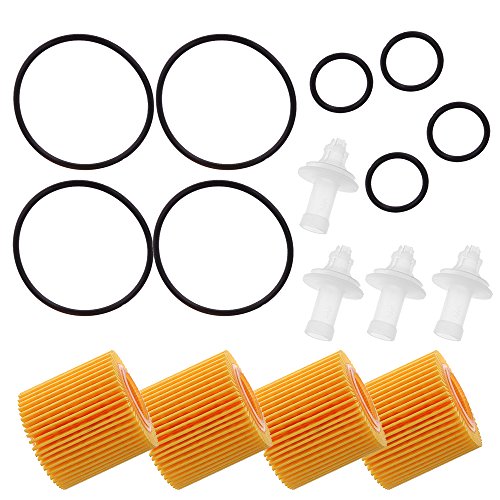
Hoypeyfiy 4PCS 04152-YZZA6 Engine Oil Filter Kit Replacement for Toyota Prius 2010-2020 Corolla 2009-2018 Matrix 2009-2014 Scion XD 2008-2014
Interchange Part Numbers: PF1768, P7454, 57064, CH10358, 19185485, HP-7021, 04152-37010, 04152-B1010, 04152-YZZA6
As an affiliate, we earn on qualifying purchases.
As an affiliate, we earn on qualifying purchases.
Conclusion
So, next time you hear about oil filter bypass valves protecting your engine, remember—they might just be hiding bigger issues instead of fixing them. What seems like a helpful feature could actually keep you from noticing serious problems until it’s too late. Ironically, that little valve’s job to protect might be the very thing that lets trouble slip by unnoticed. Stay vigilant, because sometimes, what’s hiding behind protection is just trouble waiting to happen.

Uharbour Air Relief Valve with Pool Filter Pressure Gauge, Pool Pressure Gauge 60Psi with Air Relief Valve Highly Compatible with Pool Filters and Pumps
Accurate Pressure Monitoring – Equipped with a pool filter pressure gauge for precise pressure readings, ensuring optimal filter…
As an affiliate, we earn on qualifying purchases.
As an affiliate, we earn on qualifying purchases.

Orion Motor Tech Oil Filter Wrench Set, 10pc Oil Filter Socket Set, 3/8" Drive Metric Oil Filter Cap Wrench Removal Tool Kit, Low Profile Oil Filter Socket Set Compatible with Toyota VW BMW Mercedes
No More Messy Oil Filter Changes: Orion Motor Tech's 10pc oil filter wrench set helps you remove and…
As an affiliate, we earn on qualifying purchases.
As an affiliate, we earn on qualifying purchases.