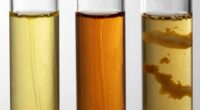
ZDDP is a widely used anti-wear additive in engine oils that forms a protective tribofilm on metal surfaces, reducing friction and wear. It works by decomposing into compounds that create a durable, glass-like layer, but balancing its formulation is tricky. Shorter alkyl groups react faster but can deplete quickly under heat, while longer ones last longer but slow film formation. Understanding these tradeoffs helps explain why emissions regulations impact its use—and there’s more to uncover about how formulators navigate this challenge.
Key Takeaways
- ZDDP forms protective tribofilms through decomposition, but its effectiveness depends on alkyl chain structure and thermal stability.
- Shorter alkyl groups react quickly but deplete faster at high temperatures, creating a tradeoff between rapid protection and durability.
- Regulatory limits on ZDDP levels reduce anti-wear protection, increasing the risk of engine wear and corrosion over time.
- Longer or branched alkyl chains enhance thermal stability but slow down film formation, affecting immediate anti-wear performance.
- Balancing chemical composition and ZDDP content is essential to optimize engine protection while complying with environmental regulations.

GEVEELIFE Electric Grease Gun -2025 Upgraded 2-in-1 Design with 2×4000mAh Batteries, Fast Charger & 90° Swivel Coupler, 12,000 PSI - Works with Bulk & Cartridge Grease for Farm, Truck, Construction
🚀 Cordless Freedom & Dual-Mode Operation:Experience hassle-free greasing with our cordless electric design that eliminates manual pumping. Switch...
As an affiliate, we earn on qualifying purchases.
What Is ZDDP and How Does It Protect Metal Surfaces?
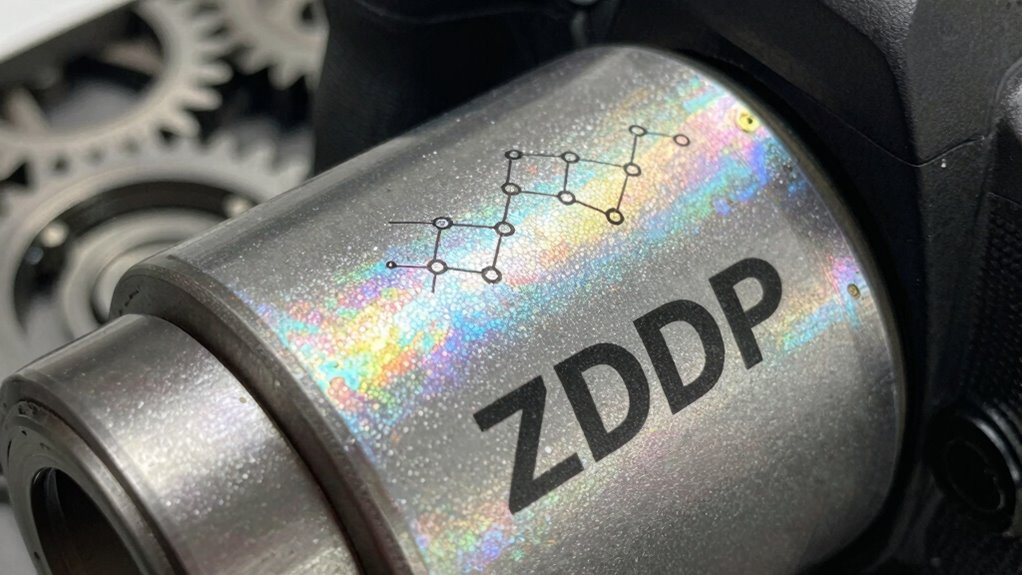
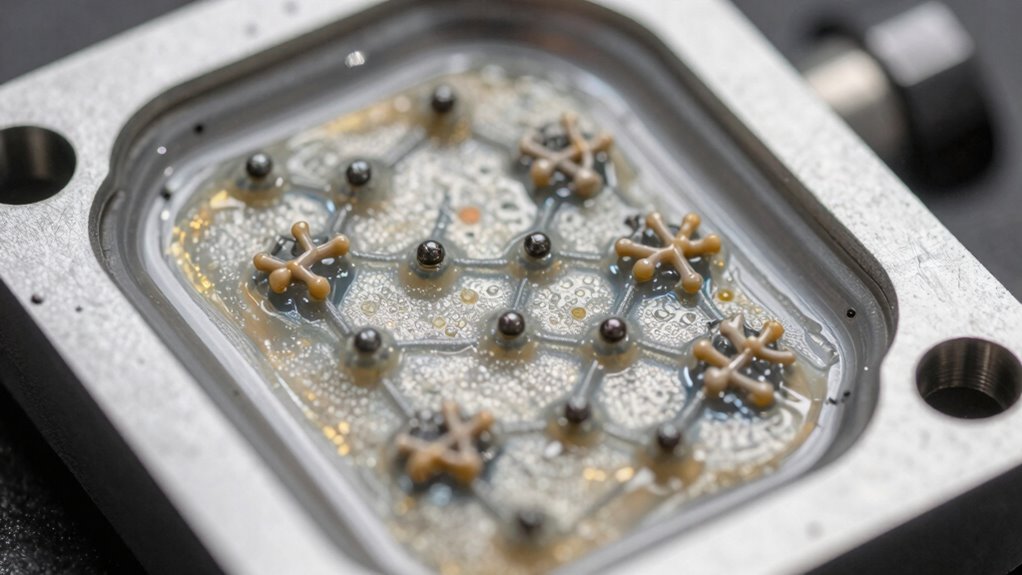
ZDDP, or zinc dialkyldithiophosphate, is a commonly used anti-wear additive in engine oils that protects metal surfaces during operation. When your engine runs under heat and pressure, ZDDP decomposes at contact points between metal parts, releasing phosphate, sulfide, and zinc compounds. These compounds form a thin, protective tribofilm that coats the metal surfaces, preventing direct metal-to-metal contact. This film is typically 50-150 nanometers thick and has a complex, glass-like structure. The sulfur atoms in ZDDP create strong bonds with metal, anchoring the film securely. As a result, the additive reduces wear, minimizes friction, and extends engine life. Your engine benefits from this durable, self-healing layer that maintains protection even under extreme conditions. However, the formation of this film can also lead to catalytic converter issues over time, highlighting the importance of balancing additive benefits with potential tradeoffs.

Electric Grease Gun with 2×4.0Ah Batteries: 2-in-1 Battery Powered Grease Gun w/ 12000 PSI 5.3 oz/min Flow, 39.4 Hose & 90° Coupler, Cordless Grease Gun Kit Gift for Car, Heavy Equipment Maintenance
⛽Upgraded 12,000 PSI Pressure with 5.3 oz/min Flow – Built for Heavy-Duty Jobs: Strong enough to push through...
As an affiliate, we earn on qualifying purchases.
How Does ZDDP Form Protective Tribofilms on Metal?
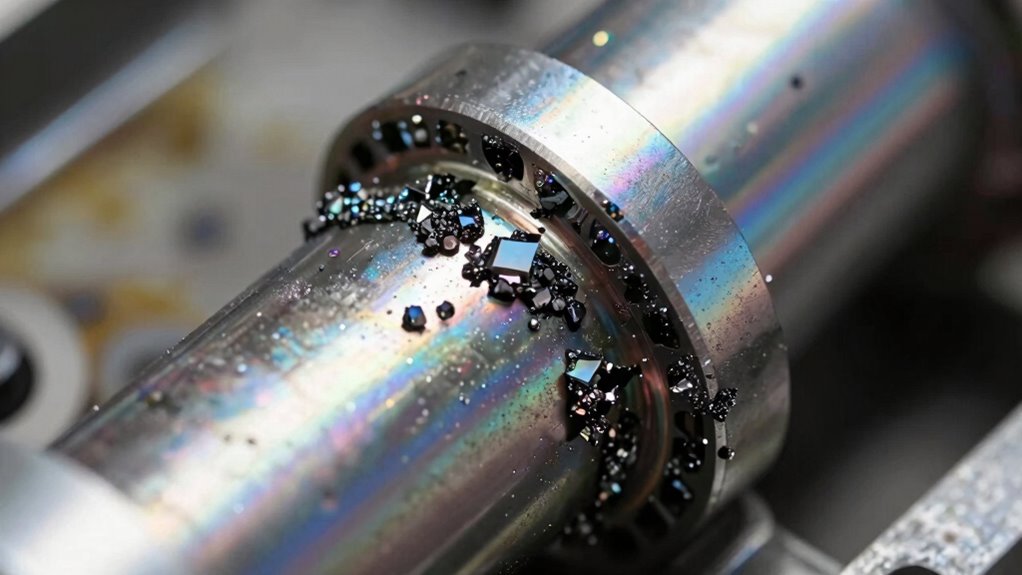
When metal surfaces come into contact under conditions of heat and pressure, ZDDP decomposes to initiate the formation of a protective tribofilm. This decomposition releases phosphate, sulfide, and zinc compounds that react with the metal surface, creating a multilayered film. Initially, sulfur atoms bond strongly with iron, forming iron sulfide, which provides a low-friction base layer. Simultaneously, zinc forms zinc phosphate compounds that develop into a glass-like, amorphous boundary film. These layers build up over time, thickening with continued rubbing. The resulting tribofilm is self-healing, resilient, and capable of reforming after wear. Exploring new frontiers in digital content and research This protective layer reduces direct metal-to-metal contact, minimizes wear, and helps extend the lifespan of engine components.

VEVOR Deep Fryer Filter 18 L/44 LBS/5.8 Gal, Frying Oil Filter System Machine 300W, Deep Fryer Oil Filter 10 L/min, Cooking Oil Filter Pump & Oil Hose, Mobile Fryer Filter 110V Kitchen Restaurant
Remarkable Oil Filtering Effect: The mobile fryer filter can remove tiny impurities with a filtration rate of ≥98%....
As an affiliate, we earn on qualifying purchases.
How Do Alkyl Group Variations Affect ZDDP’s Performance and Stability?
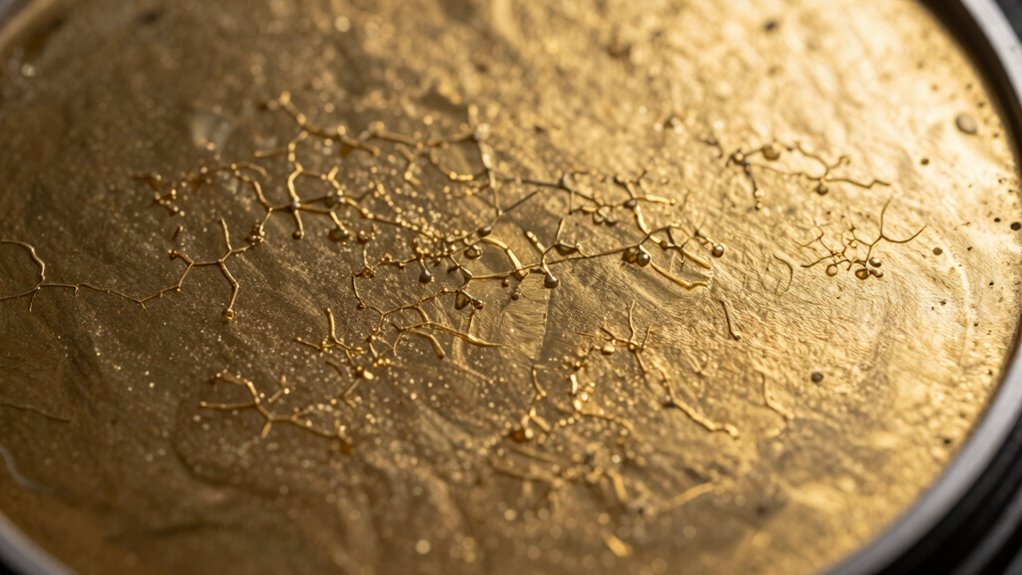
Your choice of alkyl groups in ZDDP directly influences its reactivity and how quickly it forms protective films. Shorter chains tend to react faster but may deplete more quickly at high temperatures, reducing long-term stability. Longer chains, while more thermally stable, often form films more slowly, affecting overall performance. Additionally, the vetted status of ZDDP compounds ensures their effectiveness on floating water surfaces, highlighting the importance of considering environmental factors in additive chemistry.
Chain Length and Reactivity
The length and structure of alkyl groups in ZDDP molecules play a crucial role in determining both their reactivity and stability. Shorter alkyl chains tend to increase reactivity because they allow the molecule to decompose more easily under heat and pressure, promoting faster tribofilm formation. Conversely, longer chains are less reactive but enhance thermal stability, helping the additive resist breakdown at high temperatures. Branched alkyl groups can also influence reactivity, often making ZDDP more responsive but potentially reducing stability. Your choice of alkyl chain length affects how quickly ZDDP forms protective films and how well it withstands thermal stress during engine operation. Striking a balance between reactivity and stability is key to optimizing ZDDP’s performance in different lubrication environments.
Thermal Stability and Depletion
Alkyl group variations in ZDDP substantially influence its thermal stability and depletion rate during engine operation. Shorter alkyl chains, especially primary ones, tend to decompose more quickly under high temperatures, leading to faster ZDDP depletion. This rapid breakdown enables quicker tribofilm formation but reduces long-term protective capacity. Conversely, longer or branched alkyl groups offer enhanced thermal stability, resisting decomposition at elevated temperatures. However, their slower reactivity can delay tribofilm development, potentially compromising immediate wear protection. Additionally, more stable alkyl groups may produce thicker, more resilient films, but excessive heat can still cause gradual depletion over extended use. Balancing alkyl structure is vital: alkyl group stability is key to optimizing both protection and longevity during engine operation.

Yokoma 220V Filtering Machine Portable Hydraulic Oil Filter Cart Single Cylinder Mobile Oil Filtration Purification System 3um Fine Size with 78.74in/2m PVC Hose
【Efficiency】- Effectively maintain the performance of the oil, with high purification accuracy. Old oil can be regularly filtered...
As an affiliate, we earn on qualifying purchases.
What Other Protective Roles Does ZDDP Play in Engine Oils?
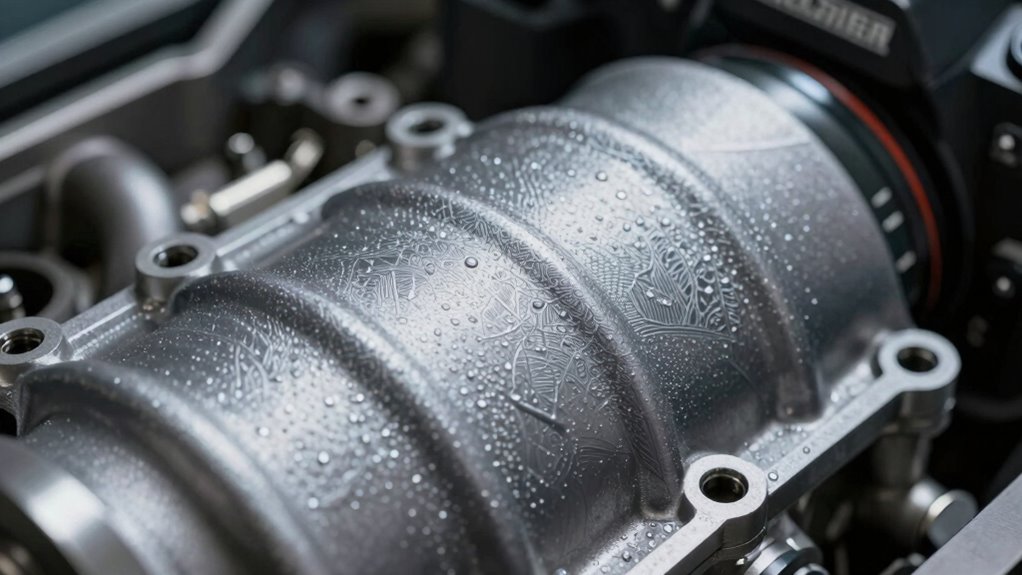
Beyond its anti-wear capabilities, ZDDP also helps protect your engine by preventing oxidation, which can degrade lubricant quality over time. It acts as a metal deactivator, stopping harmful reactions on metal surfaces that could compromise performance. Additionally, ZDDP forms a barrier against moisture and assists in cushioning ash valve systems, enhancing overall engine protection. Moreover, ZDDP’s color accuracy properties contribute to visual inspections of engine components by highlighting wear patterns and corrosion.
Oxidation and Metal Deactivation
ZDDP actively protects engine components by preventing oxidation and deactivating metal surfaces. It forms a barrier that slows down the chemical reactions between metal and oxygen, reducing rust and corrosion. Additionally, ZDDP reacts with metal surfaces to deactivate reactive sites, preventing unwanted chemical interactions that could weaken components. This dual action extends engine life and maintains lubricant integrity. The table below highlights how ZDDP’s protective functions operate at different levels:
| Function | Effect |
|---|---|
| Oxidation Inhibition | Slows oxygen-driven deterioration |
| Metal Surface Deactivation | Reduces metal reactivity to acids or moisture |
| Rust Prevention | Forms protective layers to block moisture |
| Corrosion Resistance | Neutralizes corrosive agents on metals |
| Surface Passivation | Creates stable, inert metal surfaces |
Furthermore, the chemical stability of ZDDP ensures that it continues to provide these protective roles effectively over the lifespan of the engine oil.
Moisture and Ash Valve Roles
In addition to its well-known anti-wear and oxidation functions, ZDDP plays essential roles in protecting engine components from moisture and ash-related issues. It acts as a moisture barrier, preventing rust and corrosion by forming a protective film that repels water and limits oxygen exposure. ZDDP also helps manage ash buildup, cushioning ash valve systems that can otherwise lead to deposits and valve sticking. This creates a cleaner, more efficient environment inside your engine. Visualize ZDDP as:
- A water-repelling shield on metal surfaces
- A cushioning layer around ash valves
- A barrier that reduces ash deposit formation
These roles contribute to longer engine life, smoother operation, and reduced maintenance, making ZDDP a crucial additive beyond its anti-wear properties. Additionally, ZDDP contributes to engine cleanliness, helping to prevent sludge and deposit formation that can impair performance.
Why Does Reducing ZDDP for Emissions Limits Create Tradeoffs?
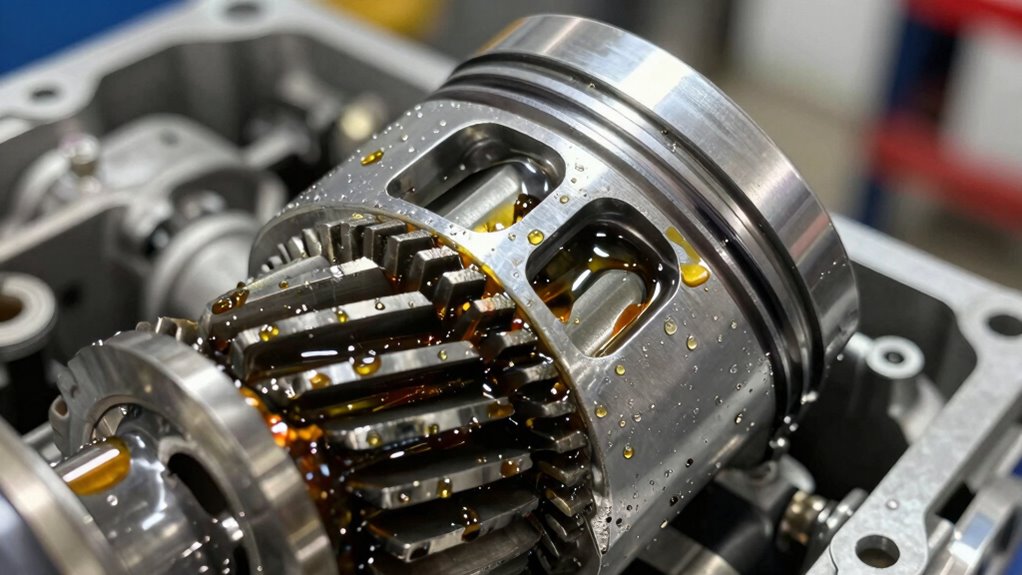
Reducing ZDDP levels to meet emissions regulations creates a delicate balancing act because it diminishes the additive’s protective functions. Lower ZDDP concentrations mean less formation of the essential tribofilm that prevents metal-to-metal contact, increasing wear risk. It also reduces sulfur donations critical for supporting other additives, like MoDTC, which improve friction and durability. Additionally, with less ZDDP, oxidation and corrosion protections weaken, making engine parts more vulnerable over time. To comply with emissions standards, formulators must find alternatives or limit ZDDP content, but these changes often compromise anti-wear and anti-corrosion performance. This tradeoff forces a constant compromise between meeting environmental regulations and maintaining reliable engine protection, demanding innovative formulation strategies to balance these competing priorities. Additive chemistry plays a crucial role in developing solutions that can mitigate these issues without sacrificing compliance.
How Is ZDDP Made? Key Factors in Its Synthesis and Formulation
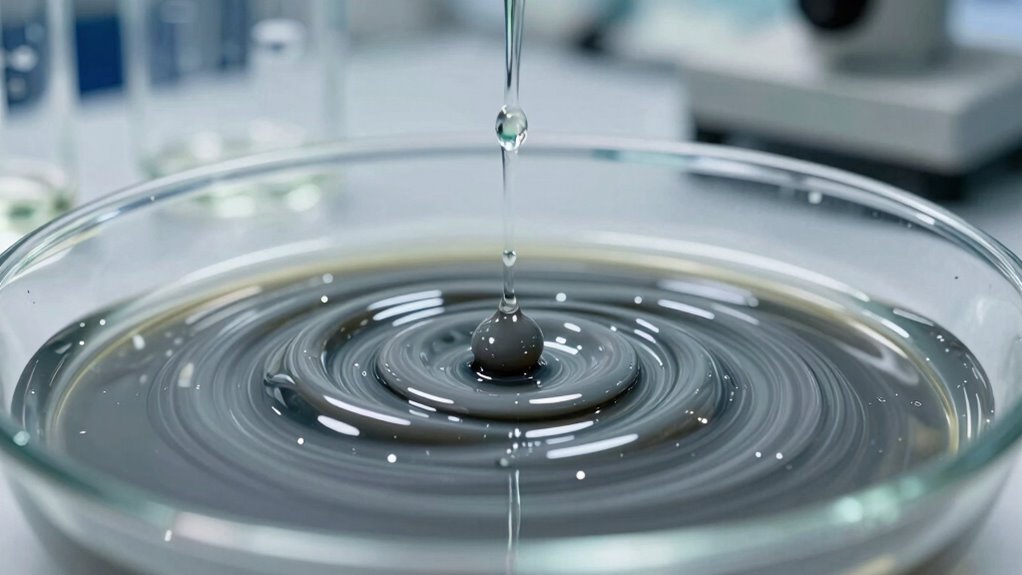
The synthesis of ZDDP hinges on carefully controlled chemical reactions that combine phosphorus, sulfur, and zinc compounds. You start with phosphorus pentasulfide (P₂S₅), reacting it with alcohols like isooctyl or isopropyl to form dialkyldithiophosphoric acid. Then, you neutralize this intermediate with zinc oxide, creating the zinc dialkyldithiophosphate. Throughout this process, factors like stirring speed, temperature, pressure, and the order of adding reactants influence the final product. You can visualize:
Careful control of reaction conditions shapes ZDDP’s chemical structure and performance.
- Precise addition of alcohols shaping chemical properties
- Controlled heating removing water and impurities
- Fine-tuned reaction conditions crafting different formulations
These variables determine the alkyl group structures, impacting ZDDP’s performance and stability in lubricant formulations.
Frequently Asked Questions
How Does ZDDP Interact With Other Engine Oil Additives?
You’ll find that ZDDP interacts synergistically with additives like MoDTC, forming low-friction layers on top of ZDDP reaction products, which enhances overall performance. It also reacts with abrasive particles, converting them into softer iron sulfides, and supports other additives by stabilizing metal sulfides. However, it can sometimes compete with detergents or antioxidants, so formulation balance is vital to guarantee all additives work together effectively without compromising engine protection.
What Factors Influence Zddp’s Rate of Tribofilm Formation?
You can speed up ZDDP’s tribofilm formation by adjusting alkyl chain structure, as shorter, primary chains react faster. Temperature also plays a vital role; higher heat accelerates decomposition and film growth. Rubbing time and pressure matter too, since mechanical forces promote chemical reactions. However, be mindful that excessive heat can deplete ZDDP prematurely, creating a tradeoff between rapid protection and long-term durability.
Can ZDDP Cause Long-Term Engine Component Degradation?
Yes, ZDDP can cause long-term engine component degradation. When used in high concentrations or at elevated temperatures, it may lead to the buildup of ash deposits that clog filters and catalytic converters. Over time, these deposits can cause wear or damage to engine parts. However, properly formulated ZDDP levels and controlled operating conditions minimize these risks, ensuring effective protection without long-term harm.
How Do Different Alcohols in Synthesis Affect Zddp’s Performance?
When you choose different alcohols in ZDDP synthesis, you impact its performance markedly. Shorter or primary alcohols increase the reactivity of the additive, leading to faster tribofilm formation. Conversely, longer or secondary alcohols produce more stable, durable films but may form more complex, less reactive compounds. Your choice influences how quickly ZDDP protects your engine and how well it withstands high temperatures, affecting overall anti-wear effectiveness.
What Are the Environmental Impacts of ZDDP Disposal?
When you dispose of ZDDP-containing lubricants, it can harm the environment. The zinc, phosphorus, and sulfur compounds may contaminate soil and water, affecting plants and aquatic life. These chemicals can accumulate in ecosystems, potentially disrupting biological processes and harming wildlife. Proper disposal through recycling or hazardous waste facilities is essential to minimize environmental damage and prevent pollution from leaching into ecosystems.
Conclusion
While ZDDP offers valuable protection for your engine, balancing its benefits with environmental concerns means accepting some subtle compromises. By understanding how its chemistry works and the tradeoffs involved, you can make smarter choices for your vehicle’s health and performance. Embrace the evolving science behind ZDDP, and you’ll stay a step ahead, ensuring your engine remains reliable and efficient—quietly benefiting from the delicate dance of chemistry and innovation.