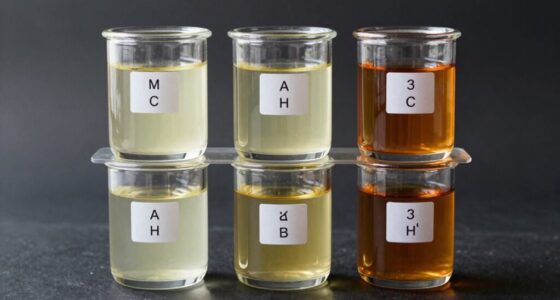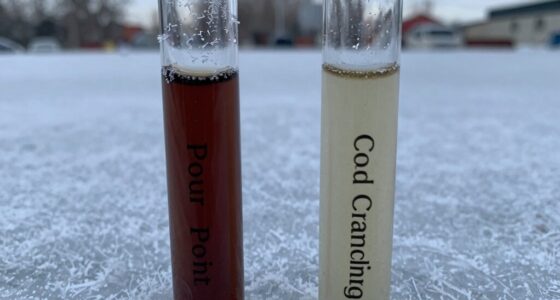

Choosing lubricants labeled as “meets requirements” might sound acceptable, but without official OEM approval, you’re risking subpar performance and engine damage. OEM approval involves rigorous testing and certification, ensuring the oil meets the highest standards for durability and protection. “Meets requirements” claims are self-declared and lack independent verification, which can jeopardize your engine’s longevity. Stay informed—if you keep exploring, you’ll discover how to spot genuine OEM approval and keep your engine safe.
Key Takeaways
- OEM approval involves rigorous testing and certification, ensuring true compliance and engine safety, unlike vague “meets requirements” claims.
- “Meets requirements” signifies formulation alignment but lacks independent verification, increasing risks of subpar performance.
- Relying on approved OEM marks and certification ensures lubricant quality, while “meets” claims can be misleading or false.
- OEM-approved lubricants undergo extensive engine testing, providing better protection against wear and thermal stress than generic “meets” claims.
- Misleading wording can cause engine damage, warranty issues, and costly repairs; always verify official OEM approval before use.

STP Premium Small Engine 4 Cycle Oil Formula, SAE10W-30 Small Engine Oil Engine Care Formula Reduces Wear for Lawnmower, Push Mower, Tractor, 32 Oz, STP
SAE 10W-30 MOTOR OIL FOR SMALL ENGINES: One 32 fl oz bottle of STP Premium Synthetic Blend 4…
As an affiliate, we earn on qualifying purchases.
As an affiliate, we earn on qualifying purchases.
What’s the Difference Between OEM Approval and “Meets Requirements”?
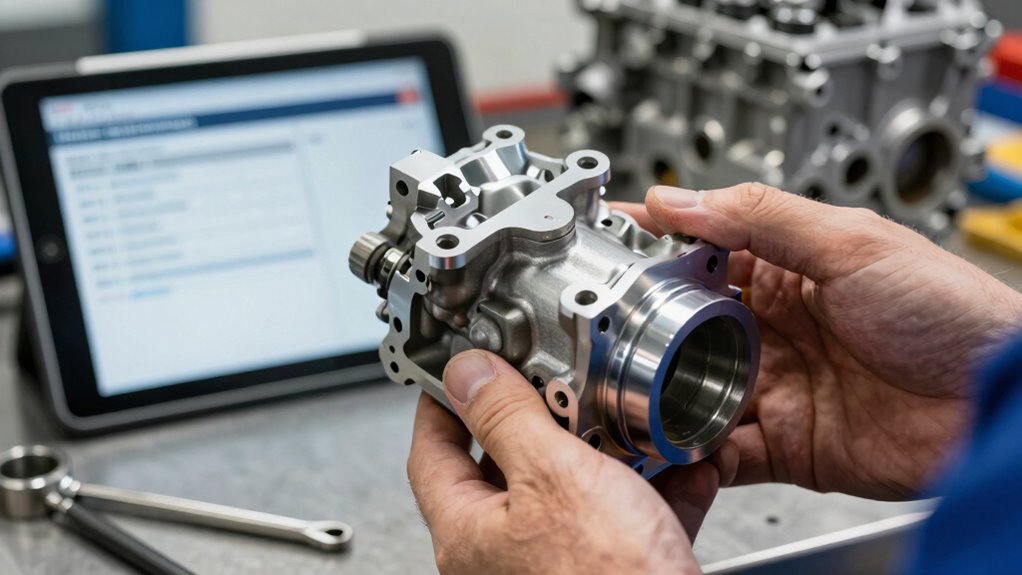
What’s the main difference between OEM approval and simply meeting requirements? When a lubricant meets OEM requirements, it means the formulation aligns with specific tests and standards. However, this doesn’t guarantee it has undergone official certification or rigorous testing by the OEM. OEM approval involves a thorough process where the lubricant is tested over months through engine trials, wear assessments, and extreme condition simulations. It’s validated by the OEM with official certification, ensuring the product meets the highest performance standards. Meeting requirements is more of a self-declaration by the manufacturer, lacking independent verification. This means the lubricant might perform well, but without OEM approval, there’s no external proof of its suitability or reliability. Traceability plays a crucial role in verifying compliance and ensuring consistent quality. Relying solely on “meets” claims can risk engine performance and warranty coverage.

Mobil 1 Extended Performance High Mileage Full Synthetic Motor Oil 5W-30, 5 Quart
Mobil 1 Extended Performance High Mileage full-synthetic motor oil 5W-30 is designed for engines with over 75,000 miles…
As an affiliate, we earn on qualifying purchases.
As an affiliate, we earn on qualifying purchases.
Why OEM Approved Lubricants Offer Better Engine Protection
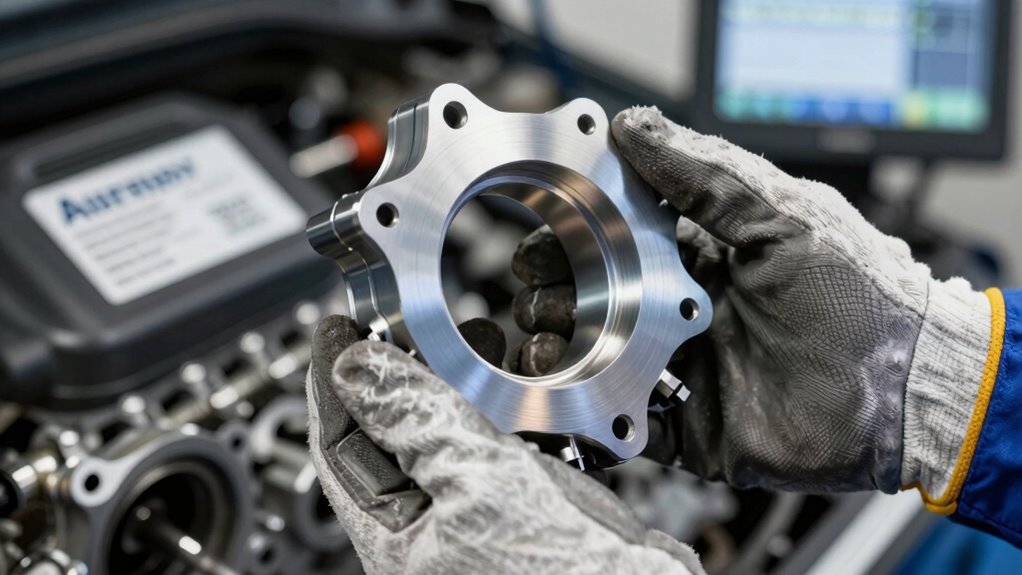
OEM approved lubricants undergo rigorous testing to meet strict performance standards, ensuring they can handle extreme engine conditions. This extensive engine testing confirms their reliability and effectiveness over time. Choosing approved oils gives you confidence your engine is protected by products that have been thoroughly verified. Additionally, high-performance standards are critical in maintaining engine longevity and optimal operation.
Verified Performance Standards
Have you ever wondered why approved lubricants provide better engine protection? It’s because they meet verified performance standards established through rigorous testing. Unlike claims of “meets requirements,” which rely only on manufacturer assertions, approved lubricants undergo extensive validation by OEMs. These tests evaluate critical factors like wear resistance, thermal stability, and cold start performance under real-world conditions. Approved status isn’t granted lightly; it involves thorough engine testing and black box assessments to ensure the lubricant consistently performs as needed. This external certification confirms the lubricant’s ability to protect your engine over time, preventing issues like sludge buildup, excessive wear, or engine failure. Choosing approved lubricants means you’re relying on verified standards, giving you confidence and peace of mind that your engine receives the best protection possible. Performance validation ensures the lubricant meets rigorous industry benchmarks for durability and efficiency.
Comprehensive Engine Testing
Thorough engine testing is essential because it guarantees lubricants can withstand the demanding conditions your engine faces daily. OEM approved lubricants undergo rigorous testing to ensure they resist high temperatures, extreme loads, and cold starts. OEM testing evaluates multiple parameters, such as wear protection, thermal stability, and sludge prevention, over extended periods. This process involves detailed assessments that go beyond basic specifications. To illustrate, consider this comparison:
| Testing Aspect | OEM Approved Lubricants | Meets Requirements Lubricants |
|---|---|---|
| Wear Protection | Extensive engine wear tests | Limited lab tests |
| Thermal Resistance | Real-world thermal cycles | Standardized tests only |
| Cold Start Performance | In-field cold start trials | Basic viscosity checks |
| Long-term Durability | Multi-month engine operation | Short-term lab evaluation |
This exhaustive testing ensures OEM-approved oils deliver reliable, proven performance, protecting your engine better than just meeting minimum standards. Rigorous testing procedures are crucial for confirming a lubricant’s capability to handle the engine’s operational demands effectively.

AC Delco DexosD 0w-20 Engine Oil and Oil Filter Change Kit For 3.0L Duramax Diesel LM2
Exceeds ILSAC GF-5/APIstandards for protection against deposits, wear, and low speed preignition, especiallyturbocharged engines.
As an affiliate, we earn on qualifying purchases.
As an affiliate, we earn on qualifying purchases.
Risks of Relying on “Meets Requirements” Claims Without Verification
Relying on “meets requirements” claims without verification can hide significant performance risks that may damage your engine over time. If the oil doesn’t truly meet OEM standards, you could face increased wear, sludge buildup, or cold start issues. Without proof of approval, you also risk voiding warranties and facing liability if problems occur. Ensuring proper DIY tools and safety measures are in place can help you avoid these issues during maintenance.
Hidden Performance Risks
Even if a lubricant claims to meet OEM requirements, it may still pose hidden performance risks if not independently verified. Without rigorous testing and certification, these oils might not perform reliably under real-world conditions. They could cause increased internal wear, sludge buildup, or deposit formation, leading to engine inefficiency. Cold starts may become problematic, and oil consumption could rise unexpectedly. Relying solely on manufacturer claims leaves you vulnerable to subpar products that haven’t undergone OEM scrutiny. Inaccurate or overstated claims can’t be easily detected without proper verification methods, such as OEM approval letters or black box testing. Using unverified oils risks damaging engine components, voiding warranties, and compromising long-term engine health, ultimately costing you more in repairs and downtime. Understanding unit conversions can help gauge the true scale of these performance issues when evaluating oil specifications.
Warranty and Liability
Because many lubricants claim to meet OEM requirements without undergoing official verification, you risk voiding your vehicle’s warranty if issues arise. Relying on unverified “meets requirements” claims can expose you to significant liabilities:
- Your warranty might be canceled if an engine failure is linked to a non-approved lubricant.
- You could face costly repairs that aren’t covered, forcing you to pay out of pocket.
- Damage caused by unverified oils may lead to increased internal wear or sludge buildup.
- Legal disputes may occur if manufacturers claim your lubricant didn’t meet official standards, complicating liability.
- Additionally, odor detection of certain contaminants or chemical residues in unverified lubricants can be difficult, increasing the risk of unnoticed issues.
Without proper verification, you’re fundamentally flying blind. Always seek OEM approval letters or official certification to protect your warranty and avoid unnecessary risks.

AGS Automotive Solutions SIL-Glyde Multi-Purpose All-Weather Lubricating Compound for All Surfaces – 8 oz Tube, Versitle Multi-Purpose Lubrication, All Weather, Auto, Home, Farm and Shop
Outstanding Compatibility: Sil-Glyde works on rubber, metal, wood, glass, and plastic, protecting surfaces, including car finishes, without harming…
As an affiliate, we earn on qualifying purchases.
As an affiliate, we earn on qualifying purchases.
How OEM Black Box Testing Guarantees Lubricant Performance
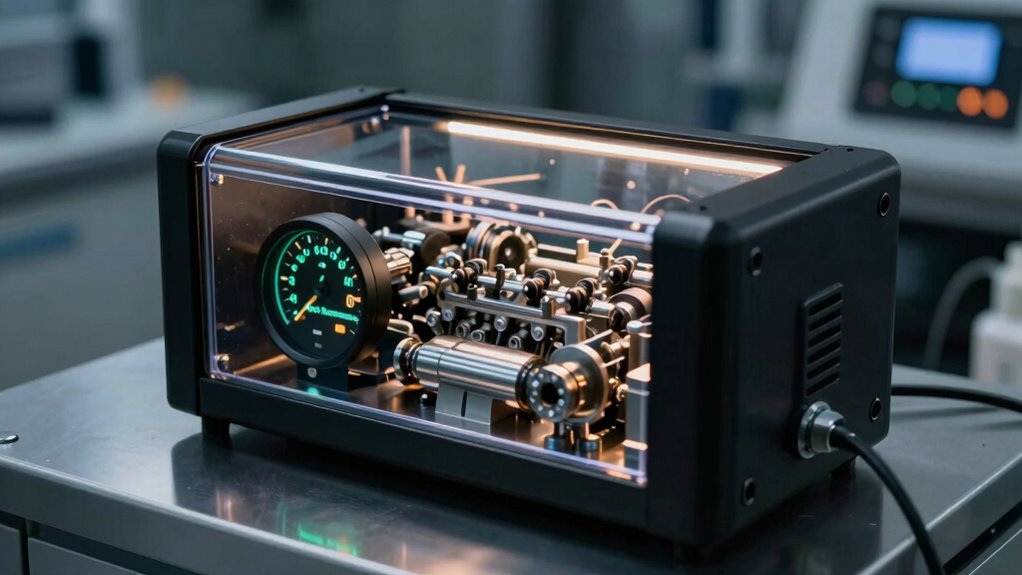
OEM black box testing plays a pivotal role in guaranteeing lubricant performance by subjecting products to rigorous, undisclosed evaluations that go beyond standard lab tests. These tests assess real-world engine conditions, including wear, thermal stability, and extreme scenarios. The process ensures the lubricant can withstand demanding environments without failure. OEMs set pass/fail thresholds unknown to the public, preventing false claims. An approval letter confirms the lubricant’s compliance with OEM standards. This rigorous validation provides you with confidence that the product will perform reliably and protect your engine, avoiding potential damage caused by inferior oils. Additionally, testing protocols are carefully designed to simulate actual operating conditions, further ensuring the lubricant’s reliability under diverse circumstances.
How to Recognize Official OEM Approval Marks on Lubricant Labels

When verifying lubricant approval, recognizing official OEM approval marks on labels is key. These marks confirm the product has passed rigorous testing and certification. To identify authentic approval marks, look for:
- OEM logos or symbols specific to the vehicle manufacturer, like VW, Mercedes, or Ford.
- Official approval codes or numbers, such as VW 504.00 or MB 229.51, often included near the logo.
- Certification statements explicitly stating “OEM Approved” or “Official Certification.”
- Holograms or special security features that prevent counterfeiting, often found on premium lubricants.
- Certification authenticity is essential to ensure that the approval marks are genuine and not counterfeit. Always cross-check these marks with the manufacturer’s official website or documentation. Remember, genuine approval marks ensure the lubricant meets strict standards and won’t void your warranty.
Common Phrases That Can Trick You Into Using Unapproved Oils
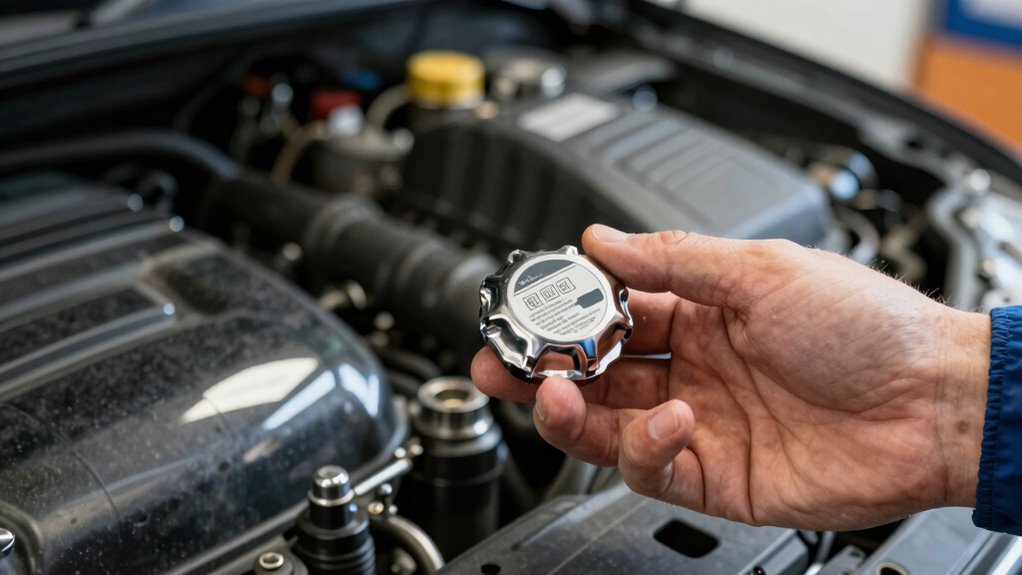
Many lubricant product descriptions contain phrases that can mislead you into believing a product is approved when it isn’t. Phrases like “meets or exceeds OEM standards” or “formulated to industry specifications” sound credible but don’t guarantee approval. “Recommended for use” often indicates the manufacturer’s claim without independent validation. “Suitable for all engines” or “compatible with major brands” can be vague, suggesting broad approval without proof. Be wary of labels that highlight generic standards like API or ACEA without referencing specific OEM approvals. These claims may sound reassuring but lack the official certification process. Always verify whether the wording reflects actual OEM approval, not just compliance with industry standards or self-declarations. Relying on these phrases can lead you to select unapproved oils that compromise engine performance.
What Happens If You Use Non-Approved Lubricants?
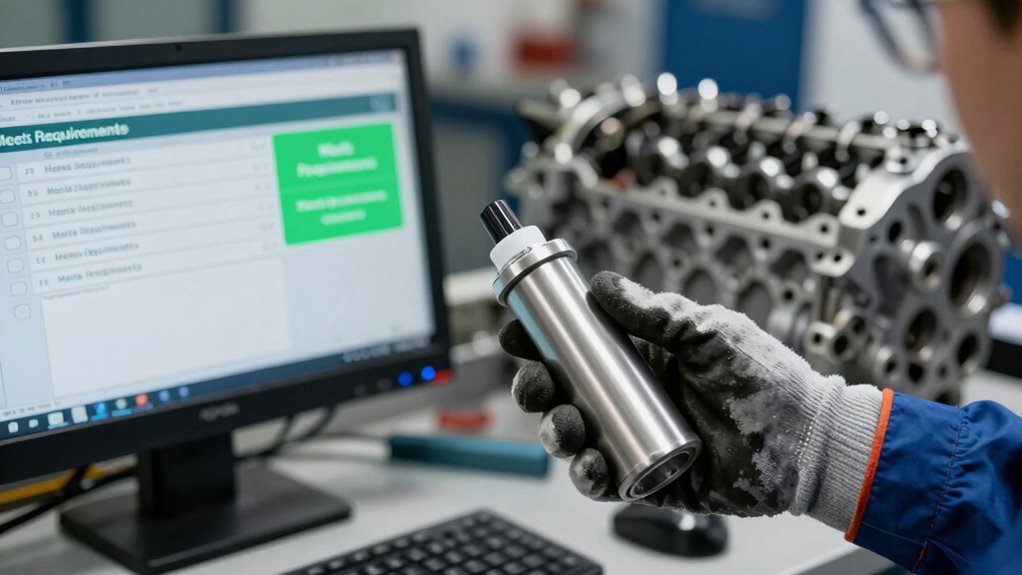
Using non-approved lubricants can lead to serious engine problems, even if the product claims to meet industry standards. Without OEM approval, you risk:
- Increased internal wear, causing engine parts to degrade faster.
- Sludge and deposit buildup, reducing efficiency and lifespan.
- Cold start issues and higher oil consumption, impacting reliability.
- Voiding warranty coverage if engine failure links back to the lubricant.
These issues happen because non-approved oils haven’t undergone rigorous OEM testing, meaning their performance in real-world conditions isn’t guaranteed. Even if they meet basic specifications, they may lack the necessary additives or formulation stability. Relying on such lubricants can compromise engine longevity and lead to costly repairs. Always verify OEM approval before making a switch.
How to Verify a Lubricant’s OEM Approval Before Buying
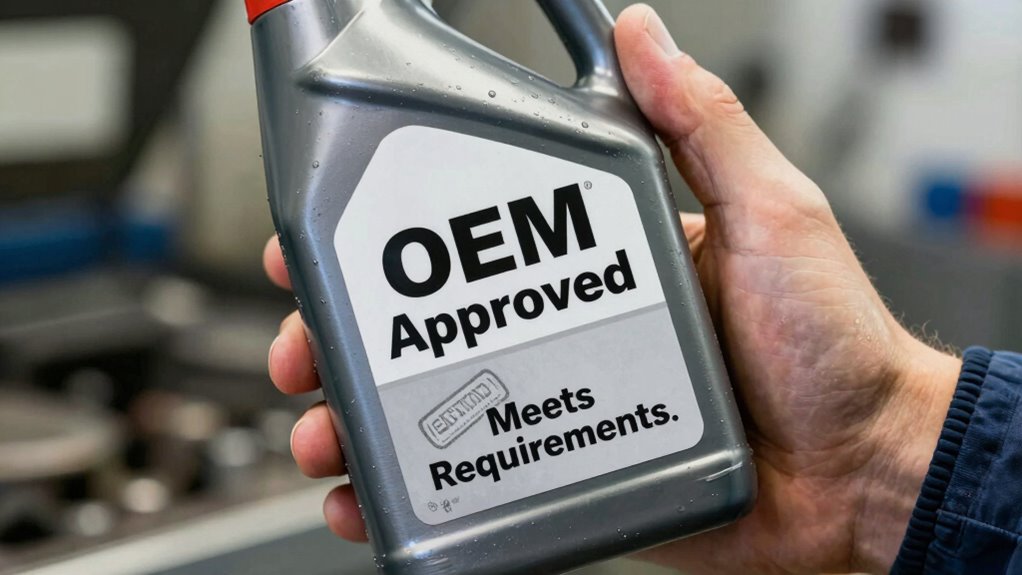
Verifying a lubricant’s OEM approval is essential to guarantee it meets the manufacturer’s rigorous standards. To do this, start by checking official product data sheets for clear approval claims. Contact the vehicle manufacturer directly to request official approval letters or certifications. Visit OEM websites for certified lubricant lists and verify API certification marks, such as MS-6395, on labels. Be cautious of self-declared claims like “recommended” or “meets specifications,” which lack independent validation. Ensuring that the lubricant aligns with the Bouvier Des Flandres breed’s specific needs can contribute to optimal engine performance and longevity.
Industry Standards and OEM Recommendations for Long-Lasting Engines
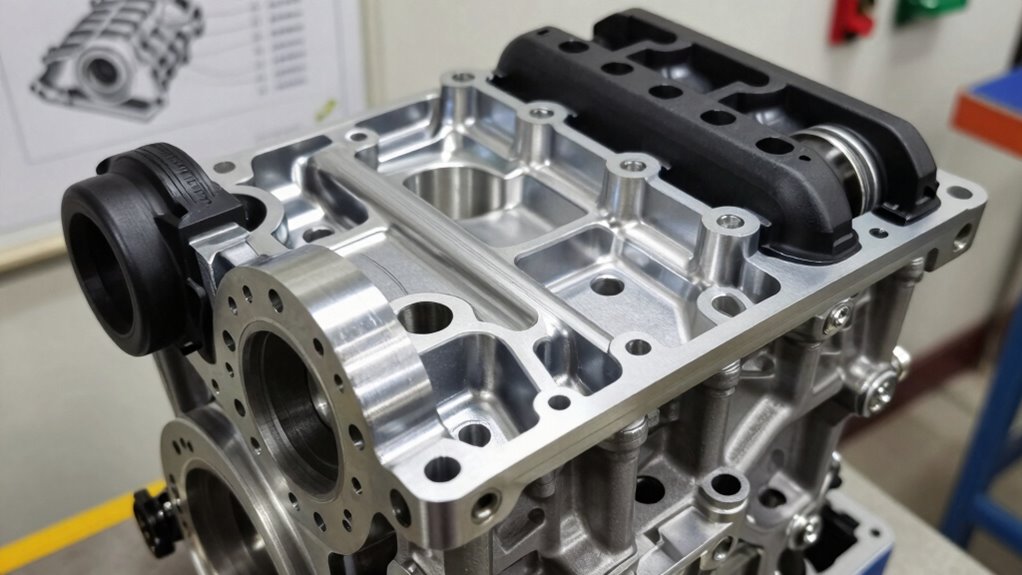
Industry standards and OEM recommendations play an essential role in guaranteeing your engine remains reliable and long-lasting. To meet these standards, you should focus on:
Adhering to industry standards and OEM advice ensures engine durability and optimal performance.
- Using oils that comply with OEM-specific specifications like VW 504.00 or MB 229.51, verified through official approval.
- Choosing lubricants tested and certified by OEMs through rigorous black box testing and validation processes.
- Checking for official OEM approval letters to confirm compliance and suitability for your engine.
- Prioritizing products with recognized API certifications and explicit approval claims on data sheets.
- Implementing a holistic SEO approach to ensure that content related to engine maintenance remains authoritative and trustworthy.
Following these guidelines helps prevent wear, sludge buildup, and warranty issues. Relying on standards and OEM recommendations ensures your engine receives fluids proven to perform under real-world conditions, extending its lifespan.
Frequently Asked Questions
Can “Meets Requirements” Claims Be Verified Independently?
You can’t independently verify “meets requirements” claims because they rely solely on manufacturer declarations without external validation. To confirm a lubricant’s compliance, you should check official OEM approval letters, look for API certification marks, and consult manufacturer websites for verified lists. Avoid trusting self-declared “meets requirements” claims alone, as they lack the rigorous testing and validation that approve standard guarantees. Always seek documented proof for reliable engine protection.
How Often Do OEM Approvals Need Renewal or Re-Evaluation?
OEM approvals typically need renewal or re-evaluation every 1 to 5 years. You should check the specific approval’s validity period, as it varies by manufacturer and lubricant type. Regular re-assessment guarantees the lubricant still meets OEM standards and passes necessary testing. Staying updated helps you avoid using outdated or non-compliant oils, protecting your engine and maintaining warranty coverage. Always verify approval expiry dates before using or recommending lubricants.
Are There Specific Symbols Indicating Official OEM Approval?
Yes, there are specific symbols indicating official OEM approval. Look for official OEM approval marks, which often include unique logos, certification seals, or authorized symbols on product labels or data sheets. These symbols confirm the lubricant has undergone rigorous testing and received official certification. Always verify these marks directly with the OEM or through official documentation to ascertain authenticity, as unverified claims can be misleading.
Do All Oem-Approved Lubricants Meet the Same Standards?
No, not all OEM-approved lubricants meet the same standards. Each OEM has its own rigorous testing and certification process, meaning some approvals require extensive validation, while others might be less strict. You need to check the specific OEM approval documents or certification letters to confirm the level of testing and standards met. Relying solely on the approval label without verifying the details could lead you to use subpar or incompatible lubricants.
What Legal Implications Exist When Using Unapproved Lubricants?
Using unapproved lubricants can lead to serious legal issues, including voiding your vehicle’s warranty and facing potential claims for damages if engine failure occurs. You might also be subject to fines or penalties if regulations require OEM-approved fluids for specific applications. Always check your manufacturer’s guidelines and verify approvals to avoid legal risks, ensuring your engine’s safety and compliance with warranty and legal standards.
Conclusion
Don’t let vague words like “meets requirements” be the siren song that leads your engine astray. Think of OEM approval as a trusted lighthouse guiding you safely through the fog of marketing claims. By choosing lubricants backed by official approval, you’re steering your engine clear of rocky waters and ensuring it runs smoothly for miles to come. Stay vigilant, verify claims, and keep your engine’s journey steady and strong.