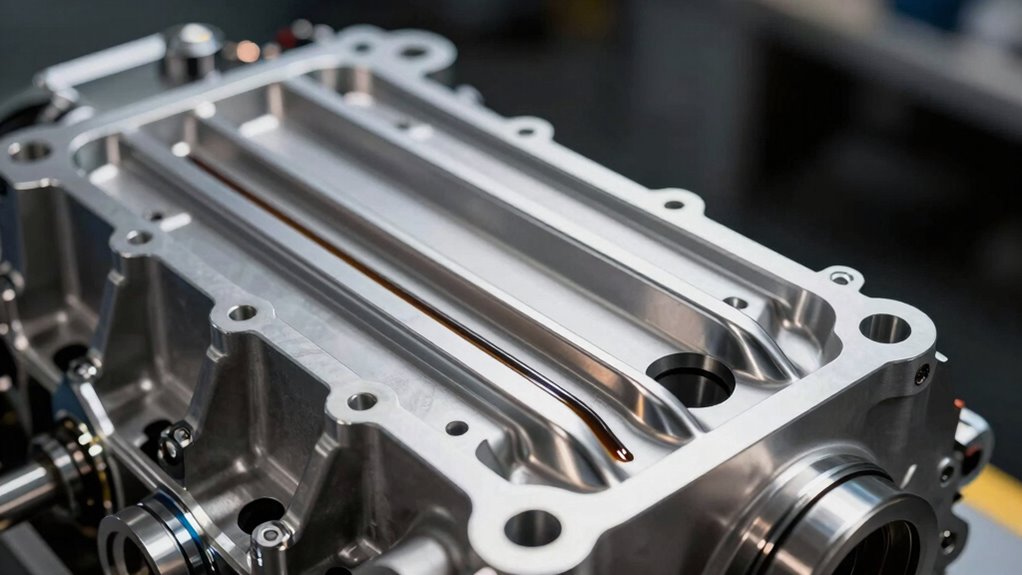

Thinking that thicker oil is safer for your modern engine is a common misconception. Today’s engines are built with tighter tolerances and require specific oil viscosities to function properly. Using a heavier oil can hinder circulation, increase internal friction, and strain your oil pump. Sticking to the manufacturer’s recommended viscosity guarantees your engine runs smoothly and stays protected. Stick around to discover why choosing the right oil matters more than you might think.

Get business pricing on garage and car supplies
- Business-only prices and quantity discounts
- Tax-exempt purchasing
- Multiple users, one account, clear invoices
Key Takeaways
- Modern engines have tighter tolerances that require specific oil viscosities for proper lubrication, making thicker oils unnecessary or harmful.
- Thicker oils can hinder circulation through narrow passages, reducing oil flow and increasing internal friction and engine wear.
- Heavier oils may strain the oil pump and decrease overall engine efficiency, conflicting with modern design goals.
- Advanced additives in modern oils improve lubrication at lower viscosities, diminishing the need for thicker oils for protection.
- Following manufacturer recommendations ensures optimal performance and prevents issues caused by using unnecessarily thick oils.
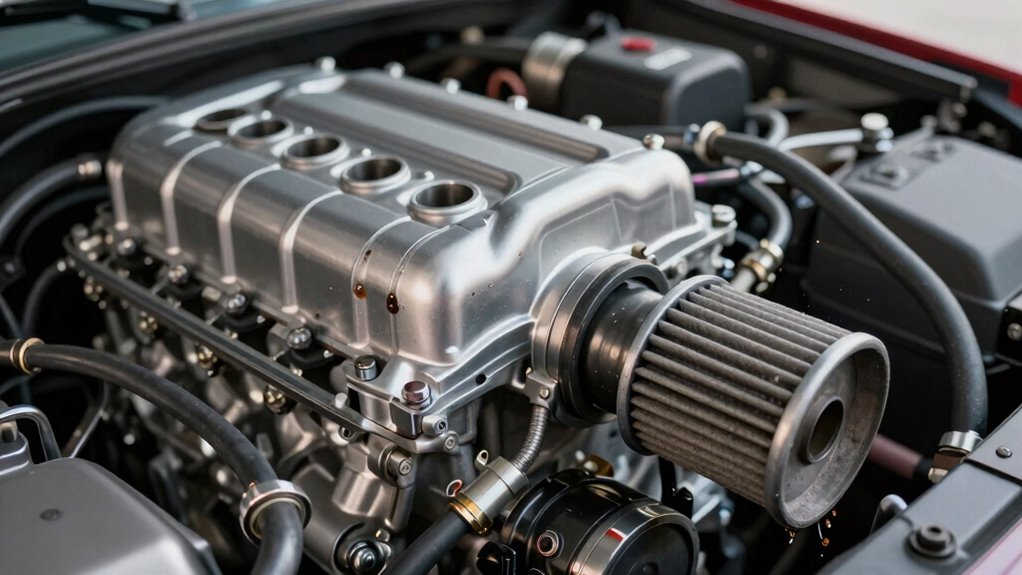
Despite the long-standing belief that thicker engine oils provide better protection, this idea no longer holds true for modern engines. In fact, opting for a heavier oil can sometimes do more harm than good. Engine durability isn’t just about using the thickest oil you can find; it’s about selecting the right oil viscosity designed for your engine’s specific needs. Modern engines are built with tighter tolerances and advanced materials, making the choice of oil viscosity vital to maintaining peak performance and longevity. When you choose an oil that’s too thick, it may not circulate as effectively, leading to increased internal friction and wear. Conversely, an oil that’s too thin might not provide enough lubrication during high-stress conditions, risking metal-on-metal contact.
Thicker oils can hinder modern engine performance; choose the right viscosity for optimal protection and efficiency.
The idea that thicker oils offer better protection stems from older engine designs, where higher viscosity oils helped compensate for looser tolerances and worn parts. Today’s engines, however, operate more efficiently with lighter oils that can flow quickly through narrow passages and reach critical components faster. Modern engine oils are formulated with advanced additives that improve their lubricating properties without requiring increased thickness. These additives help protect engine parts against corrosion, reduce friction, and keep the engine cleaner, all while maintaining a suitable viscosity for the engine’s operating temperature. Additionally, advancements in additive technology have made modern oils more effective at lower viscosities.
You need to pay attention to your vehicle manufacturer’s recommended oil viscosity. For example, using a 5W-30 oil in a modern engine ensures proper flow at cold start and stable lubrication at operating temperatures. Using a thicker oil, like 10W-40 or higher, might seem like it offers extra protection, but it can actually hinder engine performance. Thicker oils struggle to circulate through tighter clearances, leading to increased strain on the oil pump and reduced engine efficiency. Over time, this can impact engine durability, as the engine can’t receive the proper lubrication it needs to function smoothly.
Choosing the correct oil viscosity isn’t just about following old myths; it’s about aligning with your engine’s design and operational needs. Modern engine oils are engineered to perform effectively at specific viscosities, providing excellent protection while enabling smoother operation. When you stick to the manufacturer’s recommendations, you guarantee your engine maintains its durability and runs efficiently for miles to come. Remember, the goal isn’t to use the thickest oil possible but to select the right viscosity that supports your engine’s unique needs, ensuring longevity and reliable performance over time. Being aware of engine design advancements can help you make more informed decisions about oil choices.
As an affiliate, we earn on qualifying purchases.
Frequently Asked Questions
How Does Oil Viscosity Impact Engine Performance?
You’ll notice that oil viscosity impacts your engine’s performance by affecting lubrication and fuel efficiency. Thinner oils, like those with lower viscosity grades, flow easily, improving cold starts and fuel economy, especially with synthetic options. Conventional oils tend to have higher viscosity grades, providing better protection at high temperatures. Choosing the right viscosity grade guarantees your engine runs smoothly, but thicker oil isn’t always better—modern engines often require specific oil types for ideal performance.
Are Thicker Oils Better for High-Mileage Engines?
Like a seasoned traveler, your high-mileage engine benefits more from synthetic blends than thick oils. Thicker oils can trap deposits, but they often lack the flow needed for modern engines. Instead, look for oils with added oil additives that reduce wear and improve lubrication. These thinner, high-quality options help keep your engine running smoothly, just as a well-maintained vessel navigates seamlessly through changing waters.
What Are the Signs of Using the Wrong Oil Thickness?
If you’re using the wrong oil thickness, you might notice low oil pressure or increased engine noise. Thin oil can cause insufficient lubrication, leading to knocking sounds, while thick oil might hinder proper flow, resulting in sluggish startup and higher pressure readings. Keep an eye on these signs to avoid potential engine damage. Switching to the correct oil viscosity helps maintain peak performance and prevents costly repairs down the line.
How Often Should I Change My Engine Oil?
Changing your engine oil every 3,000 to 5,000 miles is essential to prevent catastrophic engine failure. Oil contamination builds up quickly, and proper oil filtration helps remove debris and sludge. Regular oil changes guarantee your engine runs smoothly and efficiently. Skipping intervals can cause damage, so stick to your vehicle’s recommended schedule. Think of it as giving your engine a critical health boost to keep it performing like a champion.
Does Oil Thickness Affect Fuel Efficiency?
Yes, oil thickness affects fuel efficiency. Thinner oils, like synthetic blends, reduce engine resistance, helping your car run smoother and use less fuel. Thick oils with added oil additives can increase friction, lowering efficiency. Using the right viscosity recommended by your vehicle’s manufacturer guarantees ideal performance. So, choosing the appropriate oil thickness and quality can improve your fuel economy and engine longevity.
As an affiliate, we earn on qualifying purchases.
Conclusion
So, don’t assume that thicker always means safer when it comes to modern engines. Technology evolves, and what worked before might just be a red herring now. You’ve got to stay informed and think critically—sometimes, the best course of action is to dig a little deeper. Remember, the devil is in the details, and trusting outdated rules can lead you astray. Keep your eyes open and your engine running smoothly.
As an affiliate, we earn on qualifying purchases.
high-performance engine oil additives
As an affiliate, we earn on qualifying purchases.
As an affiliate, we earn on qualifying purchases.
Halloween Picks
halloween
As an affiliate, we earn on qualifying purchases.