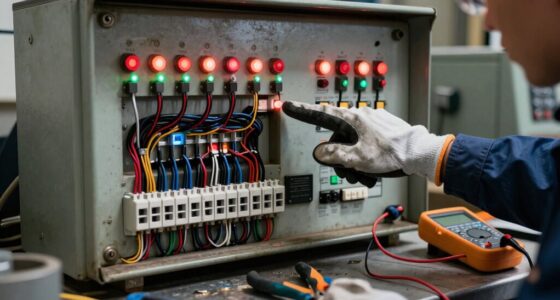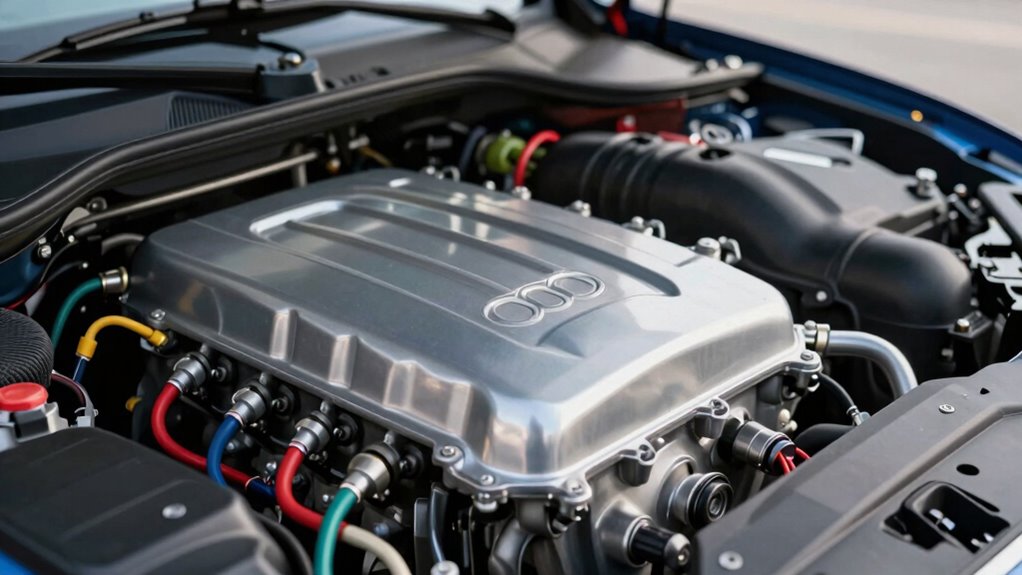
OEM Approved means a product has been tested or verified to meet the original manufacturer’s standards for quality, safety, and performance. It doesn’t always mean the parts are made by the vehicle brand, but they still meet strict standards from the original maker. This guarantees the part is reliable, safe, and fits well with your vehicle. Understanding what OEM Approved means helps you make smarter choices—learn more about its importance below.

Get business pricing on garage and car supplies
- Business-only prices and quantity discounts
- Tax-exempt purchasing
- Multiple users, one account, clear invoices
Key Takeaways
- ‘OEM Approved’ means the part meets the original manufacturer’s quality, safety, and performance standards.
- It indicates the part has been tested or certified, ensuring reliability and compatibility.
- ‘OEM Approved’ does not necessarily mean it is made by the vehicle’s brand but by reputable suppliers.
- It offers a trustworthy, cost-effective alternative to original parts without compromising quality.
- Choosing OEM Approved parts helps maintain vehicle safety, performance, and longevity.
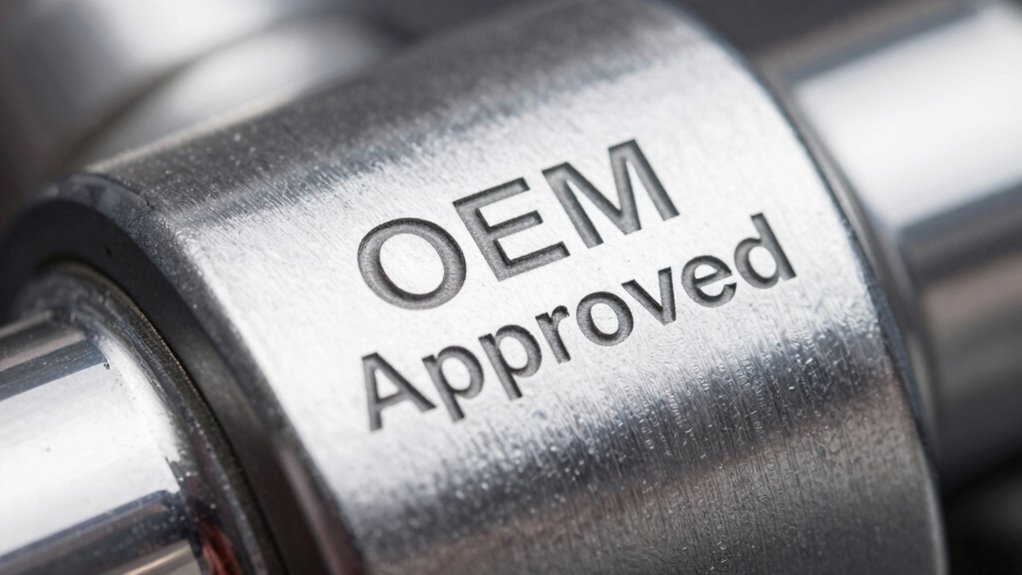
Ever wondered what “OEM Approved” really means when shopping for auto parts or accessories? It’s a label that can seem vague or confusing, especially when you’re trying to decide between OEM parts and aftermarket parts. Essentially, “OEM Approved” indicates that a product has been tested or verified to meet the original manufacturer’s standards. This doesn’t necessarily mean it’s made by the car’s brand, but rather that it adheres to their quality, safety, and performance benchmarks. When you see this label, you can feel more confident about the part’s reliability, even if it’s produced by a different company. It’s a way for consumers to gauge brand trust, knowing that an aftermarket part isn’t just a cheap imitation but has been approved for quality and compatibility.
OEM Approved means the part meets the original manufacturer’s standards for quality, safety, and performance.
Many aftermarket parts manufacturers aim to create components that match or surpass the original equipment manufacturer (OEM) specifications. These aftermarket parts are often more affordable and readily available, making them attractive options for repairs or upgrades. However, not all aftermarket parts are created equal. That’s where the “OEM Approved” label becomes valuable—it acts as a mark of assurance that the part has undergone testing or certification to meet the standards set by the original manufacturer. This provides peace of mind, especially if you’re concerned about longevity or performance. When a product is OEM Approved, it’s a signal that the brand behind it has earned your trust, knowing they’ve met strict quality benchmarks.
It’s important to remember that OEM Approved doesn’t always mean the part is made by the vehicle’s original manufacturer. Instead, it often means that the part is made by a reputable supplier that has gone through a certification process or has been tested to meet the original standards. This is particularly relevant when considering aftermarket parts, which are sometimes viewed with skepticism. But when a part is OEM Approved, it bridges the gap—giving you the confidence that the aftermarket option is a reliable choice backed by brand trust. So, whether you’re replacing a vital component or upgrading your vehicle, look for the OEM Approved label as a sign of quality and assurance.
In short, “OEM Approved” is a valuable indicator that the product has met or exceeded the original manufacturer’s specifications. It’s a way for you to navigate the often confusing world of auto parts, especially when considering aftermarket parts, by focusing on brand trust and quality assurance. By choosing OEM Approved parts, you’re making a smarter decision to keep your vehicle running smoothly and safely, without compromising on reliability.
As an affiliate, we earn on qualifying purchases.
Frequently Asked Questions
Can I Mix OEM Approved Parts With Non-Approved Parts?
Yes, you can mix OEM approved parts with non-approved aftermarket alternatives, but you should consider compatibility considerations first. Mixing parts might save you money or offer more options, but verify the non-approved parts meet the same quality and specifications. Some aftermarket alternatives may not fit perfectly or could impact your vehicle’s performance. Always check manufacturer guidelines and consult a professional if you’re unsure about compatibility.
Does OEM Approval Guarantee the Best Quality?
OEM approval doesn’t guarantee the best quality, but it does mean the part meets strict manufacturing standards set by the vehicle maker. While aftermarket alternatives can be cheaper, they might not always match OEM quality or durability. You should compare options carefully, considering your vehicle’s needs and trusted brands, rather than relying solely on OEM approval as proof of superior quality. Always research to make certain you’re getting the right part.
Are OEM Approved Parts More Expensive Than Generic Ones?
OEM approved parts are usually more expensive than generic aftermarket alternatives, but they often match the original quality and fit perfectly. Think of it as choosing a luxury brand versus a generic store brand; you pay more for the trusted quality. When considering cost comparison, remember that OEM parts might save you money long-term by lasting longer and performing better, even if their upfront price is higher.
How Often Do OEM Standards Get Updated?
OEM standards typically update periodically, often every few years, to make certain manufacturer consistency and accommodate new technology. These updates involve rigorous part certification processes, maintaining quality and safety. As a vehicle owner, you should check with your manufacturer or authorized dealer for the latest standards, as updates may vary depending on the vehicle model and brand. Staying informed guarantees that your parts meet the most current OEM requirements.
Is OEM Approval Required for Warranty Coverage?
Did you know 85% of vehicle manufacturers require OEM approval for warranty coverage? Yes, using aftermarket accessories or repairs from non-approved sources can sometimes void your warranty. To stay protected, verify your repair shop holds proper certifications and uses OEM-approved parts. This way, you maintain warranty coverage and ensure quality, giving you peace of mind knowing your vehicle meets the manufacturer’s standards.
OEM Approved auto replacement parts
As an affiliate, we earn on qualifying purchases.
As an affiliate, we earn on qualifying purchases.
Conclusion
Now that you understand what “OEM approved” truly means, you can confidently make informed choices. Remember, just like the faithful steed that carried knights through medieval times, OEM approval guarantees quality and reliability. Don’t be fooled by fancy labels or marketing tricks. Instead, trust the standards set by the original manufacturer—because in this game, as in life, sticking to what’s proven often leads to victory. Stay sharp, and always choose wisely.
As an affiliate, we earn on qualifying purchases.
As an affiliate, we earn on qualifying purchases.
Halloween Picks
halloween
As an affiliate, we earn on qualifying purchases.