
When checking gear oil for oxidation, your nose is one of your best tools. A burnt or sour smell indicates chemical breakdown, signaling that the oil has oxidized and may no longer protect your gears effectively. This smell test often alerts you before visual signs appear. If you want to learn more about using scent as an early warning and how to maintain your gear oil quality, keep exploring these simple yet essential tips.
Key Takeaways
- The burnt or sour smell indicates advanced oxidation and chemical breakdown of the gear oil.
- Smell tests serve as early warnings before visible sludge or discoloration appear.
- A change in odor suggests increased acidity and formation of harmful oxidation byproducts.
- Regular smell inspection can help detect oxidation early, preventing gear damage.
- Combining smell tests with visual and chemical analysis ensures comprehensive gear oil condition assessment.
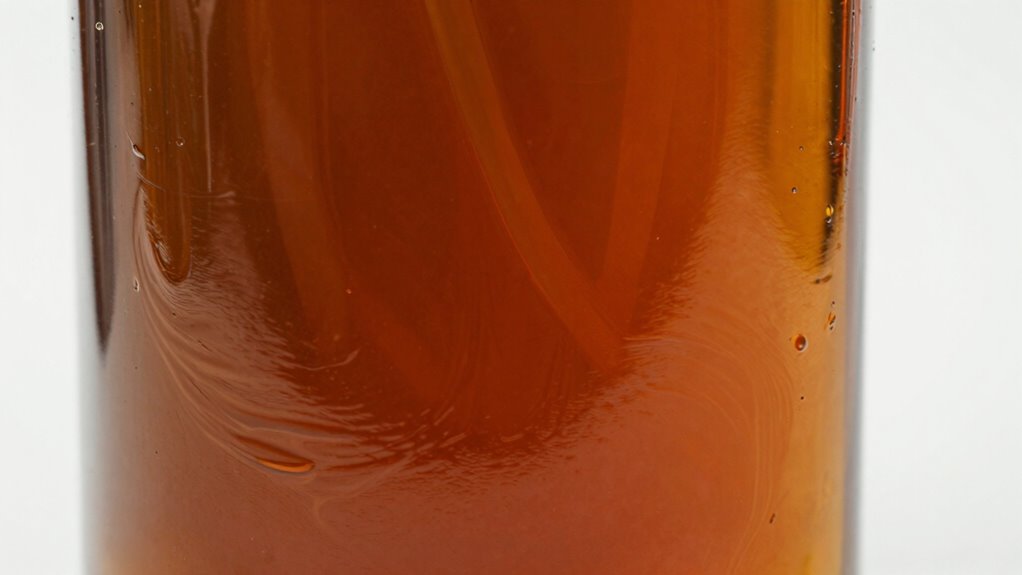
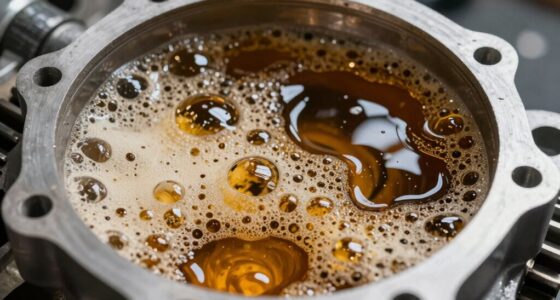
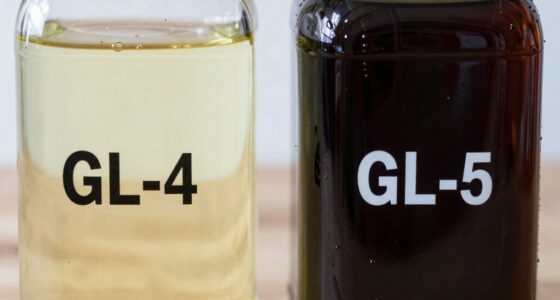
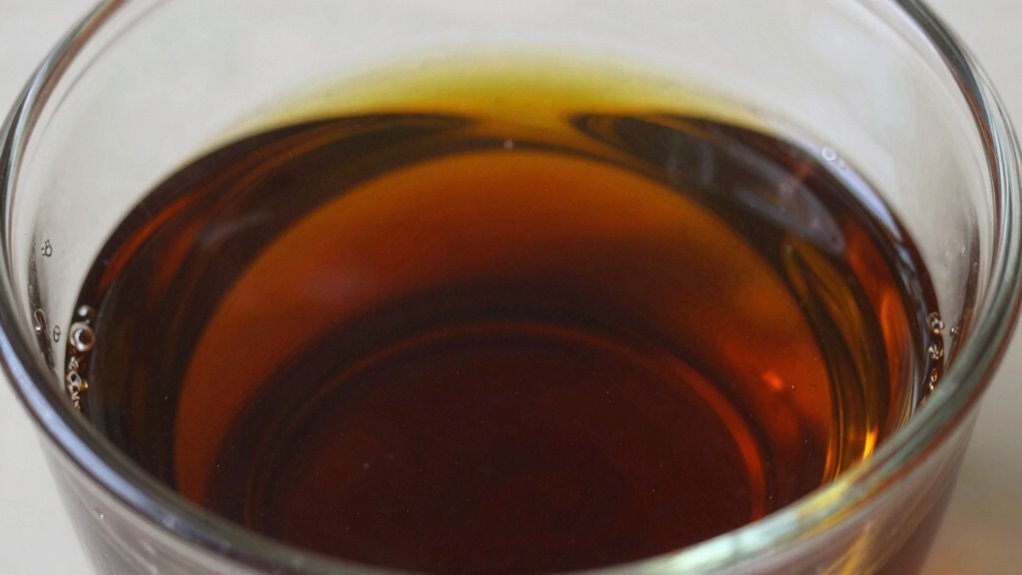
Gear oil oxidation occurs when the oil reacts with oxygen over time, leading to chemical changes that can impair its performance. As the oil ages, it undergoes lubricant degradation, which reduces its ability to protect gears from wear and tear. You might notice that the oil’s viscosity starts to thicken or thin unexpectedly, signaling that oxidation is taking place. Oxidation indicators, such as darkening of the oil, the formation of sludge, or a burnt smell, serve as warning signs that your gear oil is no longer performing *ideal*. Recognizing these signs early can save you money and prevent equipment failure.
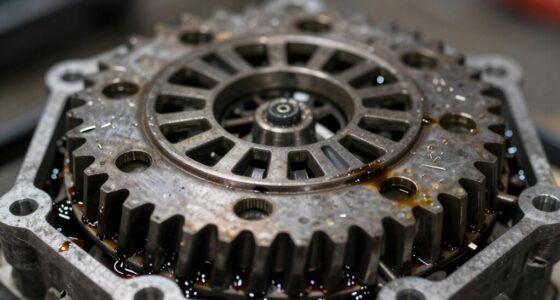
Over time, exposure to heat, moisture, and contaminants accelerates oxidation, breaking down the oil’s molecular structure. This process creates acids, sludge, and varnish that can clog gears and seals, further accelerating lubricant degradation. When the oil becomes contaminated and oxidized, it loses its lubricating properties, leading to increased friction and wear. You might feel a difference in gear shifts or hear unusual noises, which are often symptoms of deteriorating oil quality. Monitoring oxidation indicators such as color change, acidity levels, and the presence of sludge helps you gauge when to change or top off the gear oil.
In practical terms, the smell test can be surprisingly revealing. A burnt or sour smell indicates that oxidation has advanced beyond simple lubricant degradation. This smell results from the formation of decomposition products that no longer serve their purpose of protecting your gears. If you notice this smell along with other signs like increased temperature or vibration, it’s a clear signal that your gear oil needs immediate attention. Relying solely on visual cues isn’t enough; often, the smell test acts as an early warning, alerting you before more severe damage occurs. Additionally, understanding the chemical changes that occur during oxidation can help you better interpret these warning signs and take proactive measures.
Prevention is key. Regular oil analysis, including checking for oxidation indicators, can help you catch oil deterioration early. Using additives designed to resist oxidation or choosing oils with higher oxidation stability can extend the life of your gear oil. Remember, once the oil starts to oxidize, its ability to lubricate diminishes rapidly, leading to potential gear failure. Staying vigilant about these signs, especially the smell, allows you to maintain *ideal* gear performance and avoid costly repairs. Ultimately, understanding the connection between lubricant degradation, oxidation indicators, and smell helps you make smarter maintenance decisions, ensuring your machinery runs smoothly for longer.

Transmission Fluid Tester Kit Gasoline & Diesel Gearbox Oil Diagnostic Tool High-Precision Diagnostic Analysis Tool with 31.5in Probe Transmittance/Temperature Testing, 2.8in Display (4 Batteries)
【WHY NEED IT】Our transmission fluid tester features an advanced optical probe that measures light transmittance within the transmission…
As an affiliate, we earn on qualifying purchases.
As an affiliate, we earn on qualifying purchases.
Frequently Asked Questions
How Often Should Gear Oil Be Replaced to Prevent Oxidation?
You should replace your gear oil every 30,000 to 60,000 miles, depending on your vehicle’s maintenance schedule. Regular oil change intervals help prevent oxidation, which can cause gear wear and failure. Always follow your manufacturer’s recommended maintenance schedules, and check the oil’s condition periodically. If you notice a burnt smell or metal shavings, it’s time for an oil change sooner to keep your gears in top shape.
Can Oxidation Damage Gear Components Over Time?
You bet oxidation can damage your gear components over time. When lubrication degrades due to oxidation, it loses its protective qualities, exposing metal parts to corrosion. This corrosion weakens the gears, increasing wear and risk of failure. Don’t wait until it’s too late—regularly check and replace your gear oil to prevent oxidation from turning into a costly problem. Staying ahead is key to keeping everything running smoothly.
What Are the Signs of Gear Oil Oxidation Besides Smell?
Besides smell, you’ll notice signs of gear oil oxidation through metal debris in the fluid and discoloration. Metal debris indicates wear from damaged gear components, while discoloration, such as darkening or a milky appearance, shows the oil has broken down. These signs suggest the oil is no longer providing proper lubrication, risking damage to your gears. Regularly inspecting your gear oil helps catch oxidation early and prevents costly repairs.
Are There Effective Additives to Prevent Gear Oil Oxidation?
Think of additives as your gear oil’s shield, fighting off oxidation like brave warriors. You can find effective additives designed specifically for oxidation prevention, which often contain antioxidants that slow down the chemical aging process. When you choose high-quality additives, you enhance their effectiveness, giving your gear oil a longer, healthier life. Regular use of these treatments helps maintain best performance, saving you money on repairs and ensuring smooth operation.
How Does Temperature Influence Gear Oil Oxidation Rates?
Temperature markedly influences gear oil oxidation rates through thermal acceleration. As temperatures rise, oxidation speeds up, causing the oil’s viscosity to change and break down faster. You’ll notice this when the oil becomes thinner or thicker than usual, indicating it’s losing effectiveness. To prevent wear and damage, you should monitor operating temperatures carefully and consider using additives that help resist thermal acceleration and maintain stable viscosity levels.

The Smell Project Smell Training Kit – Olfactory Training Kit with 10ml Real Essential Oils – Smell Therapy for Smell Loss
Smell Training With Real Essential Oils – Real essential oils have strong odor ideally suited to smell training….
As an affiliate, we earn on qualifying purchases.
As an affiliate, we earn on qualifying purchases.
Conclusion
By paying attention to the smell, you can detect gear oil oxidation early, prevent costly repairs, and extend your equipment’s lifespan. Trust your nose, trust your instincts, and trust the smell test as your first line of defense. Recognize the warning signs, take immediate action, and maintain your gear oil’s health. Stay proactive, stay vigilant, and keep your machinery running smoothly—because a simple smell can save you from complex problems.

Lucas Oil 10047 SAE 75W-90 Synthetic Gear Oil/Transmission and Differential Lube – 1 Quart
Fit type: Vehicle Specific
As an affiliate, we earn on qualifying purchases.
As an affiliate, we earn on qualifying purchases.

Oil Analysis Premier Kit by Under My Hood with return postage included
NOT FOR USE ON AIRCRAFT!
As an affiliate, we earn on qualifying purchases.
As an affiliate, we earn on qualifying purchases.