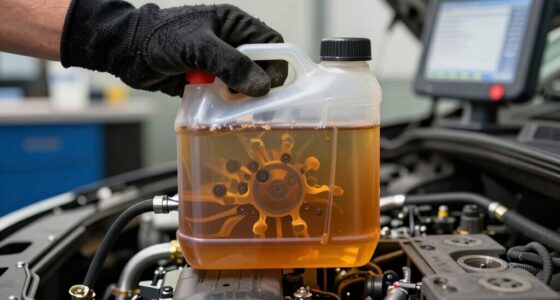
If you’re noticing rhythmic clicking or grinding noises during sharp turns or acceleration, you’re likely dealing with clutch-type LSD chatter, especially if vibrations sync with differential activity. Tire hop, however, causes bouncing or skipping over bumps and uneven surfaces, often linked to tire or suspension issues. Recognizing whether vibrations are rhythmic or oscillating helps identify the cause. Keep exploring, and you’ll better understand the differences to diagnose your vehicle’s behavior more confidently.
Key Takeaways
- LSD chatter produces rhythmic clicking or grinding sounds during aggressive turns or acceleration, unlike the bouncing sensation of tire hop.
- Tire hop causes oscillating, bouncing feelings over bumps, whereas LSD chatter involves subtle jerks aligned with differential engagement.
- Excessive drive shaft imbalance and stiff suspension amplify LSD chatter vibrations, while tire issues relate to tire wear or imbalance.
- Rhythmic vibrations suggest clutch-type LSD chatter, while irregular bouncing indicates suspension or tire-related problems.
- Diagnosing based on occurrence during cornering or acceleration versus over bumps helps distinguish LSD chatter from tire hop.
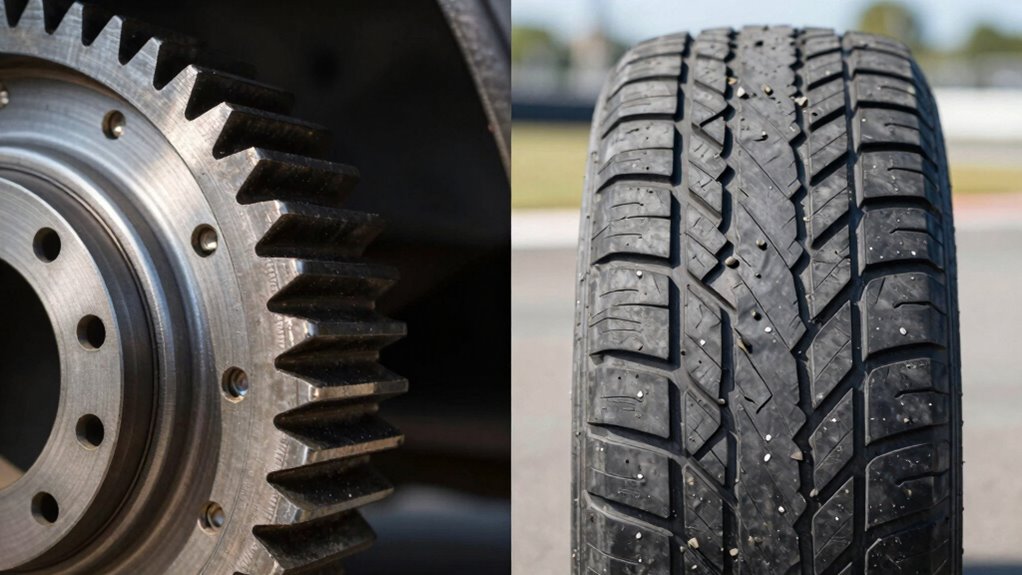
When you’re driving a vehicle equipped with a clutch-type limited-slip differential (LSD), you might notice unusual vibrations or noises during aggressive cornering or acceleration. These sensations can be confusing, especially since they often mimic other issues like tire hop. Understanding the difference between clutch-type LSD chatter and tire hop is vital to diagnosing your vehicle’s behavior correctly. One of the key factors influencing these symptoms is drive shaft imbalance. If your drive shaft isn’t perfectly balanced, it can cause vibrations that feel like chattering, especially at certain speeds or during hard turns. Similarly, suspension stiffness plays a significant role. A stiff suspension transmits more road vibrations directly to the chassis, amplifying any subtle noises or shakes caused by the differential or other drivetrain components. Additionally, inspecting the drivetrain components regularly can help identify early signs of imbalance or wear that contribute to these vibrations.
Drive shaft imbalance and stiff suspension can amplify LSD chatter and vibrations during aggressive driving.
LSD chatter typically occurs when the clutch plates inside the differential engage and disengage rapidly under load, creating a rhythmic clicking or grinding noise. You might feel a slight jerk or vibration that coincides with these sounds, particularly when pushing through tight corners or accelerating hard out of turns. This isn’t necessarily a sign of damage but rather a characteristic of the clutch-type LSD working as designed. However, if your drive shaft isn’t balanced correctly, it can exacerbate these vibrations, making the chatter more noticeable or uncomfortable. Similarly, if your suspension is stiff, it can transmit these differential-related vibrations more directly to your seat or steering wheel, making the chatter seem more pronounced.
On the other hand, tire hop is often caused by issues unrelated to the differential’s internal mechanics. It usually occurs when a tire loses contact with the road momentarily due to uneven tire wear, improper inflation, or suspension problems. Tire hop tends to produce a more oscillating or bouncing sensation rather than a rhythmic chatter. If your suspension isn’t absorbing shocks properly, or if your tires aren’t balanced or aligned correctly, you might experience this hop during aggressive driving. Unlike LSD chatter, tire hop is more of a suspension or tire issue than a differential behavior.
To differentiate between the two, pay attention to when the vibration or noise occurs. If it coincides with aggressive cornering or acceleration and seems tied to drivetrain activity, it’s likely LSD chatter, possibly worsened by drive shaft imbalance or a stiff suspension transmitting noise. If the vibration feels more like bouncing or skipping, especially over bumps or uneven surfaces, tire hop related to suspension or tire issues is probably the cause. Recognizing these differences helps you address the root problem quickly, ensuring your vehicle operates smoothly and safely.
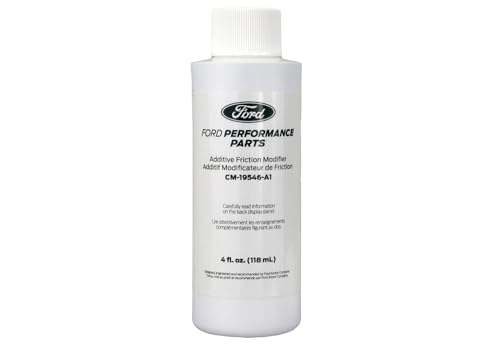
Ford Friction Modifier Additive, Clutch Type Limited Slip Differential, 3.80 oz Bottle, Each
Country of Origin : China
As an affiliate, we earn on qualifying purchases.
As an affiliate, we earn on qualifying purchases.
Frequently Asked Questions
Can Clutch-Type LSD Chatter Be Completely Eliminated?
You can’t completely eliminate clutch-type LSD chatter, but you can reduce it markedly. Regularly check and replace clutch wear components to maintain proper engagement. Ensuring high-quality, appropriate oil also minimizes chatter caused by insufficient lubrication. Additionally, driving style and proper maintenance play roles. While some chatter is inevitable due to wear and design, diligent upkeep and using the right oil help keep it as minimal as possible.
How Does Tire Hop Affect Vehicle Handling During Cornering?
Tire hop destabilizes your vehicle during cornering, contrasting sharply with the smooth grip you need. It causes sudden, unpredictable shifts in traction, reducing vehicle stability and cornering grip. While you might feel your car jerking or bouncing, it’s actually losing traction intermittently, making handling less predictable. This hampers your confidence and control, especially in tight turns, emphasizing the importance of maintaining proper suspension and tire condition to prevent tire hop.
Are There Specific Driving Conditions That Worsen Clutch Chatter?
Yes, specific driving conditions can worsen clutch chatter. If you drive on rough road surfaces or frequently accelerate aggressively, the chatter becomes more noticeable. Your driving style plays a role too; sudden or jerky throttle inputs increase stress on the clutch, amplifying chatter. To minimize it, avoid harsh driving on uneven roads and adopt smoother, controlled acceleration. Regular maintenance also helps keep clutch engagement consistent, reducing chatter effects.
What Maintenance Steps Can Reduce Tire Hop?
Ever wondered how to minimize tire hop? You should regularly check and maintain proper tire pressure, as under- or over-inflated tires can cause instability. Additionally, ensuring your wheel alignment is correct helps distribute forces evenly, reducing vibrations. Keep these maintenance steps in mind, and you’ll experience smoother rides with less tire hop. Have you scheduled your wheel alignment and tire pressure check lately? Regular upkeep keeps your vehicle performing at its best.
Does Upgrading to Aftermarket LSDS Impact Chatter or Tire Hop?
Upgrading to aftermarket LSDS can influence both chatter and tire hop, depending on your drivetrain modifications. Aftermarket upgrades often feature improved components that can reduce chatter by providing smoother engagement. However, if not properly tuned or installed, they might increase tire hop. You should carefully select aftermarket LSDS designed for your vehicle and consider drivetrain modifications that optimize performance and minimize unwanted vibrations.

JEUCLEL 8TS 1/2" Special Socket for Nissian Balance shaft fixings 3 Tooth Socket Wrench Tool, Cylinder Head Bolt Screw Removal Brake Caliper Socket
【Secialized tool】A specialized socket for disassembling the crankshaft balancing bolt, designed specifically for NISSAN vehicles. It features a…
As an affiliate, we earn on qualifying purchases.
As an affiliate, we earn on qualifying purchases.
Conclusion
Now that you can distinguish clutch-type LSD chatter from tire hop, you’re better equipped to beat the bugbear of bumper-to-bumper blunders. Recognize the rhythmic rattle of clutch chatter versus the hopping heartbreak of tire hop, and respond confidently. With clarity and caution, you conquer the car’s cues, creating a confident, controlled connection on the course. Keep keen, stay savvy, and steer smoothly — because understanding these unsettling sounds makes every drive safer and more satisfying.
car suspension stiffening upgrade
As an affiliate, we earn on qualifying purchases.
As an affiliate, we earn on qualifying purchases.

Motorcycle Wheel Balance Stand, Heavy-Duty Single-Axle Wheel Balancing Tool for Static & Dynamic Tire Alignment
Compatible with most motorcycle wheels including sport and dirt bike tires 12 inches and larger ensuring a wide…
As an affiliate, we earn on qualifying purchases.
As an affiliate, we earn on qualifying purchases.