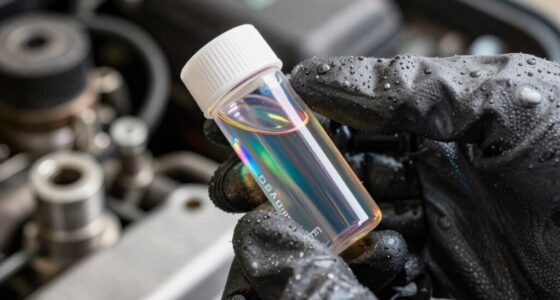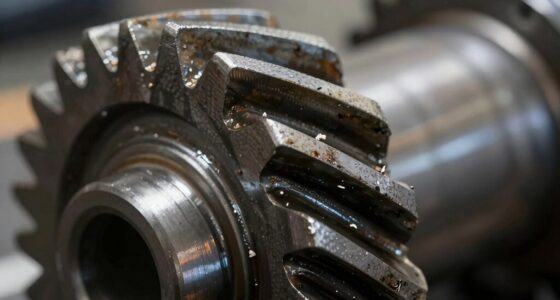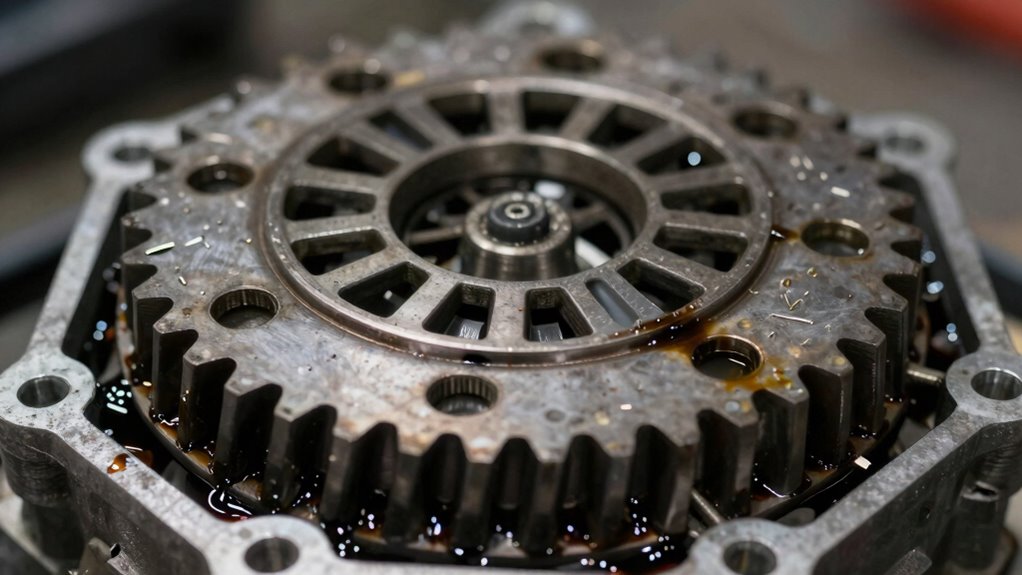

Using the wrong transfer case fluid affects clutch performance by disrupting proper engagement. If the fluid’s viscosity is too thick, it causes resistance, binding, and hopping during shifts, while too thin fluid can’t provide adequate lubrication or hydraulic pressure. Both extremes lead to clutch sticking, slipping, and increased wear, which can damage your drivetrain. Ensuring you use the correct fluid balance is key to smooth operation. Keep exploring to discover how proper maintenance can prevent these issues.
Key Takeaways
- Incorrect fluid viscosity can cause clutch plates to stick or slip, leading to binding or hopping.
- Too thick fluid increases resistance, making clutch engagement difficult and causing jerky shifts.
- Excessively thin fluid results in poor lubrication, reducing hydraulic pressure for proper clutch operation.
- Using the wrong fluid accelerates wear and can generate excessive heat, worsening binding and hopping issues.
- Proper fluid selection and regular maintenance ensure smooth transfer case clutch function and prevent binding.
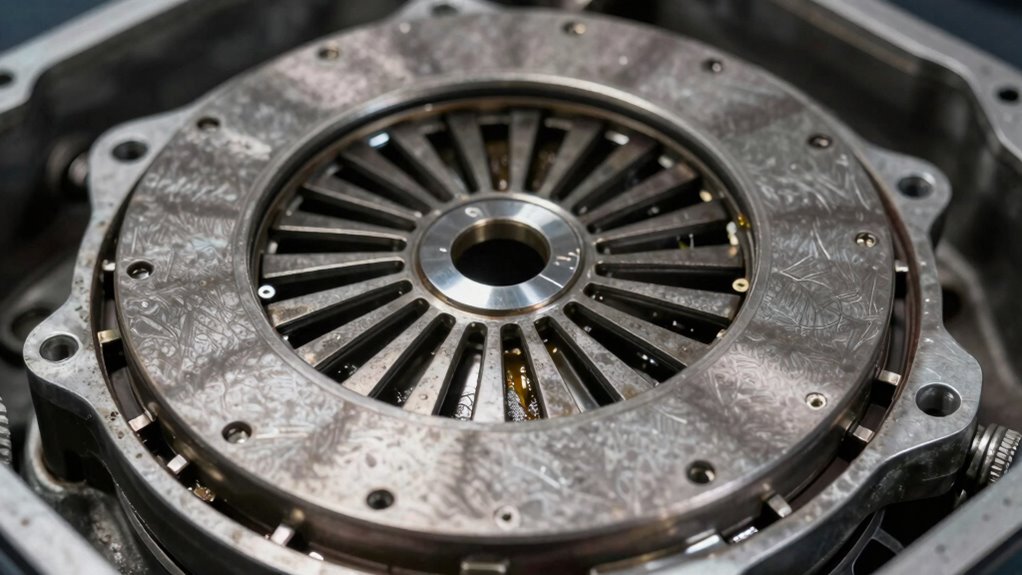
Transfer case clutches are essential components in four-wheel-drive and all-wheel-drive systems, enabling smooth engagement and disengagement of the drivetrain. When these clutches operate properly, they transfer power seamlessly between the engine and wheels, giving you better control and stability on various terrains. However, if the clutch engagement isn’t smooth or if you notice binding or hopping during operation, the issue often boils down to the fluid inside the transfer case. Specifically, using the wrong fluid or one with incorrect fluid viscosity can cause significant problems.
Fluid viscosity plays a fundamental role in how well transfer case clutches function. The right viscosity ensures that the clutch plates engage smoothly without slipping or grabbing unexpectedly. If the fluid is too thick due to high viscosity, it can create excessive resistance, making it harder for the clutch to fully engage or disengage. This results in binding, where the clutch sticks momentarily, or hopping, where the drivetrain jerks during shifts. Conversely, if the fluid is too thin because of low viscosity, it may not provide enough lubrication or hydraulic pressure to operate the clutch correctly, leading to slipping or inconsistent engagement. Both scenarios compromise the system’s performance and can accelerate wear on the clutch components. Proper fluid viscosity management is crucial for maintaining clutch performance and longevity.
Proper transfer case fluid viscosity ensures smooth clutch engagement and prevents binding or slipping.
Choosing the correct fluid isn’t just about matching the manufacturer’s specifications; it’s about understanding how fluid viscosity interacts with the transfer case’s internal mechanisms. Many vehicle manufacturers specify a particular type of gear oil or transfer case fluid to optimize clutch engagement and protect against thermal breakdown. Using a fluid with the wrong viscosity can cause the clutch plates to stick or slip, especially when the system heats up during driving. Over time, this can lead to increased wear, reduced efficiency, and even costly repairs.
You should regularly check your transfer case fluid and replace it according to the maintenance schedule. When you do, confirm that you’re using the right fluid type with the correct viscosity rating. If you notice issues like binding or hopping, it’s often a sign that the fluid isn’t performing as it should. Addressing this early by switching to the proper fluid can restore smooth clutch engagement and prevent further damage. Remember, the health of your transfer case depends heavily on using the right fluid and maintaining proper fluid viscosity, ensuring your four-wheel-drive system functions reliably in all conditions.
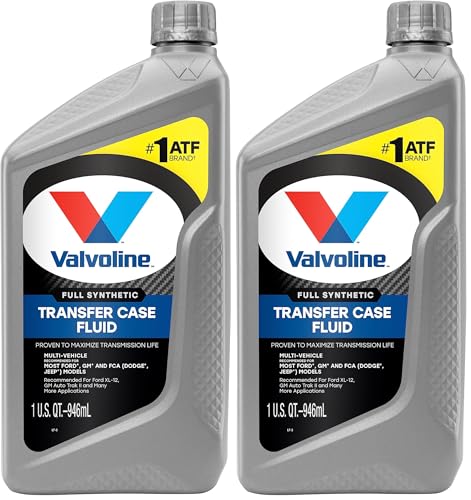
Valvoline Multi-Vehicle (TCF) Conventional Transfer Case Fluid 1 QT (Pack of 2)
The information below is per-pack only
As an affiliate, we earn on qualifying purchases.
As an affiliate, we earn on qualifying purchases.
Frequently Asked Questions
Can Using Synthetic Fluid Prevent Transfer Case Clutch Issues?
Using synthetic fluid can help prevent transfer case clutch issues because of its superior synthetic benefits, like better lubrication and temperature stability. It offers improved fluid compatibility with your transfer case components, reducing the risk of binding and hop. By choosing the right synthetic fluid, you guarantee smoother operation and longer-lasting clutches, ultimately protecting your transfer case from wear and tear caused by incompatible or degraded fluids.
How Often Should Transfer Case Fluid Be Replaced?
You should replace your transfer case fluid every 30,000 to 50,000 miles, or as recommended by your vehicle manufacturer. Regular replacement prevents fluid contamination and maintains proper fluid capacity, ensuring smooth operation. Check your owner’s manual for specific intervals, especially if you tow or drive off-road frequently. Ignoring this maintenance can lead to clutch binding and hopping, so stay proactive to keep your transfer case functioning efficiently.
Are Aftermarket Fluids Safe for Transfer Case Clutches?
Yes, aftermarket fluids can be safe for transfer case clutches if they meet your vehicle’s manufacturer recommendations for fluid compatibility. Always check the label and verify the fluid matches the specifications specified by your vehicle’s manufacturer. Using the right type of fluid helps prevent binding and hop issues, so avoid guesswork and opt for high-quality, compatible options to keep your transfer case functioning smoothly.
What Are Signs of Transfer Case Clutch Wear Unrelated to Fluid?
If your transfer case clutch shows signs of wear unrelated to fluid, you might notice clutch slipping or uneven engagement. These issues indicate internal damage or wear, causing difficulty in smoothly transferring power. You could also feel abnormal vibrations or hear grinding noises during operation. Address these symptoms promptly to prevent further damage. Regular inspection and maintenance help catch clutch wear early, ensuring your transfer case functions correctly and safely.
Does Temperature Affect Transfer Case Clutch Performance?
About 80% of transfer case clutch issues are linked to temperature fluctuation. As temperatures rise, clutch engagement can become sluggish, leading to binding or hop. Cold conditions can cause the fluid to thicken, making clutch engagement stiff and less responsive. You’ll notice performance drops during extreme weather, so maintaining proper fluid temperature and quality is essential for smooth operation and preventing premature wear.
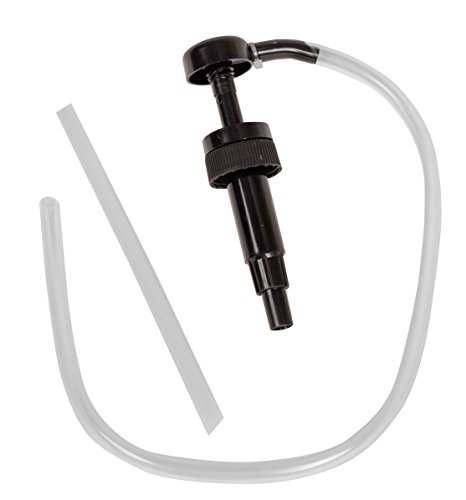
Custom Accessories Pennzoil Gas Siphon & Fluid Transfer Pump, Quart, for Auto, RV, Marine & Motorcycle
Fluid Transfer Pump: This gas siphon pump is designed for garage, home, auto, and marine use; The transfer…
As an affiliate, we earn on qualifying purchases.
As an affiliate, we earn on qualifying purchases.
Conclusion
Just like Pandora’s box, using the wrong fluid with your transfer case clutches can unleash unexpected problems, leading to binding and hopping. When you choose the right fluid, you’re opening the door to smooth, reliable shifting—much like Pandora’s hope. Don’t let a simple mistake turn your drive into a mythic struggle. Keep it right, keep it smooth, and your transfer case will reward you with the performance of legend.

RAVENOL J1C1003 MTF-3 SAE 75W Full Synthetic Gear Oil – 1 Liter for Manual Transmissions, Differentials & Transfer Cases
Please see Product Description regarding the California Proposition 65 Warning
As an affiliate, we earn on qualifying purchases.
As an affiliate, we earn on qualifying purchases.

TRIAX DTF-1 Professional Transfer Case Fluid Full Synthetic, Lifetime Fill, All Season Down to -60 F, Compatible with BMW Xdrive, Audi/VW Quattro, Range Rover, Ford, Porsche & Many AWD (1 Quart)
Wide compatibility range across many European, Asian and US OEMs All-Wheel-Drive Transfer Cases. Compatible with Porsche Cayenne /…
As an affiliate, we earn on qualifying purchases.
As an affiliate, we earn on qualifying purchases.