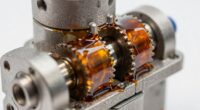
Demulsibility, or water separation, is essential because it helps your gearboxes and hydraulic systems quickly remove water from the oil. When water isn’t separated efficiently, it can cause corrosion, contamination, and equipment failure, reducing the system’s lifespan. Proper formulation and compatible additives improve water separation. Understanding these factors helps you maintain ideal lubrication and avoid costly repairs. Keep exploring to learn more about how to enhance demulsibility in your machinery.

Get garage and car supplies delivered free — and shop member deals
- Fast, free delivery on millions of items
- Access to Prime Big Deal Days deals on October 6–7
- Prime Video, Amazon Music and more included
Key Takeaways
- Demulsibility allows water to quickly separate from oil, preventing emulsions that impair lubrication.
- Proper water separation reduces corrosion risks and prevents equipment wear and failure.
- Additive compatibility is crucial for maintaining effective water separation over the lubricant’s lifespan.
- Synthetic oils generally offer better demulsibility than mineral oils, enhancing system reliability.
- Regular testing ensures water is efficiently removed, protecting machinery and extending service life.
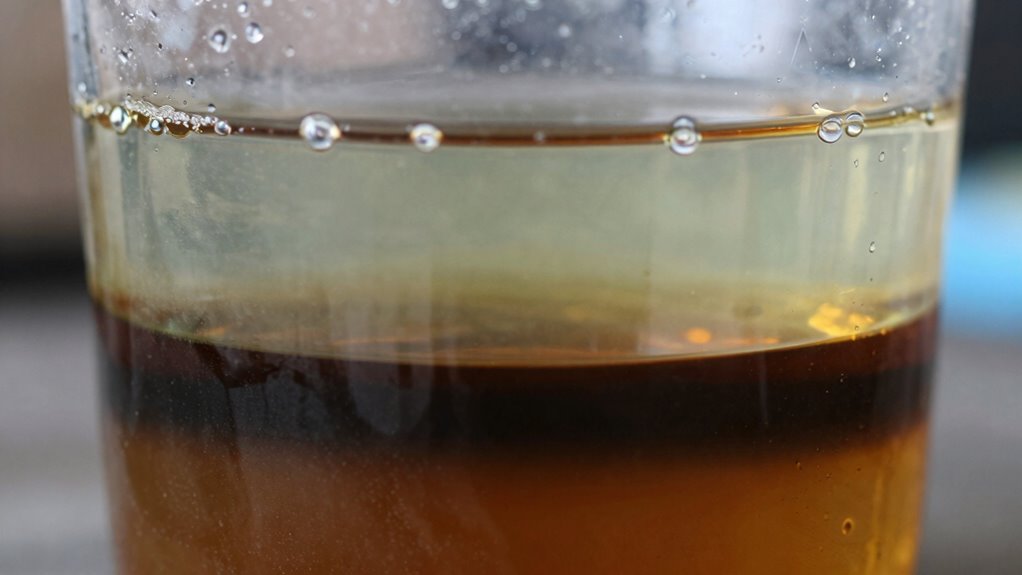
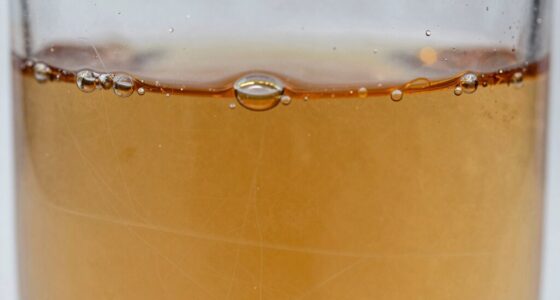
Have you ever wondered why certain lubricants separate quickly in gearboxes and hydraulic systems? The answer often comes down to the lubricant’s demulsibility—that is, its ability to separate water from the oil efficiently. When water gets into these systems, it creates oil contamination, which can lead to corrosion, reduced lubrication, and even equipment failure. If your lubricant isn’t designed with good demulsibility, water will linger, forming emulsions that impair performance and accelerate wear. To prevent this, understanding the factors that influence water separation, like additive compatibility, becomes critical.
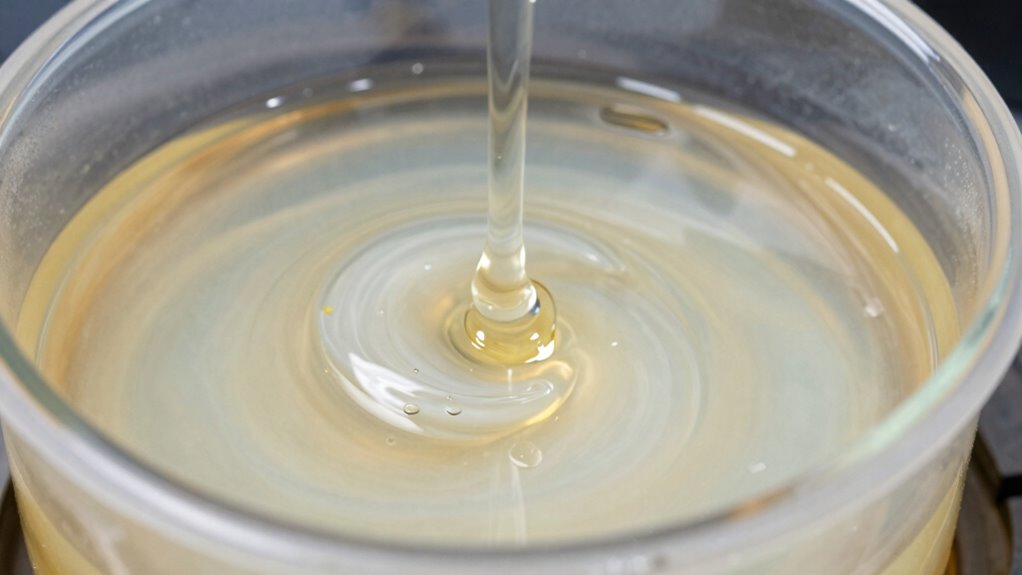
Oil contamination is a common issue in industrial machinery, especially in environments where water ingress is inevitable. Moisture can enter through leaks, condensation, or improper maintenance, and once inside, it mixes with the oil. If the lubricant has poor demulsibility, water stays suspended longer, creating emulsions that hinder the lubricant’s ability to protect moving parts. This not only increases the risk of corrosion but also reduces the oil’s ability to carry away heat and contaminants. Thus, selecting a lubricant with high demulsibility ensures that water can be quickly separated and drained, maintaining system health.
Oil contamination from water ingress can cause corrosion and reduce lubrication efficiency.
Additive compatibility plays a significant role in a lubricant’s demulsibility. Some additives, like anti-oxidants and corrosion inhibitors, can interfere with the oil’s natural ability to separate water if they are not compatible. When incompatible additives are blended into a lubricant, they may form stable emulsions with water or alter the oil’s physical properties, making separation more difficult. That’s why choosing lubricants formulated with additives that are compatible and do not hinder water separation is essential. Proper additive compatibility ensures that the lubricant retains its demulsibility over time, even under harsh operational conditions.
It’s also worth noting that the base oil type influences demulsibility. Synthetic oils often offer better water separation than mineral oils, thanks to their chemical stability and uniform composition. Additionally, the formulation must balance viscosity and additive content to promote quick water release. Regular testing for water content and demulsibility can help you catch issues early, preventing costly damage. If water remains trapped, it can cause corrosion or reduce the lubricant’s film strength, leading to increased friction and wear.
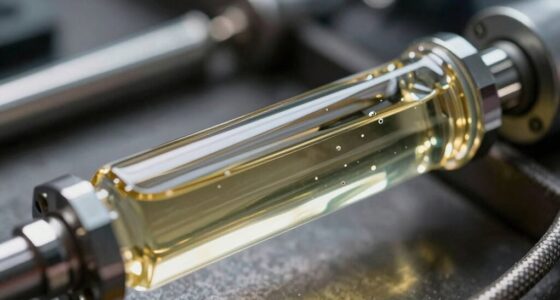
hydraulic oil demulsibility tester
As an affiliate, we earn on qualifying purchases.
As an affiliate, we earn on qualifying purchases.
Frequently Asked Questions
How Does Demulsibility Affect Overall Machinery Lifespan?
You can extend your machinery’s lifespan by ensuring good oil water separation, which improves demulsibility. When water stays mixed with oil, it accelerates corrosion, causes wear, and shortens fluid longevity. By maintaining effective water separation, you reduce these risks, helping your gearboxes and hydraulics run smoothly longer. Proper maintenance of demulsibility protects your equipment from damage, ultimately saving you money and downtime over the life of your machinery.
Can Demulsibility Issues Cause Unexpected Equipment Failures?
Yes, demulsibility issues can cause unexpected equipment failures. Water contamination in your machinery can lead to corrosion, wear, and reduced lubrication efficiency. If the oil isn’t compatible with additives designed to separate water, it impairs water removal, increasing the risk of failures. Proper water separation ensures smooth operation, so addressing demulsibility concerns helps prevent costly breakdowns and extends your equipment’s lifespan.
What Are the Signs of Poor Water Separation in Fluids?
You notice water contamination, inconsistent fluid performance, and increased wear, all signs of poor water separation. You may see water settling at the bottom, frothing, or emulsions forming, which hinder fluid compatibility. These issues lead to lubrication problems and equipment damage. Recognizing these signs early helps you address water contamination swiftly, ensuring proper demulsibility, maintaining fluid integrity, and preventing costly repairs.
How Often Should Demulsibility Testing Be Performed?
You should perform demulsibility testing regularly, typically every 3 to 6 months, to guarantee ideal fluid maintenance. The testing frequency depends on your equipment’s usage, operating conditions, and manufacturer recommendations. Consistent testing helps detect water contamination early, preventing damage and downtime. By staying proactive with fluid maintenance, you can extend the lifespan of your gearboxes and hydraulics, maintaining efficiency and avoiding costly repairs.
Are There Industry Standards for Acceptable Demulsibility Levels?
Imagine a clear stream separating clean water from debris—that’s what industry standards aim for in demulsibility levels. Yes, there are industry standards guiding acceptable water separation in lubricants, ensuring gearboxes and hydraulics stay protected. These standards, like ISO 6614 or ASTM D1401, specify the maximum water content and emulsion stability, helping you maintain equipment reliability and prevent costly failures caused by poor water separation.
As an affiliate, we earn on qualifying purchases.
Conclusion
So, next time you ignore water in your gearbox or hydraulics, remember you’re auditioning for the role of mechanical villain. Demulsibility isn’t just a fancy word; it’s your secret weapon against chaos. Keep things separate, or prepare for a watery disaster that’ll have your equipment throwing a tantrum. Trust me, the only thing worse than a bad joke is a bad lubricant—so give water the cold shoulder and keep everything running smoothly.
gearbox oil with high demulsibility
As an affiliate, we earn on qualifying purchases.
As an affiliate, we earn on qualifying purchases.
oil contamination water separator
As an affiliate, we earn on qualifying purchases.
As an affiliate, we earn on qualifying purchases.
Halloween Picks
halloween
As an affiliate, we earn on qualifying purchases.