
Misalignment in shafts can cause severe damage to couplings and oil, leading to increased wear, energy loss, and costly downtime. When misalignment occurs, it stresses these components unevenly, causing premature failure and oil leaks. Laser shaft alignment is a precise way to detect and correct misalignments quickly, preventing this damage. If you want to learn how proper alignment can protect your equipment and save money, keep exploring the solutions available.
Key Takeaways
- Misalignment causes excessive stress on couplings, leading to premature wear and potential failure.
- Poor alignment increases friction, resulting in higher oil temperatures and faster lubricant degradation.
- Laser shaft alignment ensures precise positioning, reducing misalignment-related damage to couplings and bearings.
- Continuous monitoring and proper alignment prevent oil leaks, vibrations, and unexpected equipment breakdowns.
- Regular laser alignment maintenance extends machinery lifespan and optimizes oil efficiency and overall performance.

SKF TKSA 41 Wireless Laser Shaft Alignment System
- Wireless Communication: Enhances handling and reachability
- Flexible Measurement Start: Begin at any angle with 90° sweep
- Automatic Measurement: Hands-free with head position detection
As an affiliate, we earn on qualifying purchases.
As an affiliate, we earn on qualifying purchases.
Why Is Laser Shaft Alignment Critical for Machinery Longevity?
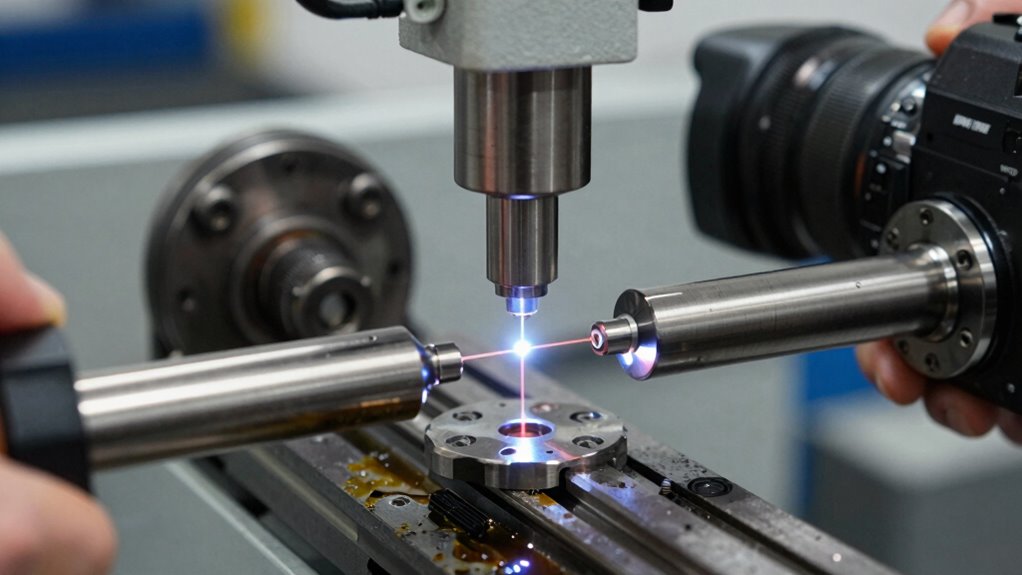
Proper laser shaft alignment is essential because misaligned machinery can cause excessive wear and stress on components, leading to premature failure. When shafts aren’t properly aligned, vibrations increase, making vibration analysis a critical tool for early detection of issues. Excessive vibration can accelerate bearing deterioration, disrupting bearing maintenance schedules and risking costly breakdowns. Accurate laser alignment minimizes these problems by ensuring components operate smoothly and harmoniously. It reduces uneven loading, which directly impacts the lifespan of bearings and couplings. Maintaining precise alignment also helps prevent the cycle of misalignment-related stress that worsens over time. Additionally, understanding how vibration analysis works can provide early warning signs that help prevent costly repairs. Implementing proper maintenance practices is crucial for sustaining machinery performance and extending equipment life. Properly aligned machinery also contributes to energy efficiency, reducing operational costs over time. Furthermore, adopting advanced alignment techniques can optimize overall equipment reliability and longevity. Incorporating temperature monitoring can further detect subtle misalignments before they escalate into major failures, enhancing preventive maintenance efforts.

Laser Alignment Tool, Used to Measure and diagnose the Displacement of BDS
- Compact and Eye-catching Design: Red color for easy identification
- Magnetic Feet for Easy Attachment: Secure connection to pulleys
- Recessed Base for Quick Diagnosis: Facilitates fast alignment checks
As an affiliate, we earn on qualifying purchases.
As an affiliate, we earn on qualifying purchases.
How Does Laser Shaft Alignment Work? Technology and Process Explained
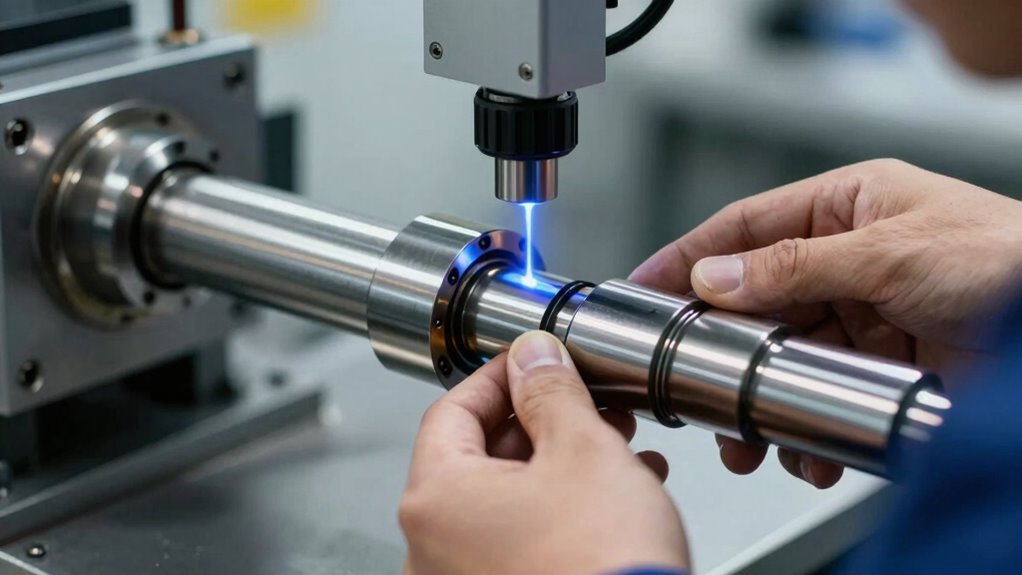
Laser shaft alignment uses advanced technology to measure misalignment accurately. This process guarantees your machinery runs smoothly and stays aligned over time. Incorporating digital concepts into maintenance routines can further enhance precision and efficiency, reducing potential damage caused by misalignment issues. Additionally, embracing AI-driven diagnostics can help predict and prevent future alignment problems before they occur. Implementing proper calibration procedures ensures consistent results and prolongs equipment lifespan. For optimal results, using essential DIY tools and safety tips during setup and adjustments is highly recommended to maintain safety and accuracy.
Laser Alignment Technology
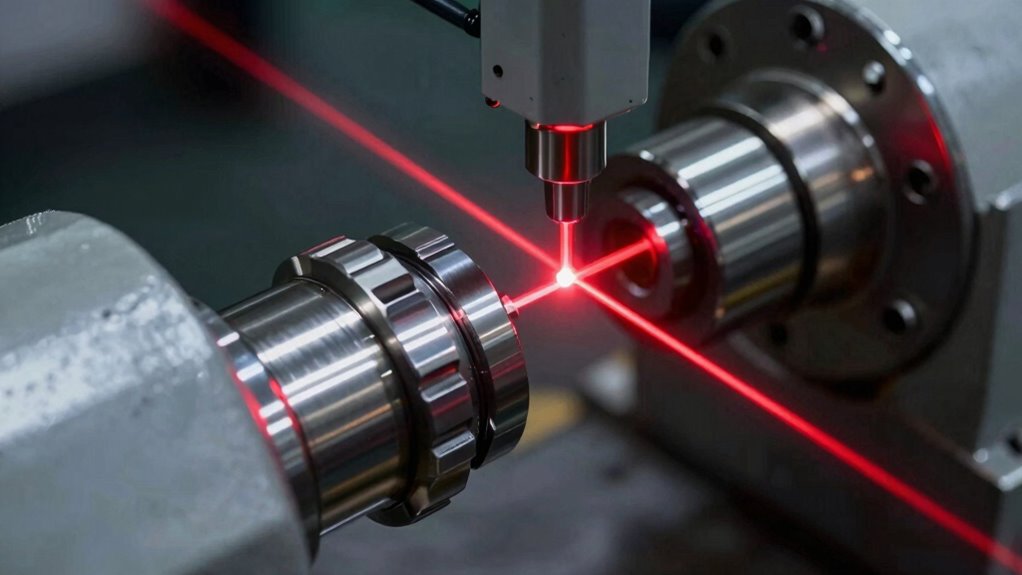
Laser shaft alignment technology uses precise laser beams to guarantee that rotating machinery components are perfectly aligned. You start by performing beam calibration, ensuring the laser system is accurately aligned with the machine’s shafts. Proper sensor placement is essential; sensors are positioned at specific points on each machine component to detect the laser beam’s position. The laser device emits a highly focused beam that reflects off target mirrors or sensors, providing real-time data on misalignment. As you adjust the machinery, the system continuously measures angular and parallel offsets. This process allows you to make precise adjustments quickly, reducing downtime and wear. The technology’s accuracy depends on correct calibration and sensor placement, ensuring ideal coupling and prolonging equipment lifespan. Implementing proper maintenance practices is crucial to sustain the accuracy and effectiveness of laser shaft alignment systems over time. Additionally, understanding the underlying principles of laser measurement enhances the effectiveness of alignment procedures.
Step-by-Step Process
To understand how laser shaft alignment works, it’s helpful to follow the step-by-step process involved. First, you set up the laser measurement system on each machine shaft, ensuring proper calibration procedures to reduce alignment challenges. Next, the lasers emit beams that reflect off targets, creating precise alignment data. You then analyze this data to identify misalignment angles and offsets. Adjustments are made to align the shafts accurately. The process concludes with a final check to confirm the alignment is within acceptable tolerances. Here’s a quick overview:
| Step | Action |
|---|---|
| 1 | Mount lasers and targets |
| 2 | Perform calibration procedures |
| 3 | Analyze data and adjust shafts |
Understanding the importance of precision measurement ensures the alignment process minimizes equipment wear and prevents costly failures. Proper laser technology is essential for achieving accurate results and extending equipment lifespan. Additionally, utilizing advanced alignment tools helps optimize machinery performance and reduce downtime. Incorporating accurate sensor data further enhances the reliability of the alignment process. Implementing regular maintenance checks can also help maintain optimal alignment over time.
SKF TKSA 41 Wireless Laser Shaft Alignment System
- Wireless Communication: Enhances handling and reachability
- Flexible Measurement Start: Begin at any angle with 90° sweep
- Automatic Measurement: Hands-free with head position detection
As an affiliate, we earn on qualifying purchases.
As an affiliate, we earn on qualifying purchases.
What Problems Are Caused by Misaligned Shafts, and How Much Do They Cost?
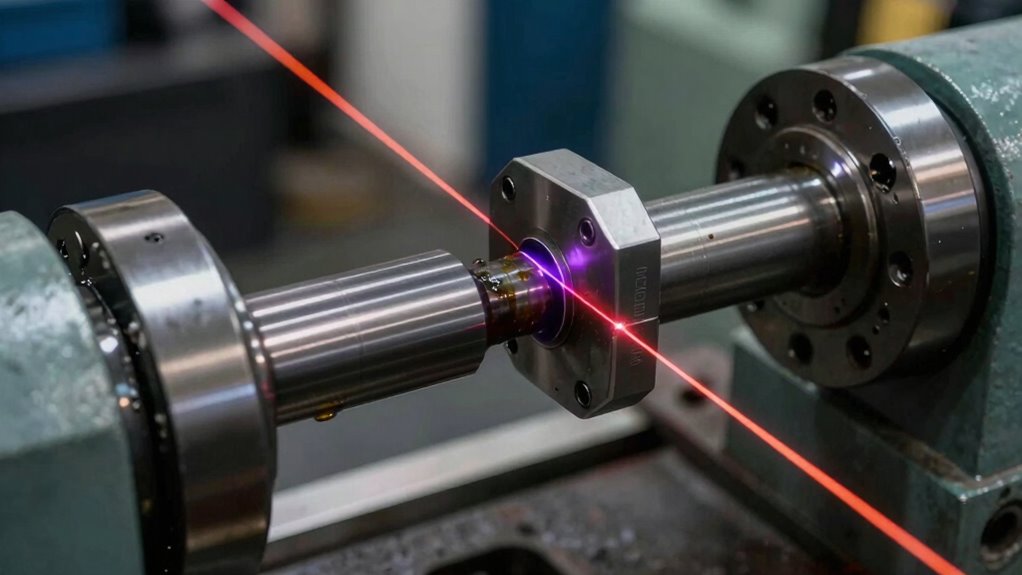
Misaligned shafts can lead to a host of mechanical problems that disrupt equipment performance and increase maintenance costs. These issues include excessive wear on bearings, couplings, and seals, which can cause unexpected failures. Misalignment also results in increased vibration and stress on connected components, reducing lifespan and efficiency. The cost analysis of these problems reveals significant expenses over time, including parts replacement and downtime. Additionally, misalignment can negatively impact flavor extraction in coffee and tea brewing processes, affecting the final product quality. By investing in proper failure prevention measures like laser shaft alignment, you can catch misalignment early and avoid costly repairs. Proper maintenance practices help in early detection of misalignment, further reducing the risk of damage. Addressing misalignment promptly minimizes damage, extends equipment life, and ensures smooth operation. Ultimately, preventing misalignment not only saves money but also improves overall reliability and productivity.
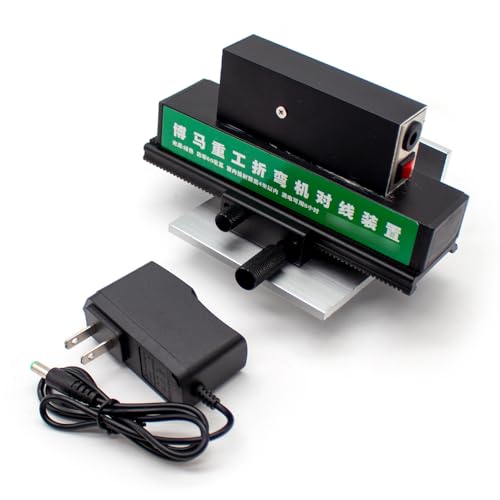
Alignment Device for Sheet Metal Bending Machine and Shearing Machine
- High-quality, long-lasting light source: Fast and durable illumination
- Magnetic fixation for stability: Secure, durable magnetic attachment
- Bright, eye-safe light: No harm to eyes
As an affiliate, we earn on qualifying purchases.
As an affiliate, we earn on qualifying purchases.
How Can You Tell If Your Equipment Is Misaligned? Signs to Watch For
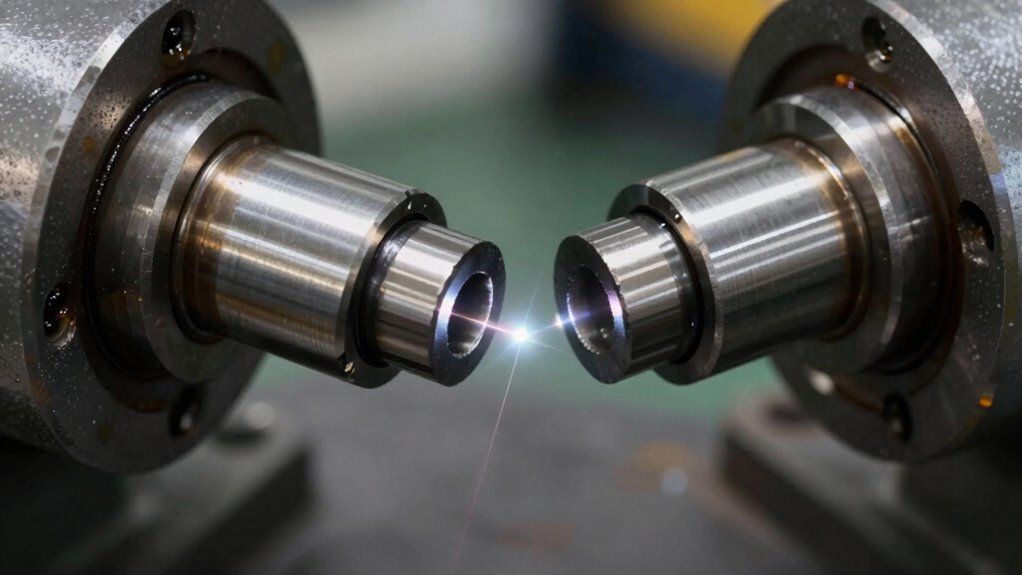
Recognizing signs of equipment misalignment early can save you from costly repairs and downtime. One key indicator is abnormal vibration analysis results—excessive vibration often signals misalignment, especially if it persists despite proper maintenance. Additionally, watch for temperature fluctuations; uneven heating near couplings or bearings suggest increased friction caused by misaligned shafts. You might also notice unusual noise levels or inconsistent performance, which point to alignment issues. Regular monitoring of vibration data and temperature readings helps you catch problems before they escalate. If these signs appear, it’s time to investigate further and correct the alignment. Proper shaft alignment is essential for smooth operation, as it minimizes unnecessary stress on components. Addressing misalignment promptly ensures smoother operation, reduces wear and tear, and extends the lifespan of your equipment.
Should You Use Laser Alignment or Traditional Methods? Pros and Cons
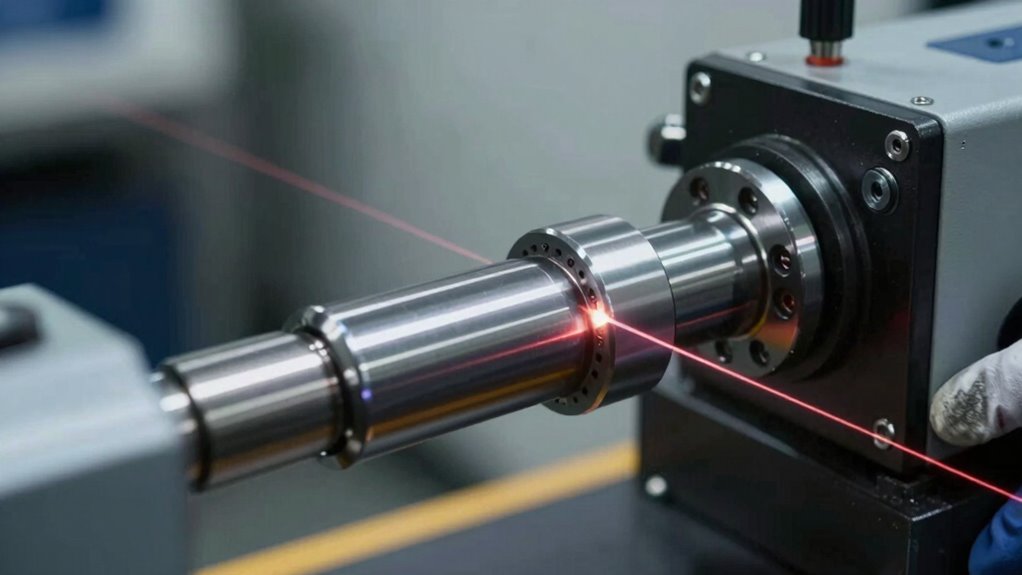
Choosing the right method for shaft alignment can considerably impact your maintenance efficiency and equipment longevity. Laser alignment tools typically have a higher upfront cost compared to traditional methods like dial indicators or straight edges. However, they often reduce alignment time, improve accuracy, and minimize downtime, which can save money in the long run. When considering cost comparison, laser systems may seem expensive initially but offer better precision and fewer repeat alignments. Training requirements also differ; laser alignment usually demands specialized training but provides user-friendly interfaces and quicker learning curves. Traditional methods may require less technical training but can be more time-consuming and less precise. Additionally, understanding the cost-benefit analysis of each method can help determine the most economical choice for your operation. Moreover, the use of Free Floating alignment techniques can sometimes be advantageous in certain scenarios, especially where equipment configurations are complex. It is also important to consider the initial investment and long-term savings when choosing an alignment method. Ultimately, your choice depends on your budget, skill level, and the criticality of accurate alignment for your equipment’s performance.
How to Perform Laser Shaft Alignment: A Step-by-Step Guide
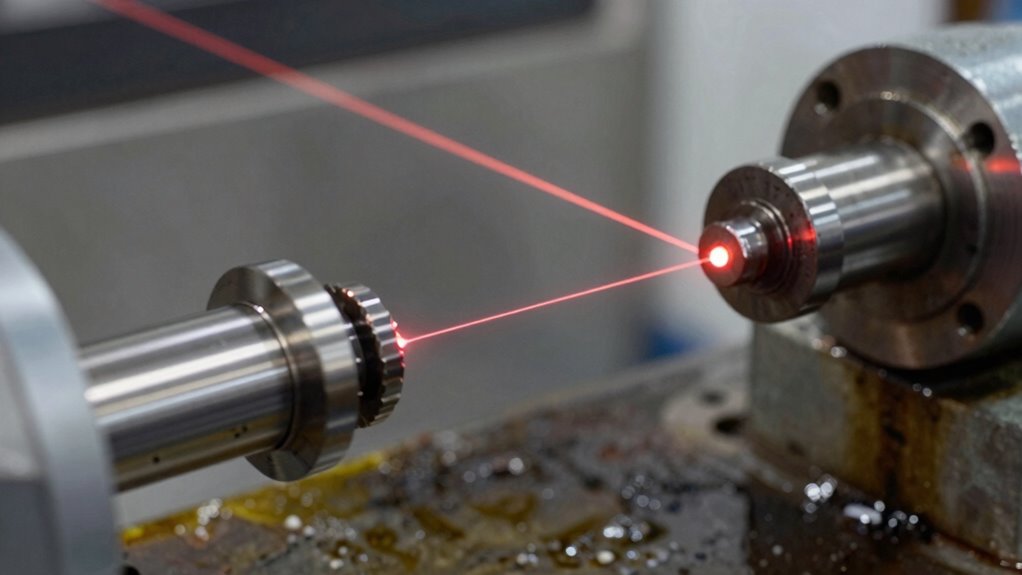
Before you start laser shaft alignment, make certain your equipment is properly set up and your workspace is clear. Next, familiarize yourself with the laser tools and confirm they are calibrated correctly. Once everything is ready, you can begin aligning the shafts accurately and efficiently. Additionally, understanding automotive repair best practices can help ensure safety and precision throughout the process. Remember that maintaining proper equipment calibration is essential to achieving accurate alignment results and preventing costly errors. Ensuring proper workspace organization can also contribute to a smoother and safer alignment procedure. Incorporating blogging tips such as documenting your process can help track improvements and share insights with others interested in maintenance techniques.
Preparing Equipment and Workspace
To guarantee accurate laser shaft alignment, you need to prepare both your equipment and workspace properly. Start by ensuring all machinery is clean, stable, and accessible. Check that lubrication maintenance is up to date to prevent misalignment caused by dry or over-lubricated parts. Conduct vibration analysis beforehand to identify existing issues that could interfere with the alignment process.
Before beginning, clear the workspace of obstructions and ensure proper lighting. Use the following to create an ideal environment:
- Stable, level surfaces to prevent shifting during measurement
- Adequate lighting for precise readings
- Tools organized and within reach for efficiency
Proper preparation minimizes errors, improves accuracy, and guarantees a smoother alignment process.
Aligning With Laser Tools
With your equipment prepared and workspace ready, you can now proceed to align the shafts using laser tools. Start by mounting the laser sensors on each shaft, ensuring they’re securely attached and properly calibrated. For magnetic couplings, pay extra attention to how the laser beams target the coupling interface, since misalignment here can cause significant wear and oil lubrication issues. Once the lasers are aligned, take measurements at multiple points to identify angular and parallel misalignments. Use the laser’s real-time feedback to make precise adjustments, moving the machines incrementally until the readings fall within the recommended tolerances. Proper laser alignment minimizes stress on couplings and reduces wear on oil lubrication systems, extending equipment life and improving efficiency.
How Accurate Alignment Prevents Damage to Couplings and Oil
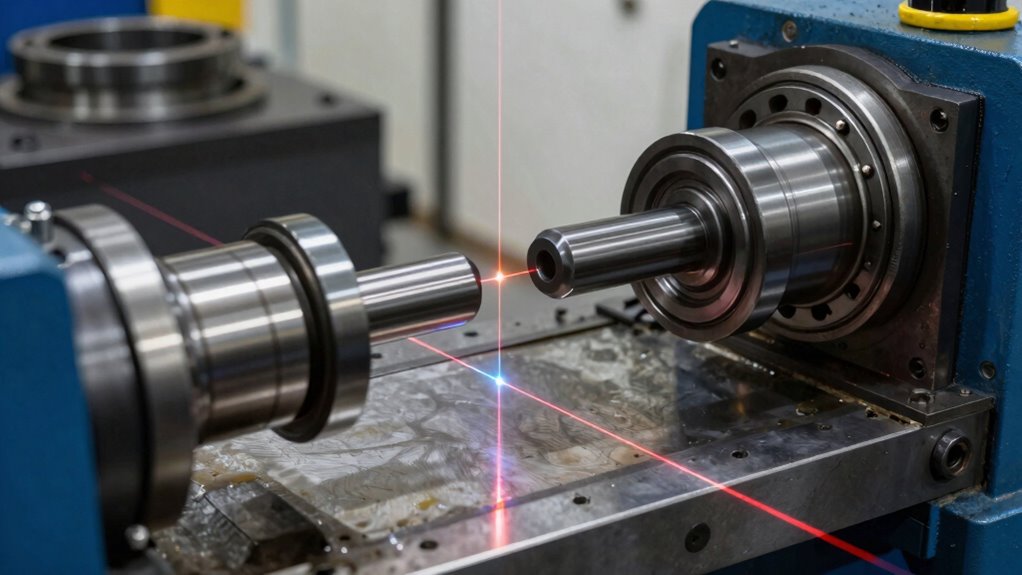
Accurate shaft alignment guarantees that couplings operate smoothly, reducing unnecessary stress and wear. Proper alignment minimizes coupling wear, preventing premature failure and costly repairs. When shafts are misaligned, excessive vibration and movement accelerate oil degradation, leading to lubrication failure. To protect your equipment, focus on these key points:
- Maintain proper alignment to reduce coupling wear and extend component life
- Prevent excessive vibration that accelerates oil breakdown
- Ensure even load distribution to avoid undue stress on parts
How to Keep Your Shaft in Perfect Alignment Over Time
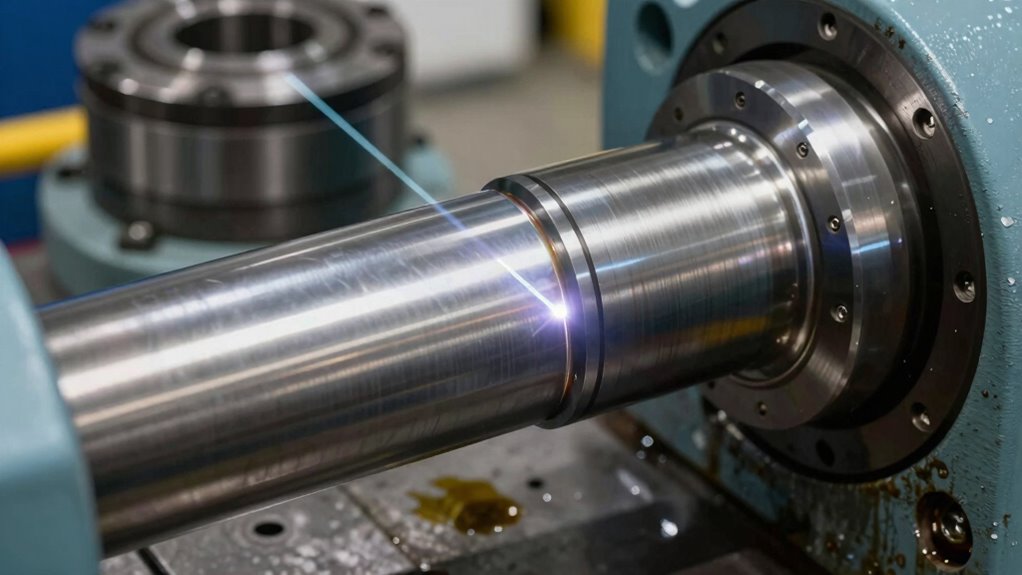
Maintaining perfect shaft alignment over time requires regular inspection and adjustment to accommodate shifts caused by vibration, temperature changes, or mechanical wear. You should perform routine vibration analysis to detect early signs of misalignment or imbalance, preventing costly damage. Bearing inspection is equally important; check for wear, overheating, or lubrication issues that can affect alignment. Use laser alignment tools periodically to verify your setup and make precise adjustments as needed. Keeping a maintenance schedule that includes vibration analysis and bearing inspection helps you catch problems early, ensuring your shaft remains properly aligned. This proactive approach minimizes downtime, extends equipment life, and reduces the risk of damage to couplings and oil systems. Regular attention keeps your machinery running smoothly over the long term.
Frequently Asked Questions
What Are the Common Causes of Shaft Misalignment in Industrial Settings?
You often face shaft misalignment caused by improper installation, which can lead to vibration issues and equipment wear. Over time, thermal expansion, foundation shifts, and bearing wear also contribute. Neglecting regular maintenance or misaligning during repairs worsens the problem. To prevent costly damage, guarantee proper setup, monitor vibrations, and perform routine checks. This proactive approach helps maintain alignment, extends equipment lifespan, and avoids unnecessary downtime.
How Often Should Laser Shaft Alignment Be Performed for Optimal Performance?
Think of your equipment as a well-tuned orchestra. To keep it playing smoothly, you should perform laser shaft alignment during maintenance frequency, ideally every 6 to 12 months. Proper alignment scheduling prevents costly damage and keeps everything in harmony. Regular checks ensure your machinery runs efficiently, reducing wear on couplings and oil, and helping you avoid unexpected breakdowns. Stay proactive—consistent alignment maintains your operations running like a symphony.
Can Laser Alignment Techniques Be Used on All Types of Machinery?
Yes, laser alignment techniques are versatile enough to be used on most machinery types, thanks to their broad laser compatibility. You can apply them to pumps, motors, turbines, and more, making your maintenance routine more efficient. Their machinery versatility ensures precise alignment regardless of size or shape, helping you prevent coupling wear and oil consumption. Just guarantee your equipment’s materials and design are compatible with laser tools for ideal results.
What Safety Precautions Are Necessary During Laser Shaft Alignment Procedures?
During laser shaft alignment, you should wear personal protective equipment like safety glasses to shield your eyes from laser exposure. Make sure the equipment is properly calibrated for accurate measurements, preventing errors that could cause misalignment. Keep the workspace clear of clutter, and follow manufacturer safety instructions carefully. Always turn off machinery before starting, and never look directly into the laser beam to protect yourself from potential harm.
How Does Temperature Variation Affect Shaft Alignment Accuracy Over Time?
Temperature variation impacts shaft alignment accuracy by causing thermal expansion or contraction of components, which can lead to misalignment over time. You need to monitor temperature stability closely, especially in environments with fluctuating temperatures, to guarantee precise alignment. By controlling temperature and allowing equipment to reach thermal equilibrium before alignment, you prevent errors caused by thermal effects, maintaining ideal performance and reducing wear on couplings and oil systems.
Conclusion
If you ignore laser shaft alignment, you risk releasing chaos on your machinery—couplings will tear apart, oil will turn to sludge, and your equipment could collapse faster than you can say “catastrophe.” Proper alignment isn’t just a maintenance task; it’s your best defense against catastrophic failures. Get it right, stay vigilant, and let laser technology keep your machinery humming smoothly, preventing disasters that could cost you your entire operation in an instant.