
HTHS viscosity measures how thick your engine oil remains under high temperature and shear stress, directly affecting protection and efficiency. A higher HTHS provides a thicker oil film that shields engine parts but can increase fuel use, while a lower HTHS boosts fuel economy but risks insufficient lubrication. Understanding this hidden spec helps you choose oils that balance protection and performance. Keep exploring to discover how HTHS influences your engine’s longevity and safety.
Key Takeaways
- HTHS measures oil thickness at 150°C under high shear, indicating its ability to protect engine components during stress.
- Higher HTHS provides a thicker protective film, reducing wear but potentially increasing fuel consumption.
- Different SAE grades can have varying HTHS values, affecting lubrication performance and engine safety.
- Selecting the correct HTHS depends on engine design, operating conditions, and manufacturer recommendations.
- Proper HTHS balance ensures engine durability, efficiency, and longevity by maintaining optimal oil film thickness.
Top picks for "hths viscosity hidden"
Open Amazon search results for this keyword.
As an affiliate, we earn on qualifying purchases.
What Is HTHS Viscosity and Why Is It Important for Engine Protection?
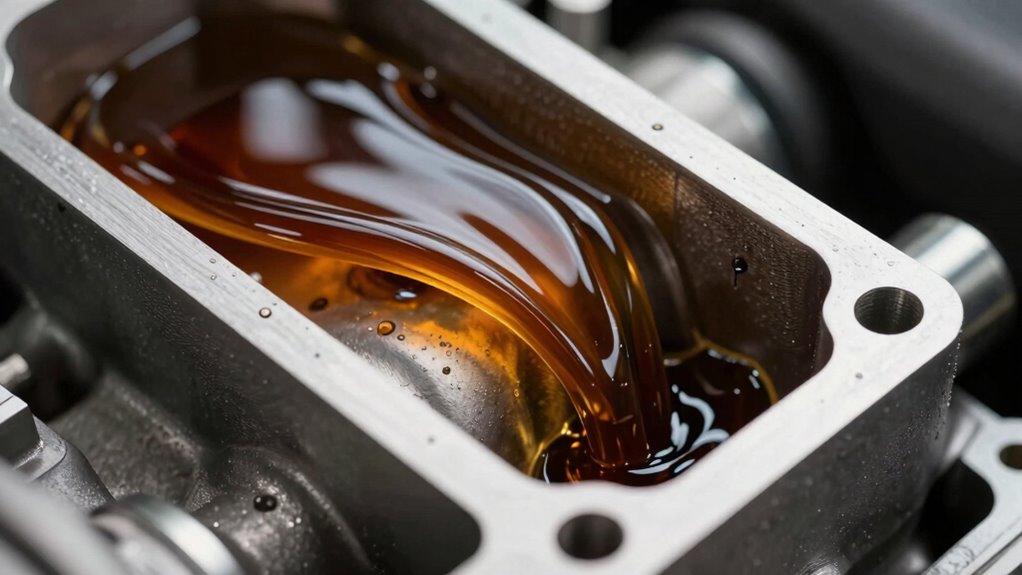
HTHS viscosity, or High Temperature High Shear viscosity, measures how thick engine oil appears under extreme conditions similar to those inside a running engine. You test it at 150°C using specialized equipment that simulates the high shear forces from engine parts moving at high speeds. This measurement shows how well the oil maintains a protective film between moving components like bearings, pistons, and valves under stress. If the HTHS value is too low, the oil can become too thin, risking increased friction and wear. Conversely, a higher HTHS indicates a thicker film, offering better protection during intense engine operation. Understanding viscosity ratings is essential for selecting oils that provide optimal engine protection and fuel efficiency, especially under demanding driving conditions.
How Does HTHS Viscosity Differ From SAE Oil Grades?

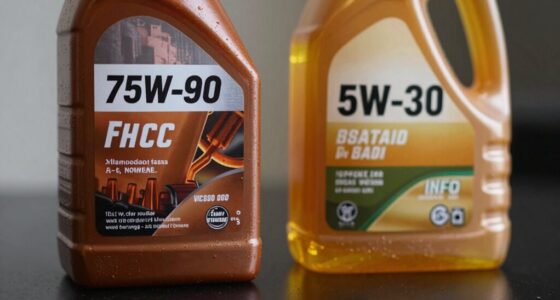
While HTHS viscosity measures how well engine oil maintains a protective film under high shear and temperature conditions, SAE oil grades focus on how the oil flows at standard temperatures. SAE ratings like 5W-30 indicate cold-start flow and hot viscosity but don’t reveal how the oil performs under engine stress. HTHS provides insight into how stable the oil remains when subjected to extreme shear forces at operating temperature. Here’s what sets them apart:
- SAE grades describe cold and hot flow behavior, not shear stability.
- HTHS measures viscosity at 150°C under high shear, simulating engine conditions.
- Two oils with the same SAE grade can have different HTHS values, affecting protection.
- HTHS offers a direct assessment of the oil’s ability to form a durable lubricating film under load.
- Understanding viscosity stability is essential for selecting oils suitable for high-performance engines.
How Is HTHS Viscosity Measured and Why Do the Numbers Matter?

You’ll find that HTHS viscosity is measured using specialized rotary viscometers that simulate engine conditions at 150°C under high shear. These numbers are essential because they indicate how well your engine oil can protect moving parts under extreme stress. Understanding what these values mean helps you choose the right oil for optimal engine performance and longevity. Additionally, easy homemade flauntas can serve as a practical example of preparing quick and reliable recipes for busy schedules, demonstrating the importance of choosing reliable and precise measurements in various contexts.
Measurement Techniques Overview
Measuring HTHS viscosity involves using specialized equipment that simulates engine conditions at high temperature and shear forces. This process guarantees the oil’s behavior under real-world stresses is accurately captured. Here’s how it works:
- A rotary viscometer places the oil sample between a stator and rotor, mimicking engine motion.
- The sample is heated to 150°C to replicate typical operating temperatures.
- Shear forces reaching 1,000,000 reciprocal seconds are applied to simulate high-speed engine parts.
- The viscosity is recorded dynamically, reflecting how the oil resists flow under extreme conditions.
- The resulting measurements are crucial for understanding the oil’s performance characteristics and suitability for specific engine types.
These precise measurements help determine if your oil can sustain a protective film, preventing wear and ensuring engine safety. The numbers reveal how well the oil will perform during actual operation, guiding your choice for longevity and efficiency.
Significance of Numeric Values
Understanding how HTHS viscosity is measured and why its numerical value matters is essential for evaluating engine oil performance. The specific number indicates how well your oil maintains a thick, protective film under high temperatures and shear forces. A higher HTHS value means a more robust film, reducing metal contact and wear during demanding engine conditions. Conversely, a lower HTHS value suggests thinner oil that can improve fuel efficiency but might risk inadequate protection under extreme stress. These numbers help you determine if the oil is suited for your engine’s needs, balancing protection and efficiency. Manufacturers use these figures to set standards, ensuring oils deliver consistent performance under real-world operating conditions. Additionally, understanding cybersecurity tactics related to engine data can help prevent tampering and ensure optimal performance. Ultimately, understanding these values helps you make informed choices for engine longevity and prime operation.
Should You Use Low or High HTHS Oil for Your Engine?
Choosing between low or high HTHS oil depends on your engine’s design and operating conditions. Lower HTHS can improve fuel efficiency but might not provide enough film strength for heavy-duty or high-stress engines. Consider your engine’s compatibility and your fuel economy goals before making a decision. Additionally, understanding the viscosity of the oil helps in selecting the appropriate type for optimal engine performance.
Engine Compatibility Factors
Selecting the right HTHS oil for your engine depends on its design, operating conditions, and manufacturer’s recommendations. To determine compatibility, consider these factors:
- Engine Type: High-performance or turbocharged engines often require higher HTHS for better protection, while modern, fuel-efficient engines may favor lower HTHS to improve efficiency.
- Operating Conditions: Heavy loads, high speeds, or extreme temperatures demand higher HTHS oils to maintain a stable lubricating film.
- Manufacturer Guidelines: Always check your vehicle’s owner manual—some engines specify a maximum or minimum HTHS value for best performance.
- Oil Specifications: Ensure the oil’s HTHS aligns with recommended standards to prevent excessive wear or inadequate lubrication, safeguarding your engine’s longevity.
- Engine Compatibility: Understanding HTHS viscosity can help you choose the most suitable oil, especially if your engine operates under unusual conditions or has unique design features.
Fuel Efficiency Considerations
When considering your engine’s fuel efficiency, the HTHS viscosity of your oil plays a significant role. Lower HTHS oils reduce internal resistance, helping your engine run smoother and use less fuel. Conversely, higher HTHS oils provide a thicker film, potentially improving wear protection but increasing friction and fuel consumption. To help decide, consider this:
| HTHS Level | Fuel Efficiency Impact |
|---|---|
| Low HTHS | Enhances fuel economy, reduces resistance |
| High HTHS | Slightly decreases efficiency, offers better protection |
| Ideal Range | Balances fuel savings with engine protection |
Choosing the right HTHS depends on your driving needs and engine design. If fuel economy tops your priority, lean toward lower HTHS oils, but guarantee they meet your engine’s protective requirements.
How Does HTHS Impact Fuel Economy and Engine Wear?
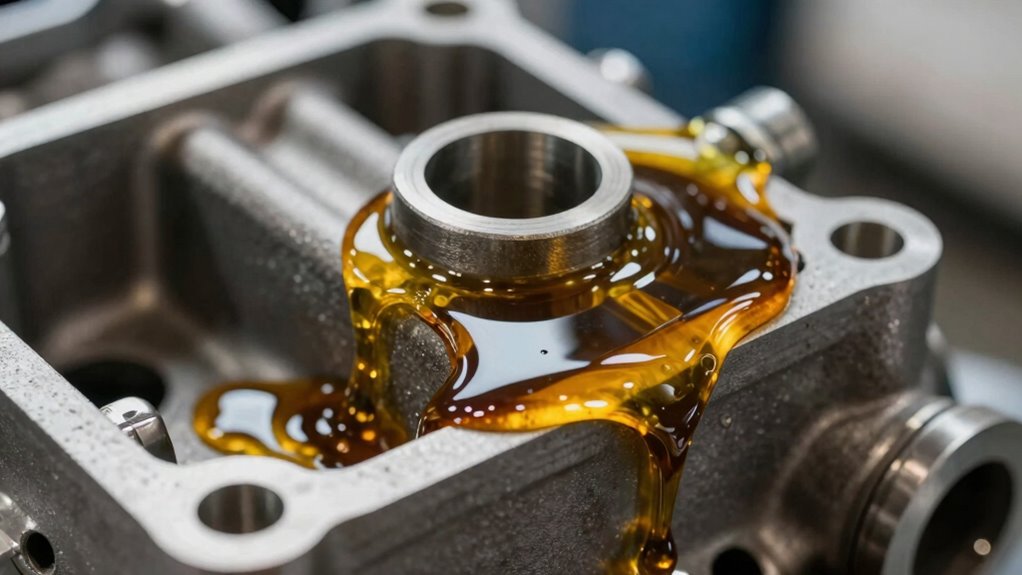
HTHS viscosity directly influences both fuel economy and engine wear by determining how effectively the oil forms a protective film between moving parts. When HTHS is low, the oil film may become too thin under stress, increasing friction and wear, especially at high speeds. Conversely, higher HTHS creates a thicker film, reducing metal-to-metal contact but also adding resistance. Here are four key points:
- Lower HTHS can improve fuel economy by decreasing internal oil friction.
- Excessively low HTHS risks inadequate lubrication, leading to accelerated engine wear.
- Higher HTHS enhances protection but may increase fuel consumption.
- Ideal HTHS balances fuel efficiency with reliable engine durability, especially under demanding conditions.
- Selecting the appropriate HTHS requires understanding the oil film thickness and how it impacts engine performance and longevity.
Choosing the right HTHS guarantees your engine runs efficiently and stays protected.
Can Formulating Low HTHS Oils Maintain Performance and Protection?
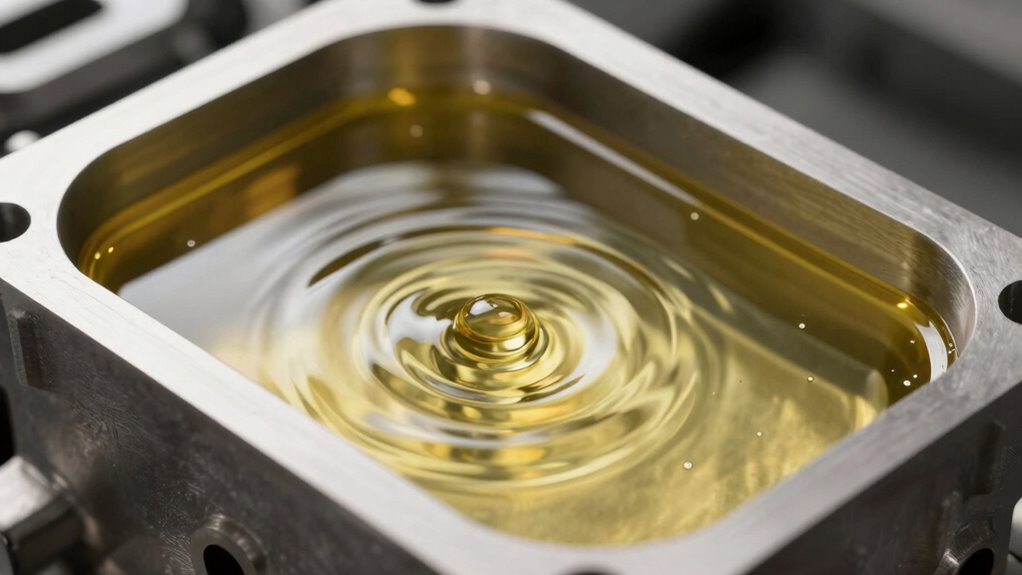
Formulating low HTHS oils to deliver both performance and protection is a complex challenge that requires innovative approaches. You need additives and polymers that sustain a durable, tear-resistant film at high temperatures and speeds. Advanced formulations focus on balancing viscosity reduction with film stability. Here’s how different formulations compare:
| Feature | Low HTHS Formulation | Traditional Oil |
|---|---|---|
| Additive Technology | Enhanced polymers | Standard additives |
| Viscosity Stability | Maintains film under stress | Less resilient in shear |
| Wear Protection | Comparable if formulated well | Proven with high HTHS |
| Fuel Efficiency Impact | Improved due to lower viscosity | No significant change |
With the right formulation, low HTHS oils can maintain performance without compromising protection. Achieving optimal film stability remains a key focus in developing these advanced lubricants.
What Are the Best Practices for Choosing the Right HTHS Viscosity?

Choosing the right HTHS viscosity involves balancing engine protection with fuel efficiency. To do this effectively, consider these best practices:
- Follow Manufacturer Recommendations: Always check your vehicle’s owner manual for the recommended HTHS range, typically above 3.5 mPa·s for ideal protection.
- Assess Operating Conditions: Choose higher HTHS oils for high-stress environments like towing or heavy-duty use, and lower HTHS for fuel economy in lighter applications.
- Evaluate Oil Formulation: Ensure the oil contains advanced additives and polymers designed to maintain film stability under your specific shear and temperature conditions.
- Monitor Oil Performance: Regularly check oil analysis reports to verify viscosity stability and adjust your choice if you notice unusual wear or consumption.
Frequently Asked Questions
Can HTHS Viscosity Change Over an Engine’s Lifespan?
Yes, HTHS viscosity can change over your engine’s lifespan. As the oil ages, it can break down or become contaminated, leading to a decrease in viscosity. This thinning oil may not form a sufficient protective film, increasing wear and friction. Regular oil changes and using high-quality additives help maintain consistent HTHS levels, ensuring your engine stays protected and performs as effectively throughout its life.
Are There Specific Engine Types Requiring Certain HTHS Levels?
You need higher HTHS levels if you operate a heavy-duty or high-performance engine, like those in trucks or sports cars. These engines endure extreme loads and high shear forces, requiring thicker oil films for protection. Conversely, passenger cars with standard engines often run fine with lower HTHS values, which improve fuel economy. Always match your engine type and manufacturer recommendations to guarantee ideal protection and efficiency.
How Does HTHS Influence Oil Filter Longevity?
Think of your engine’s oil as its lifeline—HTHS directly influences filter longevity by determining how well particles are trapped and suspended. Higher HTHS oils produce thicker films, capturing debris more effectively and preventing filter clogging. Conversely, lower HTHS oils may pass particles more easily, causing filters to clog faster. So, maintaining the right HTHS guarantees your filter works efficiently, prolonging its life and keeping your engine cleaner.
What Are the Risks of Using Incompatible Hths-Rated Oils?
Using incompatible HTHS-rated oils risks insufficient lubrication under high shear conditions, leading to increased engine wear or damage. If you select oil with too low an HTHS, it may thin out excessively at high temperatures, causing metal-to-metal contact. Conversely, an oil with too high an HTHS could increase friction, reducing fuel efficiency. Always match your engine’s recommended HTHS rating to guarantee ideal protection and performance.
Is HTHS Testing Mandatory for All Engine Oils?
You might think HTHS testing isn’t always mandatory, but it actually plays a vital role in ensuring engine oil performance. Manufacturers and regulatory bodies often require HTHS measurements to confirm oils can withstand high shear forces and temperature conditions. This testing guarantees the oil’s protective film remains stable, preventing engine wear. So, while not every oil needs HTHS testing by law, choosing oils with verified HTHS values helps protect your engine effectively.
Conclusion
Understanding HTHS viscosity is essential for keeping your engine safe and efficient. Did you know that engines with optimized HTHS can last up to 50% longer and improve fuel economy by 3-5%? By choosing the right HTHS oil, you’re not just protecting your engine; you’re saving money and reducing emissions. Don’t overlook this hidden spec—making informed choices now can lead to better performance and peace of mind down the road.