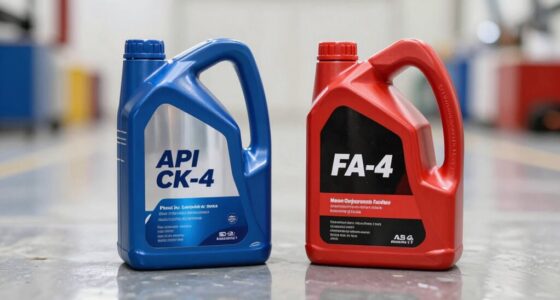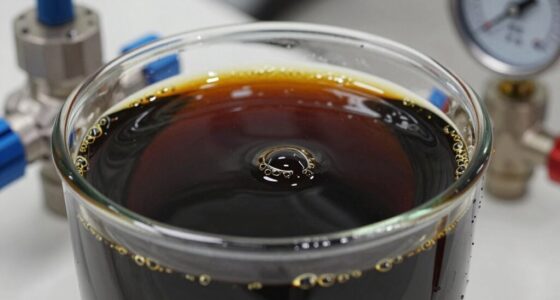

High NOACK volatility means your engine oil easily evaporates at high temperatures, leading to oil loss and deposit buildup. As lighter hydrocarbons vaporize faster, the remaining oil can become thicker, impairing lubrication and reducing engine efficiency. This can cause increased wear, emissions, and reduced fuel economy. Using oils with low NOACK values helps prevent these issues. To learn more about how to protect your engine from evaporation and deposits, keep exploring this topic.
Key Takeaways
- High NOACK volatility means more engine oil evaporates at high temperatures, causing oil loss.
- Lighter hydrocarbons in the oil vaporize quickly, leading to reduced oil levels and potential engine wear.
- Evaporated oil components can condense elsewhere, forming deposits on engine parts.
- Using oils with low NOACK values minimizes evaporation and deposit formation.
- Proper engine operation within optimal temperature ranges reduces both oil disappearance and deposit buildup.
Top picks for "noack volatility disappear"
Open Amazon search results for this keyword.
As an affiliate, we earn on qualifying purchases.
What Is NOACK Volatility and Why Is It Important for Engine Oils?
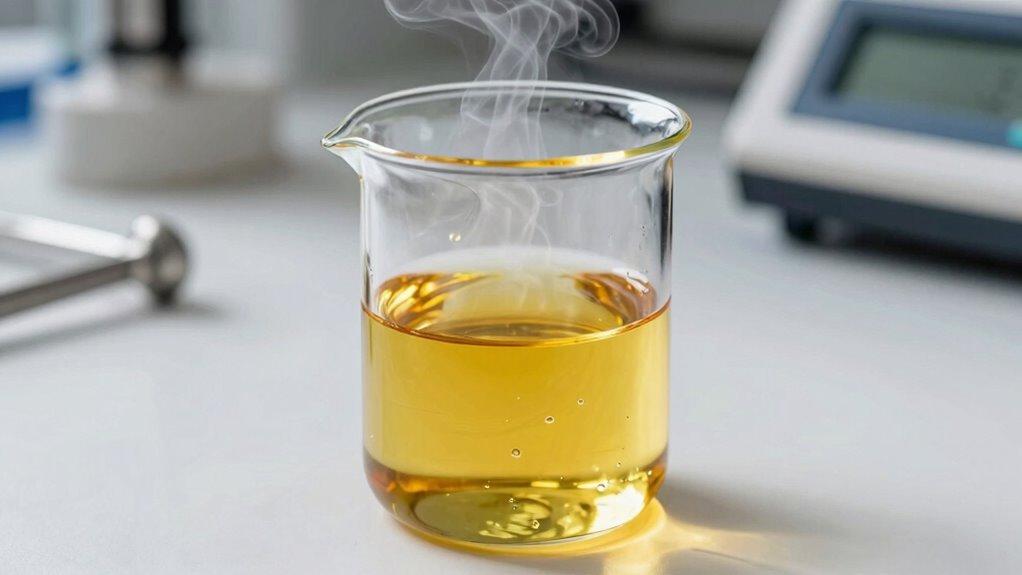
NOACK volatility measures how much engine oil evaporates at high temperatures, which is essential for maintaining engine performance and longevity. When your engine runs, especially under high heat, lighter oil components tend to vaporize and escape. If the oil loses too much, it can’t protect engine parts effectively, leading to increased wear, reduced fuel economy, and higher emissions. Lower NOACK values mean the oil resists evaporation better, staying in the engine longer and providing consistent lubrication. This helps prevent oil consumption issues and maintains ideal viscosity and film strength at high temperatures. Understanding NOACK volatility helps you choose oils that withstand extreme engine conditions, ensuring your engine remains protected, efficient, and durable over time. Additionally, selecting oils with appropriate volatility can improve overall fuel efficiency and reduce environmental impact.
How Does the NOACK Test Measure Oil Evaporation and Deposits?
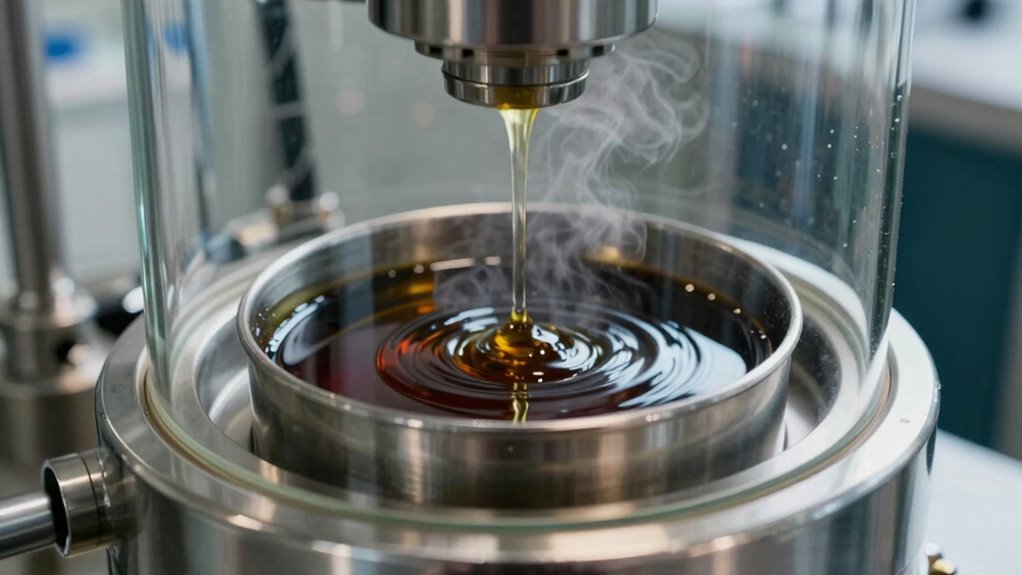
The test measures oil evaporation by heating a small sample to 250°C for 60 minutes while continuously flowing air over it. As the sample heats, lighter hydrocarbons vaporize first, and the airflow carries these vapors away. You then weigh the remaining oil to determine how much has evaporated, expressed as a percentage. This process simulates high-temperature engine conditions to assess how much oil will evaporate during operation. Deposits form from heavy fractions that don’t vaporize easily but can leave residues when the oil breaks down or evaporates. By comparing the initial and final weights, you evaluate both evaporation loss and potential deposit formation. This helps predict how well an oil will resist thinning and deposit buildup under real engine temperatures. Understanding volatility is crucial for selecting lubricants that maintain performance and cleanliness over time.
Why Do Some Engine Oils Evaporate Faster Than Others?
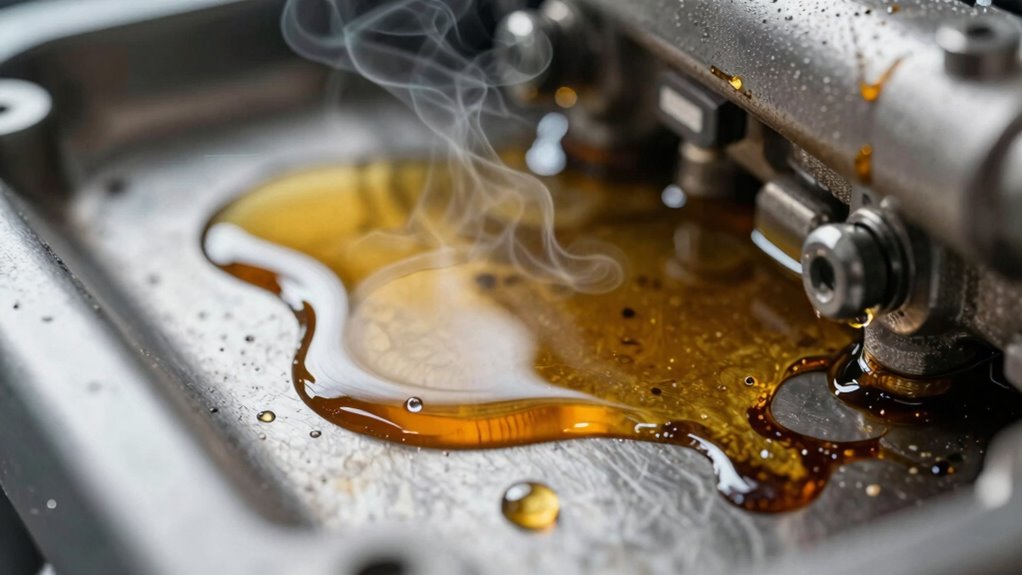
Different engine oils evaporate at varying rates primarily because of their chemical composition and molecular structure. Lighter hydrocarbons, such as shorter-chain molecules, vaporize more quickly under high temperatures, leading to higher volatility. Heavier molecules with complex structures are less prone to evaporation, helping the oil stay stable longer. Additives and additive carriers also influence evaporation; some volatile additives may evaporate faster, increasing overall oil loss. Oils formulated with higher-quality base stocks tend to have a more stable molecular structure, reducing evaporation rates. Additionally, the presence of certain chemical bonds and the oil’s viscosity impact how easily molecules escape into vapor. Overall, the balance between light and heavy components determines how quickly an oil evaporates during engine operation. Understanding chemical bonds plays a key role in how molecules are retained or released during use.
How Does Oil Volatility Affect Engine Performance and Fuel Efficiency?
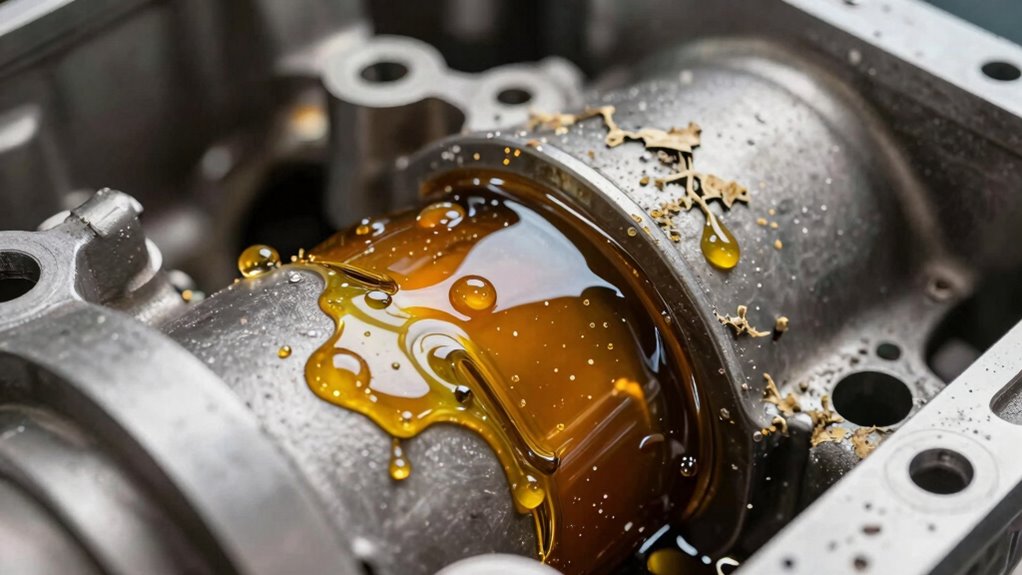
When engine oils have high volatility, they tend to evaporate more quickly during operation, which can directly impact your vehicle’s performance and fuel efficiency. As lighter fractions escape, oil circulation drops, causing increased engine wear, higher emissions, and reduced fuel economy. This loss also leads to thicker oil at operating temperatures, impairing lubrication and engine responsiveness. The table below shows how volatility levels influence key performance aspects: Free Floating
| Volatility Level | Effect on Engine Performance | Fuel Efficiency Impact |
|---|---|---|
| Low (<13%) | Stable lubrication | Improved fuel economy |
| Moderate (13-15%) | Slight performance decline | Slight fuel loss |
| High (>15%) | Increased wear, deposits | Significant fuel loss |
What Are the Best Ways to Reduce Oil Loss and Prevent Deposits?
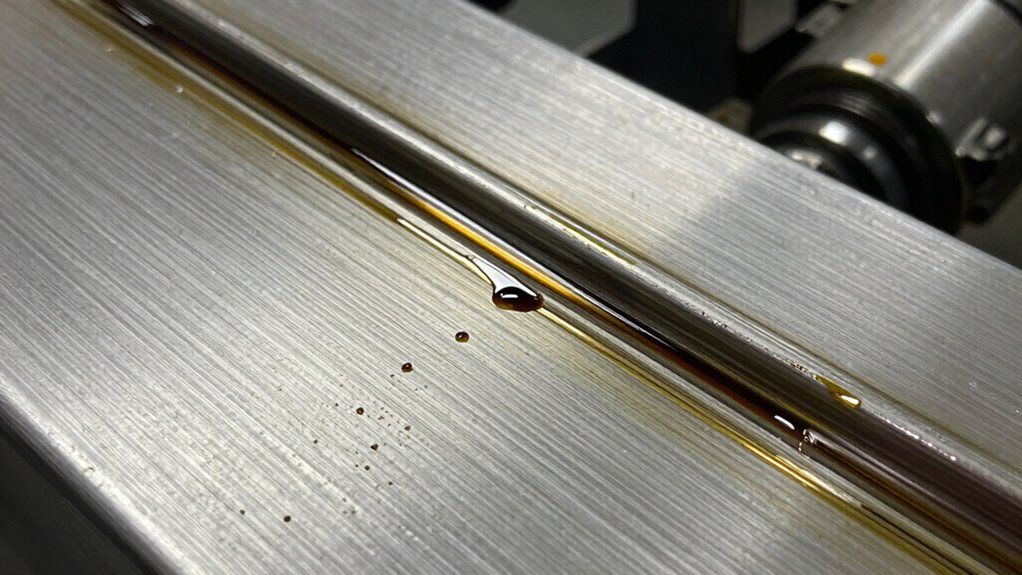
Reducing oil loss and preventing deposits start with selecting high-quality, low-volatility lubricants that resist evaporation at engine operating temperatures. Look for oils with low NOACK values—ideally below 13%—to minimize evaporation during high heat cycles. Choose synthetic or premium mineral oils formulated for stability and reduced volatility. Regularly check and maintain proper oil levels to prevent excessive consumption. Use additives designed to deposit fewer residues and improve film strength, which can help prevent deposit formation. Follow manufacturer-recommended drain intervals to avoid oil breakdown. Additionally, monitoring engine operating temperatures can help mitigate oil evaporation and deposit buildup. Lastly, ensure your engine operates within optimal temperature ranges, as excessive heat accelerates evaporation and deposit buildup. By using the right oils and adhering to maintenance schedules, you can markedly cut oil loss and keep your engine cleaner.
Frequently Asked Questions
How Does Temperature Influence NOACK Volatility in Different Engine Conditions?
You’ll see that higher engine temperatures increase NOACK volatility because more lighter hydrocarbons evaporate at elevated heat. When the temperature rises, these volatile fractions escape faster, leading to greater oil loss and potential deposits. Conversely, at lower temperatures, evaporation slows down, reducing volatility. Maintaining ideal engine temperatures helps control oil evaporation, preserving oil quality, improving efficiency, and preventing excessive deposits that can harm engine performance.
Can Additives Alter an Oil’s Evaporation Rate According to NOACK Standards?
Think of additives as protective armor for your oil. They can indeed alter its evaporation rate by forming a barrier that slows volatile loss. Certain anti-evaporation additives create a film, reducing evaporation and helping the oil stay in better condition longer. However, not all additives have this effect, so choosing formulations with specific volatility-inhibiting properties guarantees your oil meets NOACK standards and maintains engine performance.
What Is the Relationship Between Oil Volatility and Deposit Formation Over Time?
You’ll notice that higher oil volatility leads to more evaporation of lighter fractions, which can leave behind heavier deposits over time. As these lighter components vaporize, they can condense and form deposits on engine parts, affecting performance and longevity. Lower volatility oils resist evaporation better, reducing deposit buildup. So, your choice of oil with lower volatility helps prevent deposits, keeping your engine cleaner and running smoothly over the long haul.
Are Synthetic Oils Generally More Resistant to Evaporation Than Mineral Oils?
Synthetic oils are like armor against evaporation, making them more resistant than mineral oils. You’ll notice they tend to have lower NOACK volatility percentages, meaning less loss at high temperatures. This helps maintain viscosity, improves fuel efficiency, and extends oil life. By choosing synthetics, you’re reducing oil consumption and deposit formation, especially under harsh engine conditions, keeping your engine cleaner and running smoother longer.
How Do NOACK Results Relate to Real-World Engine Oil Consumption?
Your NOACK results directly relate to real-world engine oil consumption because they measure how much oil evaporates at high temperatures. If your oil has a high NOACK percentage, it means more lighter fractions evaporate, leading to increased oil loss during engine operation. This can cause reduced lubrication, higher wear, and more frequent oil changes. Lower NOACK values indicate better volatility control, helping you maintain oil levels and engine efficiency longer.
Conclusion
Understanding NOACK volatility helps you choose oils that last longer, perform better, and keep your engine clean. By reducing evaporation, you minimize deposits and oil loss, ensuring smoother operation and better fuel efficiency. Selecting low-volatility oils, maintaining proper engine conditions, and following manufacturer recommendations all work together. When you prioritize oil stability, you protect your engine, improve performance, and extend your vehicle’s lifespan—because less evaporation means fewer deposits, better efficiency, and a healthier engine.