If fluid shear in your automatic transmission is an issue, you’ll likely notice rough or jerky shifts, delays when changing gears, or slipping gears where engine revs rise but your vehicle doesn’t accelerate properly. You may also feel sudden or unpredictable shifts, causing discomfort and signs of wear. These symptoms point to hydraulic pressure problems caused by fluid shear issues. Keep going to uncover how you can identify and address these transmission concerns effectively.
Key Takeaways
- Delayed or sluggish gear shifts, causing hesitation or jerking during acceleration.
- Rough, abrupt, or inconsistent gear changes felt while driving.
- Slipping gears where engine revs increase without corresponding speed gain.
- Delayed engagement or disengagement of gears when shifting from park or neutral.
- Unpredictable or erratic shifting patterns indicating hydraulic pressure issues.
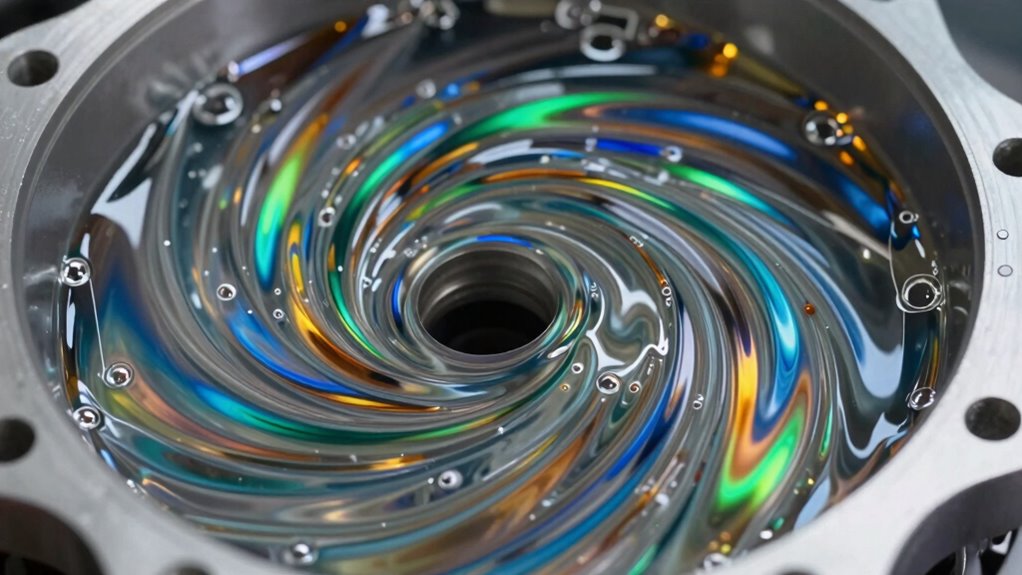
Fluid shear plays a crucial role in automatic transmissions, affecting how smoothly and efficiently your vehicle shifts gears. When fluid shear isn’t functioning properly, you may notice symptoms that point to underlying issues with transmission maintenance or hydraulic pressure. These symptoms often manifest as rough shifting, slipping, or delays, which can make driving less comfortable and potentially lead to more serious damage if left unaddressed.
One of the most common indicators of fluid shear problems is a delay when shifting from one gear to another. You might feel a jerk or hesitation as the transmission attempts to change gears. This happens because the hydraulic pressure that controls the clutch packs and bands isn’t being maintained at the proper levels, which can be caused by contaminated or degraded fluid, or a malfunctioning transmission pump. When fluid shear is compromised, the fluid’s ability to transfer force smoothly diminishes, leading to these noticeable delays. Regular transmission maintenance, including fluid changes, helps ensure the fluid maintains the right viscosity and shear properties, preventing these symptoms.
Delayed gear shifts signal fluid shear problems caused by contaminated fluid or faulty transmission pump.
Another sign of fluid shear issues is slipping gears. You may notice that your engine revs higher than usual without a corresponding increase in vehicle speed. This occurs because the transmission fails to fully engage the gear, often due to inconsistent hydraulic pressure. When fluid shear is inadequate, the clutch packs don’t lock up properly, causing slipping. This not only affects driving comfort but also accelerates wear on transmission components. Addressing this requires checking the transmission fluid for contamination or low levels and performing maintenance to restore proper hydraulic pressure and fluid shear.
You might also experience erratic shifting or sudden shifts at inappropriate times. These symptoms can be traced back to irregularities in fluid shear caused by fluctuating hydraulic pressure. When fluid shear isn’t consistent, the transmission’s ability to modulate pressure effectively gets compromised, leading to unpredictable gear changes. If you notice these symptoms, it’s essential to have your transmission checked by a professional who can diagnose issues with hydraulic pressure and fluid condition. Additionally, understanding how fluid shear impacts transmission performance can help in taking preventive measures to prolong the lifespan of your vehicle’s transmission system.

YGDMD Transmission Fluid Pump Kit with 3/8" Swivel,Transmission Fluid Transfer Pump Kit with 8mm & 10mm Male Adapters,Multi-Purpose Gear Oil Pumps for Oil & Water Transporting
Product Specification: Hose length is 20.47 inch, ID is 0.25 inch, OD is 0.34 inch, fluid pump length…
As an affiliate, we earn on qualifying purchases.
As an affiliate, we earn on qualifying purchases.
Frequently Asked Questions
Can Fluid Shear Cause Sudden Transmission Failure?
Yes, fluid shear can cause sudden transmission failure. When fluid shear occurs, it leads to fluid contamination and breakdown, reducing lubrication and cooling efficiency. This can result in transmission overheating, which stresses internal components and causes rapid failure. Keep an eye on fluid condition and level, as contaminated or degraded fluid accelerates shear and increases the risk of sudden transmission issues. Regular maintenance helps prevent these damaging effects.
How Does Fluid Shear Differ From Other Transmission Issues?
Fluid shear subtly differs from other transmission issues by gradually causing transmission noise and gear slipping, rather than sudden failures. You might notice a soft whining or grinding sound and difficulty shifting gears, which hints at internal wear. Unlike more abrupt problems, fluid shear quietly wears down components over time, making it essential to keep an eye on your transmission’s behavior and address early signs before more serious damage occurs.
Is Fluid Shear Repair Costly Compared to Other Repairs?
Fluid shear repair can be quite costly compared to other transmission repairs, often due to the extensive work involved. You might face a significant financial impact, especially if the issue isn’t caught early. The repair process may require replacing or rebuilding parts of the transmission, leading to higher labor and parts costs. Being aware of these costs helps you prepare and avoid more severe damage that could increase overall expenses.
Can Regular Maintenance Prevent Fluid Shear Problems?
Regular maintenance helps prevent fluid shear problems by keeping your transmission fluid clean and properly topped off. When you change the fluid regularly, you reduce fluid contamination and lower the risk of transmission overheating, both of which can cause fluid shear. Staying on top of maintenance guarantees your transmission stays cool and efficient, preventing costly repairs down the line caused by fluid degradation or contamination.
Are Certain Driving Habits More Likely to Cause Fluid Shear?
Did you know that aggressive driving increases transmission wear by 30%? Your driving style markedly impacts fluid shear risk, especially if you frequently accelerate hard or brake suddenly. Such habits cause transmission temperature to spike, which exacerbates fluid shear. To prevent this, maintain smooth acceleration and braking, and avoid high speeds for prolonged periods. Keeping your transmission cool helps reduce fluid shear, extending your transmission’s lifespan and ensuring smoother shifts.

Orion Motor Tech Oil Extractor Pump and Dispenser Tool Kit, 10L Pneumatic Transmission Fluid Bleeder Set, 2.6gal 2 Way Vacuum Fluid Evacuator and Filler Oil Change Kit 15 ATF Refill Adapters 3 Hoses
10L Extractor & Dispenser: Orion Motor Tech's 2.6 gallon vacuum fluid bleeder set uses compressed air up to…
As an affiliate, we earn on qualifying purchases.
As an affiliate, we earn on qualifying purchases.
Conclusion
When fluid shear shows up in your automatic transmission, it’s a sign you shouldn’t ignore. Think of it like a warning flag waving—if you catch it early, you can prevent bigger problems down the road. Keep an eye on symptoms and get things checked out before they snowball. Remember, a stitch in time saves nine, so don’t wait until it’s too late. Stay vigilant, and your transmission will thank you for it.

Transmission Fluid Tester Kit Gasoline & Diesel Gearbox Oil Diagnostic Tool High-Precision Diagnostic Analysis Tool with 31.5in Probe Transmittance/Temperature Testing, 2.8in Display (4 Batteries)
【WHY NEED IT】Our transmission fluid tester features an advanced optical probe that measures light transmittance within the transmission…
As an affiliate, we earn on qualifying purchases.
As an affiliate, we earn on qualifying purchases.

Hot Shot's Secret Shift Restore Automatic Transmission Additive 16 fl oz Bottle
Reduces operating temperatures
As an affiliate, we earn on qualifying purchases.
As an affiliate, we earn on qualifying purchases.