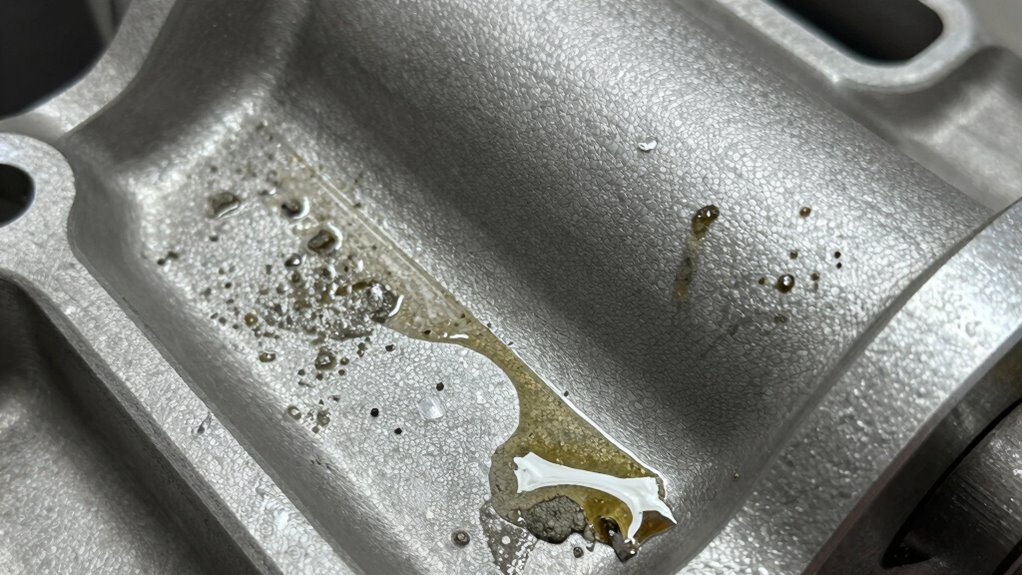
To tell if silicon in your UOA comes from dirt ingestion or sealant breakdown, look at the silicon to aluminum ratio; around 3.4:1 suggests dirt contamination, especially if you see increased wear metals and debris in filters. If silicon spikes without a rise in aluminum or other metals, it likely comes from sealant or additives. Paired with coolant sodium or stable wear patterns, this indicates internal issues. Continuing your investigation can help pinpoint the cause more precisely.
Key Takeaways
- Elevated silicon with high aluminum (Si:Al ~3.4:1) indicates external dirt ingestion; a lower ratio suggests internal sources like sealants.
- Dirt ingress often shows increased wear metals (iron, copper) and debris in filters, unlike sealant leaching, which lacks wear metal spikes.
- Silicon spikes accompanied by sodium or coolant-related metals point to coolant leaks, not external contamination.
- Consistent silicon levels without changes in wear metals or filter debris suggest sealant breakdown rather than dirt ingress.
- Dust on filters, thickened oil, and filter clogging support external dirt contamination over internal sealant leaching.

Under My Hood Oil Analysis Kit – Oil Test Kit for Gasoline & Diesel Engines
- Aircraft Use Warning: Not for aircraft engine testing
- Monitor Equipment Health: Detects wear metals and contamination
- Universal Compatibility: Suitable for gasoline and diesel engines
As an affiliate, we earn on qualifying purchases.
As an affiliate, we earn on qualifying purchases.
Where Does Silicon Come From in Your Engine Oil?
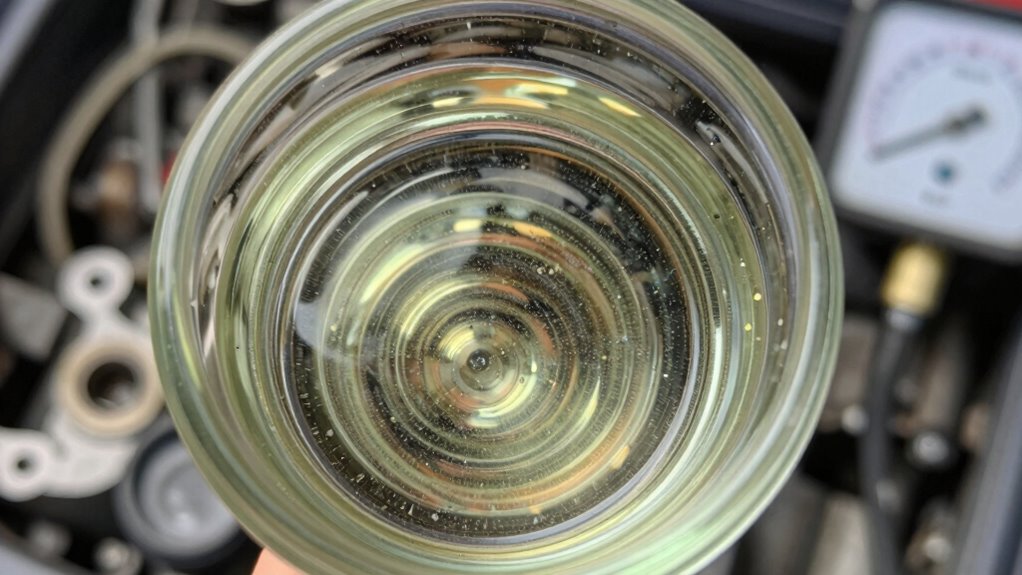
Have you ever wondered where silicon in your engine oil originates? Silicon mainly enters through dirt ingression, especially in environments like cement plants or coal-fired power stations, where airborne dust or fly ash is common. It can also leak in via damaged seals, faulty breathers, or improper oil caps, letting dust and debris bypass filters. Additionally, dirty storage or top-up containers from suppliers may introduce silica, which is a major component of dirt along with alumina. When engines are new or rebuilt, silica-rich casting sand during break-in can also contaminate oil. Recognizing these sources helps you understand that elevated silicon levels often indicate external contamination, not necessarily internal engine wear or sealant failure. Proper sealing and cleanliness are essential to prevent silicon from compromising your engine’s health. external contamination is a common cause of silicon in engine oil, emphasizing the importance of maintaining a clean environment and proper sealing techniques.

Oil Udder X Oil Change Tool – Fits Oil Filters Up to 2.75" Diameter – Spill-Free Oil Filter Funnel with Magnet – Hands Free Magnetic Hold to Filter – Durable Nitrile Rubber Construction Maximum Grip
- Magnetic Drain Plug Catch: Holds metal drain plugs securely during oil changes
- Spill-Free Oil Filter Funnel: Prevents mess with large oil filters up to 2.75"
- Engine Fluid Draining Tool: Ensures clean flow into containers during oil changes
As an affiliate, we earn on qualifying purchases.
As an affiliate, we earn on qualifying purchases.
How to Recognize Signs of Dirt Ingestion in Oil Analysis

You can spot dirt ingestion by examining the silicon to aluminum ratio; a high silicon level with a low aluminum suggests contamination rather than sealant leaching. Watch for changes in wear metal patterns, such as increased iron or copper, indicating abrasive dirt wear. Additionally, inspect the filter and oil condition for signs like trapped dust or thickened oil, which confirm dirt entry. Recognizing early signs of contamination can help prevent more serious engine issues.
Silicon to Aluminum Ratio
The silicon to aluminum (Si:Al) ratio in oil analysis serves as a key indicator of dirt ingestion, especially when examining wear patterns. A ratio around 3.4:1 suggests dirt contamination, often from airborne dust or silica-rich debris entering the system. Elevated silicon coupled with a high aluminum level points to dirt ingestion, causing abrasive wear on pistons, rings, and liners. If silicon rises without a corresponding aluminum increase, it likely indicates sealant leaching rather than dirt. Consistently monitoring the Si:Al ratio helps distinguish between dirt-induced wear and sealant issues. A spike in silicon without aluminum signals a need to check filters, seals, and breathers. Recognizing wear patterns and their relation to contamination sources is essential for accurate diagnosis. Accurate interpretation of this ratio can prevent misdiagnosis and guide effective maintenance actions.
Wear Metal Pattern Changes
How can changes in wear metal patterns reveal dirt ingestion in oil analysis? When dirt enters your system, you’ll notice increased wear metals like iron, copper, tin, or aluminum, often rising together. Elevated silicon levels accompanied by high wear on these metals suggest abrasive particles damaging components. A typical pattern shows a spike in silicon and aluminum at a 3.4:1 ratio, indicating dirt ingestion. You might also see increased bottom-end wear, scratches, or signs of metal fatigue, along with higher oil consumption due to abrasive wear on rings and liners. If dust isn’t evident, inspect filters and bearings. Recognizing these patterns helps differentiate dirt ingestion from other issues, enabling targeted maintenance and preventing costly damage. Regular monitoring ensures early detection of contamination, preserving engine longevity. Additionally, understanding the contrast ratio of your projectors can help in assessing the clarity of images during inspections.
Filter and Oil Condition
Dirt ingestion often leaves clear signatures in filter and oil condition, making it essential to monitor these elements closely. Elevated silicon levels combined with dark, gritty oil or clogged filters indicate dirt ingress. Look for signs like increased filter clogging frequency or a sudden rise in debris captured by the filter, which signals contamination. You might also notice a faster oil degradation rate or an unusual increase in wear metals due to abrasive particles. Regularly inspecting the oil’s clarity and filter condition helps catch issues early. Proper filter maintenance is crucial to prevent ongoing contamination and equipment wear.
TSI Supercool Synthetic U/V Leak Detection Dye, 1 oz, 1 Application
- Includes Synthetic U/V Leak Detection Dye: Synthetic U/V Leak Detection Dye included
- Quickly Finds Cooling System Leaks: Detects leaks rapidly
- Detectable with Any U/V Light: Visible under all U/V lights
As an affiliate, we earn on qualifying purchases.
As an affiliate, we earn on qualifying purchases.
Indicators of Sealant Leaching and Silicone Additive Contamination
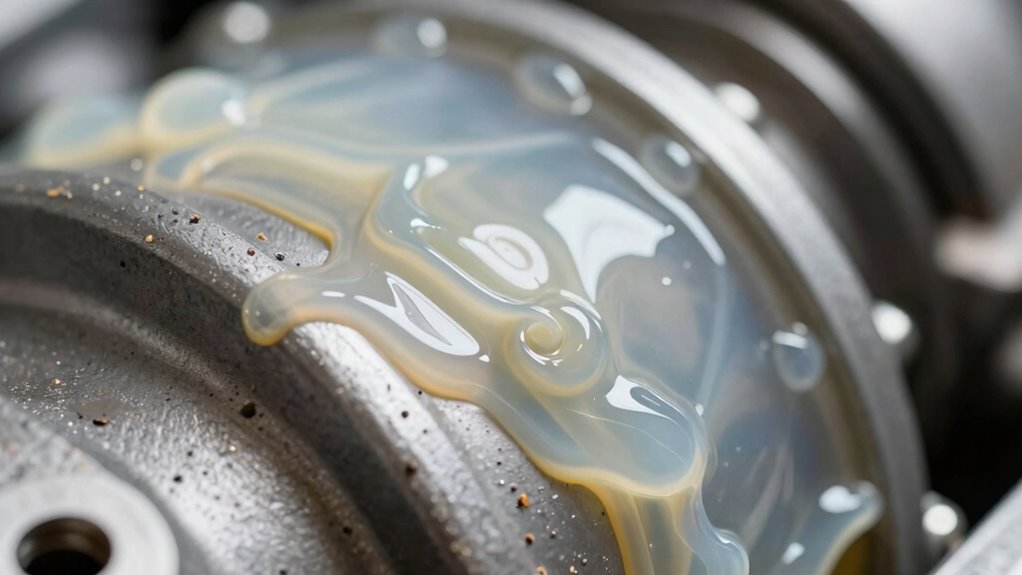
When you see a silicon spike without corresponding metals, it often points to sealant leaching or silicone additive contamination rather than dirt ingestion. An increase in coolant sodium alongside silicon suggests coolant leaks, while the absence of an aluminum rise helps distinguish these issues from dirt-related wear. Recognizing these patterns helps you identify contamination sources quickly and take appropriate action. For example, regional flavors can sometimes influence the interpretation of contamination sources in various contexts.
Silicon Spike Without Metals
A sudden spike in silicon levels without corresponding increases in wear metals often indicates sealant leaching or contamination from silicone-based additives rather than dirt ingress. This scenario suggests that the source isn’t abrasive dirt but rather silicone sealants or additives migrating into your oil. Look for these signs:
- Silicon rises with no accompanying aluminum or other wear metals
- Elevated silicon levels occur alongside stable wear patterns
- Absence of increased dust or dirt indicators in filters
- Silicon-related additives, like antifoam agents, are suspected
If these signs are present, it’s likely sealant or additive leaching rather than dirt ingestion. You should consider inspecting for sealant degradation, checking coolant for contamination, or reviewing additive usage. This helps prevent misdiagnosis and ensures proper maintenance focus. Additionally, understanding the silicone additive chemistry can help identify potential sources of contamination and prevent false positives in oil analysis.
Coolant Sodium Increase
An increase in coolant sodium levels often signals sealant leaching or contamination from silicone-based additives rather than dirt ingress. Silicone sealants contain sodium compounds that can leach into the coolant, raising sodium levels without other wear metals. This sodium spike is a key indicator of sealant breakdown or additive contamination. To differentiate, observe the presence or absence of other metals; a sodium rise alone suggests sealant issues. Additionally, monitoring for indoor air quality factors can help identify if dust or microplastics are contributing to contamination. Monitoring these signs helps pinpoint the cause accurately.
Absence of Aluminum Rise
The absence of an aluminum rise alongside elevated silicon levels indicates that dirt ingress is unlikely to be the source of contamination. Instead, it suggests sealant leaching or silicone additive contamination. You should look for specific signs to confirm this:
- Silicon increases without corresponding spikes in wear metals like aluminum or iron.
- Sudden silicon jumps occur without any indication of increased dirt or dust.
- Elevated silicon in coolants or lubricants may point to silicone-based sealants or additives.
- Normal wear patterns on components, especially in new or rebuilt engines, support sealant contamination rather than dirt ingress.
- Understanding solar system safety measures can help prevent potential contamination issues during maintenance or repairs.
Under My Hood Oil Analysis Kit – Oil Test Kit for Gasoline & Diesel Engines
- Aircraft Use Warning: Not for aircraft engine testing
- Monitor Equipment Health: Detects wear metals and contamination
- Universal Compatibility: Suitable for gasoline and diesel engines
As an affiliate, we earn on qualifying purchases.
As an affiliate, we earn on qualifying purchases.
How to Differentiate Between Dirt and Sealant Silicon Signatures
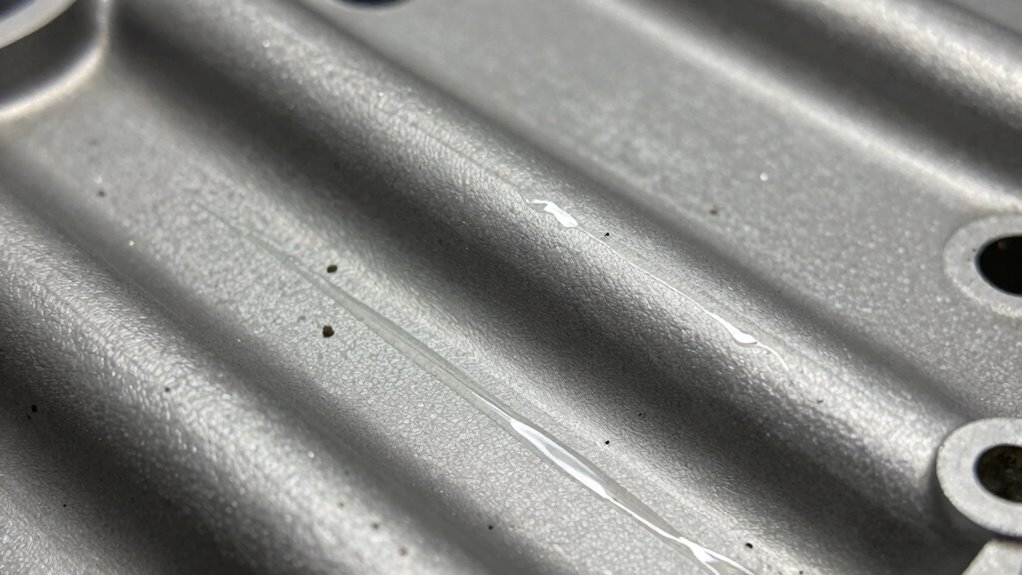
Differentiating between dirt and sealant silicon signatures relies on analyzing specific indicators in oil analysis reports. If silicon rises without a corresponding increase in aluminum or other wear metals, it likely indicates sealant leaching. Sealant-related silicon often appears suddenly and stays consistent without affecting wear patterns or causing surface damage. Conversely, dirt ingestion typically shows elevated silicon along with increased aluminum, iron, and other metals, reflecting abrasive wear on engine components. Look for a silicon spike without a metal spike—this suggests sealant or additive involvement. Also, check for accompanying sodium or copper rises, which may point to coolant leaks or other issues. Consistent monitoring and understanding these signatures help you distinguish between contamination sources effectively.
How to Diagnose Silicon Contamination: Step-by-Step
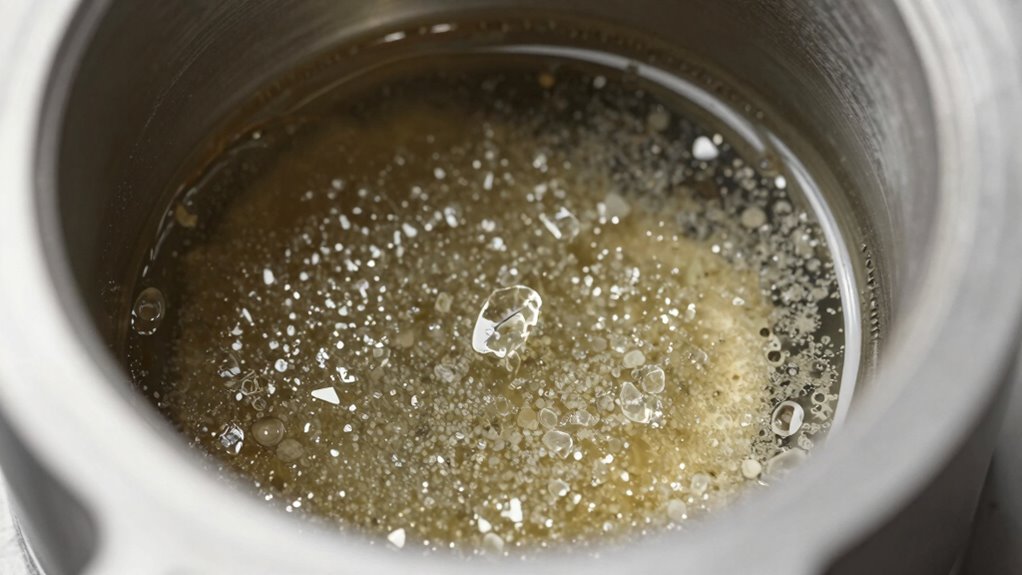
Diagnosing silicon contamination in engine oil involves a systematic approach to identify its source accurately. First, review your oil analysis report for silicon levels and related metals. Then, check for signs of dirt ingestion, such as elevated aluminum and iron, and inspect filters and breathers for dust buildup. If silicon rises without corresponding aluminum, consider sealant leaching. Examine the engine for leaks, damaged seals, or gasket issues. For thorough diagnosis, understanding gear wear patterns can help identify if dirt is entering through external contamination.
- Verify sampling technique and inspect the oil filter
- Drop the sump for bearing and journal inspection if metals are high
- Monitor oil pressure and perform filter changes for confirmation
- Look for sodium or copper increases to rule out coolant leaks
This step-by-step process helps pinpoint whether dirt or sealant sources contribute to silicon levels.
Preventing Dirt and Sealant Contamination in Engines
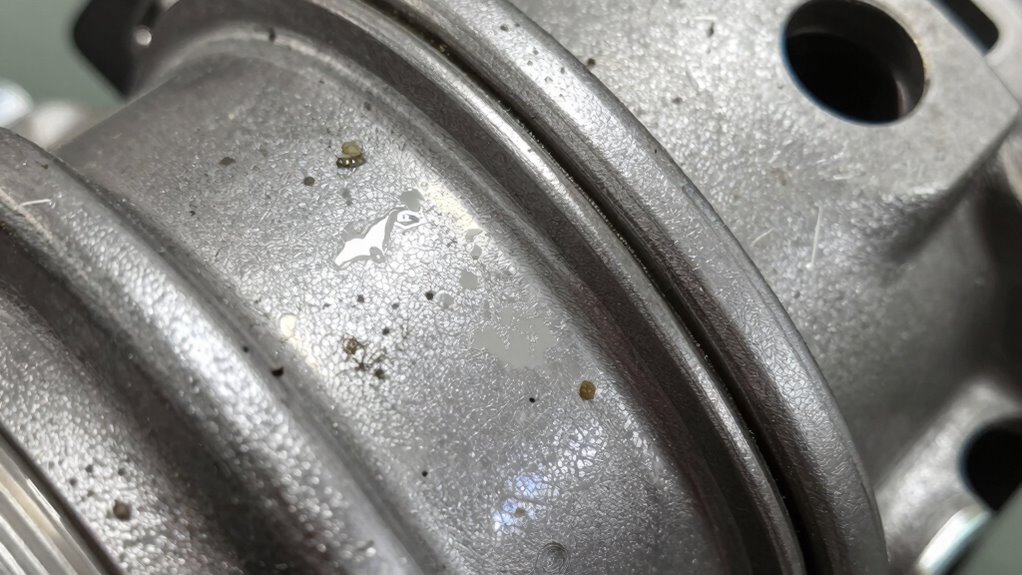
How can you effectively prevent dirt and sealant contamination from compromising your engine’s performance? Start with proper filtration—use high-quality air filters and check them regularly. Seal all potential entry points, including oil filler caps, dipsticks, and breathers, to block airborne dust. Keep storage and top-up containers clean and sourced from reputable suppliers to avoid introducing silica-rich dirt or contaminated lubricants. Be cautious when using silicone-based sealants; verify their compatibility beforehand. Regularly inspect filters, seals, and breathers during maintenance to catch issues early. Incorporate contamination control practices such as routine cleaning and protective coverings to further reduce risks.
Interpreting Silicon Trends for Better Maintenance Decisions
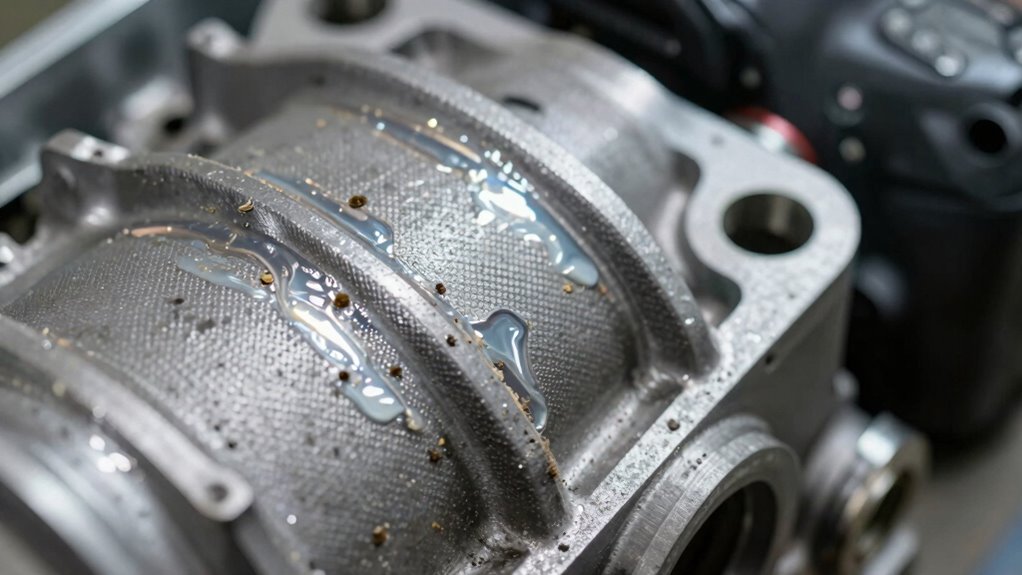
Monitoring silicon levels in your oil analysis provides valuable insights into engine condition and contamination sources. Sharp silicon spikes often indicate dirt ingress, especially if accompanied by increased aluminum and wear metals. Conversely, a sudden rise in silicon without other metals suggests sealant leaching, common in new engines or after repairs. Understanding these patterns helps you decide whether to focus on filtration, sealant removal, or component inspection. Regular analysis can also help detect side-channel vulnerabilities, which may be exploited by cyber threats to compromise engine control units. You should watch for:
- Elevated silicon with high wear metals and a Si:Al ratio around 3.4:1, indicating dirt ingestion.
- Silicon increases without aluminum or other metals, pointing to sealant or additive leaching.
- Consistent silicon spikes with no change in wear metals, suggesting sealant breakdown.
- Silicon rises paired with sodium or copper, hinting at coolant leaks or other issues.
Accurately interpreting these trends enables targeted maintenance, saving time and preventing costly failures.
Frequently Asked Questions
Can Silicone-Based Sealants Cause False Positives in Silicon Analysis?
Yes, silicone-based sealants can cause false positives in silicon analysis. When sealants leach into the oil, they release silicon without accompanying wear metals or dirt indicators. You’ll notice a sudden silicon spike with no aluminum or other metal increases, and normal wear patterns. To confirm, check for absence of dirt signs, inspect seals, and consider if recent sealant application could be the source of elevated silicon levels.
How Long Does Silicon From Dirt or Sealants Typically Remain in Oil?
Think of silicon in oil like a guest who overstays their welcome. From dirt, silicon can linger for thousands of miles, gradually decreasing as the oil wears and is changed. Sealant-derived silicon typically shows up quickly after maintenance and drops off faster once the sealant’s effects diminish. Regular oil analysis helps you track these patterns, so you know whether silicon’s here to stay or just passing through.
What Are the Best Practices for Sampling to Avoid Contamination?
You should follow best practices for sampling by using a clean, dry container and guaranteeing your sampling device is free of contaminants. Always collect samples from the same point in the oil system, ideally after running the engine to get a representative sample. Avoid touching the inside of the container or lid, and fill it promptly. Proper labeling and timely analysis help prevent contamination and ensure accurate results.
How Does Coolant Sodium Level Affect Silicon Readings?
When coolant sodium levels rise, they can falsely elevate silicon readings, mimicking dirt ingestion. You’ll notice this when high sodium appears alongside silicon without corresponding increases in aluminum or wear metals. Instead of dirt, it signals potential coolant leaks or additive effects. To avoid misinterpretation, check for sodium spikes and assess coolant condition, ensuring your silicon readings truly reflect contamination rather than a coolant-related anomaly.
Are Certain Engine Types More Prone to Silicon Contamination?
You’ll find that certain engine types, like turbocharged or direct-injection engines, are more prone to silicon contamination. These engines often operate in dusty environments or have tighter tolerances, increasing dirt ingress risk. Additionally, engines with silicone-based gaskets or seals are vulnerable to sealant leaching. Regular inspections, proper sealing, and maintaining clean working conditions help reduce silicon contamination, regardless of engine type.
Conclusion
Understanding whether silicon in your engine oil comes from dirt ingestion or sealant leaching is crucial, like distinguishing between a knight’s shield and a dragon’s breath. By paying close attention to signs and trends, you can prevent costly damage and keep your engine running smoothly. Think of it as steering through a dense fog with a trusty lantern—clarity and vigilance help you steer clear of trouble, ensuring your engine’s health remains as steadfast as a medieval castle.