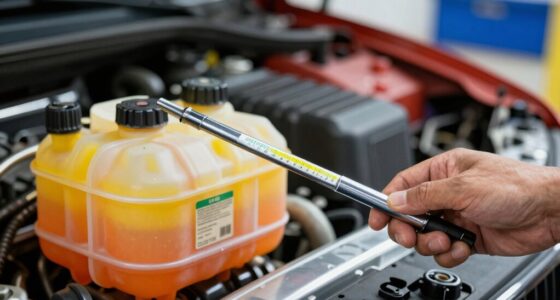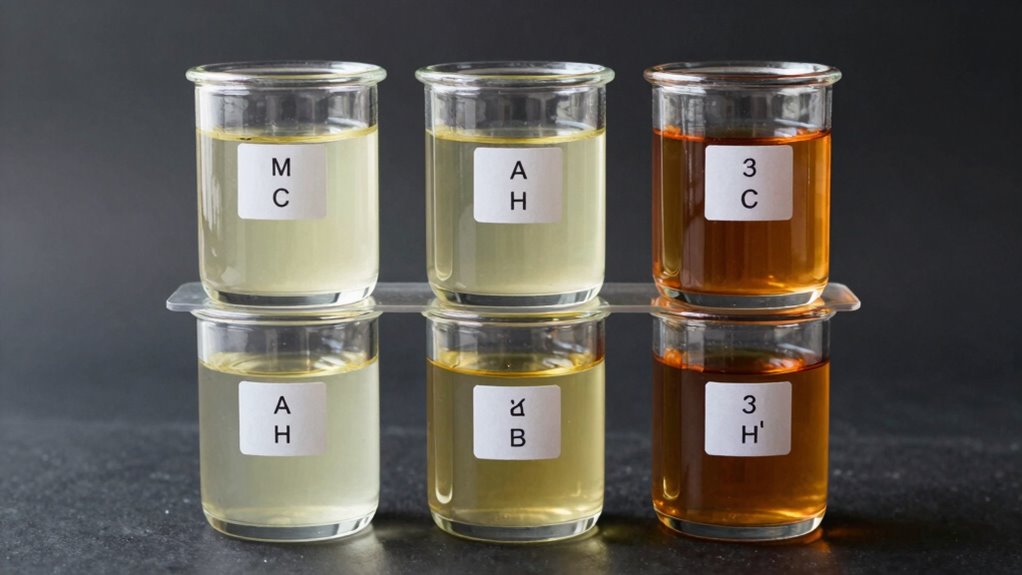

Understanding base oil groups helps you choose the right lubricant based on how they’re refined and their chemical makeup. These groups are defined by refining processes, which impact factors like purity, viscosity, and stability. Knowing the differences prevents marketing talk from confusing you and guarantees you select oils compatible with your equipment. If you want to grasp how these groups influence performance and compatibility, you’ll find more details below.

Get business pricing on garage and car supplies
- Business-only prices and quantity discounts
- Tax-exempt purchasing
- Multiple users, one account, clear invoices
Key Takeaways
- Base oil groups are classified primarily based on refining processes and chemical composition, not marketing terms.
- Group I oils are solvent-refined with higher impurities, while Groups II and III are hydroprocessed for greater purity.
- Chemical structure influences viscosity, stability, and additive compatibility, distinguishing each base oil group.
- Understanding these groups helps select the right oil for specific applications and ensures performance expectations.
- Clear classification avoids marketing jargon, supporting better equipment compatibility and informed purchasing decisions.
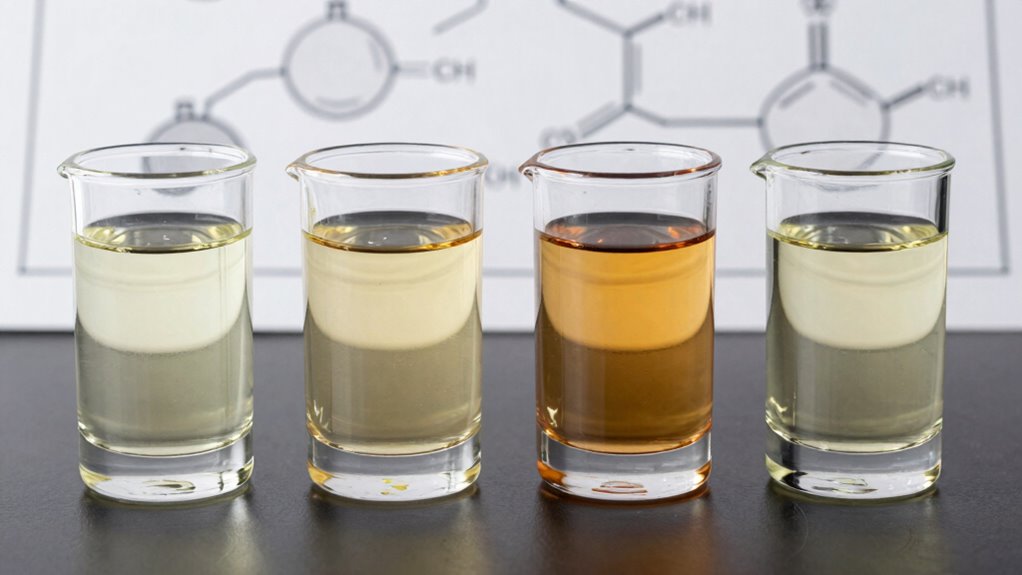
Have you ever wondered how different types of base oils are classified? It’s a good question because understanding these classifications helps you choose the right oil for your needs, whether it’s for engine lubrication, industrial applications, or other uses. The classification system is based on several factors, including refining processes, chemical composition, and additive compatibility. Recognizing these differences can prevent confusion caused by marketing jargon and ensure you get a product that performs as expected. Refining processes play a crucial role in determining the quality and performance characteristics of each base oil group.
engine oil base oil group comparison
As an affiliate, we earn on qualifying purchases.
As an affiliate, we earn on qualifying purchases.
Frequently Asked Questions
How Do Base Oil Groups Impact Engine Performance?
Base oil groups directly impact your engine’s performance by affecting additive compatibility and viscosity stability. Higher-quality groups, like Group III, offer better viscosity stability, ensuring consistent lubrication under various temperatures. This improves engine efficiency and reduces wear. Additionally, compatible additives work more effectively with certain base oils, enhancing protection and prolonging engine life. Choosing the right base oil group helps optimize engine performance and reliability over time.
Are Synthetic Base Oils Classified Into Specific Groups?
Yes, synthetic base oils are classified into specific categories within the base oil categories. They typically fall into Group IV (PAO) or Group V (other synthetic oils), depending on their chemical composition and manufacturing process. These synthetic classifications help you understand their quality, performance, and compatibility with various engine oils. Knowing these categories allows you to choose the right synthetic oil for ideal engine performance and longevity.
Can Base Oil Groups Determine Oil Change Intervals?
Yes, your base oil groups can influence your oil change frequency and maintenance schedules. Higher-quality oils, often from advanced base oil groups, last longer and perform better under stress, meaning you may extend intervals between oil changes. However, always follow your vehicle manufacturer’s recommendations and monitor oil condition regularly. Properly selecting the right base oil group helps optimize engine protection and can potentially reduce maintenance costs over time.
What Is the Environmental Impact of Different Base Oil Groups?
Think of your choice in base oil groups as planting seeds in a garden of environmental impact. Different groups influence pollution levels and resource use, shaping the landscape of environmental pollution and resource sustainability. Group I oils may leave a larger ecological footprint, while Group III oils are often cleaner and more efficient. Your decision can help reduce environmental harm, preserving resources and protecting ecosystems for future generations.
How Do Base Oil Groups Influence Oil Pricing and Availability?
You’ll find that base oil groups influence oil pricing and availability through market demand and production costs. Higher-quality Group III oils, for instance, often cost more due to advanced refining processes, making them less available and driving up prices. Conversely, more abundant Group I oils tend to be cheaper but may have limited availability. Your choice depends on balancing quality, cost, and supply factors shaped by these group distinctions.
As an affiliate, we earn on qualifying purchases.
Conclusion
Understanding the different base oil groups clears up the marketing fog and helps you make smarter choices. Think of these groups as the backbone of your lubricants—without them, your engine’s performance would crash faster than a house of cards in a hurricane. By knowing the differences, you can pick the right oil with confidence, ensuring your machinery runs smoother, longer, and more reliably. Don’t let marketing spin cloud your judgment—arm yourself with real knowledge and keep things running like a well-oiled machine.
As an affiliate, we earn on qualifying purchases.
high viscosity stability engine oil
As an affiliate, we earn on qualifying purchases.
As an affiliate, we earn on qualifying purchases.
Halloween Picks
halloween
As an affiliate, we earn on qualifying purchases.