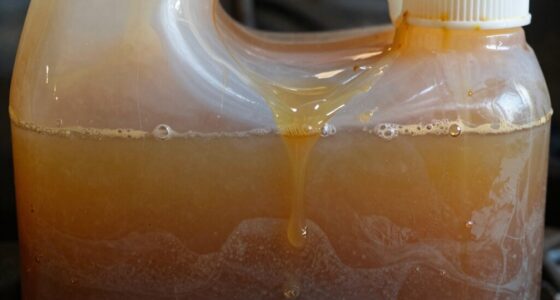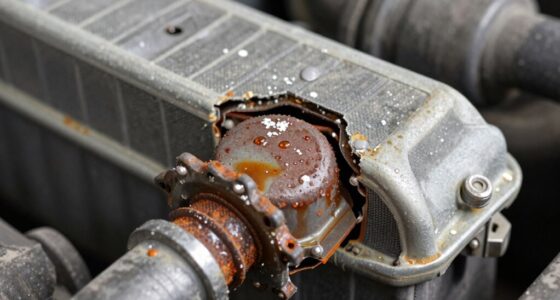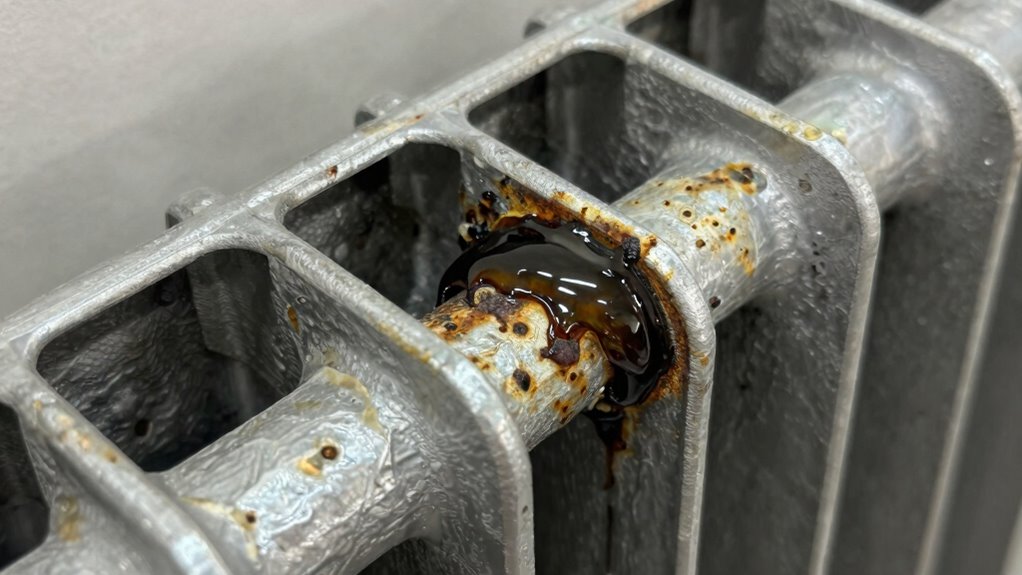

Using the wrong type of coolant or neglecting regular system maintenance can cause your heater core to clog with a gel-like substance. Contaminants build up over time and blend with antifreeze, creating a thick, sticky formation that blocks coolant flow. This clogging reduces heating performance and may lead to heater failure. To prevent this, it is crucial to use the correct coolant and keep up with proper cooling system upkeep. There’s more to discover about avoiding this costly issue.

Get business pricing on garage and car supplies
- Business-only prices and quantity discounts
- Tax-exempt purchasing
- Multiple users, one account, clear invoices
Key Takeaways
- Using incorrect coolant types can lead to chemical reactions that produce gel-like deposits in the heater core.
- Contaminated antifreeze, especially when old or degraded, promotes gel formation that clogs the system.
- Mixing incompatible coolants or neglecting regular system flushes accelerates debris buildup and gel creation.
- The gel obstructs coolant flow, causing poor heating and potential heater core failure.
- Proper maintenance and correct coolant use prevent contamination and reduce the risk of gel-related clogging.
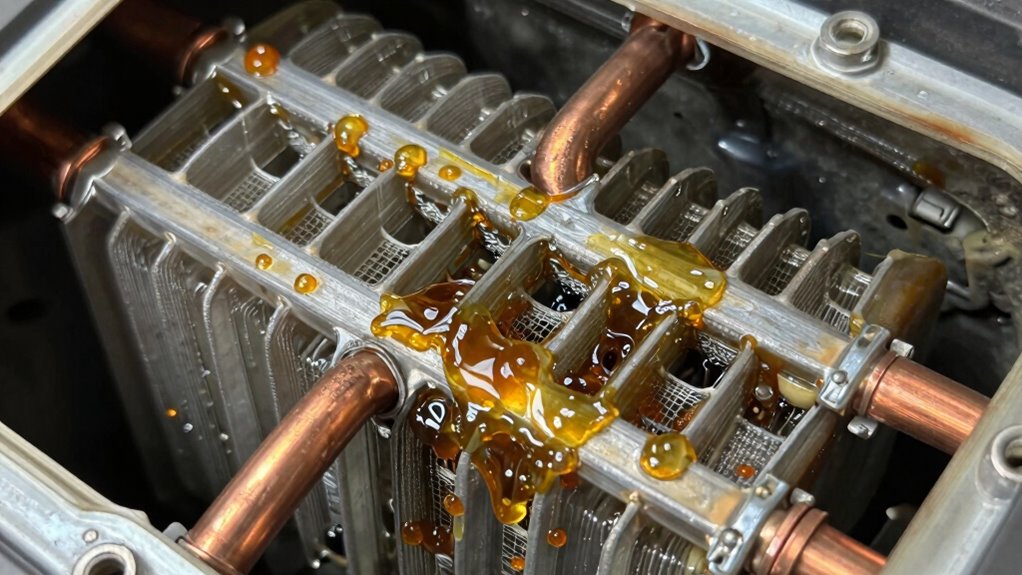
Have you ever noticed your vehicle’s heater isn’t warming up as it should? If your car’s interior stays chilly despite turning up the heat, a heater core clog might be the culprit. One common cause behind this issue is antifreeze contamination, which can lead to a thick, gel-like buildup that blocks coolant flow. When your cooling system isn’t properly maintained, contaminants can accumulate in the coolant, causing it to break down and form deposits. These deposits often turn into a sticky, gel-like substance that clogs the tiny passages inside your heater core, preventing warm coolant from circulating effectively.
Antifreeze contamination happens for several reasons, such as using the wrong type of coolant or neglecting regular cooling system maintenance. Over time, old or degraded antifreeze can lose its effectiveness and become contaminated with rust, scale, or other debris. If you don’t flush and replace your coolant periodically, these impurities can combine to form a thick, viscous substance that sticks to the interior surfaces of the heater core. Once this gel forms, it restricts coolant flow, leading to poor heating performance and sometimes even causing the heater core to fail altogether. Regular cooling system maintenance can help prevent these issues and extend the life of your vehicle’s heating components.
Neglecting coolant replacement leads to rust and debris buildup, causing heater core clogs.
Maintaining your cooling system is essential to preventing heater core clogs caused by antifreeze contamination. Regular cooling system maintenance involves flushing out old coolant, inspecting hoses and clamps, and ensuring the radiator and heater core are free from rust and debris. When you keep up with these tasks, you reduce the risk of contaminants accumulating and forming that stubborn gel. Using the correct type of coolant as recommended by your vehicle manufacturer also helps prevent chemical reactions that can lead to gel formation. Remember, neglecting these maintenance steps can allow contaminants to build up over time, eventually causing a heater core blockage that’s costly and time-consuming to repair.
If you notice your heater isn’t blowing warm air, it’s worth considering whether antifreeze contamination might be the cause. A simple coolant flush or a professional inspection can remove the contaminated fluid and help prevent future clogs. Regularly checking coolant levels and quality allows you to catch issues early before they develop into serious problems. When you stay on top of cooling system maintenance, you protect your vehicle’s heating system from the damaging effects of antifreeze contamination, keeping your car comfortable and reliable. So, don’t overlook routine maintenance — it’s your best defense against heater core clogs caused by the gel-like buildup from contaminated antifreeze.
As an affiliate, we earn on qualifying purchases.
Frequently Asked Questions
How Can I Prevent Heater Core Clogs Caused by Coolant Mix Mistakes?
To prevent heater core clogs caused by coolant mix mistakes, you should prioritize proper coolant maintenance and follow preventative measures. Always use the recommended coolant type and mix it correctly with water, avoiding over-concentration. Regularly flush your cooling system and check coolant levels. Staying vigilant with maintenance helps prevent gel formation, ensuring your heater core stays clear and your vehicle runs efficiently.
What Are the Symptoms Indicating a Heater Core Clog?
Did you know that 60% of heater core issues stem from coolant mix mistakes? If your heater core is clogged, you’ll notice symptoms like reduced heat, coolant leaks under the dashboard, or a sweet smell inside your car. You might also experience heater failure or foggy windows. These signs indicate a clog, often caused by the wrong coolant mix, which can lead to further problems like heater core damage.
Does Using Tap Water Affect the Coolant Mixture and Cause Gel Formation?
Using tap water can lead to coolant dilution and contamination, which may cause gel formation in your heater core. Tap water often contains minerals and impurities that disrupt the proper coolant mix, reducing its effectiveness. Over time, this contamination encourages the formation of gel-like substances, clogging the heater core. To prevent this, always use distilled or deionized water when mixing or topping off your coolant, ensuring superior performance and avoiding potential clogs.
Are There Specific Coolant Types Less Prone to Creating Gel in the Heater Core?
Think of coolant as the bloodstream of your car—certain formulations flow better than others. Some antifreeze formulations and coolant additives are less prone to creating gel in your heater core. Look for high-quality, extended-life coolants designed to resist gel formation. These specialized formulas help prevent clogging and ensure smooth circulation. Always select the right type recommended by your vehicle manufacturer to keep your cooling system running efficiently.
Can a Heater Core Clog Be Fixed Without Professional Help?
Yes, you can attempt a DIY repair for a heater core clog, but it’s tricky. Start with a coolant flush to remove gel buildup, which might clear the clog. If that doesn’t work, consider using a specialized heater core cleaning solution. However, if you’re unsure or the clog persists, it’s best to seek professional help to avoid damaging your vehicle’s cooling system.
As an affiliate, we earn on qualifying purchases.
Conclusion
To keep your heater core happy and flowing smoothly, it’s best to pay attention to what you mix in your coolant. A little extra care now can prevent those pesky clogs from forming like stubborn gel. Think of it as giving your vehicle a gentle hug—keeping everything warm and cozy without any unexpected hiccups. When you’re mindful about your coolant, you’re helping your car stay comfy and trouble-free for the long haul.
As an affiliate, we earn on qualifying purchases.
As an affiliate, we earn on qualifying purchases.
Fall Picks
fall essentials
As an affiliate, we earn on qualifying purchases.