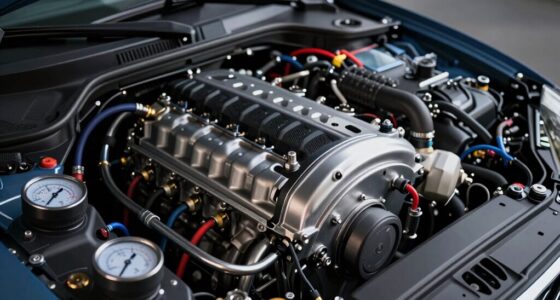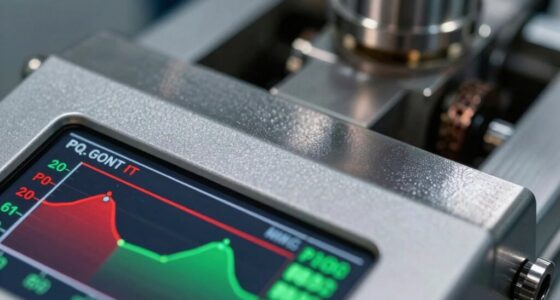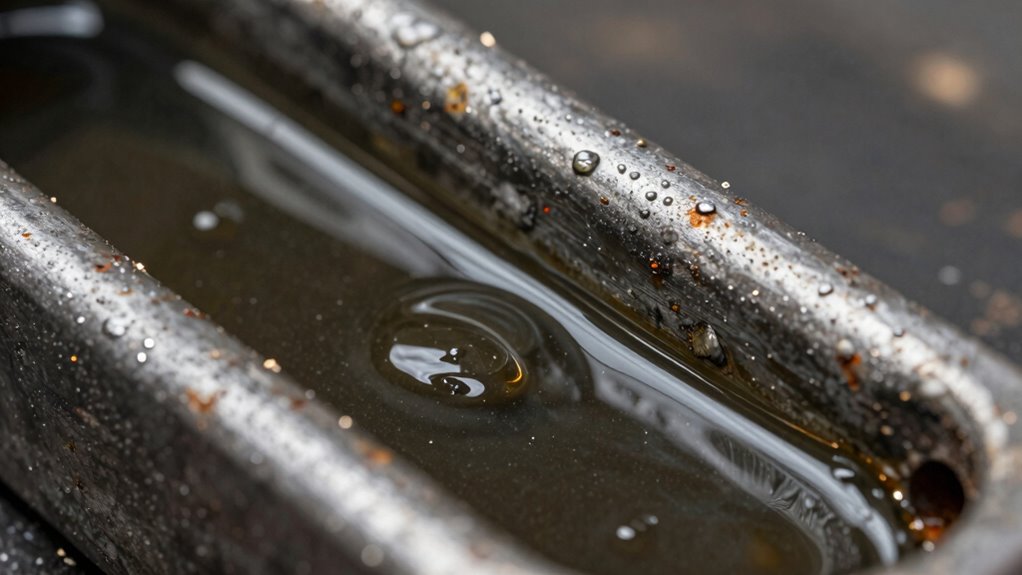

When iron particles appear in your engine oil, it usually indicates normal wear from engine components like pistons, cylinders, and valves shedding tiny metal over time. However, if levels suddenly spike or increase rapidly, it could signal abnormal contact, such as failing bearings or piston rings, which may harm your engine. Consistent, low iron levels typically mean your engine is healthy. To understand how to interpret these signs and guarantee your engine’s longevity, keep exploring this topic.
Listen free for 30 days with Audible
Thousands of audiobooks and originals — cancel anytime.
As an affiliate, we earn on qualifying purchases.
Key Takeaways
- Small, steady iron levels indicate normal engine wear; sudden spikes suggest abnormal contact or component damage.
- Iron from oil is primarily from microscopic shedding during engine operation, which is expected over time.
- Rapid increases in iron levels, especially with symptoms like noise or overheating, point to potential internal component failure.
- Iron can also originate from battery corrosion in older vehicles, though this is less common than engine wear.
- Regular monitoring of iron levels helps differentiate between normal wear and early signs of engine problems.
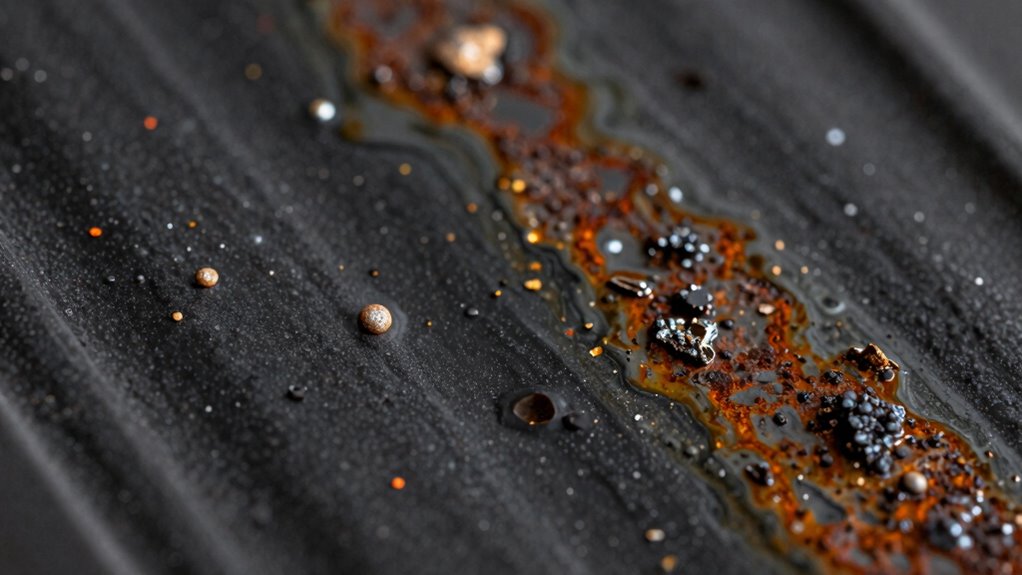
Have you ever wondered how tiny amounts of iron end up in oil? It’s a common question for vehicle owners and mechanics alike. Iron particles in oil can originate from normal engine wear or from abnormal contact, and understanding the difference can help you better interpret oil analysis reports. When you notice small iron traces, it’s essential to know whether they’re harmless or a sign of trouble.
In most cases, iron in oil results from normal wear of engine components. Parts like pistons, cylinders, and valves are constantly moving against each other, causing microscopic metal particles to shed over time. This process is expected and, in small quantities, isn’t immediately concerning. It’s similar to the tiny particles that appear in oil due to the oil additive effects, which include detergents and anti-wear agents designed to keep engine parts clean and minimize metal-to-metal contact. These additives help slow down wear, but some level of iron particles will naturally be present as a result of the ongoing friction. Over time, you might see a gradual increase in iron levels, which indicates normal, manageable wear.
Iron in oil often comes from normal engine wear, with tiny metal particles shedding over time due to ongoing friction.
However, if you observe a sudden spike in iron levels or a significant increase over a short period, it could signal abnormal contact or internal damage. This might mean that components are grinding against each other more aggressively, perhaps due to a failing bearing, piston ring, or other critical part. In these cases, the iron particles aren’t just the result of normal wear; they’re a warning sign that something is wearing out faster than it should. This kind of abnormal wear often correlates with other issues, such as increased engine temperature, unusual noises, or oil consumption. Detecting these early can save you costly repairs down the line.
It’s also worth noting that battery corrosion can sometimes contribute to iron contamination in oil, especially if you’re dealing with older vehicles or faulty electrical systems. Corrosion inside the battery can release tiny iron particles that eventually find their way into the oil system. While this isn’t a typical source of iron in oil, it highlights the importance of maintaining your vehicle’s electrical components and ensuring that corrosion doesn’t become a hidden problem. Additionally, understanding how engine components wear and release metal particles can help you better interpret oil analysis reports.
In the end, monitoring iron levels in your oil is a useful tool for diagnosing engine health. Small, consistent amounts are usually part of normal engine operation, thanks to the oil additive effects and standard wear. But sudden increases or abnormally high readings should prompt further inspection. Recognizing the difference between normal wear and abnormal contact can help you catch issues early and keep your engine running smoothly.
As an affiliate, we earn on qualifying purchases.
Frequently Asked Questions
How Can I Prevent Iron Buildup in My Engine Oil?
To prevent iron buildup in your engine oil, regularly change your oil filter and use high-quality oil. Schedule an engine flush periodically to remove debris and metal particles. Keep up with routine maintenance, including inspections and timely repairs, to reduce abnormal wear. Proper lubrication and avoiding harsh driving conditions also help minimize metal accumulation, ensuring your engine remains clean and runs smoothly longer.
What Are the Long-Term Effects of Iron Contamination?
Iron contamination can accelerate corrosion risk inside your engine, leading to parts weakening and potential failure over time. If left unchecked, it can considerably reduce engine longevity by causing wear and damage to critical components. You might notice increased oil consumption or unusual noises, signaling ongoing issues. Regular maintenance and oil changes help minimize iron buildup, protecting your engine’s health and ensuring it runs smoothly for years to come.
Is Iron in Oil Always a Sign of Engine Damage?
Iron in oil isn’t always a sign of engine damage. It can result from normal engine wear, especially during break-in periods. Regular oil analysis helps you distinguish between harmless wear and abnormal contact indicating potential issues. If iron levels rise unexpectedly, it may signal excessive engine wear or early damage. Keep monitoring your oil, and consult a professional if you notice unusual iron content to prevent further engine problems.
How Often Should I Check for Iron Particles in Oil?
You should check for iron particles in oil during scheduled oil analysis, typically every 3,000 to 5,000 miles or as recommended by your vehicle manufacturer. For example, a fleet manager found increasing iron levels during routine contamination detection, alerting maintenance before serious damage occurred. Regular checks help catch abnormal wear early, ensuring your engine stays healthy. Consistent monitoring is key to preventing costly repairs and maintaining ideal engine performance.
Can Regular Oil Changes Eliminate Iron Particles Completely?
Regular oil changes won’t eliminate all metal particles from your engine oil, but they do reduce their levels. To truly understand if iron particles are normal wear or abnormal, you should perform regular oil analysis. This test tracks metal particles over time, helping you identify if levels are increasing due to abnormal contact or just normal engine wear. Staying proactive with oil analysis guarantees your engine stays healthy.
As an affiliate, we earn on qualifying purchases.
Conclusion
So, spotting iron in your oil isn’t just a tiny hiccup—it’s like finding a needle in a haystack of potential problems. While some wear is normal, too much can turn your engine into a ticking time bomb waiting to explode. Keep a close eye on those oil reports, and don’t ignore the signs. Remember, catching issues early can save you from a costly disaster, so stay vigilant—your engine’s health depends on it!
As an affiliate, we earn on qualifying purchases.
As an affiliate, we earn on qualifying purchases.
Flea & tick season Picks
flea and tick prevention
As an affiliate, we earn on qualifying purchases.