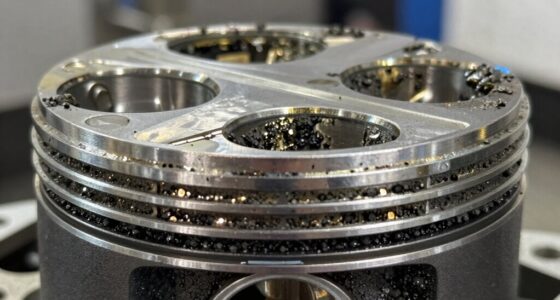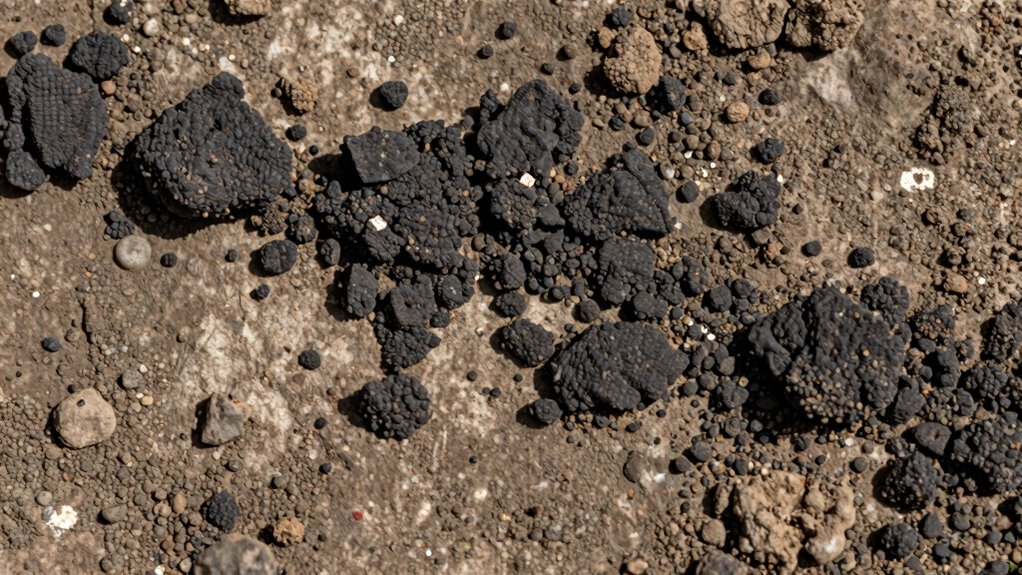

Insolubles in your machinery’s oil act as clear markers of dirt, deposits, and potential sludge buildup. Their presence signals contamination from wear, debris, or chemical breakdown, which can clog filters and reduce system efficiency. Monitoring insoluble levels helps you catch issues early, preventing costly damage and prolonging equipment life. Managing these deposits through filtration and regular analysis is key. Keep exploring to discover how ongoing vigilance can protect your system’s health and performance.
Open a free Amazon Business account
Business pricing, bulk buying and tax-exempt orders.
As an affiliate, we earn on qualifying purchases.
Key Takeaways
- Elevated insoluble levels indicate contamination and increased sludge formation risk in machinery oils.
- Insolubles originate from dirt ingress, degraded materials, or chemical reactions within the system.
- Monitoring insoluble content helps predict potential sludge buildup and system deterioration.
- Regular filtration and oil analysis reduce insoluble accumulation, preventing long-term deposits.
- Managing insoluble levels extends equipment lifespan and maintains optimal system performance.
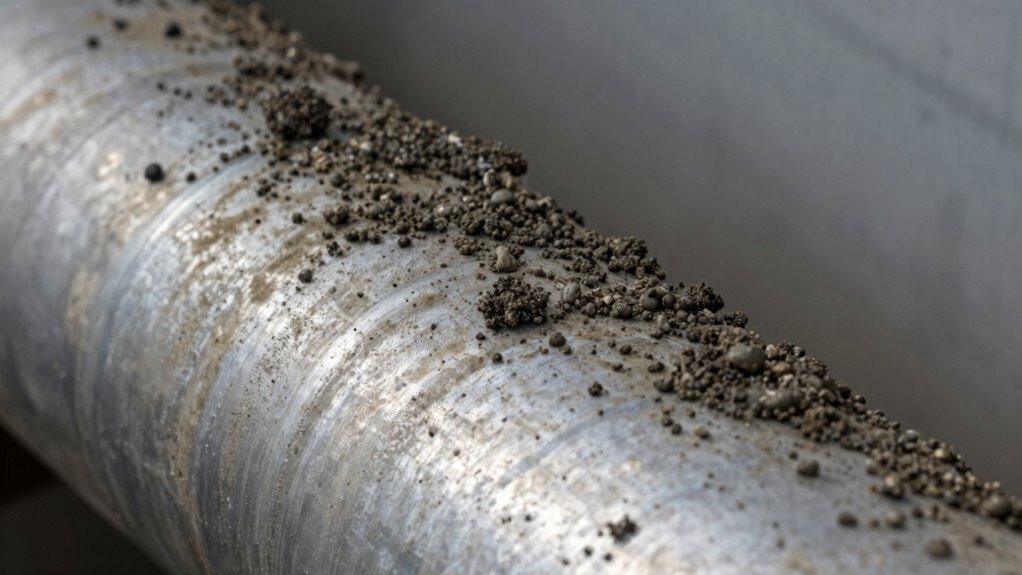
Insolubles, often seen as dirt or deposits, serve as clear indicators of contamination or wear within machinery and systems. When you notice insolubles in your oil, it’s a sign that something isn’t functioning properly. These deposits can originate from various sources, including dirt ingress, degraded materials, or chemical reactions, and they directly impact the performance and longevity of your equipment. You might not see the damage right away, but the presence of insolubles signals that your oil is contaminated and that your system’s cleanliness is compromised. This contamination affects filter efficiency, making it harder for filters to do their job effectively. As insolubles accumulate, they clog filters faster, reducing their ability to trap harmful particles and allowing more dirt to circulate freely within the system. This creates a vicious cycle: more contamination leads to more insolubles, which then hampers filter performance, leading to even more contamination and deposit buildup. Monitoring insoluble levels provides valuable insight into overall system contamination levels and helps prevent costly repairs. You need to keep a close eye on insoluble levels because they’re a straightforward way to gauge the health of your machinery. When insoluble deposits start to increase, it’s usually a sign that oil contamination is on the rise. This can occur when contaminants bypass or overwhelm your filtration system or when the oil itself begins to break down, releasing insoluble particles. As these deposits accumulate, they not only hinder filter efficiency but also accelerate wear and tear on components. Over time, these insolubles can form sludge or varnish, further impairing system function and risking costly repairs. Regular oil analysis helps you detect rising insoluble levels early, giving you a chance to intervene before serious damage occurs. Maintaining proper filtration and monitoring insoluble content is key to extending equipment life. When you stay vigilant about filter efficiency and oil contamination levels, you can catch issues before insolubles cause significant damage. Choose high-quality filters designed to trap fine particles and ensure they’re replaced or cleaned regularly. Additionally, using clean, high-quality oil reduces the likelihood of contamination, lowering insoluble deposits in the first place. By paying attention to insoluble levels, you’re effectively reading your system’s health report—each deposit telling you that it’s time for maintenance or an oil change. Acting promptly keeps your machinery running smoothly, prevents sludge buildup, and preserves your system’s integrity, saving you time and money in the long run.
As an affiliate, we earn on qualifying purchases.
Frequently Asked Questions
How Do Insolubles Form in Oil Systems?
You form insolubles in oil systems when oil contamination introduces dirt, debris, or oxidation products that don’t dissolve. These insoluble particles can clog filters and reduce filter efficiency, leading to potential system damage. As these particles accumulate, they create deposits that increase sludge risk. Regular monitoring and filtration help remove insolubles, maintaining oil cleanliness and ensuring peak filter performance to protect your equipment.
Can Insoluble Levels Be Corrected Once High?
Think of high insoluble levels as a storm cloud gathering over your oil system. You can’t just wait for it to pass; you need to actively clear it. By implementing contamination control and boosting additive effectiveness, you can reduce insoluble levels. Regular filtration and oil analysis help break down deposits, restoring clarity. While it’s challenging to completely reverse high insolubles, proactive measures can prevent further buildup and protect your equipment’s health.
What Industries Most Commonly Monitor Insolubles?
You’ll find that industries like manufacturing, aviation, and power generation most commonly monitor insolubles. They focus on lubricant contamination levels, as high insoluble deposits can hinder filtration efficiency and cause equipment wear. By regularly checking insoluble levels, you can prevent sludge buildup, maintain peak filtration, and extend machinery lifespan. Monitoring helps identify contamination issues early, ensuring your systems operate smoothly and reducing costly downtime or repairs.
Are Insolubles Linked to Equipment Failure?
You might wonder if insolubles cause equipment failure, and the answer is yes—they’re often linked to contamination sources that lead to breakdowns. When insolubles accumulate, they can clog filters or cause wear, increasing maintenance needs. Regular monitoring and cleaning are crucial maintenance strategies to prevent insoluble buildup. By controlling these deposits, you reduce the risk of equipment failure, ensuring smooth operation and extending your machinery’s lifespan.
How Often Should Insoluble Levels Be Tested?
You should test insoluble levels regularly, typically every 3,000 to 5,000 miles or during scheduled maintenance, depending on your equipment’s usage and manufacturer recommendations. Use proper sampling methods to guarantee accurate results. Frequent testing helps you monitor dirt buildup early, preventing sludge formation. Adjust your sampling frequency based on operating conditions, oil type, and previous test results to maintain ideal equipment performance and avoid costly failures.
As an affiliate, we earn on qualifying purchases.
Conclusion
By paying attention to insolubles, you gently steer clear of potential sludge buildup, keeping your system running smoothly. Think of insolubles as a subtle whisper, hinting when things might be getting a bit crowded. When you monitor these deposits, you’re quietly ensuring everything stays in harmony, avoiding the need for more dramatic measures later. Embrace this simple insight, and you’ll enjoy a cleaner, more efficient operation—like a well-tuned symphony that plays effortlessly for years to come.
As an affiliate, we earn on qualifying purchases.
As an affiliate, we earn on qualifying purchases.
Fall Picks
fall essentials
As an affiliate, we earn on qualifying purchases.