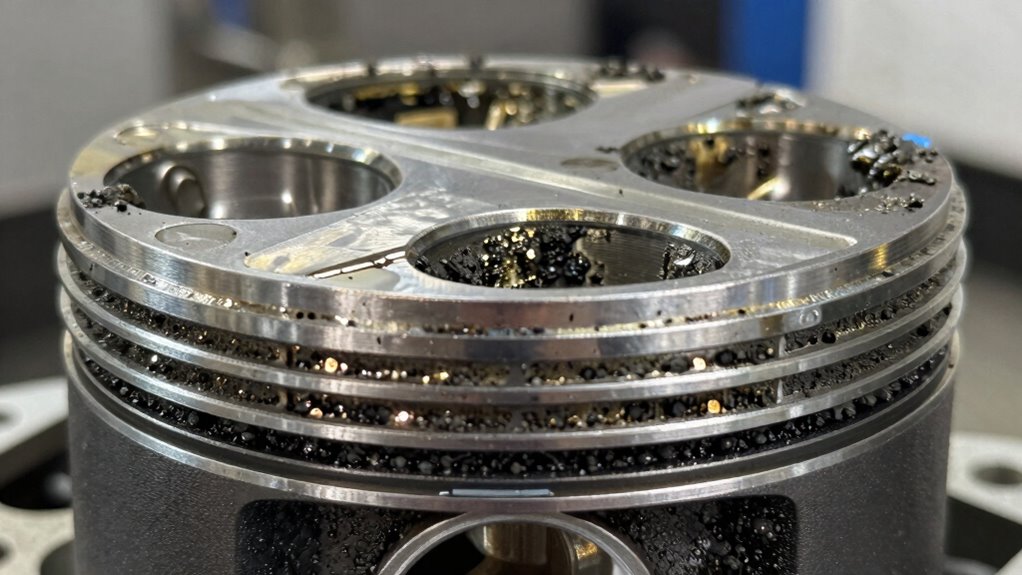

In diesel oil analysis, a soot percentage below 2% is generally normal and indicates efficient combustion. When soot levels approach 4% or higher, it’s a red flag signaling incomplete combustion, engine wear, or fuel issues. Consistently high soot suggests underlying problems that need attention, like timing adjustments or fuel quality. To keep your engine running smoothly, it’s important to monitor trends closely—continue exploring to learn how to identify and address these concerns effectively.
Open a free Amazon Business account
Business pricing, bulk buying and tax-exempt orders.
As an affiliate, we earn on qualifying purchases.
Key Takeaways
- Soot levels below 2% are generally normal in diesel engine oil analysis.
- Soot percentages approaching or exceeding 4% are red flags indicating inefficient combustion.
- Elevated soot despite maintenance may signal ignition timing issues or poor fuel quality.
- Monitoring soot trends over time helps detect early engine problems before severe damage occurs.
- Regular oil analysis provides critical insights to adjust maintenance and prevent soot-related engine wear.
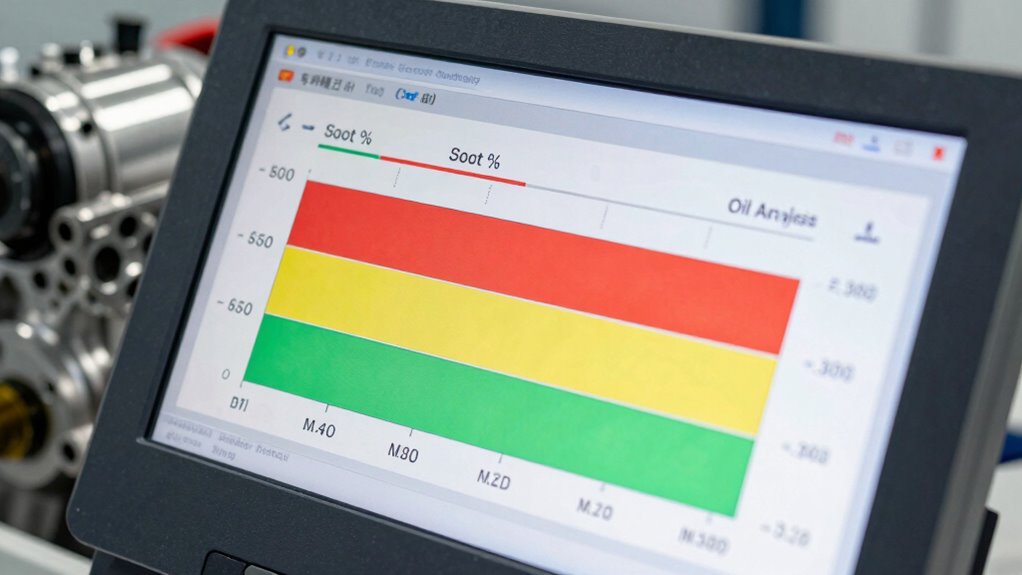
Monitoring soot percentage in diesel engine oil analysis is essential for understanding engine health and performance. Soot buildup indicates incomplete combustion, which can lead to accelerated wear and potential engine failure if not addressed promptly. As you review your oil analysis reports, you’ll notice soot percentages fluctuate based on various factors, including ignition timing and fuel quality. Proper ignition timing ensures efficient combustion; if it’s off, more unburned fuel remains, increasing soot production. When timing is retarded or advanced beyond ideal levels, combustion becomes less complete, leading to higher soot levels in the oil. Similarly, fuel quality plays a key role—using contaminated or substandard fuel introduces impurities that burn poorly, raising soot content. High-quality fuel with proper cetane ratings burns cleaner, reducing soot formation, while poor-quality fuel results in more deposits and increased soot accumulation.
Understanding what’s normal is essential. In most diesel engines, a soot percentage below 2% in oil is considered acceptable, signaling healthy combustion processes. However, if soot levels start climbing toward 4% or higher, it’s a red flag. Elevated soot levels suggest inefficient combustion, often caused by incorrect ignition timing or compromised fuel quality. You might notice that despite regular maintenance, soot remains stubbornly high, which indicates underlying issues with how your engine is running. When soot percentages rise, it’s not just about the oil; it’s a sign that your engine’s combustion process needs attention. Adjusting ignition timing can greatly reduce soot, ensuring more complete burning of fuel. Furthermore, switching to better fuel can make a noticeable difference in soot levels, helping your engine run cleaner and more efficiently.
Regularly checking for combustion efficiency provides early clues about potential problems before they escalate. If you see a sudden spike in soot percentage during routine analysis, it’s a clear warning to investigate further. It could mean that your ignition timing has shifted, perhaps due to mechanical wear or improper calibration. Alternatively, fuel quality might have declined, with contaminated or low-grade fuel causing incomplete combustion. Addressing these issues promptly can prevent more serious damage, such as piston deposits or clogged injectors. Regular monitoring of soot percentage allows you to catch problems early, saving you money and extending your engine’s lifespan. Keep in mind, maintaining ideal ignition timing and ensuring high fuel quality are fundamental steps to keep soot levels down and your engine running smoothly. By staying vigilant and proactive with oil analysis, you safeguard your engine’s performance and avoid costly repairs down the line.
As an affiliate, we earn on qualifying purchases.
Frequently Asked Questions
How Does Soot Percentage Affect Engine Performance Over Time?
Higher soot percentages can negatively impact your engine’s performance over time by clogging filters and reducing airflow, which hurts engine longevity and fuel efficiency. As soot builds up, you might notice decreased power, increased emissions, and potential maintenance issues. Keeping soot levels low helps guarantee your engine runs smoothly, lasts longer, and maintains ideal fuel efficiency. Regular oil analysis alerts you to rising soot levels before they cause serious problems.
Can Low Soot Levels Indicate Underlying Engine Issues?
You might worry that low soot levels mean your engine’s fine, but they can hide issues like poor fuel quality or incomplete combustion. Ignoring these signs risks falling short of emission standards and causing long-term damage. Stay vigilant—consistent low soot could signal underlying engine problems, so regularly check your engine health to prevent costly repairs and guarantee ideal performance. Addressing these issues early keeps your engine running smoothly.
What Are the Best Practices to Reduce Soot Accumulation?
To reduce soot accumulation, you should regularly maintain your engine and use high-quality fuel that meets emission standards. Keep your injectors clean, change filters on time, and make certain proper combustion. These steps improve fuel efficiency and lower soot production, helping your engine stay within healthy limits. Staying proactive with maintenance not only extends engine life but also minimizes emissions, keeping you compliant with current standards.
How Often Should Soot Levels Be Checked in Diesel Engines?
You should check soot levels in your diesel engine during regular oil analysis, ideally every 6,000 to 12,000 miles or as recommended by your manufacturer. Monitoring soot helps maintain fuel efficiency and guarantees your engine meets emission standards. Regular checks allow you to catch buildup early, preventing potential damage. Staying proactive with soot monitoring keeps your engine running smoothly and reduces emissions, helping you stay compliant with environmental regulations.
Are Certain Diesel Additives Effective in Controlling Soot Percentage?
Think of diesel additives as your engine’s secret weapons against soot buildup. Some additives are quite effective, especially ones that improve fuel quality by reducing carbon deposits. Look for products with proven formulas designed for soot control, as their additive effectiveness can make a real difference in maintaining engine cleanliness. Choosing the right additive helps keep your engine running smoothly and minimizes the risk of excessive soot, saving you time and money.
As an affiliate, we earn on qualifying purchases.
Conclusion
Think of your diesel engine like a diligent artist, with soot as the smudges on their masterpiece. A little dust here and there is normal, but too much blurs the picture, signaling something’s off. Keep an eye on soot levels in your UOA like an art critic watching for over-inked strokes. When the soot’s high, it’s a red flag, telling you to clean up the act before the canvas gets ruined. Stay vigilant to keep your engine’s masterpiece pristine.
As an affiliate, we earn on qualifying purchases.
As an affiliate, we earn on qualifying purchases.
Flea & tick season Picks
flea and tick prevention
As an affiliate, we earn on qualifying purchases.