
Many believe action limits are rigid cutoffs, but they’re really just guides that need flexibility. To set smarter thresholds, focus on calibrating sensors accurately and understanding your engine’s context. Rigid limits can cause unnecessary alarms or missed issues, so adapt thresholds as conditions change. By emphasizing data quality and calibration, you can prevent false alerts and make better decisions. Keep exploring to discover how to establish more effective, data-driven thresholds for your engine’s health.

Get garage and car supplies delivered free — and shop member deals
- Fast, free delivery on millions of items
- Access to Prime Big Deal Days deals on October 6–7
- Prime Video, Amazon Music and more included
Key Takeaways
- View action limits as flexible guidance rather than strict thresholds to prevent unnecessary alarms.
- Prioritize proper sensor calibration to ensure data accuracy and meaningful threshold setting.
- Interpret sensor data within context, considering calibration drift and engine conditions before reacting.
- Regularly review and update thresholds as engine age and operating conditions evolve.
- Focus on data quality and calibration over static limits for smarter, proactive engine management.
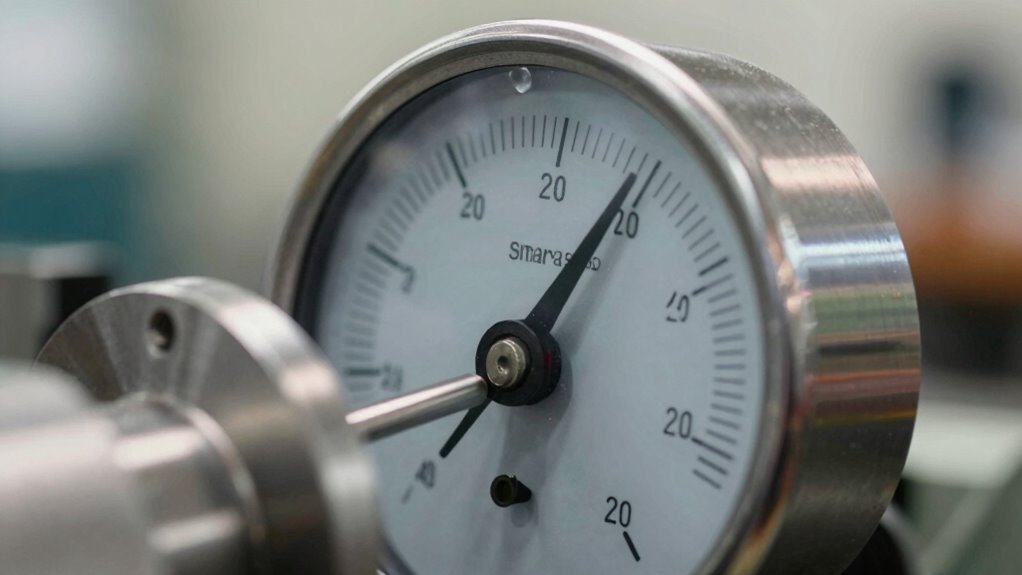
Many believe that action limits are strict thresholds you must immediately act upon, but this idea is more myth than fact. In reality, setting these limits isn’t about enforcing rigid cutoffs but rather establishing useful guidance based on accurate data. When working with engine monitoring systems, sensor calibration plays a vital role in guaranteeing data accuracy. If your sensors aren’t properly calibrated, the thresholds you rely on might be misleading, causing unnecessary alarms or overlooked issues. Proper sensor calibration ensures the data you collect truly reflects your engine’s condition, making your action limits more reliable and meaningful.
Understanding that action limits are flexible guides rather than absolute mandates shifts your perspective. Instead of reacting impulsively to every small fluctuation, you learn to interpret sensor data within context. For example, a slight reading above a predefined threshold might not indicate an immediate problem if your sensors are properly calibrated and the data accuracy is high. Conversely, if your sensors drift out of calibration, false alarms can occur, prompting unnecessary maintenance or downtime. This highlights why maintaining sensor calibration isn’t a one-time task but an ongoing process to preserve data accuracy. Additionally, sensor calibration is crucial for maintaining the integrity of your monitoring system over time.
Sensor calibration is an ongoing process essential for accurate, reliable engine data interpretation.
Accurate data allows you to set smarter, more nuanced thresholds. Instead of generic action limits that don’t account for engine-specific behaviors or environmental factors, calibrated sensors provide precise readings tailored to your system. This helps you avoid the trap of overreacting to false positives or missing critical issues. When your data accuracy is high, you can confidently interpret readings and set thresholds that reflect your engine’s true operational limits. This doesn’t mean you ignore warning signs; rather, you develop a deeper understanding of normal versus abnormal conditions, enabling smarter decision-making.
Furthermore, it’s essential to recognize that action limits should evolve over time. As your engine ages or operating conditions change, so should your thresholds. Regular sensor calibration and data review ensure your action limits remain relevant and effective. It’s about creating a proactive maintenance strategy that relies on high-quality data rather than static, arbitrary thresholds. This approach minimizes unnecessary interventions, saving costs and reducing downtime, while still maintaining engine health.
In essence, the myth of strict action limits oversimplifies a complex process. By focusing on sensor calibration and data accuracy, you can set smarter thresholds that truly reflect your engine’s needs. This way, you avoid knee-jerk reactions and develop a more informed, efficient approach to engine management. It’s about understanding that thresholds are tools for guidance, not inflexible rules carved in stone.
As an affiliate, we earn on qualifying purchases.
Frequently Asked Questions
How Do Action Limits Vary Across Different Engine Types?
You’ll find that action limits vary across engine types because of differences in design, performance, and operating conditions. To guarantee ideal monitoring, you should customize thresholds based on engine type variations, considering factors like load, temperature, and age. This threshold customization helps you avoid false alarms or missed issues, making your engine maintenance more precise and effective. Always tailor your action limits to match each engine’s specific characteristics.
What Are the Risks of Setting Overly Conservative Thresholds?
Setting overly conservative thresholds increases the risk of false alarms, leading you to perform unnecessary maintenance and potentially overlook genuine issues. Poor threshold calibration can cause you to miss early signs of engine trouble or waste resources on unwarranted interventions. By carefully balancing thresholds through accurate risk assessment, you guarantee early detection without overreacting, optimizing engine performance and maintenance schedules.
How Often Should Action Limits Be Re-Evaluated?
Like tuning a fine instrument, you should re-evaluate your action limits regularly, ideally based on data analytics insights. Aim for at least once a year, or whenever preventive maintenance reveals significant changes in engine behavior. Frequent reviews ensure thresholds stay relevant, reducing false alarms and preventing failures. Keep your data current to adapt proactively, just as a seasoned conductor adjusts tempo to keep the orchestra in harmony.
Can Real-Time Data Improve Threshold Accuracy?
Yes, real-time data can improve threshold accuracy considerably. By continuously updating sensor calibration and applying data normalization, you guarantee your thresholds reflect current engine conditions. This allows you to detect anomalies early and reduce false alarms. Real-time insights help you adjust action limits dynamically, making your monitoring more precise and reliable. You stay proactive, minimizing risks and maintaining ideal engine performance with smarter, data-driven thresholds.
What Tools Are Best for Monitoring Engine Thresholds?
Imagine your engine’s health hanging in the balance, waiting for you to detect trouble. The best tools are those with precise sensor calibration and intuitive data visualization. They let you spot anomalies instantly, transforming raw data into clear insights. With real-time alerts and customizable dashboards, you can stay ahead of potential issues, ensuring peak performance. Choose tools that empower you to monitor thresholds confidently and act swiftly when needed.
engine monitoring system sensors
As an affiliate, we earn on qualifying purchases.
As an affiliate, we earn on qualifying purchases.
Conclusion
Don’t let the myth of fixed action limits trap you in a box. Instead, imagine your engine’s health as a delicate dance, where smarter thresholds act as your guiding stars. When you set thresholds with insight and flexibility, you’re not just preventing failures—you’re choreographing a symphony of smooth, reliable performance. Embrace the art of smarter limits, and watch your engine thrive like a well-tuned masterpiece, ready to face whatever the road throws at you.
As an affiliate, we earn on qualifying purchases.
As an affiliate, we earn on qualifying purchases.
Fall Picks
fall essentials
As an affiliate, we earn on qualifying purchases.