Copper and lead particles in your lubricant can signal bearing wear, but their significance depends on the context. If levels are low or stable, it might be normal, especially during start-up or shutdown phases. However, increased or excessive debris could indicate serious wear or damage. Proper lubrication helps manage debris, so maintaining quality and monitoring levels is key. If you want to understand how to interpret these signals accurately, there’s more to uncover.

Get business pricing on garage and car supplies
- Business-only prices and quantity discounts
- Tax-exempt purchasing
- Multiple users, one account, clear invoices
Key Takeaways
- Copper and lead particles in lubrication indicate bearing wear, but their significance depends on operational context.
- Excessive debris suggests abnormal wear, requiring analysis to differentiate from normal, maintenance-related signals.
- Proper lubrication minimizes debris; contaminated or incompatible lubricants increase wear particle production.
- Regular monitoring of metal debris helps detect early signs of bearing deterioration and prevent failures.
- Understanding the source and amount of copper and lead debris guides maintenance decisions and lubricant management.
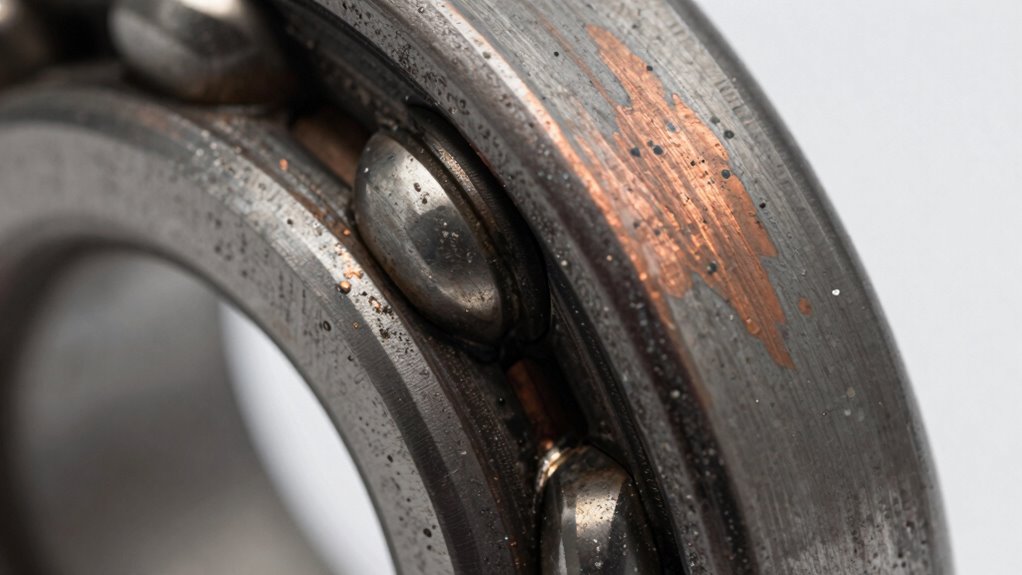
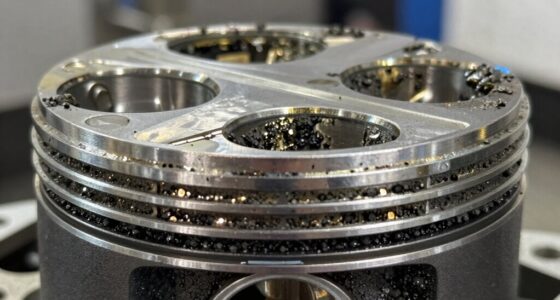
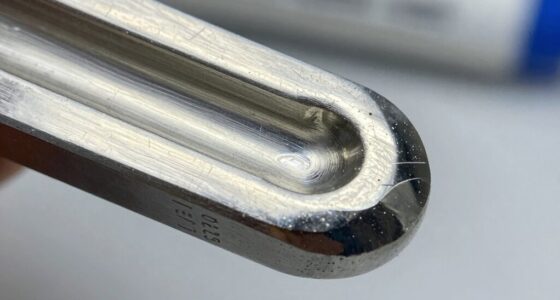
Understanding bearing wear signals is essential for maintaining machinery health and preventing unexpected failures. When you notice unusual metal particles like copper and lead in your lubrication, it’s a sign that your bearings might be experiencing wear. However, interpreting these signals requires context. Copper particles often originate from the bearing material itself or from components that contain copper alloys, while lead particles can come from bearing linings or other internal parts. Recognizing these signs early can help you determine whether the wear is normal or indicates a more serious issue.
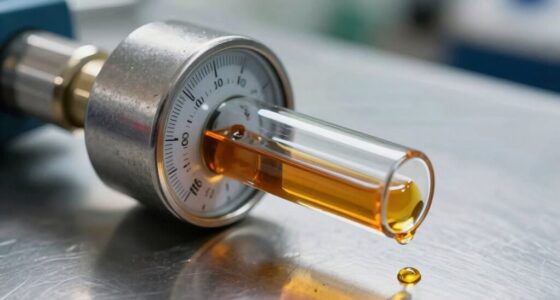
One key factor to consider is lubrication effects. Proper lubrication reduces metal-to-metal contact, minimizes wear, and extends bearing life. If lubrication is insufficient, contaminated, or incompatible with the bearing materials, it can accelerate wear and lead to the release of copper and lead particles into the lubricant. For instance, using a lubricant that isn’t compatible with the bearing’s material can cause chemical reactions, softening the bearing surfaces and increasing wear debris. Regularly checking lubricant quality and ensuring it meets the manufacturer’s specifications can prevent such issues. Adequate lubrication also helps carry away wear particles, reducing the chance of their accumulation and potential damage. Additionally, lubricant contamination can introduce abrasive particles that exacerbate bearing wear and debris production.
metal debris lubricant analysis kit
As an affiliate, we earn on qualifying purchases.
As an affiliate, we earn on qualifying purchases.
Frequently Asked Questions
How Do Environmental Factors Influence Copper and Lead Wear Signals?
Environmental factors markedly influence copper and lead wear signals through corrosion effects and contamination impact. You should monitor how moisture, temperature, and chemicals accelerate corrosion, leading to increased wear signals. Contaminants like dirt, water, or acids can accelerate degradation, making wear signals more pronounced or misleading. By controlling environmental conditions and regularly inspecting bearings, you can better interpret wear signals, preventing unexpected failures caused by environmental influences.
Can Bearing Wear Signals Indicate Impending Catastrophic Failure?
Think of bearing wear signals as warning lights on a dashboard. They can indicate impending catastrophic failure if you interpret them correctly. Material degradation shows up in copper and lead levels, serving as vital signals. If ignored, these signs may lead to sudden breakdowns. Regular signal interpretation helps catch issues early, much like catching engine trouble before it becomes a costly repair, ensuring safety and preventing unexpected downtime.
What Maintenance Practices Best Interpret Copper and Lead Signals?
You should regularly monitor copper and lead signals by checking lubrication effectiveness and correlating vibrations. Confirm lubrication remains ideal to prevent false wear indications. Use vibration analysis to identify patterns linked to copper and lead levels, helping you interpret wear signals accurately. Consistent maintenance practices, like timely lubrication and vibration monitoring, enable you to catch early signs of bearing wear, reducing the risk of failure and extending equipment lifespan.
Are There Differences in Wear Signals Between Different Bearing Types?
Yes, wear signals differ between bearing types due to material composition and wear pattern analysis. For example, copper-based bearings often show distinct copper wear particles, while lead-based bearings produce different lead debris. By analyzing these wear patterns, you can identify specific issues related to each bearing type. Understanding these differences helps you tailor maintenance practices, ensuring accurate interpretation of wear signals and preventing potential failures.
How Does Machine Load Impact Copper and Lead Wear Readings?
You’ll see that machine load impacts copper and lead wear readings considerably. When load variations increase, operational stress on the bearings rises, accelerating wear and raising copper and lead signals. Conversely, when loads are lighter, wear rates slow down, and readings decrease. Monitoring these fluctuations helps you identify excessive stress early, enabling timely maintenance to prevent bearing failure and extend equipment life.
bearing wear particle analysis tools
As an affiliate, we earn on qualifying purchases.
As an affiliate, we earn on qualifying purchases.
Conclusion
Understanding bearing wear signals like copper and lead levels is essential for proactive maintenance. Did you know that early detection can reduce machinery downtime by up to 50%? By paying attention to these signals and putting them into proper context, you can catch issues before they escalate, saving both time and money. Don’t ignore these warning signs — staying vigilant ensures your equipment stays reliable and efficient longer.
industrial lubricant testing equipment
As an affiliate, we earn on qualifying purchases.
As an affiliate, we earn on qualifying purchases.
metal particle counter for machinery
As an affiliate, we earn on qualifying purchases.
As an affiliate, we earn on qualifying purchases.
Halloween Picks
halloween
As an affiliate, we earn on qualifying purchases.