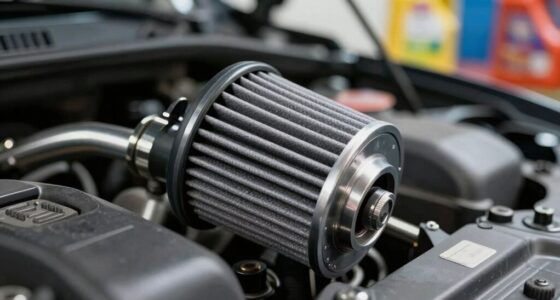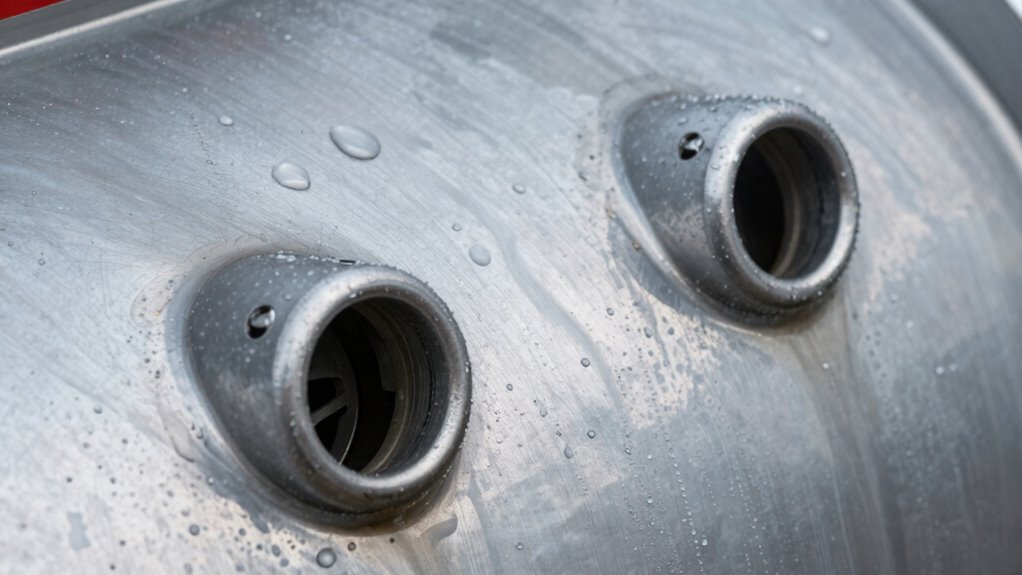

Water ingress can happen through breather vents, washdowns, and temperature cycling if seals aren’t maintained or designed properly. Breather vents can let moisture in during pressure changes, while washdowns may introduce water into vulnerable areas if seals or drainage aren’t effective. Temperature swings cause expansion and contraction, creating gaps that let water seep inside. Understanding these pathways helps you protect your equipment—keep exploring to learn how to manage these risks effectively.

Get business pricing on garage and car supplies
- Business-only prices and quantity discounts
- Tax-exempt purchasing
- Multiple users, one account, clear invoices
Key Takeaways
- Proper ventilation design balances airflow and water protection, preventing water entry through breather pathways.
- Seal integrity must be maintained to prevent moisture intrusion during washdowns and temperature-induced seal gaps.
- Washdowns require drainage and water-resistant coatings to minimize water ingress into vulnerable areas.
- Temperature cycling causes expansion and contraction, creating or closing gaps that can serve as ingress pathways.
- Regular inspection and monitoring help identify and address breaches in seals, ventilation, or drainage systems promptly.
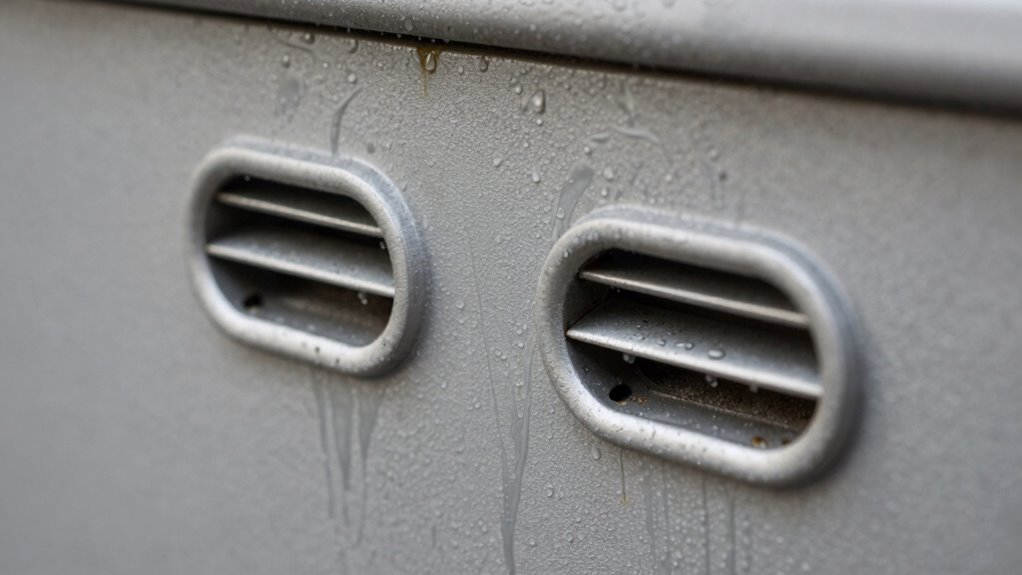
Have you ever wondered how water manages to find its way into structures where it shouldn’t be? It’s a common problem, especially in environments where multiple factors come into play, like breather vents, washdowns, or temperature cycling. Understanding how these pathways operate helps you identify vulnerabilities and develop effective strategies to keep water out. One of the key elements in preventing ingress is maintaining proper Seal Integrity. When seals deteriorate or are improperly installed, they create gaps through which water can penetrate. These gaps can be tiny, but over time, they allow moisture to seep into electrical enclosures, mechanical rooms, or other sensitive areas. Ensuring seals are robust, regularly inspected, and replaced when needed is essential to keeping water at bay. Alongside Seal Integrity, Ventilation Design plays a *crucial* role in controlling water ingress pathways. Proper ventilation helps manage humidity and pressure differences inside enclosures, reducing the likelihood of water being drawn in through small openings. Ventilation systems must be carefully designed to prevent the creation of pressure imbalances—especially during temperature fluctuations—that can force moisture inward. For example, when the temperature drops, internal air contracts, potentially creating a vacuum that pulls water through any weak points. Conversely, during temperature rises, increased internal pressure can push moisture into tiny cracks or openings if ventilation isn’t correctly balanced. This is why good ventilation design incorporates features like breathable, waterproof membranes or vents with labyrinth seals, which allow airflow but block water entry. Washdowns, often necessary for cleaning or sanitation, can also introduce water ingress if not managed properly. When water from washdowns hits unprotected or poorly sealed areas, it can seep into components, causing corrosion or damage. Proper planning includes creating drainage paths and using water-resistant coatings to divert or repel water away from vulnerable spots. It’s also *vital* to coordinate washdown procedures with the design of ventilation and sealing systems to prevent accidental infiltration. Temperature cycling presents another challenge—when structures experience daily or seasonal temperature changes, materials expand and contract. These movements can open or close gaps in seals or joints, creating new ingress pathways over time. To combat this, you need to select materials with good thermal expansion properties and ensure your ventilation design accommodates these movements without compromising Seal Integrity. Additionally, implementing monitoring systems can provide early detection of potential water ingress issues before they become severe. Regular inspections are *significant*, especially after *notable* temperature shifts or washdowns, to catch small breaches early before they turn into major water ingress problems. By focusing on maintaining Seal Integrity, designing effective ventilation systems, and planning for environmental factors like washdowns and temperature changes, you can *considerably* reduce the risk of water finding its way into your structures where it shouldn’t be.
As an affiliate, we earn on qualifying purchases.
Frequently Asked Questions
How Can Breathers Be Effectively Sealed Against Water Ingress?
To effectively seal breathers against water ingress, you should focus on maintaining seal integrity with high-quality, waterproof gaskets or seals. Regularly inspect and replace worn seals to prevent leaks. Use ventilation control features that allow airflow but block water entry. Ensuring proper installation and sealing techniques will help keep moisture out, preserving equipment performance and avoiding water damage caused by compromised breathers.
What Maintenance Procedures Prevent Washdown-Related Water Entry?
To prevent washdown-related water entry, you should regularly apply high-quality sealant around vulnerable areas and guarantee proper drainage improvement. Inspect seals frequently for signs of wear or damage, reapplying sealant as needed. Additionally, keep drainage pathways clear of debris to facilitate efficient water runoff. This proactive maintenance minimizes water ingress during washdowns, protecting equipment and extending its lifespan.
How Does Temperature Cycling Influence Internal Condensation?
Did you know that temperature cycling causes up to 60% more internal condensation? When temperatures fluctuate, moisture migration occurs inside equipment, leading to condensation buildup. This moisture can damage components and reduce lifespan. To prevent this, you should control temperature changes, insulate equipment, and maintain stable environmental conditions. Managing temperature cycles effectively minimizes internal condensation, protecting your equipment from moisture-related issues and ensuring reliable operation.
Are There Specific Materials Better Suited for Temperature Fluctuation Environments?
You should choose materials with good compatibility and controlled thermal expansion for environments with temperature fluctuations. Metals like stainless steel and aluminum handle thermal expansion better, reducing stress and cracks. Plastics such as PVC or nylon also work well if they’re compatible with your application. These materials resist internal condensation caused by temperature cycling, ensuring durability. Always consider how material compatibility and thermal expansion interact to prevent issues during temperature changes.
What Are Early Signs of Water Ingress in Equipment?
You’ll notice early signs of water ingress through corrosion detection, like rust or discoloration, around seals or joints. Leak identification becomes easier if you spot damp spots, condensation, or water stains on equipment surfaces. Unusual humidity or mold growth also hints at moisture intrusion. Regular inspections help catch these signs early, preventing further damage. Addressing leaks promptly ensures your equipment stays protected and maintains ideal performance.
water-resistant electrical enclosures
As an affiliate, we earn on qualifying purchases.
As an affiliate, we earn on qualifying purchases.
Conclusion
Understanding water ingress pathways like breathers, washdowns, and temperature cycling helps you anticipate vulnerabilities in your system. Sometimes, it’s the smallest detail—a breather’s slight imperfection or a sudden temperature shift—that unexpectedly leads to moisture intrusion. Recognizing these coincidences allows you to proactively address potential issues. By staying vigilant, you’ll better safeguard your equipment, turning what seems like minor factors into vital insights that prevent costly damage and guarantee long-lasting performance.
As an affiliate, we earn on qualifying purchases.
ventilation systems for moisture control
As an affiliate, we earn on qualifying purchases.
As an affiliate, we earn on qualifying purchases.
Evergreen bestsellers Picks
bestsellers
As an affiliate, we earn on qualifying purchases.