
A color change in a desiccant breather directly signals that its moisture absorption capacity is full, meaning it can no longer protect your equipment from moisture ingress. When the desiccant shifts from its original color to pink or brown, it’s time to replace it to prevent corrosion, contamination, or damage. This visual cue simplifies maintenance and helps you stay proactive. If you want to learn more about what other indicators mean and how to maintain your system, keep going.

Get business pricing on garage and car supplies
- Business-only prices and quantity discounts
- Tax-exempt purchasing
- Multiple users, one account, clear invoices
Key Takeaways
- The color change indicates the desiccant has reached its moisture saturation point and is no longer effective.
- A shift from clear or blue to pink or brown signals that replacement is necessary.
- Visual cues help quickly assess moisture absorption status without specialized tools.
- Replacing saturated desiccant prevents moisture ingress, protecting equipment from corrosion and contamination.
- Regularly monitoring color changes ensures maintenance is timely, reducing risk of equipment failure.

A desiccant breather’s color change is a clear indicator that it has absorbed moisture and needs replacing. When you notice this shift, it’s a signal that the breather has reached its moisture absorption capacity, and if ignored, it could compromise the equipment’s protection. Regular maintenance schedules are vital to guarantee that these breathers are checked and replaced as needed. Many facilities implement routine inspections, but relying solely on scheduled checks can sometimes be insufficient. That’s where visual indicators, like color-changing desiccant, become invaluable tools. They provide an immediate, straightforward way to assess the condition of the breather without waiting for scheduled maintenance.
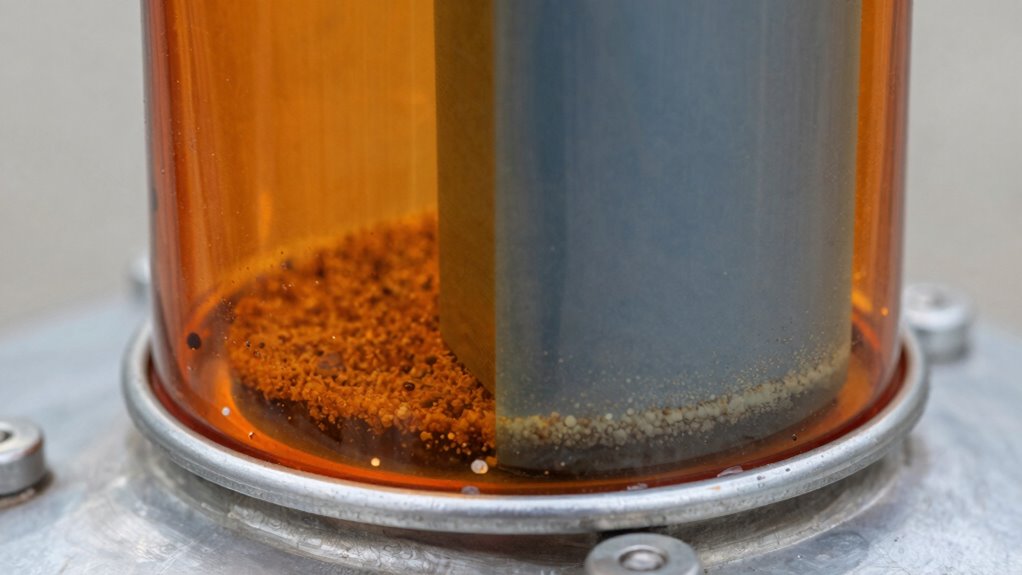
Understanding what the color change signifies helps you make informed decisions about maintenance timing. When the desiccant is fresh, it typically maintains a clear or light color—often blue or white—indicating it’s dry and performing at its best. As it absorbs moisture, the color shifts, signaling saturation. For example, a blue desiccant might turn pink or brown when fully saturated, alerting you that it’s no longer effective. This visual cue allows you to quickly identify the need for replacement, preventing moisture ingress that could lead to corrosion, contamination, or equipment failure. Additionally, visual indicators like color change can help reduce unnecessary replacements, saving time and resources.
Incorporating visual indicators into your maintenance routine simplifies monitoring. Instead of relying solely on scheduled inspections, you can perform quick visual checks, saving time and reducing the risk of oversight. Many modern desiccant breathers are designed with color-changing materials to make this process even easier. When you see the color change, you should follow your established maintenance schedule to replace the saturated desiccant promptly. Doing so maintains the integrity of the system and minimizes downtime caused by equipment issues.
desiccant breather color change indicator
As an affiliate, we earn on qualifying purchases.
As an affiliate, we earn on qualifying purchases.
Frequently Asked Questions
Can Color Change Indicate a Leak or Breach in the System?
A color change in your desiccant breather can sometimes signal a leak or breach, but it’s not always definitive. It primarily indicates contamination detection or moisture absorption, prompting breather maintenance. If you notice color shifts, inspect for leaks, cracks, or breaches that could compromise the system’s integrity. Regularly monitoring and maintaining your breather guarantees it functions correctly, preventing further contamination and safeguarding your equipment’s performance.
How Often Should I Check the Breather’s Color?
You should check the breather’s color at least during your regular maintenance schedule, ideally weekly. While it might seem minor, a quick visual inspection is vital to catch any color change early. Think of it as a health check for your system—keeping tabs guarantees you catch leaks or breaches before they turn into costly issues. Consistent checks help maintain peak performance and extend equipment lifespan.
Does Color Change Mean the Desiccant Is No Longer Effective?
No, a color change doesn’t mean the desiccant is no longer effective. It indicates visual deterioration, showing that the desiccant has absorbed moisture and reached its capacity. Once the color shifts, it’s a sign to check and possibly replace the desiccant to maintain proper moisture absorption. Regularly monitoring the color helps ensure your breather continues protecting your equipment from moisture damage.
Are There Color Indicators for Different Types of Contaminants?
You might wonder if color indicators reveal different contaminant types. While standard visual indicators mainly signal moisture levels, some advanced breathers include specialized color codes for specific contaminants like oil or dirt. These visual indicators can alert you to the presence of certain contaminant types, but they’re not foolproof. Keep monitoring and testing to guarantee your equipment stays protected against unseen threats lurking in the air.
Can Environmental Factors Affect the Desiccant Color?
Yes, environmental exposure can influence the desiccant color. Factors like humidity, temperature fluctuations, and dust can cause material degradation or discoloration unrelated to actual contaminants. This means the color change might not always indicate moisture levels accurately, so you should consider environmental conditions when inspecting your breather. Regular maintenance and understanding these influences help ensure reliable readings and proper equipment protection.
moisture indicator desiccant filter
As an affiliate, we earn on qualifying purchases.
As an affiliate, we earn on qualifying purchases.
Conclusion
Understanding the color change in desiccant breathers is like reading a weather forecast—you get valuable insights at a glance. When the color shifts from blue to pink or white, it’s a clear sign that the desiccant is saturated and needs replacing. Ignoring these signals is like sailing with a torn sail—you risk damage and costly repairs. Keep an eye on the color, and you’ll stay ahead of potential issues, ensuring your equipment stays dry and protected.
desiccant replacement visual cues
As an affiliate, we earn on qualifying purchases.
As an affiliate, we earn on qualifying purchases.
desiccant breather maintenance kit
As an affiliate, we earn on qualifying purchases.
As an affiliate, we earn on qualifying purchases.
Evergreen bestsellers Picks
bestsellers
As an affiliate, we earn on qualifying purchases.