TL;DR

Get business pricing on garage and car supplies
- Business-only prices and quantity discounts
- Tax-exempt purchasing
- Multiple users, one account, clear invoices
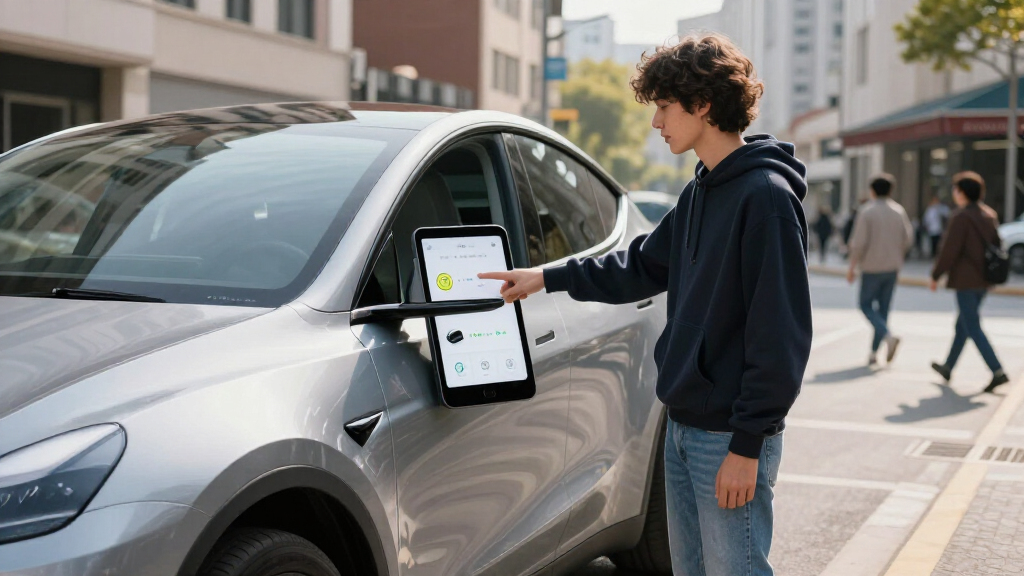
Tesla is reportedly considering offering robotaxi rides to customers instead of providing traditional service loaners. This development could reshape vehicle servicing and fleet management, but details remain unconfirmed.
Tesla is considering offering customers robotaxi rides as an alternative to traditional service loaner vehicles, according to industry trend signals. This move could significantly alter how Tesla manages vehicle servicing, customer experience, and fleet utilization, making it a notable development for Tesla owners and the automotive industry.
Current reports indicate that Tesla is exploring the possibility of replacing standard service loaners—vehicles provided temporarily while a customer’s car is being repaired—with robotaxi rides. This approach would leverage Tesla’s autonomous driving technology to provide on-demand, driverless transportation directly to customers.
While Tesla has not officially announced this initiative, industry sources and trend signals suggest that the company is testing or considering deploying its robotaxi fleet for service-related purposes. The concept involves using Tesla’s autonomous vehicles to serve as temporary transportation solutions, reducing the need for physical loaner cars and potentially lowering service costs.
It remains unclear whether this initiative is in pilot stages, a planned rollout, or a conceptual exploration. Tesla’s autonomous vehicle technology has been progressing steadily, but regulatory approvals and operational logistics are still being addressed. Tesla’s CEO Elon Musk has previously emphasized the company’s ambition to deploy autonomous taxis at scale, which adds context to these emerging signals.
Potential Impact on Tesla’s Service and Fleet Operations
This development could radically change Tesla’s vehicle servicing model, shifting from physical loaner cars to autonomous ride-hailing solutions. If successful, it might reduce costs for Tesla and customers, streamline service logistics, and accelerate the commercial deployment of robotaxis. For Tesla owners, it could mean more flexible, on-demand transportation options during service visits. However, the move also raises questions about vehicle ownership, customer experience, and regulatory hurdles, making it a significant shift in automotive service practices.Products Worth Considering

Nextbase iQ 4K Smart HD Dash Cam Pro with 64GB microSD Card – Front and Rear View, 1440p, Smart Sense Parking, Emergency SOS, Roadwatch AI

Milwaukee M18 FUEL 1/2-Inch High Torque Impact Wrench with Friction Ring Kit

Autel MaxiCOM MK808S Bidirectional Automotive Diagnostic Scanner
As an affiliate, we earn on qualifying purchases.
Tesla’s Autonomous Vehicle and Robotaxi Progress
Tesla has been steadily advancing its autonomous driving capabilities, with the company aiming to deploy a large-scale robotaxi network. Elon Musk has repeatedly highlighted plans for Tesla’s autonomous fleet to serve as a source of revenue and transportation. The concept of using robotaxis for service purposes aligns with Tesla’s broader vision of autonomous mobility. Despite this, regulatory approval and technological reliability remain ongoing challenges. The idea of replacing traditional service loaners with robotaxi rides is a new trend signal, reflecting Tesla’s continuous innovation efforts and strategic shifts in fleet management.Unconfirmed Details and Regulatory Challenges
It is not yet clear whether Tesla has officially approved or begun deploying this service model. Regulatory approvals for autonomous vehicles used as service loaners are still pending in many regions, and Tesla’s specific plans remain unconfirmed. The scope, timing, and customer acceptance of this initiative are still unknown, making it a developing story.Next Steps in Tesla’s Autonomous Service Strategy
Tesla is likely to continue testing and refining its autonomous vehicle technology, with further updates expected as regulatory environments evolve. Watch for official announcements from Tesla regarding pilot programs or commercial rollouts. Industry analysts will also monitor regulatory developments and customer feedback to gauge the feasibility and acceptance of replacing traditional service loaners with robotaxi rides.Key Questions
Could Tesla’s robotaxi service replace all traditional service loaners?
It is currently unclear if Tesla plans to fully replace all service loaners with robotaxi rides or if this will be limited to specific regions or vehicle models. The initiative remains in exploration or pilot stages.
What are the benefits of using robotaxis for service purposes?
Potential benefits include reduced operational costs, lower vehicle fleet management expenses, and increased convenience for Tesla customers during service visits.
What regulatory hurdles might Tesla face?
Regulatory approval for autonomous vehicles used as on-demand transportation is still pending in many markets. Tesla will need to navigate complex legal and safety standards before widespread deployment.
When might Tesla start offering this service to customers?
There is no confirmed timeline. Tesla’s plans depend on technological readiness, regulatory approval, and internal strategic decisions, which are still developing.
Will this change how Tesla owners view vehicle ownership?
Potentially. If Tesla moves toward a model where vehicle use is more service-oriented, it could shift customer perceptions from ownership to mobility-as-a-service, but this remains speculative at this stage.
Source: rss