
Oils like cooking and specialty oils generally last 1-2 years if stored in a cool, dark, airtight container, but once opened, their shelf life shortens due to exposure to air and light. Fluids such as motor or transmission oils often last several years if sealed properly and kept in a stable environment. Proper packaging and storage conditions are key to extending shelf stability, so if you want to learn more about maintaining freshness and safety, keep going.

Get business pricing on garage and car supplies
- Business-only prices and quantity discounts
- Tax-exempt purchasing
- Multiple users, one account, clear invoices
Key Takeaways
- Most cooking oils last 1-2 years when stored properly in a cool, dark, sealed container.
- Fluids like motor or transmission oils typically last several years if kept sealed and stored correctly.
- Once opened, oils’ shelf life shortens due to increased oxygen exposure, usually lasting 6-12 months.
- Proper packaging, such as dark glass bottles and airtight seals, significantly extends shelf stability.
- Regular inspection for spoilage signs like discoloration, off-odor, or leaks helps determine if oils or fluids are still safe to use.
Understanding storage life is essential for keeping your food fresh and safe. When it comes to oils and fluids, knowing how long they stay good on the shelf helps prevent waste and potential health issues. Shelf stability plays a vital role here, as it refers to how well a product resists spoilage over time, even without refrigeration. Oils and fluids with high shelf stability remain usable longer, but their longevity isn’t just about the ingredients. Packaging impact is equally important, as the way these items are stored can greatly influence their shelf life. Proper packaging helps protect against environmental factors like air, light, and moisture, all of which accelerate deterioration.
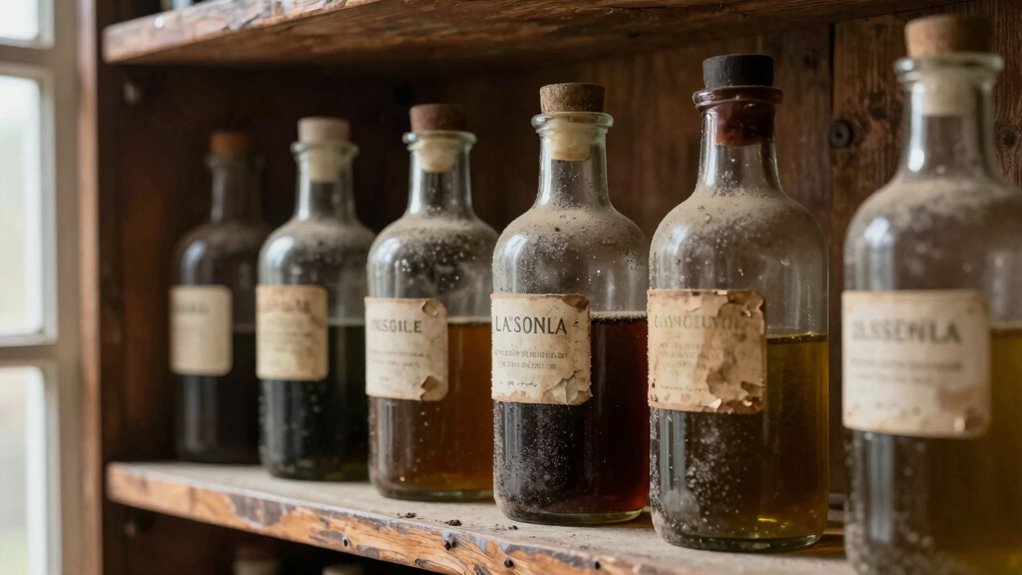
When you’re shopping for oils and fluids, pay close attention to their packaging. Dark glass bottles, for example, shield contents from light that can break down oils and reduce their quality. Vacuum-sealed or airtight containers prevent exposure to oxygen, which can cause oxidation and rancidity in oils. The quality of packaging directly affects shelf stability by slowing down chemical changes and microbial growth. If you neglect these details, even the most stable oil can degrade faster, leading to off-flavors, altered textures, or health risks.
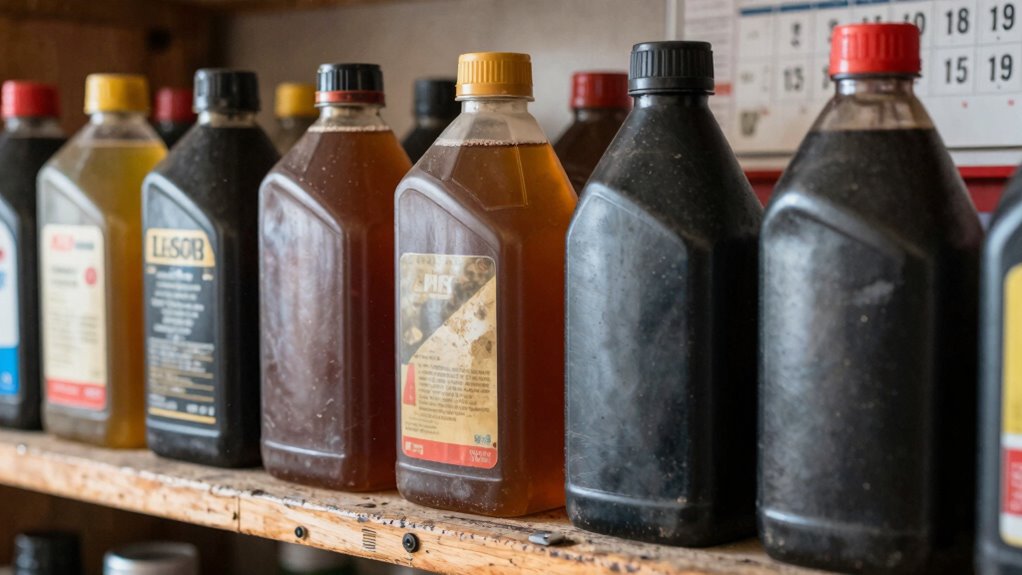
For most cooking oils, such as olive or vegetable oil, you can expect a shelf life of about one to two years if stored properly. However, once opened, the clock starts ticking faster because exposure to air increases the risk of spoilage. Fluids like motor oil or transmission fluid usually last longer—often several years—if stored in sealed containers and kept in a cool, dry place. Still, their shelf life can be compromised by poor packaging, which may allow contamination or moisture intrusion. Regularly check the container for signs of leaks, discoloration, or foul smell, as these are indicators that the fluid may no longer be safe or effective.
Temperature also plays a part, but packaging impact and shelf stability are the primary factors you can control. Store oils and fluids in a cool, dark place, and ensure the lids are tightly sealed after each use. Doing so minimizes exposure to oxygen and light, preserving their quality longer. Remember that even with ideal packaging, oils and fluids aren’t endless; over time, their chemical composition changes, and they become less effective or even harmful. Being aware of these factors helps you use your supplies within their safe window, ensuring safety, quality, and value. Additionally, advances in projector technology have improved the longevity of some components, reflecting the importance of proper storage and maintenance. Being aware of these factors helps you use your supplies within their safe window, ensuring safety, quality, and value. Ultimately, understanding how packaging influences shelf stability empowers you to make smarter choices about storage, reducing waste while keeping your essentials safe and effective.
dark glass bottle for cooking oils
As an affiliate, we earn on qualifying purchases.
As an affiliate, we earn on qualifying purchases.
Frequently Asked Questions
How Can I Tell if Oil Has Gone Bad Before the Expiration Date?
You can tell if oil has gone bad before the expiration date by checking visual cues and smells. Look for cloudiness, sediment, or a change in color, which indicate spoilage. Smell the oil; if it has a rancid, sour, or off odor, it’s time to discard it. Trust your senses—if anything feels or smells off, even if it’s within the shelf life, it’s safer to replace the oil.
Do Storage Conditions Affect the Shelf Life of Different Oils and Fluids?
Yes, storage conditions impact the shelf life of oils and fluids. You should keep them in a cool, dark environment to prevent degradation. The container material also matters; glass or high-quality plastic helps maintain freshness. Avoid exposure to sunlight, heat, and air, as these factors accelerate spoilage. Proper storage guarantees your oils and fluids stay effective longer, saving you money and maintaining safety.
Are There Any Natural Preservatives That Extend Oil Shelf Life?
Yes, natural preservatives like vitamin E and rosemary extract can extend your oil’s shelf life by preventing oxidation. These natural preservatives help in oil stabilization, slowing down spoilage and rancidity. You should add them during processing or storage to maintain freshness longer. Keep in mind, proper storage conditions also play a crucial role in maximizing the effectiveness of these natural preservatives and prolonging your oil’s usability.
How Does Temperature Fluctuation Impact the Longevity of Stored Oils?
Temperature fluctuations are like a rollercoaster for your stored oils, causing them to break down faster. When temperature stability wavers, oils can oxidize and spoil more quickly. Storage humidity also plays a role, encouraging mold or spoilage. To keep your oils fresh, store them in a cool, consistent environment with stable temperature and low humidity. This way, you extend their shelf life and preserve quality longer.
Can Expired Oils Still Be Used Safely in Certain Applications?
Expired oils can sometimes be used in non-food applications, but you should prioritize cooking safety. If the oil shows discoloration, an off smell, or a rancid taste, it’s best to avoid using it for cooking. While some oils might be safe for certain industrial or cleaning tasks after expiration, using spoiled oil in the kitchen risks health issues. Always inspect your oil before use to ensure safety and quality.
As an affiliate, we earn on qualifying purchases.
Conclusion
Remember, even the sturdiest oils and fluids have a gentle expiration date, quietly whispering that their prime has passed. Keep them in a cool, dark sanctuary, and they’ll serve you well for longer, like trusted allies resting before their next duty. But when their aroma or texture shifts, it’s a silent sign to let go, making way for fresh beginnings. Respect their quiet departure, and your tools will thank you for it.
As an affiliate, we earn on qualifying purchases.
transmission fluid sealed container
As an affiliate, we earn on qualifying purchases.
As an affiliate, we earn on qualifying purchases.
Fall Picks
fall essentials
As an affiliate, we earn on qualifying purchases.