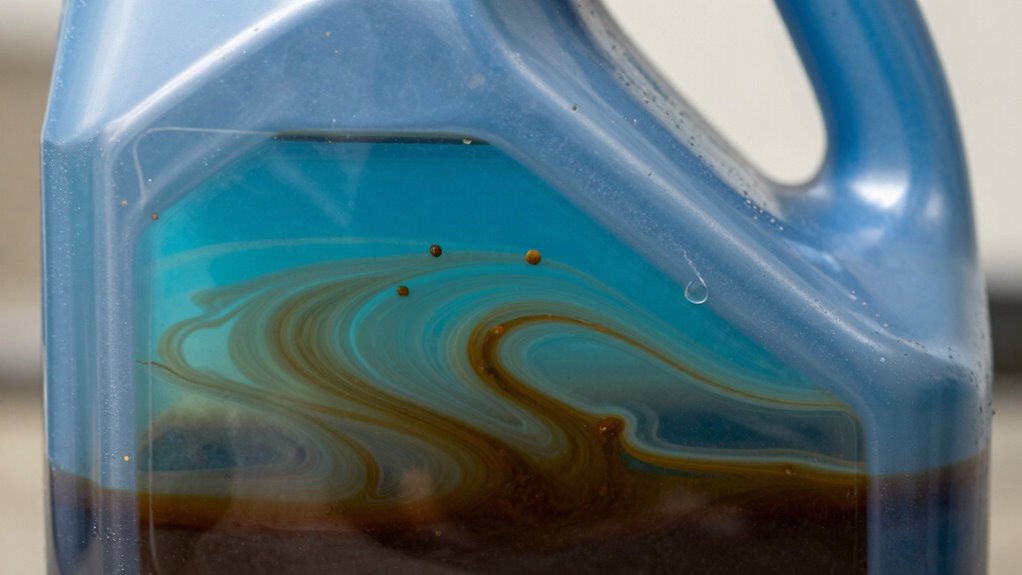
Mixing OAT, HOAT, and IAT coolants can cause dangerous sludge that blocks your engine’s cooling passages and leads to overheating. Each coolant type uses different chemicals and additives, so combining them creates gel-like deposits that hinder heat transfer and cause corrosion. To avoid this, always identify your vehicle’s correct coolant and stick to it. Stay with us to learn how to prevent these issues and keep your engine running smoothly.
Key Takeaways
- Mixing OAT, HOAT, and IAT coolants can produce gel-like sludge that clogs cooling passages.
- Sludge formation from incompatible coolants reduces heat transfer and risks engine overheating.
- OAT coolants are organic acid-based, while IAT uses silicates, and HOAT combines both, leading to chemical reactions when mixed.
- Proper system flush and using only recommended coolant types prevent sludge and extend cooling system life.
- Signs of sludge include thick deposits, reduced cooling efficiency, and engine overheating.

EPAuto Spill Proof Radiator Coolant Filling Funnel Kit
Allows color matching of caps for dedicated adapters.
As an affiliate, we earn on qualifying purchases.
As an affiliate, we earn on qualifying purchases.
Understanding the Differences Between OAT, HOAT, and IAT Coolants

Understanding the differences between OAT, HOAT, and IAT coolants is essential for choosing the right type for your vehicle. You should know that IAT coolants use silicates and phosphates to protect against rust and corrosion, typically lasting about two years or 30,000 miles. They’re usually green and suited for older vehicles with iron and copper parts. OAT coolants, on the other hand, rely on organic acids and last much longer—up to 10 years or 150,000 miles—making them ideal for modern aluminum engines. They often come in orange, red, or purple. HOAT coolants combine organic acids with silicates or phosphates, providing a balance of quick protection and long-term durability, suitable for mixed-metal systems. Recognizing these differences helps prevent damage caused by incompatible coolants. Additionally, using the correct coolant type can significantly extend your engine’s lifespan and maintain optimal performance.

SHMZK Coolant Tester Accessory, Dial Type Antifreeze Coolant Car Battery Hydrometer Tester, Automotive Anti-Freeze Battery Liquid Densitometer Coolant Tester, Car Accessories (1 PCS)
【Dual-Scale Design】: The tester features two clearly marked temperature scales in both °F and °C, which provides accurate…
As an affiliate, we earn on qualifying purchases.
As an affiliate, we earn on qualifying purchases.
Why Mixing Incompatible Coolants Creates Sludge and Engine Damage
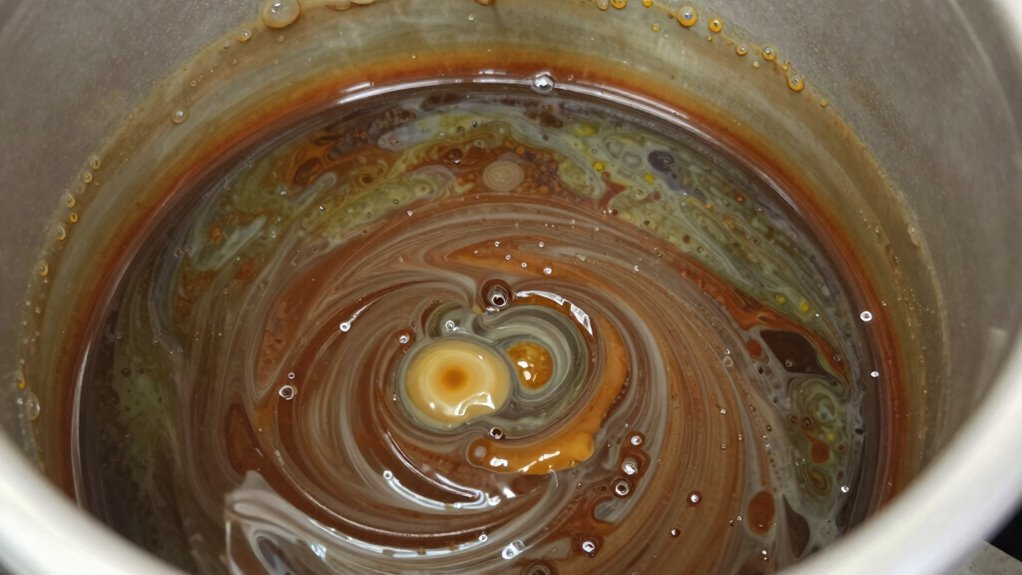
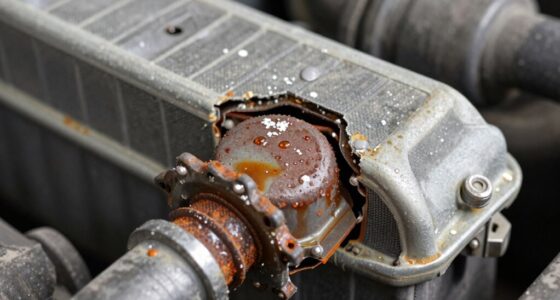
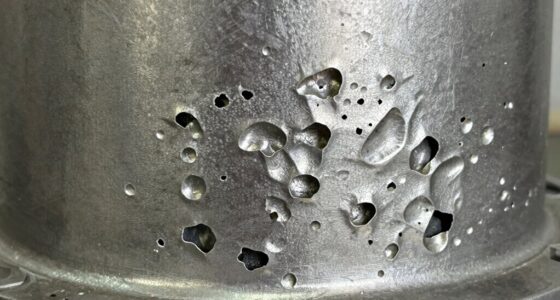
Mixing incompatible coolants can cause serious problems for your engine. When you combine different types like OAT, HOAT, and IAT, the chemical reactions can create gel-like sludge that blocks coolant passages. This sludge reduces heat transfer, leading to overheating and potential engine damage. Additionally, incompatible mixes accelerate corrosion of metal parts, weakening the cooling system’s integrity. You might notice floating debris, foul odors, or a cloudy, thick coolant—signs of dangerous buildup. The formation of deposits can also cause leaks or clog radiator cores, forcing costly repairs. Chrysler warns that mixing dissimilar coolants damages engines and cooling systems. To avoid these risks, always use the correct coolant for your vehicle and never mix different types unless the manufacturer explicitly approves it. Proper maintenance prevents sludge and keeps your engine running smoothly. Understanding coolant chemistry is essential for maintaining optimal engine performance and longevity.

Prestone AS105 Total Cooling System Cleaner for Radiator, Heater Core, and Hoses, 22 oz., 1 pack
2-in-1 formula designed for light flushing and heavy-duty cleaning
As an affiliate, we earn on qualifying purchases.
As an affiliate, we earn on qualifying purchases.
How to Identify Your Vehicle’s Correct Coolant Type and Color
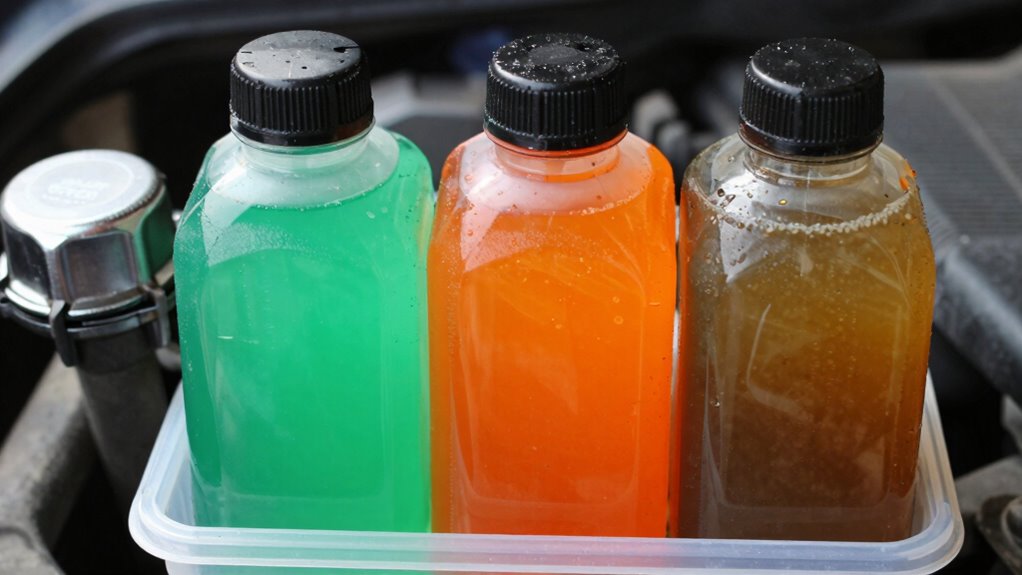
To identify the correct coolant for your vehicle, start by checking the owner’s manual or service documentation, which typically specify the recommended type and specifications. Look for the coolant color indicated by the manufacturer—common colors include green for IAT, orange or red for OAT, and yellow, turquoise, or purple for HOAT. Don’t rely solely on color, as it can be misleading; always verify the part number or specifications printed on the coolant reservoir cap or the coolant itself. Some coolants have specific additives or certifications, like Chrysler’s 68163849AA or European brands’ turquoise. If unsure, consult a professional or the dealership to avoid using incompatible coolants that could cause deposits, gelling, or corrosion. Proper identification guarantees optimal cooling system performance and longevity.
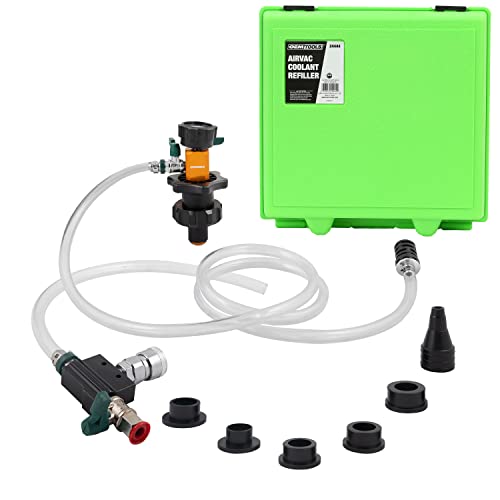
OEMTOOLS 24444 Coolant Vacuum Refill Kit, Coolant Pressure Tester Kit, 70–110 PSI Working Pressure, 5 Bushings, 1 Tapered Cone Adapter, Vacuum Leak Detector, Pressure Tester for Coolant System
Efficient Cooling System Refill: The OEMTOOLS 24444 cooling system pressure tester kit quickly refills your vehicle's cooling system…
As an affiliate, we earn on qualifying purchases.
As an affiliate, we earn on qualifying purchases.
Tips for Properly Switching Coolant Types Without Causing Gelling or Deposits
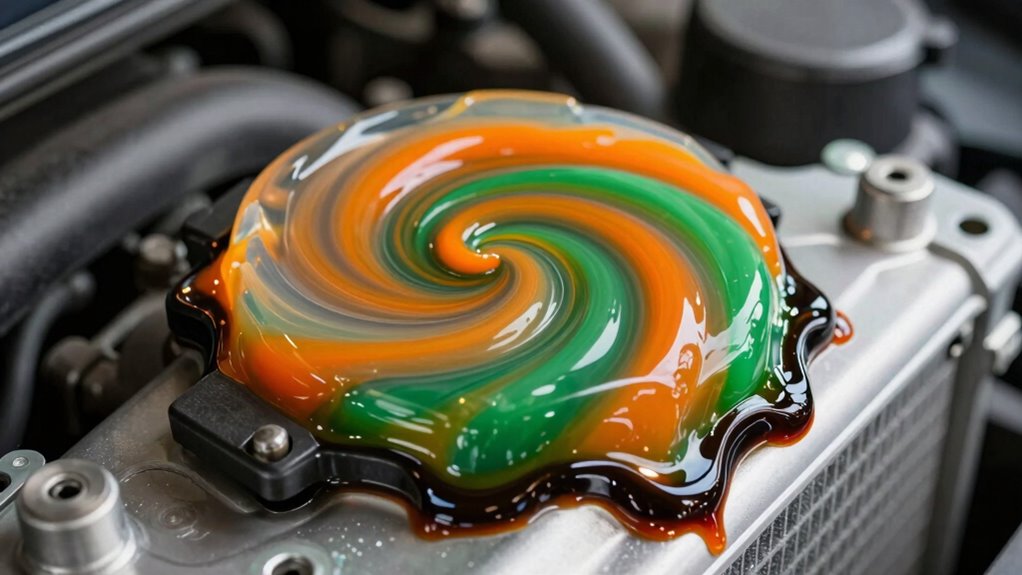
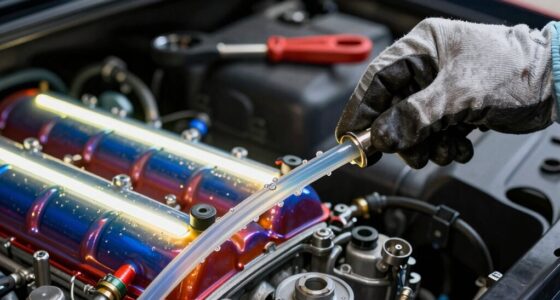
Switching coolant types requires careful preparation to prevent gelling, sludge, and corrosion issues. First, always perform a complete system flush to remove residual coolant. Second, double-check your vehicle’s manual for compatible coolant types and recommended procedures. Third, use a high-quality coolant flush product to ensure thorough cleaning. Fourth, after draining, fill with distilled water and run the engine to circulate and remove leftover contaminants before adding the new coolant. This process minimizes chemical reactions that cause deposits. Remember, mixing incompatible coolants can lead to gelling or sludge formation. When in doubt, consult your vehicle’s manufacturer or a professional mechanic. Properly switching coolant types helps maintain your system’s integrity and prolongs its lifespan.
Troubleshooting Signs of Coolant Misuse: Sludge, Debris, and Unusual Smells
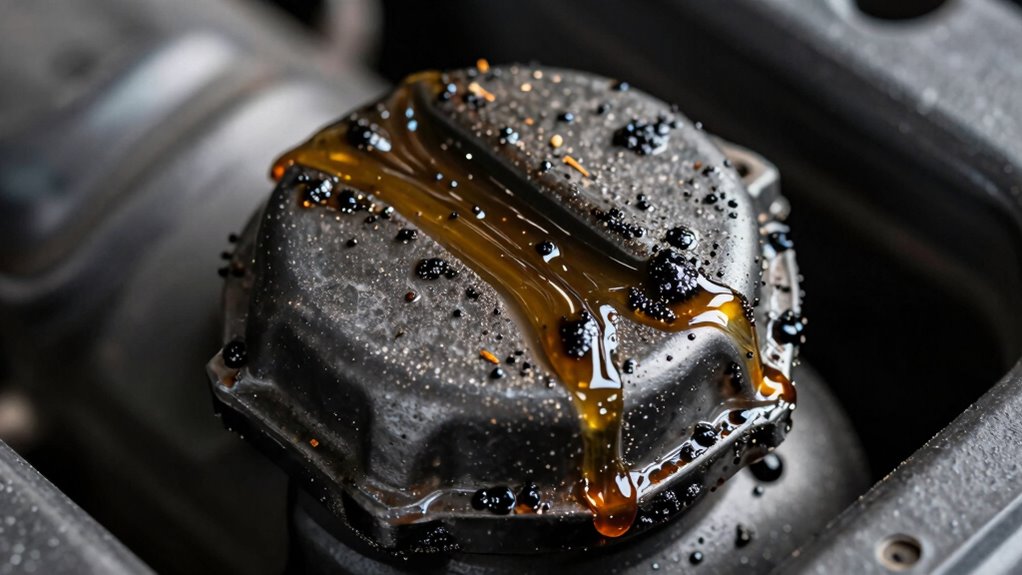
When coolant is used improperly or not maintained correctly, it can lead to visible and odor-related issues that signal trouble inside your cooling system. Sludge buildup appears as thick, dark deposits that clog passages and reduce cooling efficiency. Debris may float or settle at the bottom of the radiator, indicating contamination or incompatible coolant mixing. Unusual smells, like a strong ammonia or burnt odor, suggest chemical reactions or corrosion inside the system. You might notice overheating or reduced heater performance, signaling blocked flow. Also, coolant discoloration or thickened consistency are red flags. These signs point to improper coolant chemistry, contamination, or aging. Address these issues promptly by inspecting, flushing, and replacing the coolant to prevent further damage and ensure your engine stays protected.
Frequently Asked Questions
Can I Mix Different Coolant Types During a Flush?
No, you shouldn’t mix different coolant types during a flush. Combining incompatible coolants like OAT, HOAT, or IAT causes gelling, sludge, and potentially severe engine damage. Always fully flush your cooling system before switching to a different type, and use the correct coolant specified for your vehicle. This guarantees proper protection, prevents corrosion, and extends your cooling system’s lifespan without risking costly repairs.
How Often Should I Test Coolant for Additive Degradation?
You should test your coolant for additive degradation every 50,000 to 100,000 miles or during routine maintenance. Regular testing helps you catch early signs of corrosion inhibitors breaking down, ensuring peak protection. Use coolant test strips or send samples to a lab for detailed analysis. Maintaining proper additive levels prevents corrosion, sludge buildup, and extends your cooling system’s lifespan. Don’t wait too long to check—staying proactive saves costly repairs.
Are There Specific Vehicles That Require Special Coolant Considerations?
In the days of chivalry, you’d know to match the right armor. Today, you must select coolant carefully. For example, older vehicles with iron or brass parts need IAT, while modern aluminum engines thrive on OAT. European cars like BMW or Volvo often require specialized, phosphate-free HOAT. Always check your vehicle’s manual to verify you’re using the proper coolant type, preventing damage or costly repairs.
What Are the Long-Term Effects of Using Incompatible Coolants?
Using incompatible coolants causes long-term corrosion, sludge buildup, and deposits that damage your engine’s components. You’ll notice potential leaks, overheating, or odd smells, leading to costly repairs. Mixing different coolant types accelerates deterioration of the cooling system, reducing its efficiency and lifespan. To avoid these issues, always flush your system thoroughly before switching, and use the right coolant specified for your vehicle’s make, model, and age.
How Can I Safely Change Coolant Types Without Causing Damage?
Switching coolant types safely is essential since mismatched coolants can cause sludge and damage. You should perform a thorough system flush, using a coolant flush product or draining completely, then refill with the correct coolant specified for your vehicle. Always verify the manufacturer’s recommendations, check for residual incompatible fluids, and avoid mixing different types. Regularly inspect the system afterward to catch any issues early, ensuring your engine stays protected.
Conclusion
Remember, choosing and sticking to the right coolant isn’t just a detail—it’s the key to keeping your engine healthy. Mixing incompatible types is like trying to blend oil and water; they don’t mix, and problems follow. By understanding your vehicle’s needs and avoiding shortcuts, you prevent sludge, damage, and costly repairs. Think of your coolant like a secret handshake; get it right, and your engine runs smoothly—mess it up, and trouble brews.