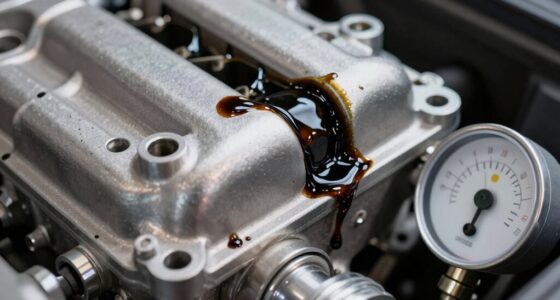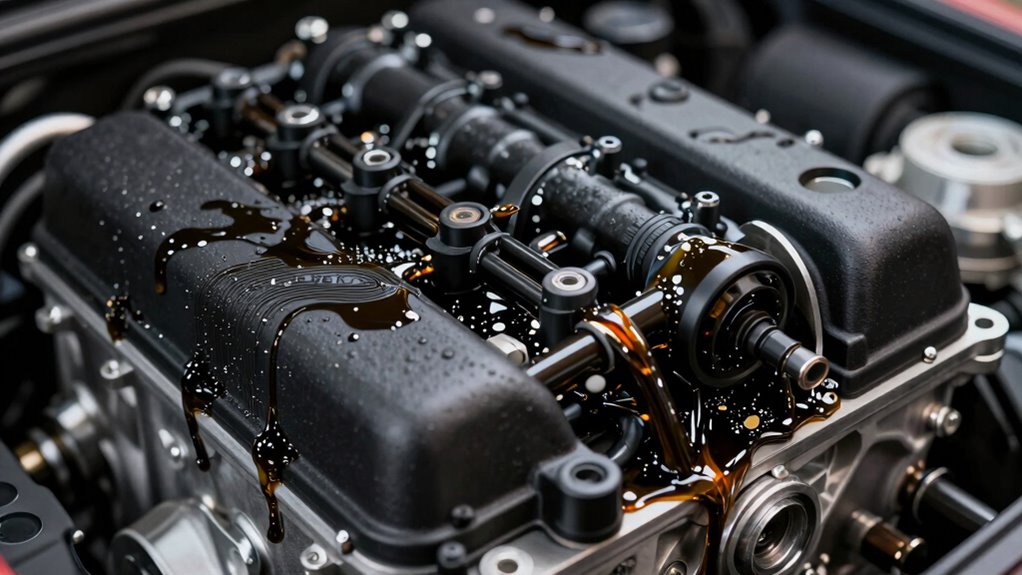

You might notice fuel in your oil more with direct injection engines because their high-pressure fuel sprays and design increase the risk of fuel leaking past piston rings into the crankcase. This leakage dilutes your oil, reduces lubrication, and accelerates engine wear. Because of these factors, fuel exposure is more common in direct injection systems. To understand what causes this issue and how to protect your engine, keep exploring further.
Key Takeaways
- Direct injection sprays fuel directly into the combustion chamber at high pressure, increasing the risk of fuel leakage past piston rings.
- Higher engine pressures and temperatures in direct injection systems promote fuel condensation and seepage into the crankcase.
- The design challenges of direct injection make sealing piston rings more difficult, allowing more fuel to bypass into the oil.
- Fuel in oil dilutes lubrication, accelerating engine wear and reducing the oil’s protective properties.
- The increased likelihood of fuel entering the oil in direct injection engines leads to more deposits and potential engine damage.
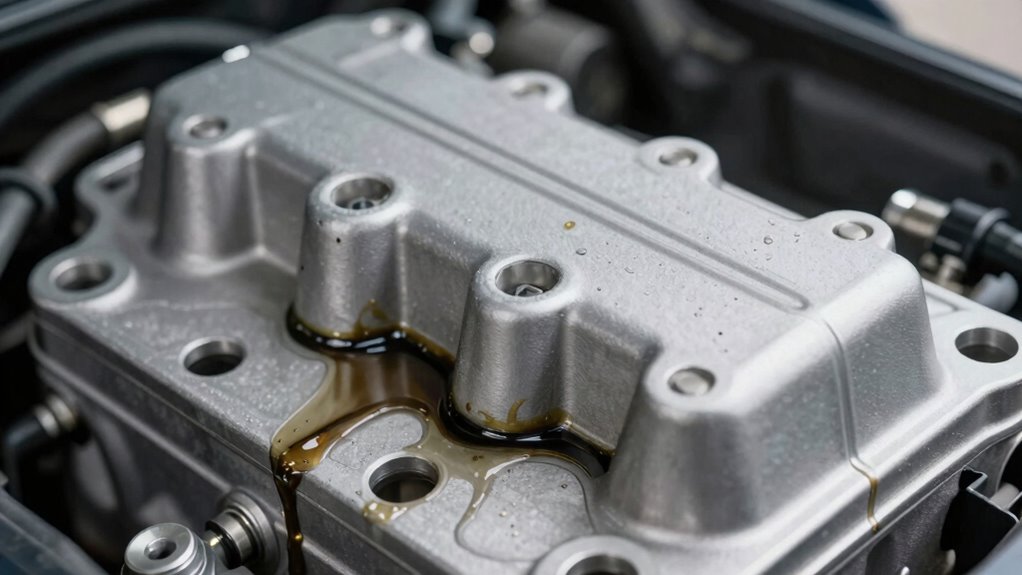
Fuel in oil is a common issue in direct injection engines that can lead to reduced performance and increased wear. This problem occurs when fuel leaks into the engine oil, diluting it and compromising its ability to lubricate essential components. Because direct injection systems spray fuel directly into the combustion chamber at high pressure, they are more prone to certain lubrication challenges that can allow fuel to bypass normal combustion processes and seep into the crankcase. As a result, you might notice your engine running less smoothly, with increased friction and faster wear on parts like pistons, rings, and valves.
Fuel in oil can cause engine wear and reduced performance in direct injection engines.
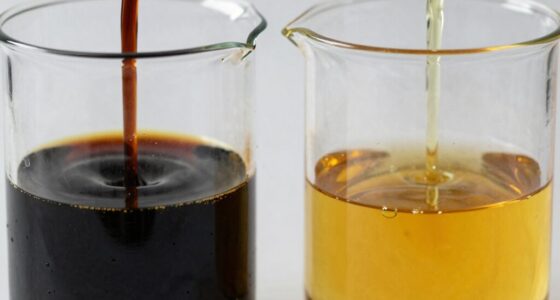
One of the primary reasons this occurs is due to the design of direct injection engines. They operate at higher pressures and temperatures compared to traditional port fuel injection systems. While this design improves efficiency and power, it also creates conditions where fuel can condense or leak past the piston rings, especially if those rings are worn or not sealing properly. When fuel mixes with the oil, it reduces the oil’s viscosity, impairing its ability to form a protective layer on moving parts. This not only accelerates engine wear but also complicates lubrication challenges because the oil becomes less effective at reducing friction and heat. Over time, the presence of fuel in the oil can lead to increased engine deposits, sludge formation, and even potential damage to the crankshaft and bearings.
Beyond mechanical concerns, fuel in oil profoundly impacts emissions. When fuel leaks into the crankcase, it can lead to incomplete combustion and higher hydrocarbon emissions. As the engine burns oil contaminated with fuel, pollutants are released into the atmosphere, making your vehicle less environmentally friendly and potentially causing it to fail emissions tests. This contamination also complicates oil change intervals, as you’ll need to replace oil more frequently to prevent engine degradation. The emissions impact extends beyond environmental issues; it can also trigger warning lights or diagnostic trouble codes, prompting costly repairs or adjustments.
In essence, the lubrication challenges posed by fuel in oil are intertwined with the emission consequences. The diluted oil cannot effectively protect engine components, risking damage and reducing your engine’s lifespan. Simultaneously, the increased pollutants contribute to a higher environmental footprint and may lead to regulatory issues. Recognizing these interconnected problems helps you understand why direct injection engines, while efficient, demand more vigilant maintenance. Proper oil checks, timely replacements, and addressing any signs of fuel leakage are essential steps to mitigate these issues and keep your engine running smoothly.

EVIL ENERGY Oil Catch Can, 300ML Baffled Oil Can, Universal Aluminum Air Oil Separator Breather Tank with 3/8" ID 5FT NBR Fuel Hose Kit
[Baffled Design] Featuring a removable baffle and adding an appropriate amount of steel wool, this oil catch can…
As an affiliate, we earn on qualifying purchases.
As an affiliate, we earn on qualifying purchases.
Frequently Asked Questions
Can Using Synthetic Oil Reduce Fuel Dilution in Direct Injection Engines?
Yes, using synthetic oil can reduce fuel dilution in your direct injection engine. Synthetic benefits include better oil formulation, which resists fuel mixing, and improved thermal stability. This helps prevent fuel from breaking down the oil and diluting it over time. Plus, synthetic oils typically flow better at lower temperatures, providing enhanced lubrication and reducing the chances of fuel contamination, ultimately helping your engine stay cleaner and run more efficiently.
How Often Should I Change Oil to Prevent Fuel Contamination?
You should change your oil every 5,000 to 7,500 miles to prevent fuel contamination. Studies show that fuel dilution can increase engine wear by up to 20%, so timely oil changes are essential. Regularly scheduled oil change intervals help combat fuel dilution prevention, especially in direct injection engines prone to fuel in oil. Staying consistent with oil changes keeps your engine cleaner and running smoothly longer.
Does Fuel in Oil Impact Engine Longevity Significantly?
Fuel in your oil can markedly impact engine longevity by accelerating oil degradation and increasing engine wear. When fuel mixes with oil, it reduces lubrication efficiency, leading to faster breakdown of oil and potential damage to engine parts. Over time, this can cause increased friction, corrosion, and ultimately, engine failure. Regular oil changes and using the right oil help minimize these risks, preserving engine health and extending its lifespan.
Are There Specific Oil Types Better at Resisting Fuel Dilution?
You should choose oils with high-quality additives designed to enhance viscosity stability, which helps resist fuel dilution. Synthetic oils often perform better in this regard, maintaining their lubricating properties longer. Look for oils labeled specifically for direct injection engines, as they typically contain enhanced additives that combat fuel contamination. Regular oil changes and using the correct viscosity also improve resistance to fuel in the oil, protecting your engine’s longevity.
What Signs Indicate Excessive Fuel in Engine Oil?
If you notice your oil turning monstrous shades of discoloration or your engine misfires more often than a faulty light bulb, you’re likely dealing with excessive fuel in your oil. These signs are like red flags waving wildly, indicating fuel dilution. Keep an eye on sudden drops in oil level, strange odors, or rough running; these clues warn you that fuel’s sneaking into your oil and causing trouble.

STP Complete Fuel System Cleaner, Fuel Cleaner Deep Cleans Entire Fuel System, 5.25 Oz, Multicoloured, 1 Count (Pack of 1)
One 5.25 fl oz bottle of STP Complete Fuel System Cleaner
As an affiliate, we earn on qualifying purchases.
As an affiliate, we earn on qualifying purchases.
Conclusion
So, when fuel sneaks past the valves into your engine oil, it’s like tiny invaders polluting a pristine lake. In direct injection engines, this silent invasion grows, blending fuel with oil and turning your engine’s heart into a troubled, murky pond. Stay vigilant and keep up with maintenance—otherwise, you’re risking a quiet erosion of your engine’s essentiality, as if your once-robust machine slowly drowns in a swamp of its own compromised fluids.

Rislone 4447 High Mileage Compression Repair with Ring Seal, 16.9 oz.
INCREASE AND STABILIZE COMPRESSION: Rislone High Mileage Compression Repair with Ring Seal is a concentrated proprietary blend of…
As an affiliate, we earn on qualifying purchases.
As an affiliate, we earn on qualifying purchases.

TRIAX Power Sport 2T Full Synthetic, All Season, 2 Cycle Engine Oil | For Powersports Premix & Direct Injector Engines in ATVs, UTVs, Snowmobiles, Wave Runners, JetSkis & Dirt Bikes (1 Gallon)
Wide-Ranging Applications Premix and Direct Injection: Designed for air and liquid cooled off-road high-performance 2-Cycle Engines, including JetSkis,…
As an affiliate, we earn on qualifying purchases.
As an affiliate, we earn on qualifying purchases.