Modern engines often dilute oil with fuel due to advanced fuel injection systems, direct injection, and emission controls that can allow unburned fuel to leak into the crankcase. Factors like faulty injectors, post-injection during regeneration, and cold starts increase this risk. Fuel mixing with oil weakens lubrication, accelerates engine wear, and can cause long-term damage. To protect your engine and catch problems early, understanding the causes and signs is essential—learn more to keep your engine running smoothly.
Key Takeaways
- Modern engines, especially with direct injection and turbocharging, are more prone to fuel entering the oil due to complex fuel delivery systems.
- Post-injection during DPF regeneration and faulty injectors can lead to unburned fuel mixing into engine oil.
- Cold starts and short trips increase unburned hydrocarbons, raising the risk of fuel dilution in engine oil.
- Fuel leaks and blow-by from worn piston rings or internal seals allow fuel to contaminate the oil.
- Regular oil analysis, timely oil changes, and inspecting fuel system components help prevent and address fuel dilution.

Fuel Injector Cleaner Machine 4-Cylinder Ultrasonic Injector Cleaner Tester Machine 110V, Heated Cleaning Car/Motorcycle Injectors Tester with 4 Test Functions & 9 Test Modes, 1600ml Cleaning Tank
【Powerful Cleaning & Heated Fluid】This fuel injector tester utilizes ultrasonic technology to generate powerful vibrations that effectively remove...
As an affiliate, we earn on qualifying purchases.
What Is Fuel Dilution, and Why Is It a Growing Concern in Modern Engines?
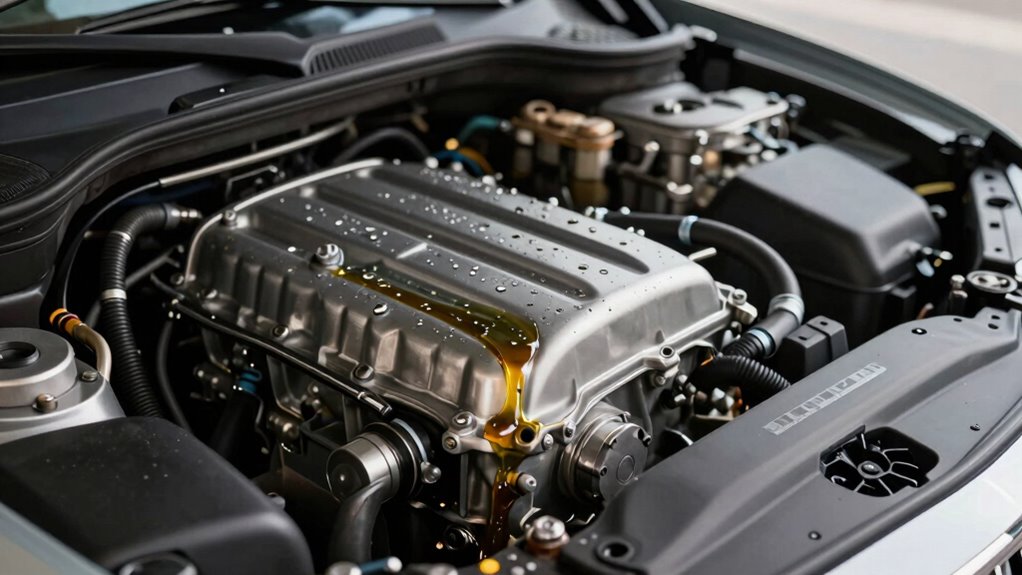
Fuel dilution occurs when gasoline or diesel leaks into your engine oil, weakening its ability to lubricate and protect engine parts. In modern engines, this problem is becoming more common due to advanced technologies like direct injection and turbocharging. These systems, while improving efficiency, also increase the chances of fuel entering the crankcase through various mechanisms. For instance, post-injection during DPF regeneration, faulty injectors, and cold starts can all lead to fuel mixing with oil. When fuel mixes with oil, it lowers the oil’s viscosity, reducing its capacity to lubricate properly. This not only accelerates engine wear but also hampers performance. As engines evolve, fuel dilution is a concern that requires attention to prevent long-term damage and costly repairs. Additionally, high-performance projectors with enhanced features demand well-maintained engines to avoid issues like fuel contamination, which can impact overall vehicle operation and longevity.

MR CARTOOL V308 Injector Cleaner Machine 4-Cylinder, 110V Injector Cleaner Tester Machine Heated Ultrasonic Fuel System Injection Cleaning Kit for Diesel Gasoline Car Motorcycle
[ULTRASONIC INJECTOR CLEANER AND TESTER ] V308 can be used for cleaning and testing four injectors at the...
As an affiliate, we earn on qualifying purchases.
How Does Fuel Enter Engine Oil? Common Causes Explained
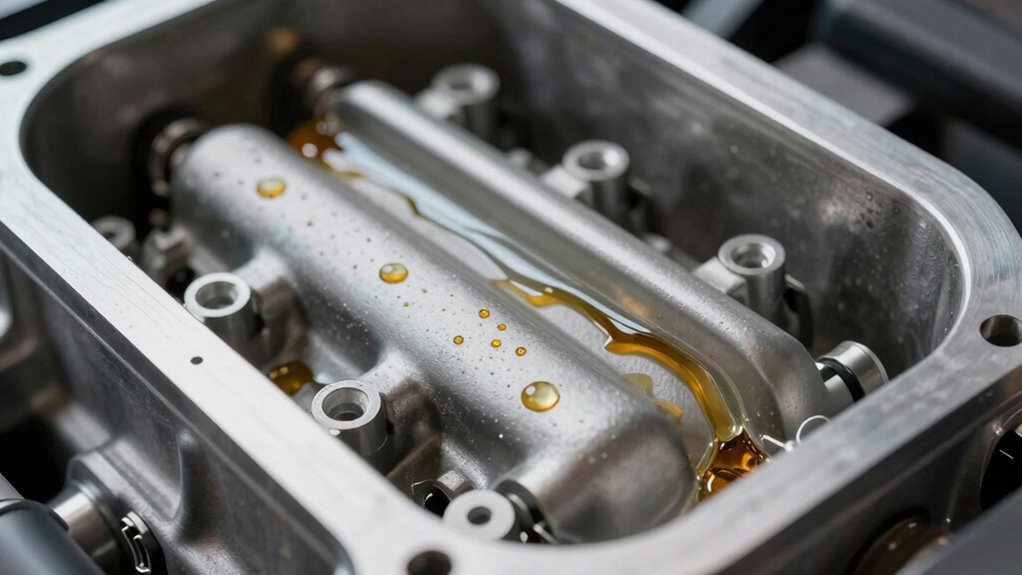
Understanding how fuel enters engine oil is essential for maintaining your vehicle’s health. Fuel can leak into the oil through several common causes. In diesel engines, post-injection during DPF regeneration allows fuel gases to reach the crankcase, while faulty injectors cause excessive fuel inflow or inadequate injection. Worn piston rings lead to blow-by, letting unburned fuel escape into the oil. Internal leaks from the fuel injection system also contribute. In gasoline engines, dirty or leaking fuel injectors permit fuel infiltration, especially during frequent short trips or cold starts that produce unburned hydrocarbons. Petrol direct injection engines locate injectors within cylinders, increasing the chance of fuel mixing with oil. These issues compromise lubrication, causing increased wear and engine damage if not addressed promptly. Recognizing engine component wear early can help prevent costly repairs and maintain optimal engine performance.

AUTOOL Fuel Injector Cleaner and Tester Machine, Ultrasonic Fuel Injection Cleaner for All 6 Cylinder Petrol Vehicles, GDI, EFI, FSI Fuel Injection Systems Cleaner Kit 12V/70V/220V
【Ultrasonic Injector Cleaning】The fuel injector cleaner machine can be used to clean single or multiple injectors simultaneously with...
As an affiliate, we earn on qualifying purchases.
Signs Your Engine Oil Is Contaminated With Fuel
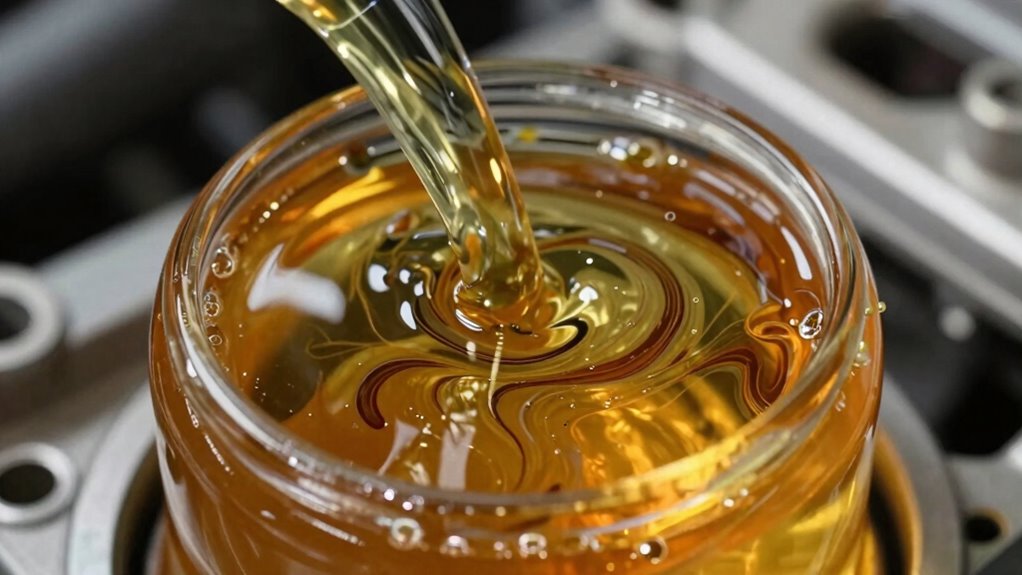
If you notice changes in your engine’s performance, it could be a sign that your oil is contaminated with fuel. You might see your engine running rougher or experiencing increased hesitation. Unusual exhaust smoke, especially a strong fuel smell, is another warning. Check your oil level regularly—if it’s rising unexpectedly, fuel dilution could be the culprit. Additionally, your oil may appear markedly thinner or milky, indicating water or fuel contamination. Finally, reduced fuel efficiency and more frequent oil changes are signs you shouldn’t ignore. Monitoring engine health can help detect early signs of contamination before costly damage occurs.

BELEY Injector Cleaner Machine V308 Heated Ultrasonic Fuel Injection Systems Cleaners 4-Cylinder 110V for Gasoline Diesel,Motorcycle
[ULTRASONIC CLEANING WITH HEATING FUNCTION]Unlike other products on the market, both the V308 and CT160 come equipped with...
As an affiliate, we earn on qualifying purchases.
How Fuel Dilution Damages Your Engine and Shortens Its Life
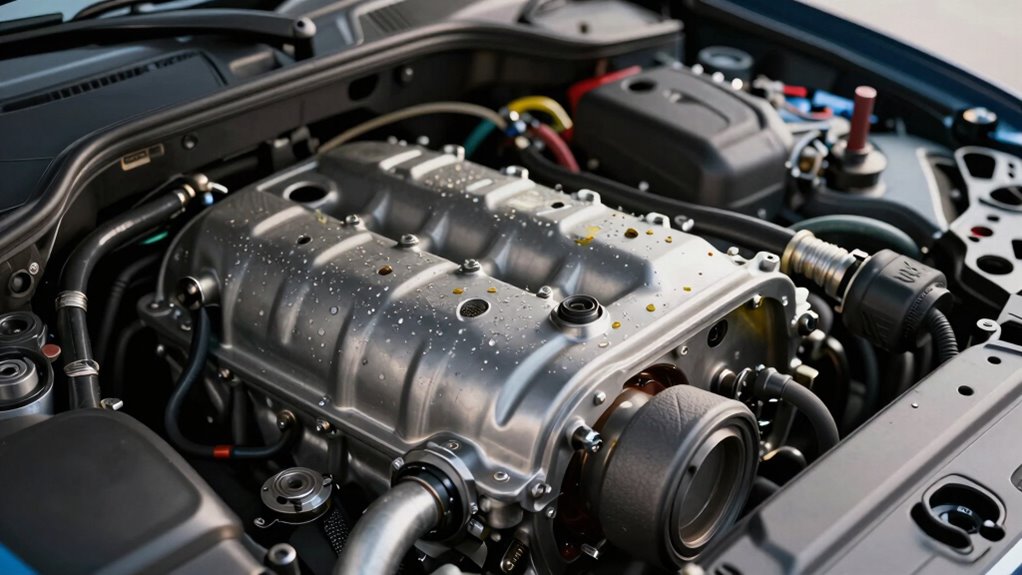
When fuel dilutes your engine oil, it weakens the essential protective film that keeps metal components lubricated, leading to increased wear and damage over time. Reduced viscosity from fuel lowers the oil’s ability to prevent metal-to-metal contact, causing faster wear on pistons, bearings, and valve train parts. Contaminants from fuel accelerate oil oxidation, forming sludge and deposits that clog critical passages. This degradation can result in poor engine performance, increased friction, and eventual component failure. Fuel dilution also hampers the oil’s ability to maintain hydraulic functions, affecting timing and valve operation. Additionally, oil contamination can lead to increased emissions and environmental pollution. Over time, these effects shorten your engine’s lifespan, increase repair costs, and reduce overall reliability. Catching and addressing fuel dilution early helps preserve engine health and prolong its service life.
Simple Steps to Detect and Prevent Fuel Dilution in Your Engine Oil
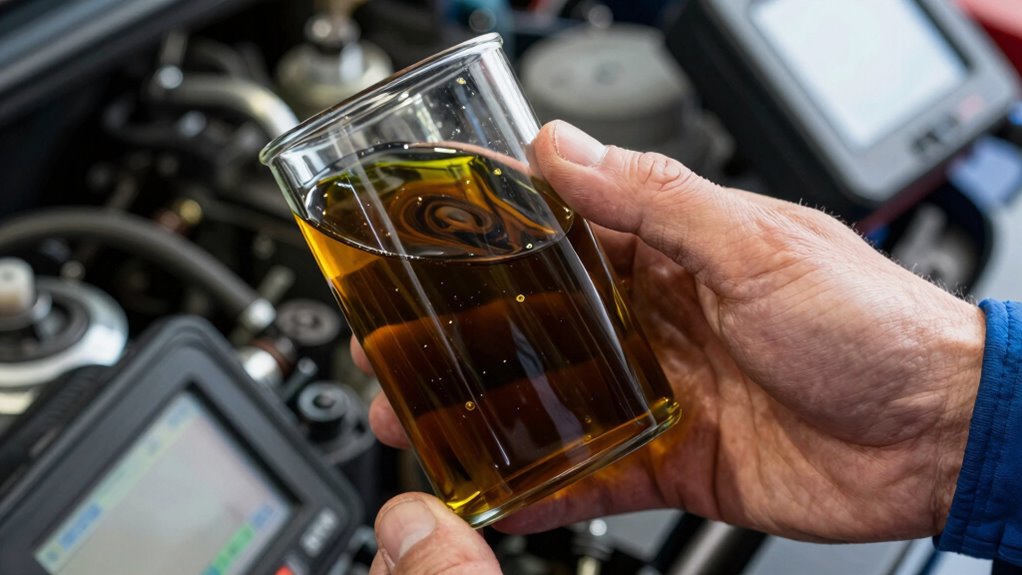
Regularly checking your engine oil for signs of fuel dilution is essential to prevent costly damage. You can do this by monitoring oil color, consistency, and smell—fuel-contaminated oil often looks milky, feels thin, or smells of gasoline. Use a dipstick to assess oil viscosity; if it appears abnormally thin or cloudy, it’s a red flag. Consider performing oil analysis periodically to measure fuel levels accurately. To prevent fuel dilution, follow these steps:
- Regularly drive longer distances to burn off excess fuel
- Schedule timely oil changes based on your vehicle’s usage
- Inspect injectors and fuel systems for leaks
- Use high-quality oil formulated for modern engines
- Stay vigilant during DPF regeneration cycles and cold starts
- Monitor engine performance for any irregularities indicating fuel issues
Taking these proactive measures helps keep your engine healthy and extends its lifespan.
Frequently Asked Questions
How Do DPF Regeneration Cycles Contribute to Fuel Dilution?
During DPF regeneration cycles, your engine burns off soot accumulated in the filter by using extra fuel to raise temperatures. This process allows unburned fuel gases to reach the crankcase, mixing with your oil. As a result, fuel dilutes the oil, reducing its lubricating properties and accelerating wear. To minimize this, drive longer distances after regeneration and perform regular oil analysis to monitor fuel dilution levels.
What Role Does Engine Design Play in Fuel Entering the Oil?
Your engine design influences fuel entering the oil through features like direct fuel injectors positioned in the cylinder, which increase the chance of fuel leakage or infiltration. Worn piston rings, a common design flaw, also cause blow-by, allowing fuel vapors to seep into the crankcase. Additionally, internal leaks in the injection system or during DPF regeneration cycles can lead to fuel mixing with the oil, accelerating its dilution.
Can Fuel Dilution Occur in Non-Turbocharged Engines?
Yes, fuel dilution happens in non-turbocharged engines too, proving that even simplicity isn’t immune to modern quirks. Frequent short trips, cold starts, and faulty injectors can all let fuel sneak past rings and valves, regardless of turbochargers. So, don’t assume your engine’s “basic” design keeps it safe—these sneaky fuel leaks are just part of today’s driving game, no matter what badge on the hood.
How Does Fuel Type (Diesel vs. Gasoline) Affect Contamination Risk?
Fuel type influences contamination risk considerably. Diesel engines are more prone to fuel dilution because post-injection during DPF regeneration allows fuel gases into the crankcase, and faulty injectors can cause excessive fuel entry. Gasoline engines, especially with direct injection, can also experience contamination from leaking injectors or frequent short trips. You should regularly check injectors, monitor oil quality, and follow maintenance schedules to minimize fuel contamination, regardless of fuel type.
Are There Specific Driving Habits That Increase Fuel Dilution?
You’re playing with fire if you frequently take short trips or let your engine idle for long periods. These habits prevent fuel from fully evaporating, leading to more fuel mixing with your oil. Cold starts also contribute, as unburned hydrocarbons blow past rings. To keep your engine healthy, try to drive longer distances after DPF regeneration and avoid unnecessary idling. Small changes make a big difference!
Conclusion
Fuel dilution sneaks into your engine oil like a slow leak in a sinking boat, gradually weakening its core. If you ignore the signs, your engine becomes a fragile house of cards, vulnerable to damage and early failure. Staying vigilant is key—regular checks and maintenance keep your engine’s essential fluids pure, like a clear mountain stream. Protect your engine’s future, and it’ll run smoothly, like a well-oiled machine gliding effortlessly down the open road.