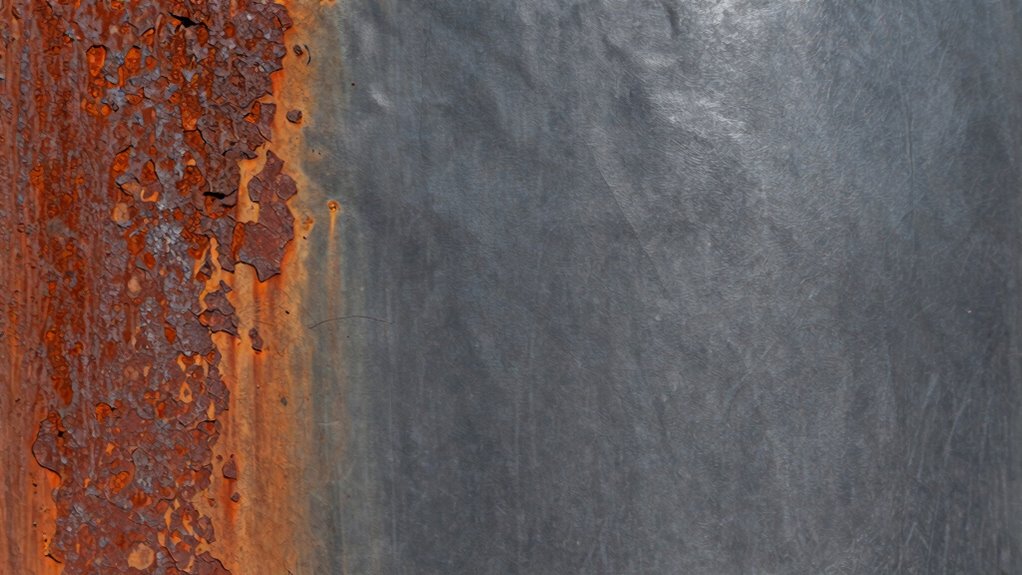

Oxidation and nitration are two aging processes that damage engine oils but follow different paths. Oxidation involves oxygen reacting with hydrocarbons, forming acids that increase viscosity and cause corrosion. Nitration results from nitrogen oxides reacting with oil, creating nitrates that can weaken oil stability. Both processes accelerate under high temperatures and contaminants. Understanding these mechanisms helps in early detection and prevention. If you’re curious, exploring how these processes affect your engine can help you better protect it.
Key Takeaways
- Oxidation involves oxygen reacting with oil, forming acids and causing viscosity increase; nitration involves nitrogen oxides creating nitrates.
- Oxidation primarily degrades oil chemically, leading to corrosion and thickening, while nitration can occur at lower temperatures and affect stability.
- Elevated temperatures accelerate oxidation, whereas nitration is more prominent at cooler temperatures, influenced by engine conditions.
- Detection uses infrared spectroscopy to identify specific chemical signatures like acids (oxidation) and nitrates (nitration).
- Proper cooling, additives, and regular oil testing help prevent both processes, extending engine lifespan and reducing wear.

AUTOOL Engine Oil Tester Gasoline & Diesel Engine Oil Quality Tester Kit, Quick Testing Transmittance and Temperature, with 31.5 inch Flexible Probe, 2.8-inch Backlit Display
【More Powerful Detection Range】Transmittance Detection: Measure the oil transmittance (0-100%) through optical technology, visualize the degree of oil…
As an affiliate, we earn on qualifying purchases.
As an affiliate, we earn on qualifying purchases.
What Are Oxidation and Nitration in Lubricants?
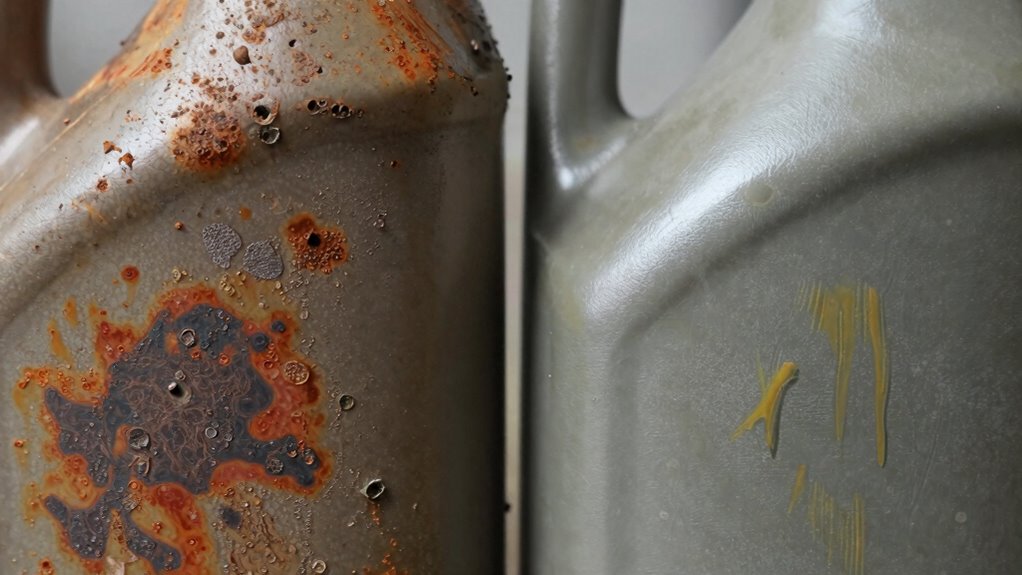
Oxidation and nitration are two common chemical processes that degrade lubricants and impact engine performance. Oxidation happens when atmospheric oxygen reacts with hydrocarbons in your oil, especially at high temperatures, forming acids like carboxylic acids. This process involves free radicals, which initiate, propagate, and eventually terminate reactions, leading to oil breakdown. Nitration occurs when nitrogen oxides from combustion byproducts react with the oil, forming nitrous compounds and organic nitrates. This typically happens in high-temperature environments but can also occur at lower temperatures due to engine conditions. Both processes produce acidic compounds that corrode metal surfaces, increase viscosity, and accelerate oil degradation. Recognizing these mechanisms helps you understand how oil ages and why monitoring and maintenance are essential for engine health. Additionally, oxidation and nitration can be influenced by factors such as temperature, oxygen exposure, and engine load, making it important to consider these when evaluating lubricant longevity.

XusLFR Engine Oil Diagnostics Tool Oil Tester Fluid Analyzers Oil Detector Engine Diagnosis
The Oil Tester to lubricating oil acidity, helping you maintain your engine in top shape.
As an affiliate, we earn on qualifying purchases.
As an affiliate, we earn on qualifying purchases.
How Do Oxidation and Nitration Differ in Causing Oil Degradation?

How do these two processes differ in damaging your engine oil? Oxidation mainly causes the oil to break down chemically, forming acids like carboxylic acids that corrode metal parts and increase viscosity. It’s a gradual process that accelerates with heat, metal contaminants, and age, leading to thickening and loss of lubrication. Nitration, on the other hand, results from nitrogen oxides reacting with oil, producing nitrous compounds and organic nitrates. This process is more temperature-dependent and often occurs at lower temperatures than oxidation. Nitration creates compounds that increase oil viscosity initially but can also produce acids that cause corrosion. While both processes generate acids, oxidation mainly degrades the oil’s base properties, whereas nitration introduces nitrates that affect viscosity and chemical stability. Additionally, understanding the interplay between these mechanisms helps in better predicting oil life and choosing appropriate additives to mitigate their effects.

Prolube Oil Treatment – Engine Oil Additive for Gas & Diesel Engines – Reduces Wear, Noise, Vibration – Boosts Fuel Economy & Horsepower – Works on Transmissions & Differentials (16oz)
POWER UP ENGINE, CUT THE NOISE: Maximize your engine’s overall performance with Prolube oil additive. It increases horsepower,…
As an affiliate, we earn on qualifying purchases.
As an affiliate, we earn on qualifying purchases.
What Causes Oxidation and Nitration to Accelerate in Machinery?
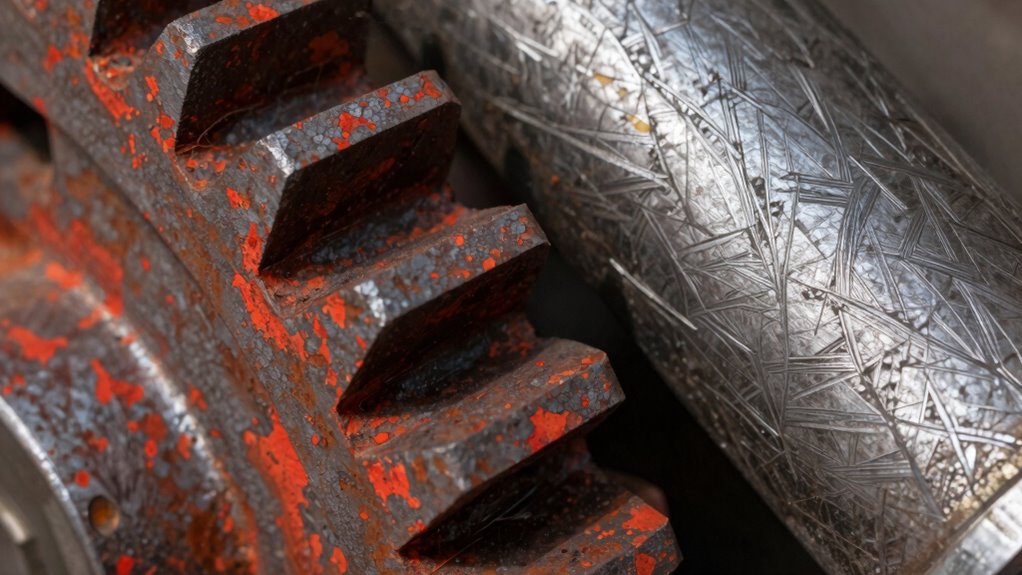
Machinery conditions play a crucial role in speeding up both oxidation and nitration processes. When operating temperatures rise or contaminants like metals and dirt enter the system, these reactions accelerate, damaging your equipment faster. You should watch out for:
Machinery conditions accelerate oxidation and nitration, risking faster equipment deterioration.
- High temperatures, which increase oxidation rates and cause nitration to spike initially
- Metal particles, catalyzing chemical reactions and fueling breakdown
- Contaminants and dirt, promoting radical formation and accelerating degradation
- Poor maintenance, leading to ineffective cooling, increased heat, and faster aging
These factors create a perfect storm that worsens oil deterioration. As your machinery heats up or gets contaminated, oxidation and nitration accelerate, jeopardizing performance and lifespan. Monitoring contaminant levels is essential to prevent rapid deterioration and extend equipment life. Staying vigilant about operating conditions helps slow down these aging paths and protects your equipment.

Edible Oils Analysis: Trends In Infrared Spectroscopy And Other Analytical Methods
As an affiliate, we earn on qualifying purchases.
As an affiliate, we earn on qualifying purchases.
How Can You Detect Oxidation and Nitration in Your Oil?
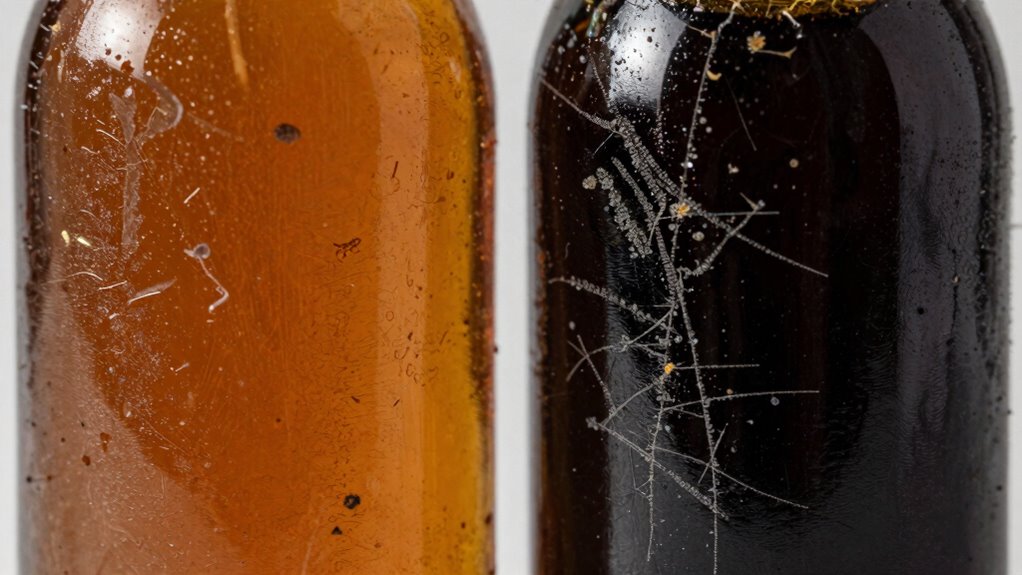
You can detect oxidation and nitration in your oil using spectroscopy techniques, which provide direct measurements of chemical changes. Infrared signature analysis, for example, reveals specific peaks associated with oxidation and nitration compounds. Monitoring these chemical shifts helps you assess oil degradation and plan maintenance before severe damage occurs. Understanding chemical signatures allows for more precise identification of these aging processes and can improve maintenance strategies.
Spectroscopy Techniques Overview
Spectroscopy techniques provide a direct and reliable way to detect oxidation and nitration levels in lubricating oils. They allow you to assess oil health quickly and accurately, preventing costly machinery damage. With these methods, you can:
- Identify specific chemical bonds and compounds that indicate oxidation or nitration
- Track degradation progress over time, enabling proactive maintenance
- Differentiate between oxidation and nitration, tailoring treatment strategies
- Ensure oil quality stays within safe operational limits, avoiding unexpected failures
Infrared (FTIR) spectroscopy is one of the most common tools, revealing characteristic peaks for acids and nitrates. These insights help you determine the extent of oil aging, guiding you to make informed decisions about oil changes and maintenance schedules.
Infrared Signature Identification
Infrared (FTIR) spectroscopy offers a powerful way to identify oxidation and nitration in lubricating oils by analyzing their unique chemical signatures. Oxidation produces characteristic peaks related to carboxylic acids and ketones, typically appearing around 1700 cm⁻¹. Nitration introduces distinct absorbance bands associated with nitro groups, usually near 1540 and 1350 cm⁻¹. By passing infrared light through the oil sample, FTIR detects these specific peaks, enabling you to assess the level of degradation. This method provides rapid, direct insights into chemical changes without destroying the sample. Regular FTIR analysis helps you monitor the progression of oxidation and nitration, allowing timely maintenance decisions. Recognizing these spectral signatures ensures you keep your machinery running efficiently and prevent costly damage caused by oil degradation. Additionally, understanding how oxidation and nitration influence engine performance parts can help you optimize your vehicle’s longevity and efficiency.
Monitoring Chemical Changes
Monitoring chemical changes in lubricating oil is essential for early detection of oxidation and nitration, which can compromise engine performance and cause damage. You need effective methods to identify these processes before they cause severe issues. Infrared (FTIR) spectroscopy is a primary tool, allowing you to directly measure oxidation and nitration levels. Additionally, keep an eye on:
- Viscosity changes, indicating oil breakdown and degradation
- Impedance measurements that reveal chemical alterations in the oil
- Nitrate peaks in infrared spectra, signaling nitration activity
- Color and smell shifts, which can hint at chemical deterioration
What Are the Effects of Oxidation and Nitration on Engine Components?

Oxidation and nitration can considerably damage engine components by generating corrosive acids and depositing harmful compounds within the system. These processes lead to metal corrosion, pitting, and increased wear. Oxidation produces acids like carboxylic acids that attack metal surfaces, while nitration forms nitrous compounds that cause similar deterioration. The combined effect reduces engine efficiency and shortens component lifespan. Here’s a breakdown:
| Effect | Cause | Result |
|---|---|---|
| Metal corrosion | Acid formation from oxidation | Pitting, surface degradation |
| Increased wear | Deposits and acidity | Reduced component lifespan |
| Overheating | Oil breakdown | Engine overheating |
Both processes accelerate engine aging, demanding careful monitoring. Understanding these chemical processes can help in developing better preventive measures to extend engine life.
How Do Temperature and Environment Impact Oil Breakdown?
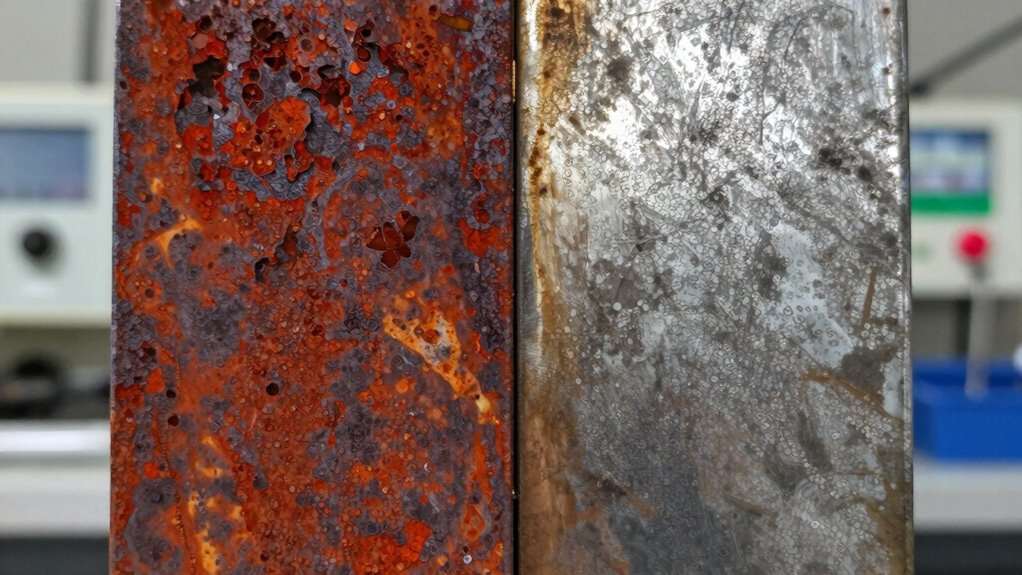
Temperature and environmental conditions play a crucial role in how quickly oil degrades during operation. When temperatures rise, oxidation accelerates, forming acids that corrode parts and weaken the oil’s protective qualities. Conversely, at lower temperatures, nitration can become a problem, especially with inefficient exhaust or leaks. Environmental factors like contaminants, moisture, and metals further hasten breakdown. Additionally, monitoring power quality is essential in detecting and managing these environmental impacts to maintain optimal engine performance. Be aware of these impacts:
- High temperatures feed oxidation, leading to acid buildup and corrosion
- Cooler temps can promote nitration, causing oil thickening and deposit formation
- Contaminants and moisture accelerate both oxidation and nitration
- Metal particles catalyze chemical reactions, quickening oil deterioration
Managing temperature and environment is key to prolonging oil life and protecting your engine’s health.
What Strategies Can Help Prevent or Slow Down Oxidation and Nitration?
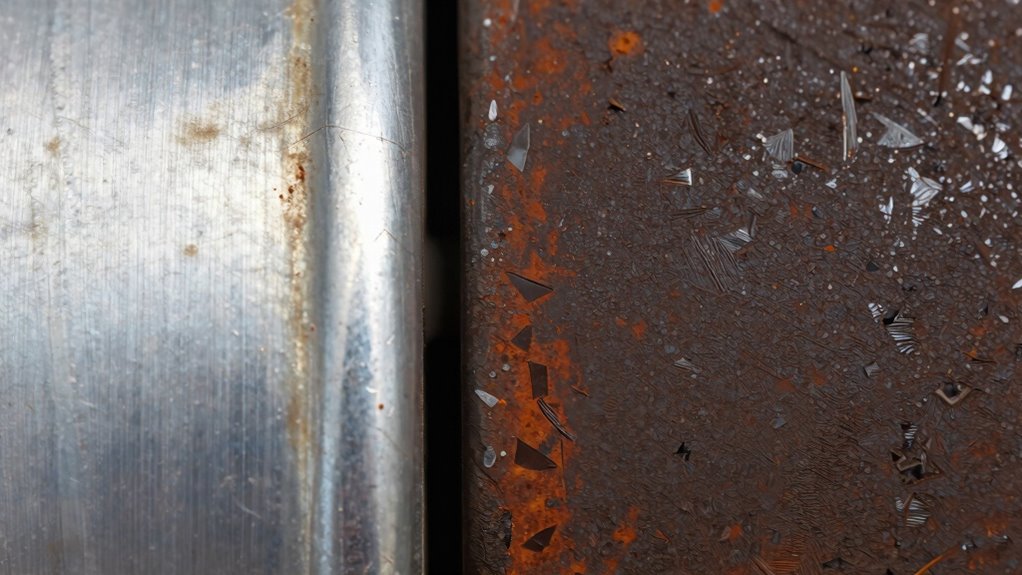
You can slow oxidation and nitration by keeping your oil cool and ensuring proper cooling systems are in place. Using effective antioxidant additives helps protect the oil from radical reactions, extending its lifespan. Regularly maintaining cleanliness and monitoring oil condition also reduces contaminants that accelerate these processes. Additionally, selecting oils formulated with free floating properties can further enhance resistance to these aging pathways.
Enhance Oil Cooling
Effective oil cooling plays a essential role in slowing down oxidation and nitration by maintaining ideal operating temperatures. When you keep temperatures in check, you reduce the rate at which heat-driven reactions occur, preventing rapid oil deterioration. To enhance cooling, consider these strategies:
- Install high-quality oil coolers to dissipate heat efficiently
- Use thermostats to regulate oil temperature consistently
- Improve airflow around the engine with better ventilation and fans
- Regularly clean cooling systems to prevent blockages and debris buildup
- Monitor oil temperature regularly to detect and address overheating before damage occurs
Implementing these measures helps you avoid excessive heat, which accelerates oxidation and nitration. Cooler oil maintains its viscosity and chemical stability longer, protecting your engine and extending oil life. Staying proactive in cooling management is key to defending your machinery from the damaging effects of high temperatures.
Use Effective Antioxidants
Using antioxidants is a proven way to slow down oxidation and nitration in lubricants. They act as sacrificial agents, neutralizing free radicals before damage occurs. To maximize their effectiveness, choose antioxidants suited for your operating temperature and environment. Phenolic antioxidants work well below 93°C, but may deplete quickly, while amine-based antioxidants last longer. Regular oil monitoring and timely oil changes prevent antioxidant depletion. Keep your oil clean, dry, and cool to reduce oxidation and nitration risks. Consider additives that include sulfur, nitrogen, or phosphorus compounds to enhance protection. Incorporating smart lock and office gear can also contribute to overall security and maintenance efficiency, ensuring a safer environment for your equipment.
When Should You Test Your Oil or Consider an Oil Change?
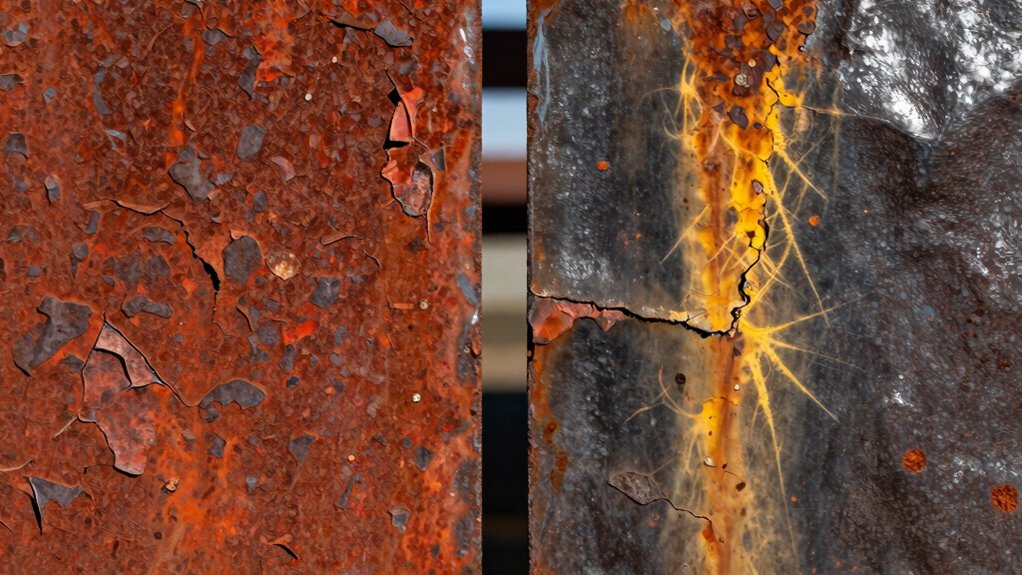
Regular oil testing and timely oil changes are essential to maintaining engine health because both oxidation and nitration degrade lubricant quality over time. You should test your oil when you notice changes in engine performance, unusual smoke, or increased operating temperatures. Consider an oil change if you see:
- Dark, thick, or gritty oil indicating contamination
- Increased viscosity or foaming that hampers lubrication
- Elevated acid levels from oxidation or nitration damaging engine parts
- Extended oil drain intervals without testing, risking severe wear and corrosion
Monitoring oil condition helps prevent costly repairs and engine failure. Regular testing with spectroscopy or viscosity checks provides insight into oil aging. Smart pool automation can even help maintain optimal engine temperature and efficiency in related systems. Don’t wait for warning signs—stay proactive to keep your engine running smoothly and extend its lifespan.
Frequently Asked Questions
Can Additives Selectively Target Oxidation or Nitration Processes?
Yes, additives can selectively target oxidation or nitration. You’ll find antioxidants that specifically combat oxidation by donating electrons to neutralize free radicals, slowing down acid formation and corrosion. Conversely, nitration inhibitors, though less common, can reduce nitrogen oxide reactions with oil, often by controlling combustion byproducts. Using these targeted additives helps extend lubricant life, prevent damage, and maintain ideal engine performance by addressing each aging process effectively.
How Does Metal Contamination Influence Oxidation and Nitration Rates?
Metal contamination accelerates both oxidation and nitration rates by promoting catalytic reactions in your lubricant. Metals like iron and copper act as catalysts, speeding up radical formation during oxidation and facilitating nitrogen oxide reactions during nitration. This process leads to increased acid formation, corrosion, and overall oil degradation. To protect your machinery, keep contaminants minimized, regularly monitor oil condition, and use metal deactivators to reduce catalytic activity and extend oil life.
Are Certain Lubricants More Resistant to Oxidation and Nitration?
Think of some lubricants like knights in shining armor—more resistant to attack. You’ll find that lubricants with high-quality antioxidants and additives, like metal deactivators, better withstand oxidation and nitration. Synthetic oils often offer superior resistance compared to conventional ones. Regular maintenance, keeping oils clean and cool, also helps. Choose lubricants formulated with stabilizers and antioxidants to extend their lifespan and protect your machinery from chemical degradation.
How Does Oil Viscosity Relate to Oxidation and Nitration Severity?
You’ll find that higher oil viscosity can slow down oxidation and nitration because thicker oils create a better barrier against oxygen and nitrogen oxides. However, overly viscous oils may trap contaminants and heat, accelerating degradation. Conversely, low-viscosity oils heat up faster and are more prone to oxidation and nitration. Maintaining ideal viscosity balances flow and protective qualities, helping you reduce the severity of these aging processes and extend oil life.
What Role Do Engine Design Factors Play in Oil Degradation?
Did you know that poor engine design can increase oil degradation by up to 30%? Your engine’s design influences heat distribution, airflow, and sealing efficiency, all of which impact oil lifespan. Inefficient cooling or tight tolerances cause higher temperatures and stress, accelerating oxidation and nitration. By optimizing design, you reduce contaminants and heat buildup, ultimately extending oil life and protecting your engine from costly wear and corrosion.
Conclusion
Now that you understand how oxidation and nitration impact your oil, are you ready to take control of your engine’s health? Regular testing and maintenance can prevent costly damage and keep your machinery running smoothly longer. Don’t wait until it’s too late—are you paying attention to those subtle signs of oil degradation? Stay proactive, monitor your oil, and guarantee your engine’s longevity with simple, effective strategies. Your engine will thank you for it.