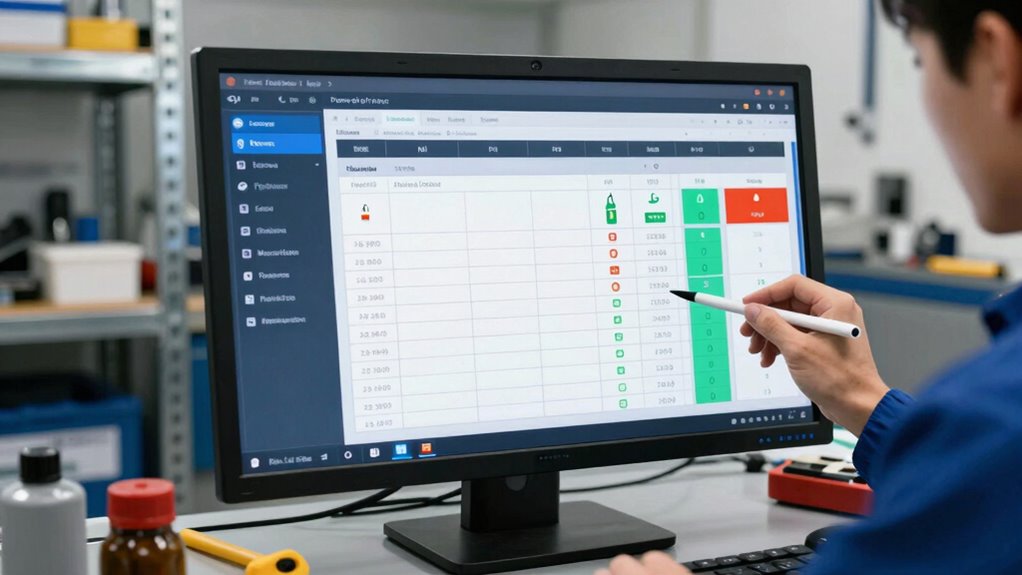
Keen to understand what ‘OEM Approved’ truly means and why it matters for your vehicle? Keep reading to find out.
Browsing Category
Foundations & Methodology
22 posts
The One-Sentence Spec Rule: How to Avoid Overthinking Fluid Choices
I’ve discovered a simple rule that can prevent overthinking your story choices, but the key to unlocking its full potential lies in how you apply it.
The Maintenance Log System That Makes Fluid Decisions Easy Later
Create smarter maintenance decisions easily later with this system—discover how it can transform your equipment management today.
More Additives” Isn’t Always Better: The Additive Package Reality Check
Just because a food has more additives doesn’t mean it’s safer or healthier—discover the hidden risks behind additive packages.
Synthetic vs Mineral: The Unsexy Truth That Actually Matters
Here’s what you need to know about synthetic versus mineral ingredients and why it truly matters for your safety and the environment.
The Compatibility Rulebook: What You Can Mix (and What You Should Never Mix)
Navigating chemical compatibility can be complex; understanding what you can safely mix—and what you should never combine—could prevent dangerous reactions.
Why Two Oils With the Same Grade Can Behave Totally Differently
Just because two oils share the same grade doesn’t mean they perform alike—discover the hidden factors that make all the difference.
Viscosity, Load, Temperature: The Triangle That Predicts Fluid Failure
Many factors influence fluid performance, but understanding the Viscosity Triangle reveals how viscosity, load, and temperature can predict failures, so keep reading.
Approvals vs “Meets Requirements”: The Wording Trap That Costs Engines
Within approvals versus “meets requirements” claims, understanding the true standards can save your engine from costly damage; discover what you’re really risking.
Stop Trusting Labels: How to Read a Lubricant Technical Data Sheet Correctly
Just relying on labels can be misleading; learn how to interpret lubricant technical data sheets correctly to ensure optimal performance and avoid costly mistakes.