
Using improper ultrasonic cleaner settings, like too high power or prolonged cycles, can cause damage to delicate items such as jewelry or plastics. Excessive heat, aggressive frequencies, or harsh chemicals increase the risk of cracks, discoloration, and surface erosion. To avoid this, choose gentle, calibrated settings and monitor the process carefully. If you want to protect your valuables and improve your cleaning results, there’s more you should know to prevent costly damage.

Get garage and car supplies delivered free — and shop member deals
- Fast, free delivery on millions of items
- Access to Prime Big Deal Days deals on October 6–7
- Prime Video, Amazon Music and more included
Key Takeaways
- Excessive ultrasonic intensity or high temperatures can cause scratches, warping, or damage to delicate items.
- Overly aggressive settings or long cycles may weaken jewelry, crack fragile objects, or lead to discoloration.
- Proper calibration, gentle power levels, and monitoring prevent damage during ultrasonic cleaning.
- Using incompatible solutions or improper durations can erode surfaces or cause material deterioration.
- Regular inspection and starting with gentle settings help avoid unintended damage to items and equipment.
As an affiliate, we earn on qualifying purchases.
How Do Ultrasonic Cleaners Work?
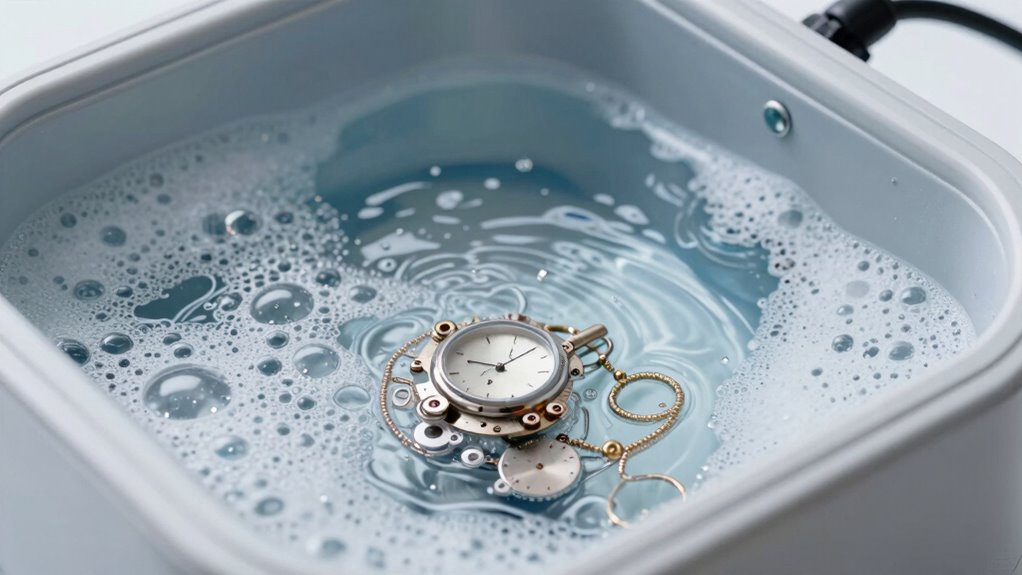
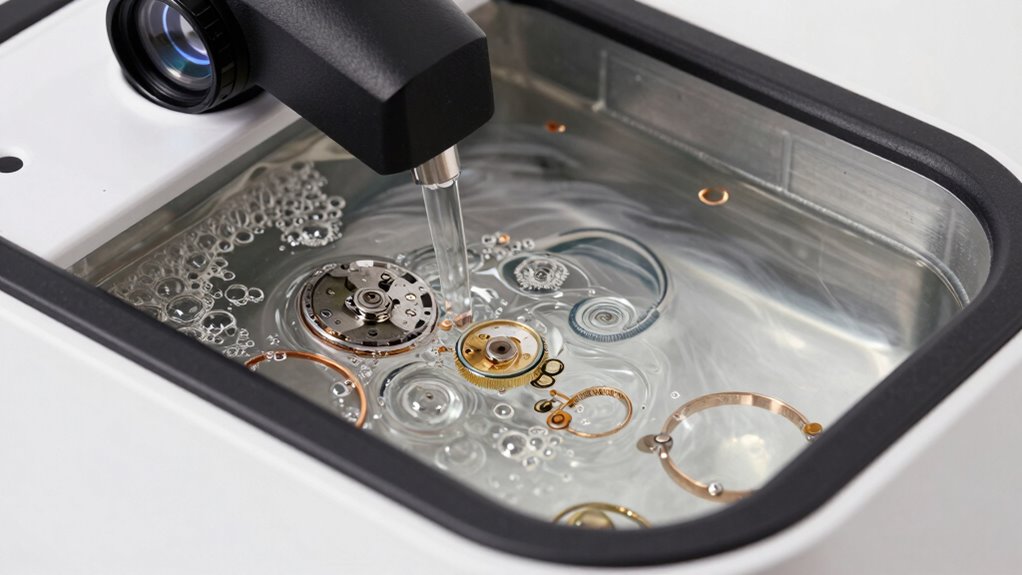
Ultrasonic cleaners work by using high-frequency sound waves to remove dirt and grime from objects. The process relies on ultrasonic wave physics, where vibrations at frequencies typically between 20 and 400 kHz create microscopic cavitation bubbles in the cleaning solution. These bubbles rapidly expand and collapse, generating tiny shockwaves that dislodge dirt from surfaces. The effectiveness of this process depends heavily on cleaning solution chemistry; the right cleaning agents enhance the cavitation process, break down oils, and loosen debris. As the ultrasonic waves propagate through the liquid, they create localized pressure changes that accelerate dirt removal without damaging delicate items. This combination of sound wave physics and chemical action makes ultrasonic cleaning highly efficient for detailed, thorough results. Cavitation physics explains how microscopic bubble dynamics contribute to effective cleaning, and understanding chemistry of cleaning solutions can further optimize the process. Additionally, the materials being cleaned must be compatible with ultrasonic waves to prevent damage and ensure optimal results, especially considering the delicacy of certain objects that might be sensitive to ultrasonic vibrations. Proper control of ultrasonic frequency is also crucial to prevent potential damage and maximize cleaning efficiency.
delicate items ultrasonic cleaner
As an affiliate, we earn on qualifying purchases.
As an affiliate, we earn on qualifying purchases.
What Are the Benefits of Ultrasonic Cleaning?
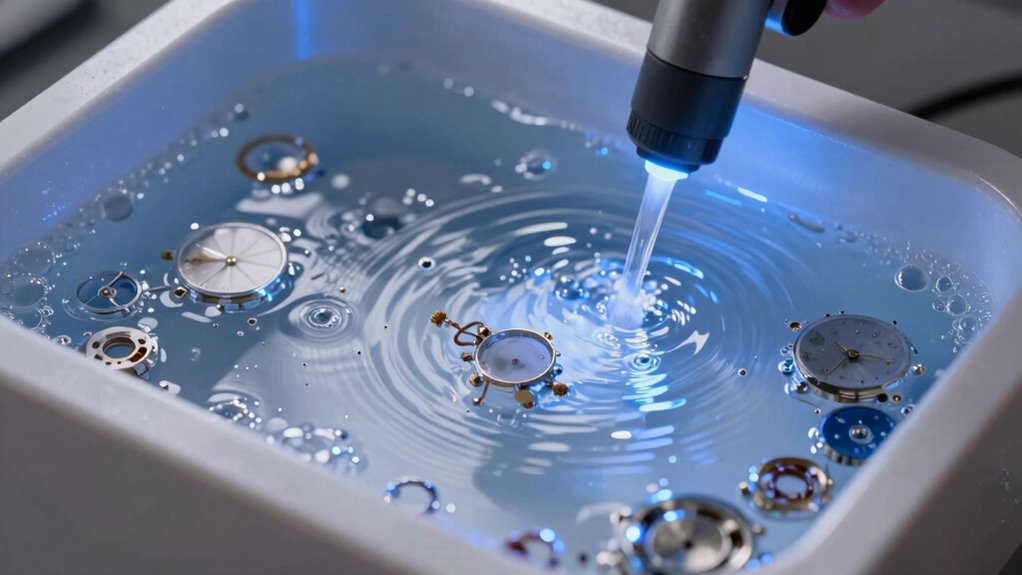
Ultrasonic cleaning offers deep cleaning power that removes dirt and grime even from hard-to-reach areas. It saves you time and effort by quickly cleaning multiple items at once, without manual scrubbing. This makes it an efficient choice for maintaining cleanliness with minimal hassle. Additionally, ultrasonic cleaners can be used for home theater projector maintenance, helping to keep lenses and internal components free of dust and debris for optimal performance.
Deep Cleaning Capabilities
Because of their ability to reach into tiny crevices and remove stubborn dirt, ultrasonic cleaners deliver superior deep cleaning results. They do this through high-frequency ultrasonic waves that create cavitation effects in the cleaning solution. These cavitation bubbles rapidly form and collapse, dislodging dirt, grease, and grime from surfaces and hard-to-reach areas. By adjusting the ultrasonic frequency, you can target specific contaminants and optimize cleaning effectiveness. This process ensures thorough removal of debris from intricate parts, jewelry, or delicate instruments without manual scrubbing. The cavitation effects penetrate even the smallest crevices, leaving items impeccably clean and free of residues. This deep cleaning capability makes ultrasonic cleaners a powerful tool for achieving spotless results in a fraction of the time traditional methods require. Additionally, understanding the importance of gear care can help prolong the lifespan of your cycling equipment and maintain optimal performance. Proper maintenance of ultrasonic equipment further enhances their efficiency and longevity, ensuring consistent cleaning results over time. Incorporating ultrasonic cleaning into your maintenance routine can significantly improve the care and performance of your valuable tools and parts, especially for delicate components that require careful handling.
Time and Effort Savings
Thanks to their efficient cleaning process, ultrasonic cleaners save you significant time and effort compared to manual scrubbing or traditional methods. You don’t need to spend hours on cleaning tasks; instead, the ultrasonic waves quickly reach every crevice, making cleaning more consistent and thorough. Adjusting the cleaning frequency ensures ideal results without overexposing delicate items, helping prevent damage. Additionally, ultrasonic cleaning reduces the need for strenuous effort, minimizing fatigue and physical strain. Regular use also benefits equipment maintenance, as it keeps tools and components free of residues that could cause corrosion or wear over time. Incorporating sound wave technology techniques can help monitor and optimize ultrasonic cleaning processes for better efficiency. Proper DIY safety tips when using ultrasonic cleaners help ensure safe operation and prevent accidents. Incorporating preventive maintenance through regular ultrasonic cleaning can extend the lifespan of your equipment. Overall, ultrasonic cleaners streamline your cleaning routine, saving you time and effort while promoting better maintenance and longevity of your equipment.
ultrasonic cleaner for glasses and lenses
As an affiliate, we earn on qualifying purchases.
As an affiliate, we earn on qualifying purchases.
What Common Settings Can Damage Your Items?
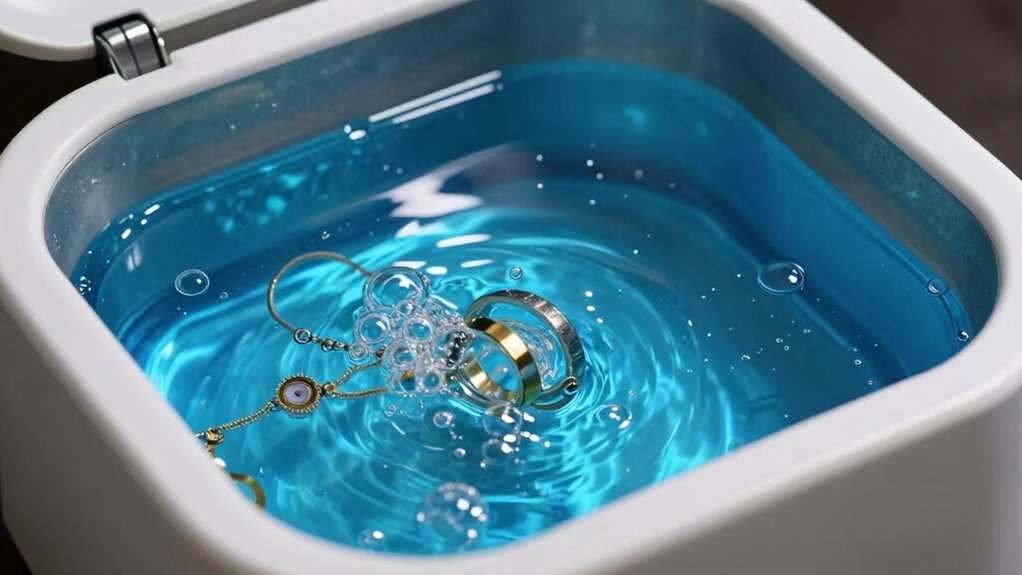
Using the wrong settings on your ultrasonic cleaner can easily damage your items. If the ultrasonic waves are too intense, abrasive particles can become aggressive, scratching or dulling delicate surfaces. High temperatures can also cause harm by warping plastics, loosening adhesives, or damaging sensitive materials. For example, excessive heat can cause material deformation and compromise the integrity of your items. For delicate jewelry, excessively high temperatures or prolonged cleaning cycles can weaken settings or cause discoloration. Similarly, fragile items like antique glassware or certain electronics are vulnerable to extreme settings, leading to cracks or functional issues. Always avoid setting the cleaner too hot or using overly aggressive cycles, as these can turn a cleaning process into a destructive one. Opt for gentle, lower-temperature settings tailored to the specific item to prevent damage. Proper calibration of your ultrasonic device ensures safe and effective cleaning and helps prevent inadvertent damage.
professional ultrasonic cleaning machine
As an affiliate, we earn on qualifying purchases.
As an affiliate, we earn on qualifying purchases.
How to Choose the Right Ultrasonic Cleaner Settings Safely
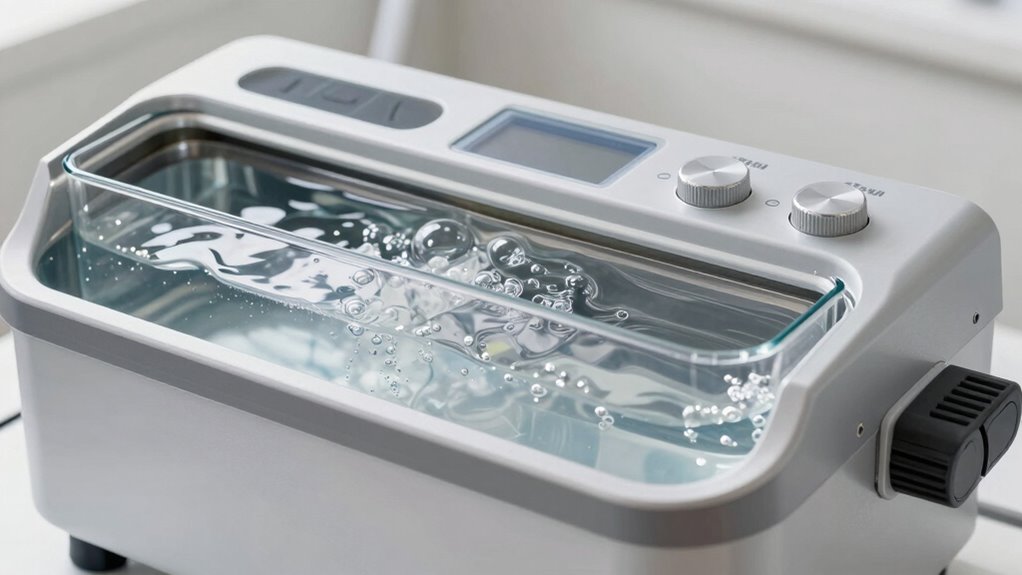
Start by reading your manufacturer’s guidelines to guarantee you’re using the correct settings for your items. Adjust the frequency carefully to prevent damage, and always monitor the cleaning cycle to catch any issues early. Staying attentive and informed helps you clean safely and effectively.
Understand Manufacturer Guidelines
Understanding manufacturer guidelines is essential for selecting the correct ultrasonic cleaner settings safely. Manufacturer instructions provide specific advice on material compatibility, ensuring you don’t damage delicate items or use harsh chemicals that could harm the device. Always review these guidelines before starting a cleaning cycle. They clarify which materials are suitable for ultrasonic cleaning and specify appropriate settings such as temperature, duration, and frequency. Ignoring these instructions can lead to equipment damage or compromised items. Take the time to read and follow the manufacturer’s recommendations carefully. Proper device maintenance relies heavily on adhering to these guidelines to extend the lifespan of your ultrasonic cleaner. Being aware of cryptid mysteries and their folklore origins can also influence how you interpret unusual findings during inspections or maintenance routines. When in doubt, contact the manufacturer for clarification or consult their detailed instructions to ensure you’re setting your ultrasonic cleaner correctly and safely. Material compatibility is a key factor in preventing damage during ultrasonic cleaning, especially considering appliance maintenance plans that emphasize proper care. Additionally, understanding the electric power capabilities of your equipment can help you select optimal settings for effective cleaning without risking damage.
Adjust Frequency Carefully
Choosing the right ultrasonic frequency is essential for effective cleaning without damaging your items. When adjusting the frequency, focus on the power settings to match your needs. Imagine these steps:
- Start low, visualizing gentle waves softly vibrating delicate jewelry.
- Increase gradually, like turning up a dial to find the most suitable intensity for stubborn grime.
- Fine-tune to a higher setting if necessary, ensuring the vibrations are strong enough but not destructive. To prevent potential damage, always monitor the process and avoid excessive ultrasonic power that could harm sensitive objects. Additionally, understanding the ultrasonic frequency helps you select the safest and most effective setting for various materials. Being aware of how AI discoveries can influence technology, such as ultrasonic cleaner development, can also inform your choices for optimal performance. Moreover, familiarizing yourself with material sensitivity ensures you choose settings that won’t compromise your items’ integrity.
Monitor During Cycles
Monitoring your ultrasonic cleaner during each cycle helps prevent damage and guarantees effective results. Keep an eye on the monitor display to track the process and ensure everything runs smoothly. Most units show real-time information, including cycle duration and status updates, so you can spot issues early. If the cycle runs longer than recommended or if the display indicates an error, stop the machine to avoid damaging your items or the cleaner itself. Adjust the cycle duration based on the material and level of dirt, but always stay attentive to the monitor for signs of overexposure. Regularly monitoring during cycles ensures you use the correct settings, optimize cleaning, and protect your items from potential harm. Incorporating Free Floating concepts can further enhance your understanding of proper ultrasonic cleaning techniques.
How to Recognize Damage After Ultrasonic Cleaning
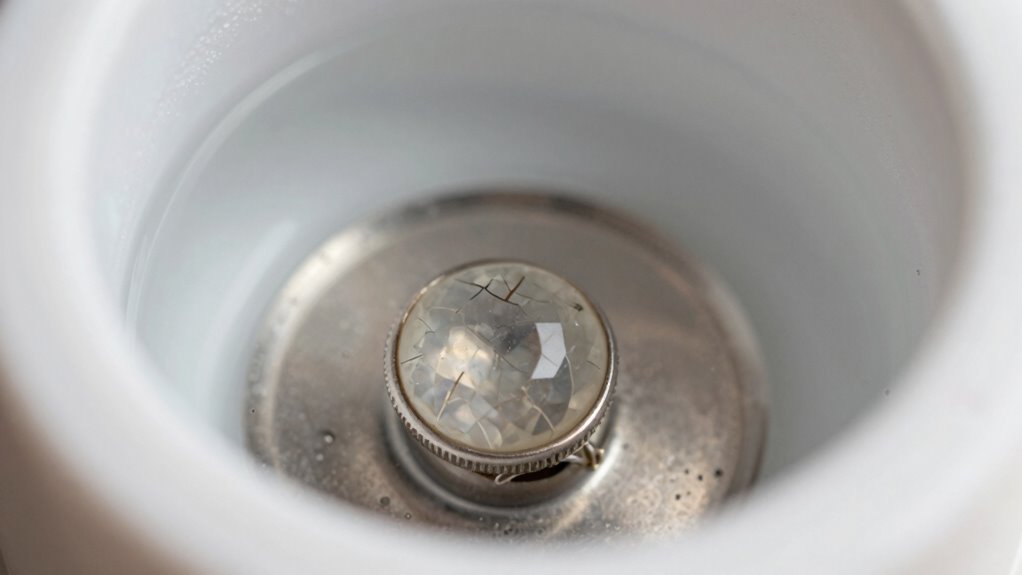
How can you tell if ultrasonic cleaning has caused damage to your items? First, check for material sensitivity—some materials may crack, warp, or become brittle after exposure. Next, examine the surface closely for discoloration or dullness, which can indicate surface discoloration due to harsh cleaning conditions. Finally, look for any visible cracks, scratches, or pitting that weren’t there before. These signs often result from overly aggressive ultrasonic waves or improper settings. Be especially vigilant if your items are delicate or sensitive. Recognizing these damage signs early helps prevent further harm and ensures you adjust your cleaning process accordingly. Regular inspection after each cycle is key to maintaining your items’ integrity and longevity.
Tips to Prevent Damage When Using Ultrasonic Cleaners
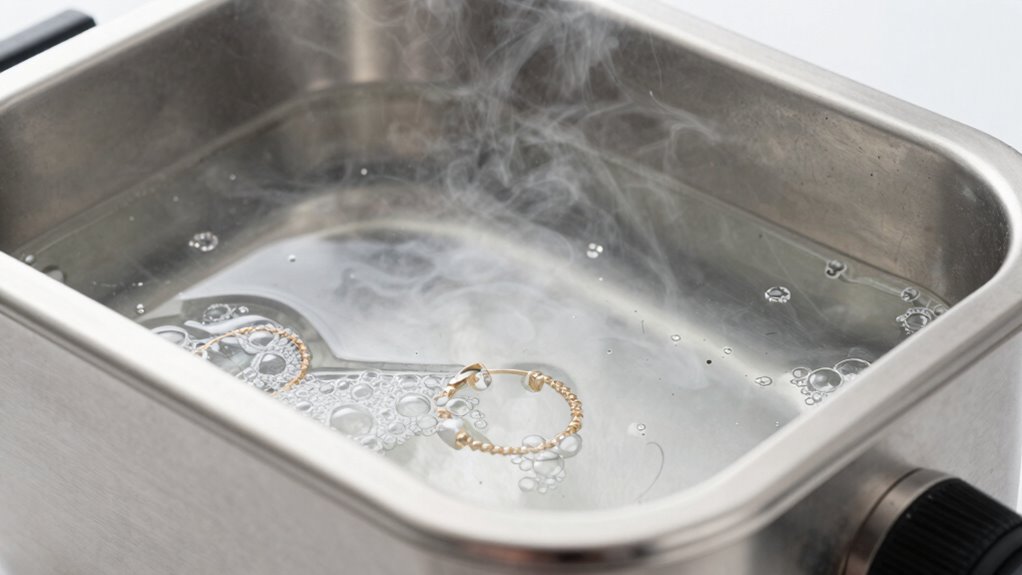
To prevent damage when using ultrasonic cleaners, choosing the right cleaning settings and process for your items is essential. First, don’t fall for cleaning myths that suggest using the highest power or longest duration always yields the best results; this can harm delicate objects. Instead, start with gentle settings and increase gradually if needed. Proper equipment maintenance also plays a critical role—regularly check and clean the tank, transducers, and filters to guarantee ideal performance and avoid uneven cleaning that could cause damage. Always select appropriate cleaning solutions compatible with your items, and avoid excessive agitation. By applying correct settings and maintaining your equipment, you reduce the risk of damage and extend the lifespan of both your ultrasonic cleaner and your belongings.
How Cleaning Solutions and Duration Affect Safety and Results
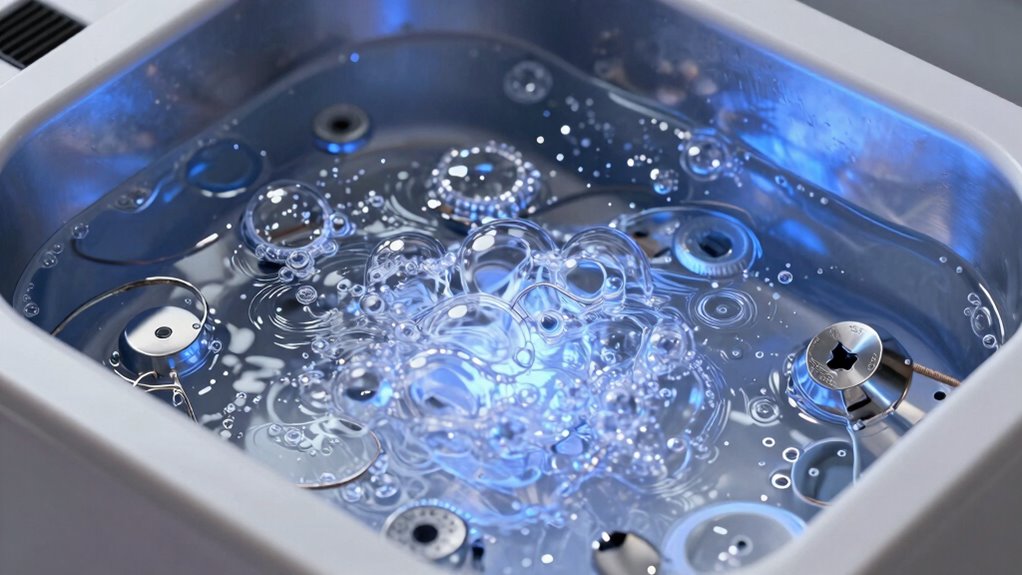
Choosing the right cleaning solutions and duration is essential for guaranteeing safety and achieving ideal results with your ultrasonic cleaner. Using appropriate cleaning solutions prevents damage and assures thorough cleaning. Keep in mind the duration effects, as overexposure can harm delicate items. Imagine these scenarios:
- A gentle solution bubbles softly around jewelry, cleaned in a short cycle, protecting delicate gemstones.
- A strong degreaser works through grime on tools, requiring a longer duration for deep cleaning.
- Overextended cycles cause surfaces to erode or plastics to warp, risking damage.
Balancing cleaning solutions with the correct duration helps you avoid harm and optimize results. Always follow manufacturer recommendations to prevent safety issues and ensure your items come out spotless without damage.
What to Do If Your Items Are Damaged During Ultrasonic Cleaning
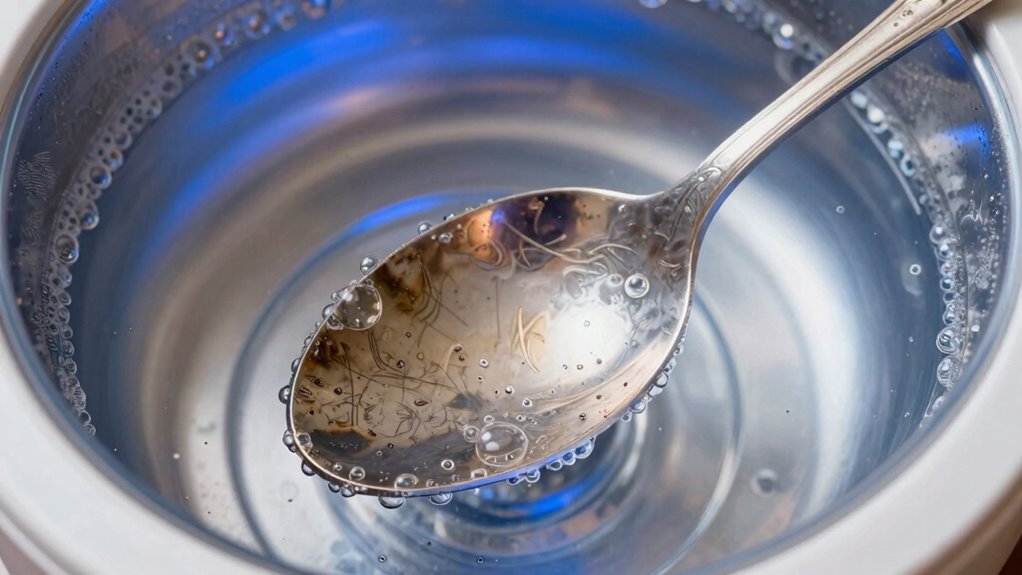
If you notice damage to your items after ultrasonic cleaning, it’s important to act quickly and carefully. First, assess whether material sensitivity played a role—some materials are more prone to damage, so identify if the item is delicate or incompatible with ultrasonic waves. Stop using the cleaner immediately to prevent further harm. Check your equipment maintenance; ensure the ultrasonic device is functioning correctly and that the cleaning solution is appropriate for your items. Carefully inspect the damage to determine if it can be repaired or requires professional attention. To prevent future issues, adjust settings, choose gentler cleaning cycles, and verify compatibility with your materials. Proper equipment maintenance and understanding material sensitivity are key to avoiding damage during ultrasonic cleaning.
Frequently Asked Questions
Can Ultrasonic Cleaners Be Used on All Types of Jewelry?
You can’t use ultrasonic cleaners on all types of jewelry because of jewelry compatibility issues and cleaning limitations. Delicate pieces like pearls, opals, and certain gemstones can be harmed by ultrasonic waves. Always check if your jewelry is suitable for ultrasonic cleaning, and when in doubt, opt for gentle hand cleaning instead. This helps prevent potential damage and ensures your jewelry stays beautiful and intact.
Are There Specific Materials That Should Never Be Cleaned Ultrasonically?
You should steer clear of ultrasonic cleaning for delicate gemstones and porous materials, as these are like fragile glass that can shatter or absorb damaging residues. The intense vibrations can fracture delicate stones or cause porous items to trap debris, turning a cleaning solution into a potential nightmare. Always check material compatibility before diving in, and when in doubt, opt for gentle hand cleaning to keep your jewelry safe and sparkling.
How Often Should I Calibrate My Ultrasonic Cleaner for Optimal Performance?
You should calibrate your ultrasonic cleaner at least once every three to six months for peak performance maintenance. Regular calibration ensures the device operates at the correct frequency and power levels, preventing damage to delicate items and ensuring effective cleaning. If you notice inconsistent results or after repairs, consider recalibrating sooner. Consistent calibration helps maintain the cleaner’s efficiency and extends its lifespan, keeping your cleaning process reliable.
What Are the Signs That Ultrasonic Cleaning Is Ineffective?
If ultrasonic cleaning isn’t effective, you’ll notice residue buildup on items or a persistent odor after cleaning. These signs indicate the ultrasonic waves aren’t reaching all areas or the cleaning solution isn’t functioning properly. You might also see some parts still dirty or a lack of foam/movement during operation. Check your device’s settings, ensure proper loading, and replace the cleaning solution regularly to improve results.
Is It Safe to Leave Items in the Ultrasonic Cleaner Overnight?
It’s not safe to leave items in the ultrasonic cleaner overnight due to safety concerns and recommended cleaning durations. Prolonged exposure can damage delicate items, cause the cleaning solution to break down, or lead to overheating. Always follow the manufacturer’s guidelines for cleaning duration, usually a few minutes, to prevent damage and guarantee safe operation. Removing items promptly after cleaning preserves their integrity and avoids potential hazards.
Conclusion
Think of ultrasonic cleaners as gentle guardians of your treasures, their settings like a delicate dance. When you follow the right steps, they protect your items like a shield of light. But push too hard or set them too high, and you risk dimming that shine. By understanding their rhythm, you guarantee your valuables remain radiant, not just cleaned, but preserved—illuminated symbols of care that shine brighter with your mindful touch.
Halloween Picks
halloween
As an affiliate, we earn on qualifying purchases.