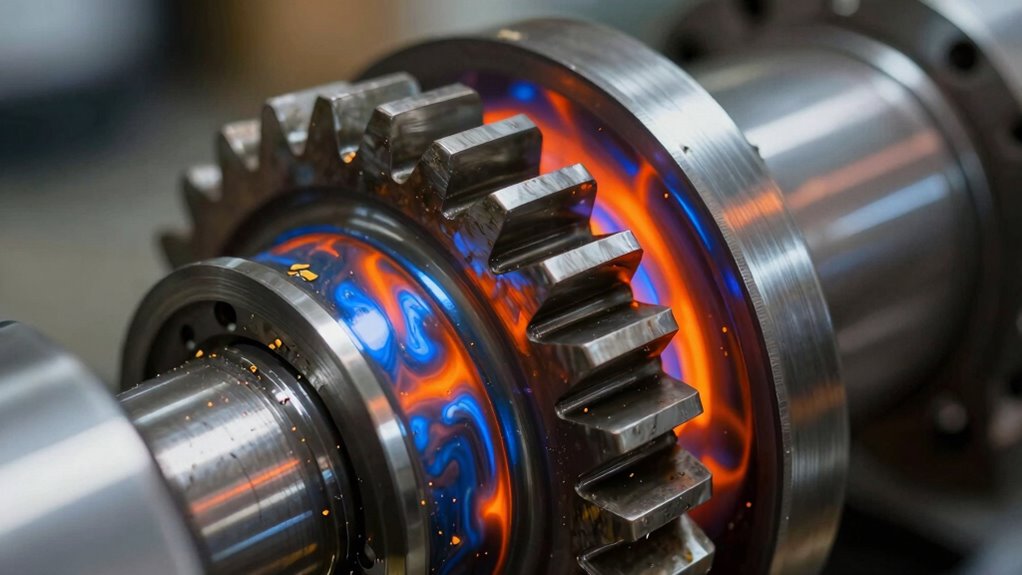

When breaking in new gears, you’ll notice a slight heat increase and some fine metal debris, which are normal signs of proper mating. Keep an eye on heat patterns—excessive spikes may signal issues—while some debris indicates normal wear-in. Good lubrication helps manage heat and debris, ensuring smooth operation. Consistent heat and debris levels over time show proper seating; if you’re curious about spotting problems and optimizing your process, there’s more to learn ahead.
Key Takeaways
- Expect a slight, manageable temperature increase during initial operation; excessive heat indicates potential issues.
- Normal debris includes small metal shavings that stabilize as gears break in properly.
- Heat and debris patterns should gradually decrease and stabilize over the break-in period.
- Proper lubrication reduces heat buildup and minimizes debris formation during initial use.
- Material choice influences heat dissipation and debris; steel gears typically produce less debris and heat.
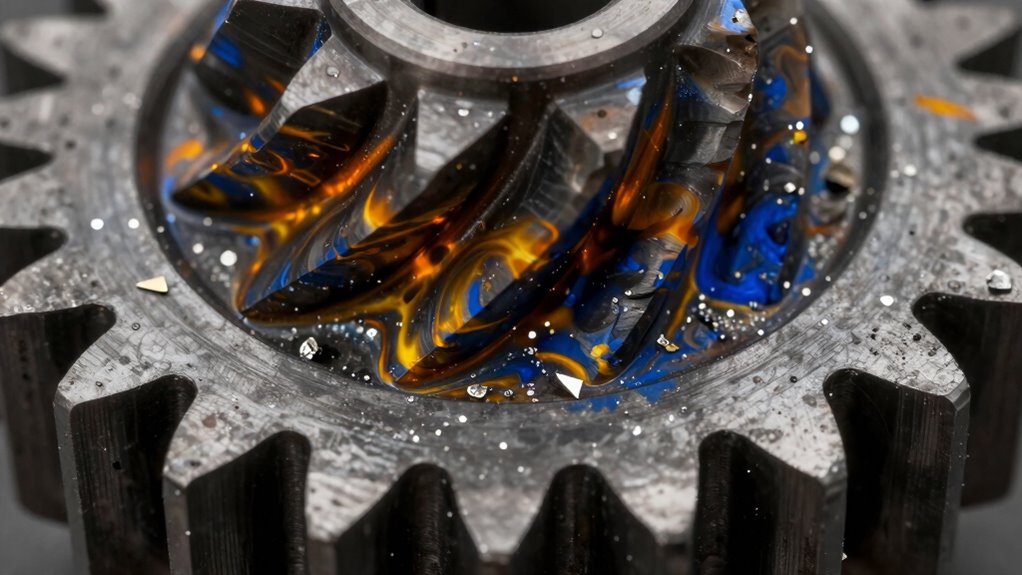
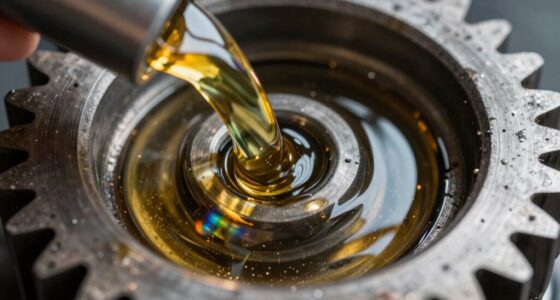
Have you ever wondered why proper break-in procedures are essential for new gears? When you install fresh gears, you’re setting the foundation for their performance and longevity. Skipping or rushing the process can lead to premature wear, failure, or noise issues down the line. One of the critical aspects of a proper break-in is understanding how heat and debris patterns develop during initial operation. These patterns reveal a lot about how well your gears are mating and whether your lubrication techniques and gear material selection are effective. Monitoring these patterns carefully can help identify potential issues early on. Initially, as you start running the new gears, you’ll notice a slight increase in temperature. This heat is normal, but it’s important to monitor it carefully. Proper lubrication techniques during break-in are crucial because they help reduce friction and prevent metal-to-metal contact that can cause excessive heat buildup. Using the right lubricant, with adequate film strength and appropriate viscosity, ensures that the gear surfaces are protected as they wear in. Many gear manufacturers recommend a specific break-in lubricant or a particular application method to maximize protection. Applying the lubricant correctly—whether through pre-lubrication, continuous flow, or periodic reapplication—ensures that the gears remain well-lubricated during their initial run, minimizing debris formation and uneven wear.
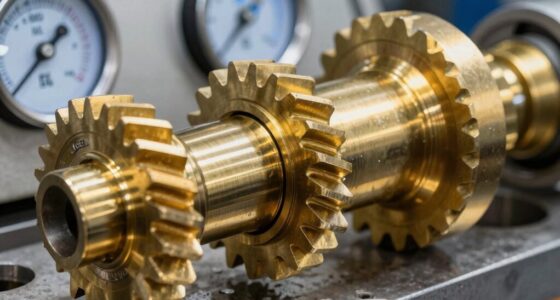
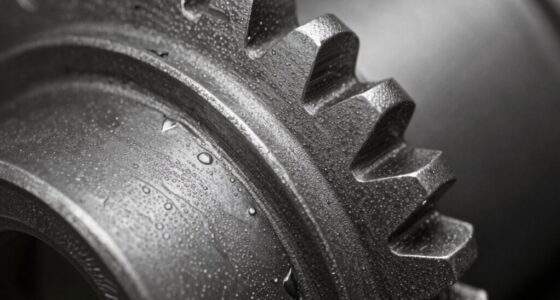
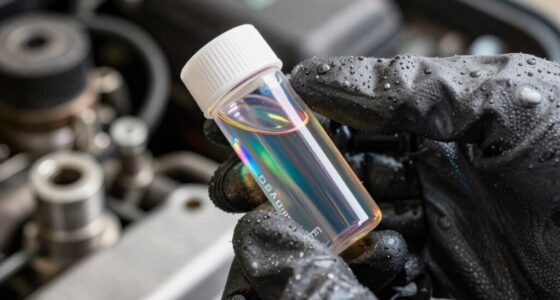
Gear material selection also plays a significant role in how heat and debris patterns emerge. Different materials conduct heat differently and have varying wear characteristics. For example, steel gears tend to withstand higher loads and generate less debris when paired with appropriate lubricants. In contrast, softer materials or composites might produce more debris initially but can offer other benefits like reduced noise or weight. During break-in, you’ll observe debris—tiny metal shavings or particles—being expelled from the contact zones. This debris is a normal part of the process, indicating that the gear surfaces are wearing in properly. However, if debris appears excessive or if heat spikes, it might signal issues with gear material compatibility or lubrication. Recognizing the typical heat and debris patterns can help differentiate between normal wear and potential problems. The heat and debris patterns you observe should follow a predictable pattern: a gradual stabilization of temperature and a decrease in debris size and amount as the gears wear in. Proper lubrication techniques help manage these patterns by maintaining a consistent film of lubricant, reducing metal contact, and flushing out debris effectively. Selecting the right gear material for your application ensures that these patterns remain within acceptable limits, promoting smoother operation and longer gear life. Paying close attention to these signs during the break-in process allows you to make adjustments early, such as reapplying lubricant or inspecting gear alignment, ensuring your new gears operate efficiently for years to come.

Triax Synergy Gear Max 75W-90 GL-5 Limited Slip, Ultra Long Drain 500k Miles, Manual Transmission, Gear/Differential Lubricant (1 Quart)
EXTREME DRAIN INTERVALS: PAO and Esters formulation lasts up to 500,000 miles for heavy-duty trucks and passenger cars,…
As an affiliate, we earn on qualifying purchases.
As an affiliate, we earn on qualifying purchases.
Frequently Asked Questions
How Long Does the Break-In Process Typically Take?
The break-in process usually takes about 500 to 1,000 miles, depending on your gear type. During this time, you’ll notice gear wear and oil degradation as the gears settle. It’s important to avoid heavy loads or aggressive driving early on, so the new gears can properly mesh and seat. Regularly check your oil and gear condition to guarantee peak performance and longevity during this vital period.
Can I Drive Aggressively During Gear Break-In?
Think of gear break-in like tending a delicate garden; aggressive driving is like trampling new plants. During this period, your driving style should be gentle to guarantee gear longevity. Pushing hard can generate excess heat and debris, which hampers proper seating. Stick to smooth, moderate driving, and you’ll help your gears settle in properly, preventing premature wear and ensuring they perform reliably for miles to come.
What Are Signs of Improper Gear Break-In?
If you notice unusual gear wear, persistent grinding, or excessive heat, it’s a sign of improper gear break-in. Lubrication failure can also cause these issues, leading to increased friction and damage. You might hear abnormal noises or experience slipping. Address these symptoms promptly to prevent serious damage. Regular inspection and proper lubrication during break-in are vital to guarantee smooth gear performance and avoid costly repairs later.
Do Different Gear Materials Require Different Break-In Procedures?
While gear material compatibility matters, different materials do often require tailored break-in procedures. For example, softer metals like brass need gentler break-in lubrication to prevent damage, whereas hardened steel gears might handle more aggressive initial runs. You should always follow manufacturer recommendations, adjusting your break-in lubrication and procedures based on the gear material. This guarantees proper seating, minimizes heat buildup, and reduces debris formation, ultimately extending gear life.
Is Special Lubrication Needed During the Break-In Period?
Yes, you need special lubrication during the break-in period. Use gear oil that contains the right lubrication additives to reduce friction and prevent wear. Avoid generic lubricants, and opt for gear oil formulated for new gears. Proper lubrication helps manage heat and debris, ensuring smooth operation and longer gear life. Regularly check and top off the gear oil as needed, especially during the initial break-in phase.

DEVMO Pinion Gear Puller Universal Metal Motor Pinion Gear Puller Remover Gear Puller for RC Car Motor
The gear puller adopts quality aluminium alloy material, which is safe, reliable, durable and service for a long…
As an affiliate, we earn on qualifying purchases.
As an affiliate, we earn on qualifying purchases.
Conclusion
As you break in your new gears, remember that proper heat and debris management are key to longevity. Did you know that improper break-in can reduce gear lifespan by up to 50%? Staying attentive to heat buildup and debris patterns guarantees your gears perform at their best longer. So, take the time to follow the right procedures; your investment will thank you with smoother operation and increased durability.

Lucas Oil 10043 SAE 80W-90 Heavy Duty Gear Oil – 1 Quart
Contains extraordinary anti-wear and lubricity agents, ensuring exceptional protection against wear and reducing drag
As an affiliate, we earn on qualifying purchases.
As an affiliate, we earn on qualifying purchases.
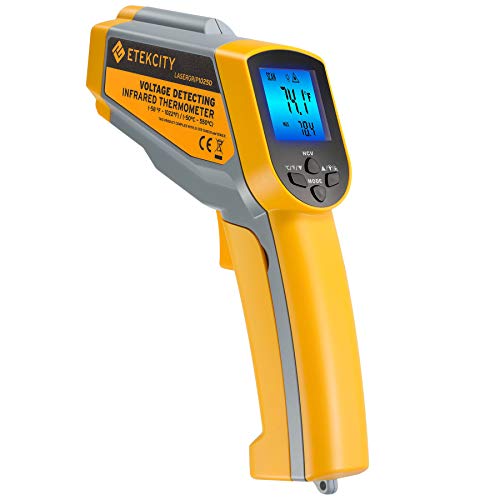
Etekcity Infrared Thermometer 1025D (Not for Human) Dual Laser Temperature Gun-58℉~1022℉ (-50℃~550℃) with Adjustable Emissivity, Non-Contact Voltage Tester (NCV), Standard Size, Yellow & Gray
NOT FOR HUMAN: Temperature readings from this device are inanimate objects. The measured temperature for humans or animals…
As an affiliate, we earn on qualifying purchases.
As an affiliate, we earn on qualifying purchases.