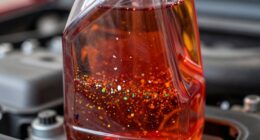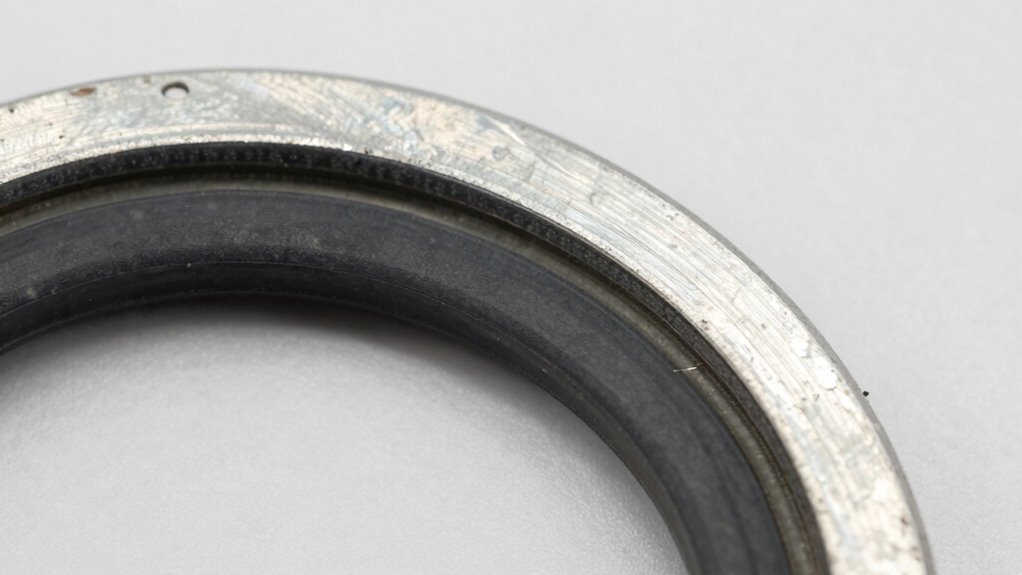

Seal compatibility plays a vital role in preventing leaks and ensuring equipment lasts. Using the wrong material or incompatible additives can cause seals to swell, crack, or degrade quickly, leading to failures and system contamination. Factors like chemical resistance, temperature tolerance, and physical properties must align with your application. Choosing mismatched seals risks costly repairs. To get a clear understanding of how these small differences can trigger big issues, keep exploring the details that matter.
Key Takeaways
- Additives in fluids can alter seal material properties, causing swelling, softening, or degradation that triggers leaks.
- Incompatible additives may chemically react with seal materials, compromising their integrity and leading to failure.
- Some additives can reduce seal elasticity or cause hardening, decreasing sealing effectiveness and increasing leakage risk.
- Proper compatibility testing of additives with seal materials prevents chemical reactions that could induce leaks.
- Failing to consider additive effects can result in early seal deterioration and system contamination.
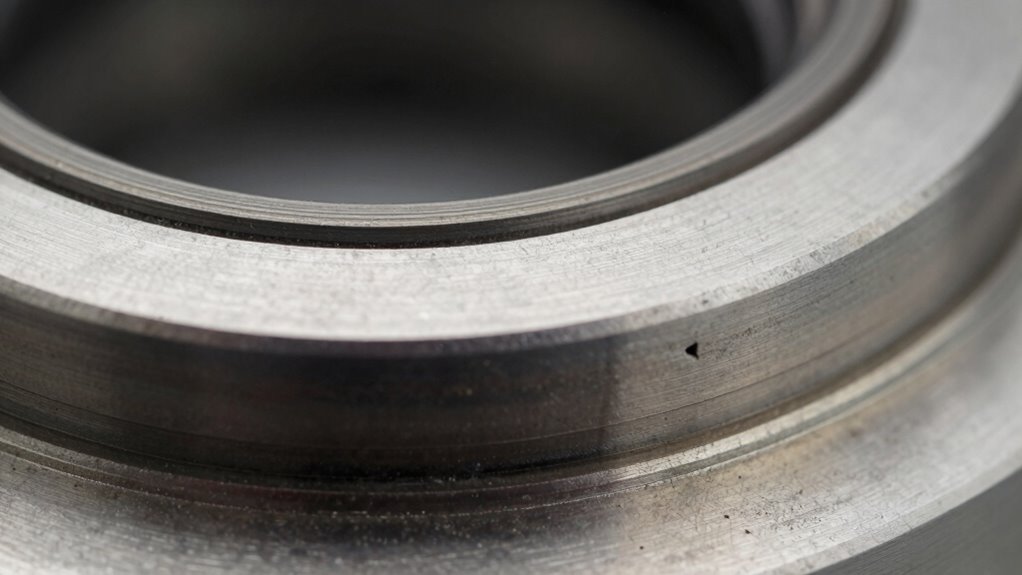
Understanding seal compatibility is vital when selecting seals for your equipment, as the right match ensures peak performance and longevity. When it comes to choosing the correct seal, especially O rings, considering the materials used is essential. O ring materials determine how well the seal withstands various environments, including exposure to chemicals, temperature fluctuations, and physical stresses. If you select an O ring made from a material incompatible with your application’s chemical environment, it can lead to degradation, swelling, or cracking, which ultimately causes leaks.
Chemical resistance is one of the most significant factors in O ring material selection. Different materials offer varying levels of resistance to specific chemicals, so you need to match the material to the chemicals it will encounter. For instance, rubber compounds like nitrile (Buna-N) excel in resisting oils and hydrocarbons but may falter against solvents or aggressive chemicals. On the other hand, materials like Viton or FKM provide superior chemical resistance, especially against aggressive chemicals, oils, and high temperatures. Selecting a seal made from a material that isn’t resistant enough can lead to early failure, leaks, or contamination, which compromises your equipment’s performance.
Choosing the right O ring material is crucial for chemical resistance and equipment durability.
Beyond chemical resistance, consider the physical properties of the O ring materials, such as elasticity, compression set, and temperature tolerance. These properties influence how well the seal maintains its shape and sealing capability over time. For example, if you’re working in a high-temperature environment, a material with poor heat resistance will soften or degrade, risking leaks. Conversely, in a cold environment, a material that becomes too rigid can cause sealing failures. Additionally, understanding material compatibility helps prevent unintended chemical reactions that could degrade the seal or system components over time.

XBVV 382 PCS 30 Size SAE FKM Viton O-Ring Kit for Various Chemical, Aerospace, Cylinder, Hydraulic, Automotive Engines and Plumbing O-Ring Repair with 4-Piece Pick Set and Resist Oil and Heat
MULTIPLE SAE SIZES: XBVV 382 Pcs Viton O-Ring Kit contains 30 sizes of Fractional ID: 1/8", 5/32", 3/16",…
As an affiliate, we earn on qualifying purchases.
As an affiliate, we earn on qualifying purchases.
Frequently Asked Questions
How Do Temperature Fluctuations Affect Seal Compatibility?
Temperature fluctuations impact seal compatibility by causing thermal expansion and contraction. When temperatures rise or fall, the seal material experiences stress, which can lead to deformation or cracking. This material stress reduces the seal’s effectiveness, increasing the risk of leaks. To prevent issues, choose seals with compatible thermal properties and consider allowances for expansion and contraction, ensuring reliable performance across temperature variations.
Can Incompatible Seals Cause Long-Term Equipment Damage?
Incompatible seals are like mismatched puzzle pieces, causing long-term equipment damage. If the seal material isn’t suited for your application’s chemical resistance, it can break down over time, leading to leaks, corrosion, and wear. This deterioration compromises equipment integrity, resulting in costly repairs or replacements. Always guarantee your seal’s material matches your environment to prevent long-term damage and keep your system running smoothly.
What Are Signs of Seal Failure Due to Compatibility Issues?
You’ll notice seal failure signs like leaks, swelling, or hardening, often caused by incompatible seal materials. Chemical interaction between the seal and fluid can weaken the seal, leading to cracks or loss of elasticity. If you observe these issues, it’s likely due to material mismatch, and addressing compatibility beforehand can prevent costly damage. Always verify your seal material matches the chemical properties of the fluids it encounters.
Are There Specific Industries More Prone to Seal Compatibility Problems?
You should know that about 65% of seal failures happen in chemical processing industries because they rely heavily on industry specific seals with high chemical resistance. These industries face more compatibility issues since they use aggressive chemicals that can degrade seals if materials aren’t matched properly. So, if you work in pharma, petrochemical, or wastewater treatment, make certain your seals are compatible with the chemicals to prevent leaks and costly downtime.
How Often Should Seal Compatibility Be Reviewed in Maintenance?
You should review seal compatibility during regular maintenance intervals, especially if you notice leaks or performance issues. Conduct periodic seal inspections and material testing to guarantee seals remain compatible with the operating environment and fluids. Typically, this means checking at least every six months or after any process changes. Staying vigilant helps prevent leaks caused by incompatible additives or materials, ensuring your equipment stays reliable and safe.

LMS Red Flexible Silicone Seal Strips Rubber Sheet 60A, No Adhesive, for Gaskets, Pads, Bumpers 1 x 36.6 inch 1/8 inch Thickness
Made of Silicone rubber, no adhesive. This Rubber strip is 25mm Approx 1" wide and available in 3mm…
As an affiliate, we earn on qualifying purchases.
As an affiliate, we earn on qualifying purchases.
Conclusion
Ensuring seal compatibility is vital to prevent leaks and costly failures. For example, imagine installing a new gasket in a pipeline without verifying material compatibility—you might cause a leak that leads to costly downtime. Always double-check your seal materials against the operating environment and fluid type. By paying attention to compatibility, you can avoid unexpected issues, keep your system running smoothly, and save time and money in the long run.
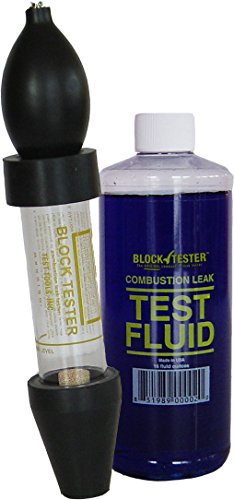
Block Tester BT-500 Head Gasket Combustion Leak Test Kit – Made in USA
Complete Combustion Leak Test Kit: Includes fluid and all necessary components with nothing more to buy for immediate…
As an affiliate, we earn on qualifying purchases.
As an affiliate, we earn on qualifying purchases.

Gasket Making Material Paper Sheet High Temp Pressure Chemical Grade for Gasoline Diesel Oil Air Compressor DIY Rebuild Sealing (1207, 3 Pcs, Black, Non Asbestos)
With a generous size of 14-49/64" x 11-13/16" per sheet, the material is easy to cut using scissors…
As an affiliate, we earn on qualifying purchases.
As an affiliate, we earn on qualifying purchases.