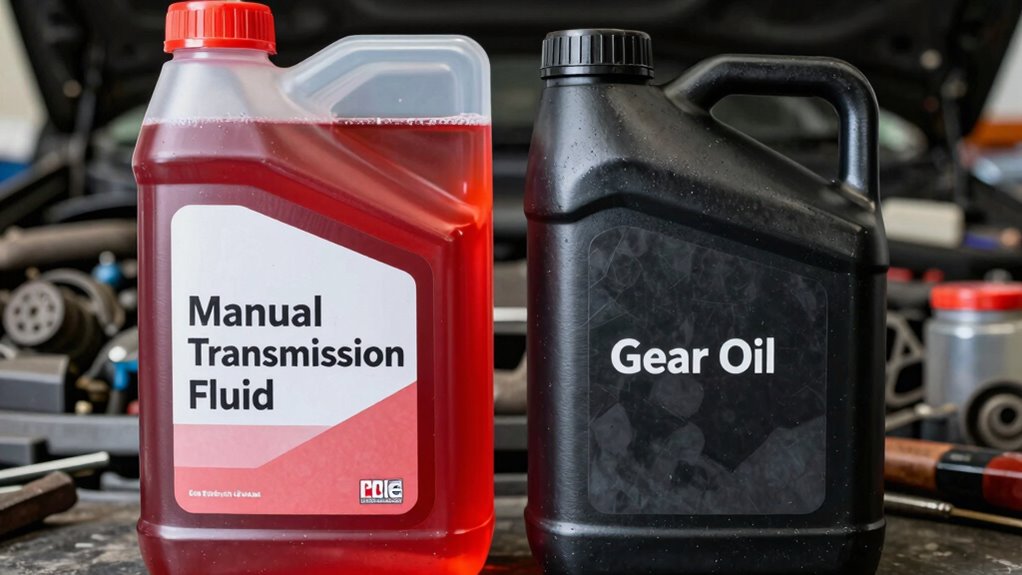
Understanding the difference between manual transmission fluid and gear oil can be tricky because their names sound similar, but they serve distinct purposes. Manual transmission fluid is designed to improve clutch performance, provide smoother gear shifts, and often contains friction modifiers. Gear oil, on the other hand, is thicker and offers heavy-duty protection for gears under extreme pressure, usually without friction modifiers. Knowing these differences helps keep your transmission running smoothly—keep exploring to learn more about choosing the right lubrication.
Key Takeaways
- Manual transmission fluid contains friction modifiers for clutch engagement, unlike gear oil, which lacks these additives.
- Gear oil has higher viscosity and is designed for extreme pressure protection, making it less suitable for manual transmissions.
- Using gear oil instead of transmission fluid can cause sluggish shifting and increased wear due to incompatible formulation.
- Proper lubrication with the correct fluid type extends transmission lifespan and prevents costly damage.
- Always follow the vehicle manufacturer’s recommendations for specific viscosity grades and fluid types to avoid confusion and potential damage.
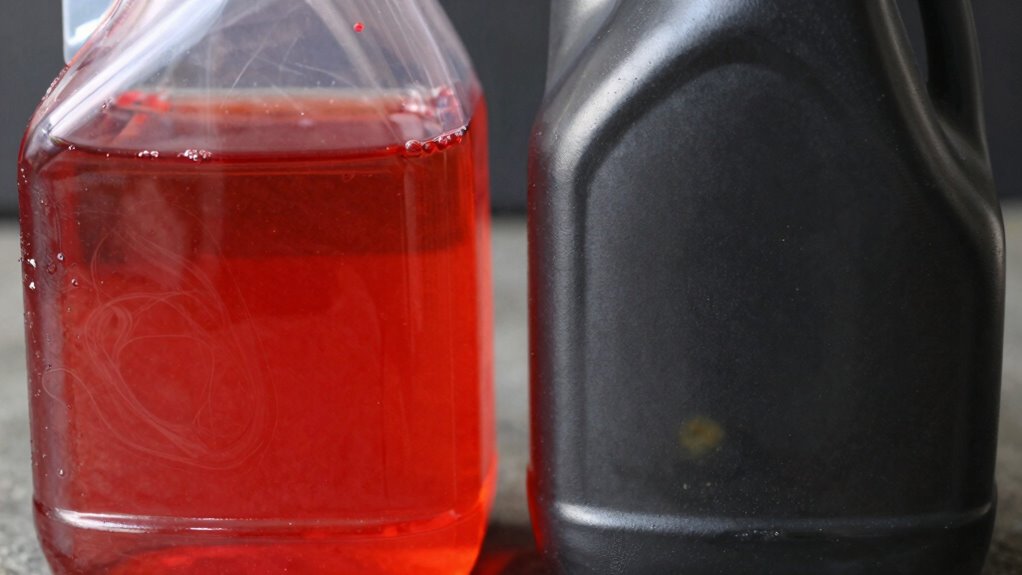
When it comes to maintaining your vehicle’s manual transmission, understanding the difference between manual transmission fluid and gear oil is essential. These lubricants often get mixed up because their names are used interchangeably, but they serve distinct purposes. One key aspect to consider is the presence of friction modifiers in manual transmission fluid. These additives are specifically designed to improve clutch performance and reduce slipping, ensuring smoother gear changes. Gear oil, on the other hand, typically lacks these friction modifiers because its main goal is to protect gears under high pressure and prevent wear. Recognizing this difference helps you choose the right lubricant for your transmission’s needs.
Viscosity grades are another critical factor. They describe the thickness of the fluid at specific temperatures, and understanding these grades can make a significant difference in how well your transmission operates. Manual transmission fluid usually has a different viscosity grade than gear oil, optimized for the moderate pressures and speeds typical of manual gearboxes. Gear oil tends to be thicker, with higher viscosity grades, allowing it to withstand extreme pressure and shear forces within the gears. Using the wrong viscosity grade can lead to increased wear, poor shifting, or even damage to your transmission over time. Always check your vehicle’s manual to see which viscosity grade is recommended and ensure that your lubricant matches those specifications.
The naming confusion often arises because both fluids are lubricants meant to protect and lubricate gears, but their formulations are tailored for different conditions. Manual transmission fluid is generally designed to provide balanced lubrication, heat dissipation, and friction modification, which is essential for clutch operation and smooth gear engagement. Gear oil’s thicker consistency and higher viscosity help it form a protective film over gear surfaces, especially under heavy loads and high temperatures. Misusing gear oil in a manual transmission can cause sluggish shifting or increased wear, while using transmission fluid in a gear oil’s place might fail to provide adequate protection under extreme conditions. It is also important to note that proper lubrication can extend the lifespan of your transmission components and prevent costly repairs.

Valvoline Synchromesh Manual Transmission Fluid 1 Quart
Meets the demands of manual synchro transmissions and manual transaxles
As an affiliate, we earn on qualifying purchases.
As an affiliate, we earn on qualifying purchases.
Frequently Asked Questions
Can I Use Gear Oil in a Manual Transmission?
Yes, you can use gear oil in a manual transmission, but it might affect clutch performance and gear shifting. Gear oils are usually thicker and designed for different gear types, which could lead to sluggish shifts or clutch slipping. Always check your vehicle’s manual to see the recommended fluid type. Using the right fluid guarantees smooth gear shifting and ideal clutch engagement, preventing potential damage and maintaining your transmission’s health.
How Often Should Manual Transmission Fluid Be Changed?
You should change your manual transmission fluid every 30,000 to 60,000 miles, but don’t wait for symptoms to appear. Proper lubrication maintenance is key to avoiding costly repairs. Keep an eye on your fluid’s condition and stick to your vehicle’s recommended fluid replacement schedule. Regular checks now can prevent breakdowns later—trust us, neglecting this simple step could leave you stranded unexpectedly.
Are Gear Oils Suitable for Automatic Transmissions?
Gear oils aren’t suitable for automatic transmissions because they’re designed for manual gearboxes, not automatic transmission systems. Automatic transmissions require specific transmission fluid that’s formulated to work with their unique components, ensuring smooth shifting and proper lubrication. Using gear oil in an automatic transmission can cause slipping, overheating, and damage. Always check your vehicle’s manual to choose the correct transmission fluid for your automatic transmission to keep it running efficiently.
What Are the Signs of Low Transmission Fluid?
If your transmission suddenly sounds like a rock concert or shifting feels like wading through mud, you’ve got a clue. Low transmission fluid often causes transmission noise and difficulty shifting. You might notice grinding, slipping, or a delay when changing gears. Don’t ignore these signs—your car’s telling you it’s thirsty. Check the fluid level regularly, and top it up before your gearbox stages a rebellion.
Is Synthetic Fluid Better Than Mineral-Based for Manuals?
Synthetic fluid is better than mineral-based for manuals because it offers synthetic advantages like improved lubrication, better temperature stability, and longer-lasting performance. Mineral limitations include breaking down faster under high heat and providing less consistent protection. You’ll notice smoother shifting and less wear with synthetic, especially in demanding conditions. Overall, synthetic transmission fluid enhances your manual’s performance and longevity, making it a smarter choice for serious drivers.

Lucas Oil 10043 SAE 80W-90 Heavy Duty Gear Oil – 1 Quart
Contains extraordinary anti-wear and lubricity agents, ensuring exceptional protection against wear and reducing drag
As an affiliate, we earn on qualifying purchases.
As an affiliate, we earn on qualifying purchases.
Conclusion
Just like Pandora’s box, the naming confusion around manual transmission fluid and gear oil can trap you in misdirection. Don’t let the labels fool you—know what each fluid truly does before you open that cover. Whether you choose the right fluid or risk chaos, remember, the key lies in understanding, not just the name. With clarity, you’ll keep your transmission humming smoothly, avoiding the pitfalls of the unknown.

Valvoline MaxLife Multi-Vehicle ATF Full Synthetic Automatic Transmission Fluid 1 Gallon
For use in 95% of vehicles including most CVTs in operation with US registered light duty applications
As an affiliate, we earn on qualifying purchases.
As an affiliate, we earn on qualifying purchases.
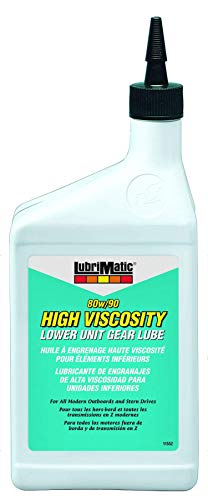
LubriMatic 11552 High Viscosity Lower Unit Gear Lube – 1 Quart
LubriMatic 11552 High Viscosity Lower Unit Gear Lube – 1 Quart
As an affiliate, we earn on qualifying purchases.
As an affiliate, we earn on qualifying purchases.