Proper placement of automatic lubricators is essential to guarantee bearings receive the right amount of lubrication. If you install them too far from the bearing, it can cause starvation, leading to premature wear or failures. Conversely, placing them too close may result in over-lubrication and damage. To avoid these common mistakes, you need to position the lubricators accurately. Keep this in mind—understanding proper placement can greatly extend machinery life and prevent costly issues.
Key Takeaways
- Incorrect placement may prevent lubricant from reaching bearings adequately, causing starvation.
- Installing lubricators too far from the bearing reduces lubrication effectiveness.
- Placing lubricators too close can lead to over-lubrication and potential damage.
- Proper alignment ensures consistent lubricant delivery and optimal bearing performance.
- Regularly verifying placement helps maintain correct positioning and prevents lubrication starvation.
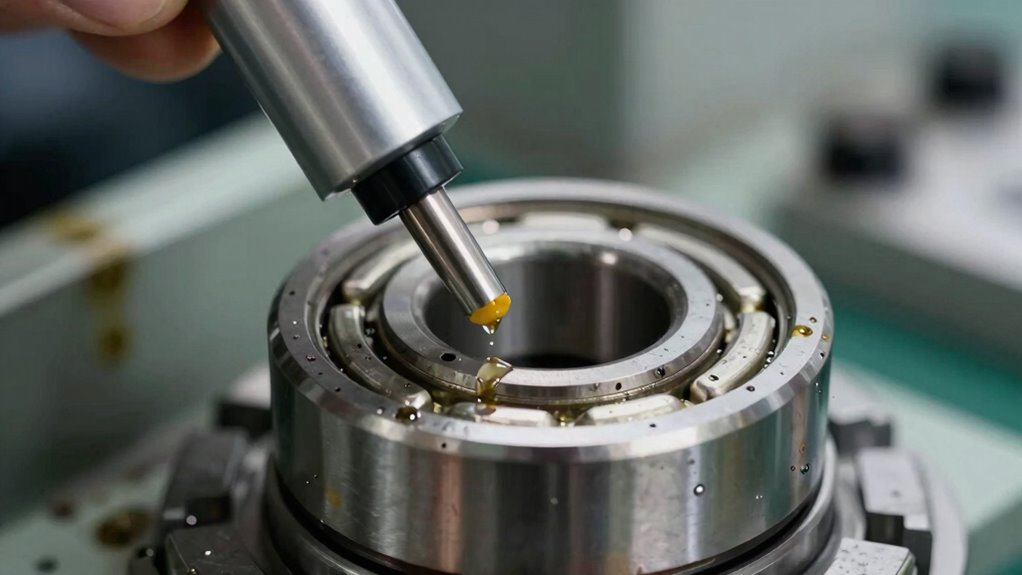
Have you ever wondered how machinery stays well-lubricated without constant manual intervention? The secret lies in automatic lubricators, which are designed to deliver precise amounts of lubricant at scheduled intervals. These devices are a game-changer for maintaining equipment, reducing downtime, and improving overall efficiency. But, despite their advantages, many operators make a common mistake that can severely impair their effectiveness: improper placement. When automatic lubricators are installed incorrectly, they can starve bearings of the lubrication they need, leading to premature wear and costly repairs.
Getting the placement right is essential. You need to consider the specific needs of each bearing or joint, ensuring the lubricator delivers lubricant directly where it’s needed most. If an automatic lubricator is installed too far from the bearing, it might not supply enough lubricant, especially during high-speed operations or under heavy loads. Conversely, placing it too close might cause over-lubrication, which can lead to excess heat, contamination, or even damage to the bearing. Proper placement guarantees consistent lubrication, which is critical for maintaining peak operation and extending the lifespan of your machinery.
Proper placement ensures consistent lubrication, prolongs machinery life, and prevents costly failures.
One of the key benefits of automatic lubricators is that they help you stick to a dependable lubrication schedule. You no longer need to remember or guess when to grease your equipment, which minimizes human error and guarantees lubrication happens at the right intervals. This consistency is essential for reducing maintenance costs, as well-lubricated bearings experience less friction, heat, and wear. Over time, these savings accumulate, lowering overall maintenance costs and reducing the need for expensive repairs or replacements. However, if the lubricator is placed incorrectly, scheduled lubrication may not reach the bearing effectively, defeating the purpose and increasing your long-term expenses.
Furthermore, incorrect placement can lead to uneven lubrication distribution, which might cause some parts to wear faster than others. This uneven wear can result in unexpected breakdowns, further increasing your maintenance costs and downtime. To avoid these issues, you should regularly check the installation points, ensuring the lubricator’s outlet aligns precisely with the bearing or component’s lubrication points. Proper placement isn’t just about convenience; it’s about maximizing the entire lubrication process, saving you money, and preventing avoidable failures. Additionally, understanding the importance of proper automatic lubricator placement can help you optimize your maintenance practices and extend equipment lifespan.

Simatec Simalube 125ML Automatic Single Point Bearing Lubricator 10 PCS (Multipurpose Grease)
10 Pack
As an affiliate, we earn on qualifying purchases.
As an affiliate, we earn on qualifying purchases.
Frequently Asked Questions
How Can I Identify if My Bearing Is Improperly Lubricated?
You can tell if your bearing is improperly lubricated by paying attention to its noise and lubrication frequency. If the bearing makes unusual squealing or grinding sounds, it’s often a sign of inadequate lubrication. Additionally, if you notice you need to re-lubricate more frequently than recommended, it indicates lubrication issues. Proper lubrication reduces noise and extends bearing life, so check both regularly to prevent damage.
What Are the Signs of Bearing Starvation Due to Lubrication Mistakes?
Imagine hearing a squealing noise from your equipment—it’s a sign of bearing starvation. When lubrication frequency is too low or improperly placed, bearings can overheat, leading to increased noise and vibrations. You might notice inconsistent bearing noise or even early failure. These signs indicate insufficient lubrication, often caused by placement errors, which starves the bearing of essential lubricant and causes premature wear.
Are There Specific Environments Where Automatic Lubricators Are Less Effective?
You might find automatic lubricators less effective in harsh environments or places with chemical exposure. These conditions can damage or clog the lubricators, preventing proper lubrication. Extreme temperatures or corrosive chemicals can degrade components, leading to inconsistent lubrication or failure. To guarantee ideal bearing performance, consider environment-specific solutions or additional protective measures, so your equipment stays properly lubricated despite challenging conditions.
How Often Should Automatic Lubricators Be Inspected or Maintained?
You should inspect and maintain automatic lubricators regularly, following your equipment’s maintenance schedules and inspection protocols. Typically, check them at least once a month to guarantee proper lubrication levels and functioning. In harsh environments or high-demand applications, more frequent inspections might be necessary. Keep an eye out for signs of clogging or leaks, and refill or service the lubricators as needed to prevent bearing starvation and ensure ideal operation.
Can Incorrect Placement of Lubricators Cause Other Equipment Failures?
You might not realize it, but installation errors, like incorrect placement of lubricators, can set off a chain reaction of equipment issues. If you overlook proper lubricant selection and placement, it can lead to bearing starved or excess lubrication, causing overheating or premature failure. Always double-check installation details to prevent these subtle missteps from causing broader equipment failures, saving you costly repairs and downtime.
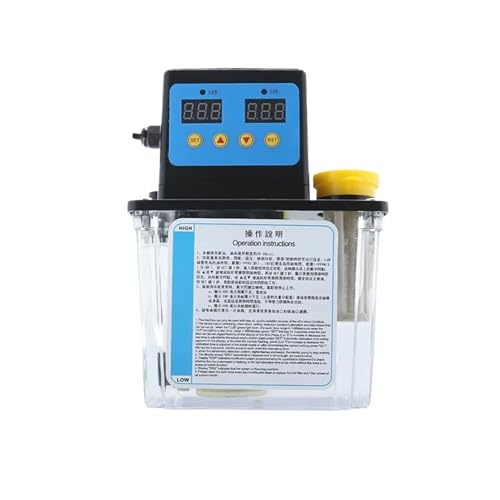
1pc Automatic Lubrication Oil Pump DCR-50 220V 0.5L 1L 2L High Precision Electromagnetic Oil Pump for CNC Machine Engraver System(2L Single Display)
1pc Automatic Lubrication Oil Pump DCR-50 220V 0.5L 1L 2L High Precision Electromagnetic Oil Pump for CNC Machine…
As an affiliate, we earn on qualifying purchases.
As an affiliate, we earn on qualifying purchases.
Conclusion
Imagine your bearings quietly struggling, their silent cry for proper lubrication unheard due to a simple placement mistake. When you overlook the importance of correct automatic lubricator placement, you risk letting tiny grains of debris and friction take over, slowly starving your machinery’s heart. But with a careful eye and precise positioning, you can restore smooth, rhythmic motion—keeping your equipment alive and humming like a well-tuned symphony. Don’t let a small mistake lead to big consequences.

Pulsarlube S – 100ml Refillable Spring-Type Automatic Grease Lubricator (PL1 Grease)
100ml Refillable Grease Chamber – Simply refill using a grease gun. Offers great reusability and cost savings.
As an affiliate, we earn on qualifying purchases.
As an affiliate, we earn on qualifying purchases.

KS TOOLS Bearing Lubrication aid
All our efforts have to date made us one of the biggest internationally operative tool manufacturers with customers…
As an affiliate, we earn on qualifying purchases.
As an affiliate, we earn on qualifying purchases.