When exposed to water, some greases break down because water weakens their protective film and displaces the lubricant. This happens as water penetrates the grease’s thickener structure, washes away lubricant, and causes emulsification. Greases with microstructures designed to trap oil and additives, especially those with high-viscosity oils and polymers, resist washout better. To learn how to choose and maintain water-resistant greases effectively, keep exploring this essential topic.
Key Takeaways
- Water weakens grease’s protective film and displaces lubricant, leading to loss of adhesion and washout.
- Greases with sponge-like thickeners trap oil and additives, but water can penetrate and break down these structures.
- High-viscosity oils and polymers reinforce microstructure, helping grease resist water ingress and prolong lubrication.
- Proper selection, application, and maintenance of water-resistant greases prevent water entry and reduce washout risks.
- Regular inspection and reapplication after water exposure maintain grease effectiveness and protect equipment.
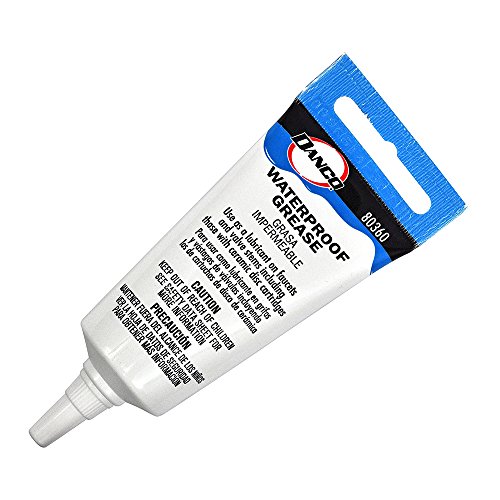
Danco 80360 Waterproof Faucet Grease, 1/2 Oz
PLUMBERS FAUCET AND VALVE GREASE: Ideal for lubricating faucet stems valves and cartridges when repairing a leaky faucet
As an affiliate, we earn on qualifying purchases.
As an affiliate, we earn on qualifying purchases.
Why Does Grease Wash Out in Wet Environments?
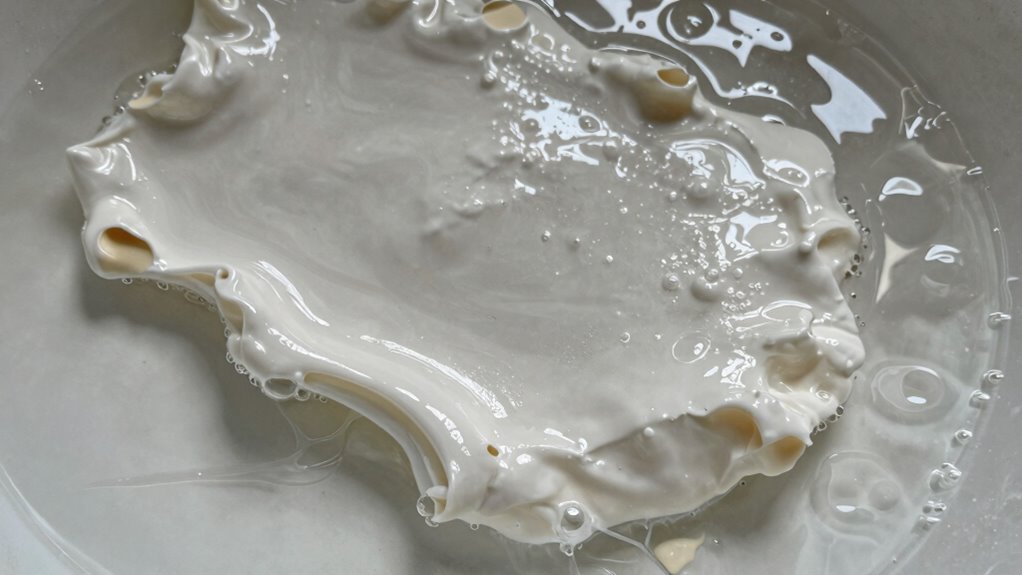
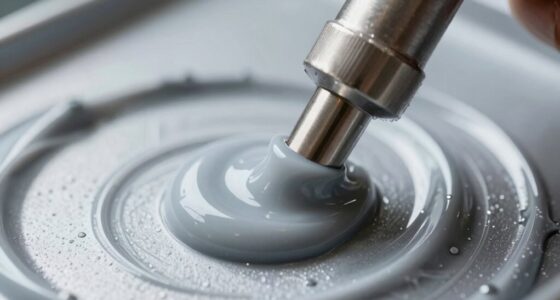
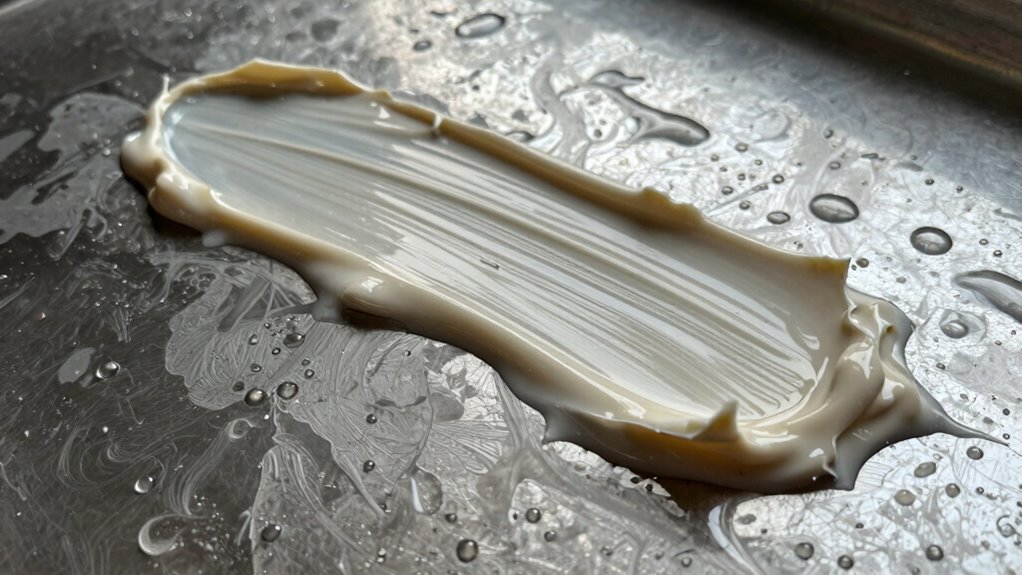
Grease washes out in wet environments primarily because water weakens its protective film and displaces the lubricant. When water contacts grease, it penetrates the thickener structure, breaking the bonds that hold the oil and additives in place. This process reduces the grease’s ability to stay adhered to surfaces, especially in dynamic conditions like bearings rotating at high speeds. Water acts as a solvent, emulsifying or dissolving parts of the grease, which leads to a loss of lubricating material. As the water continues to wash over, it carries away the loosened grease particles, causing a significant percentage of the lubricant to wash out. This diminishes the grease’s effectiveness, increasing the risk of metal-to-metal contact, corrosion, and equipment failure. Understanding the chemical composition of grease helps in selecting appropriate lubricants for wet environments.

TRIAX Spheron Grease NLGI-2 Lithium Complex, High Temp, Super Heavy Duty | Ultra Tacky, EP, Waterproof | for 5th Wheel, Joints, Pivots, Wheel Bearings, and Chassis (14 Oz Tube)
Excellent Shear Stability & Film Strength: Will not shear under heavy lateral friction like U-Joints, Semi Truck 5th…
As an affiliate, we earn on qualifying purchases.
As an affiliate, we earn on qualifying purchases.
How Do Water Washout Tests Measure Grease Resistance?
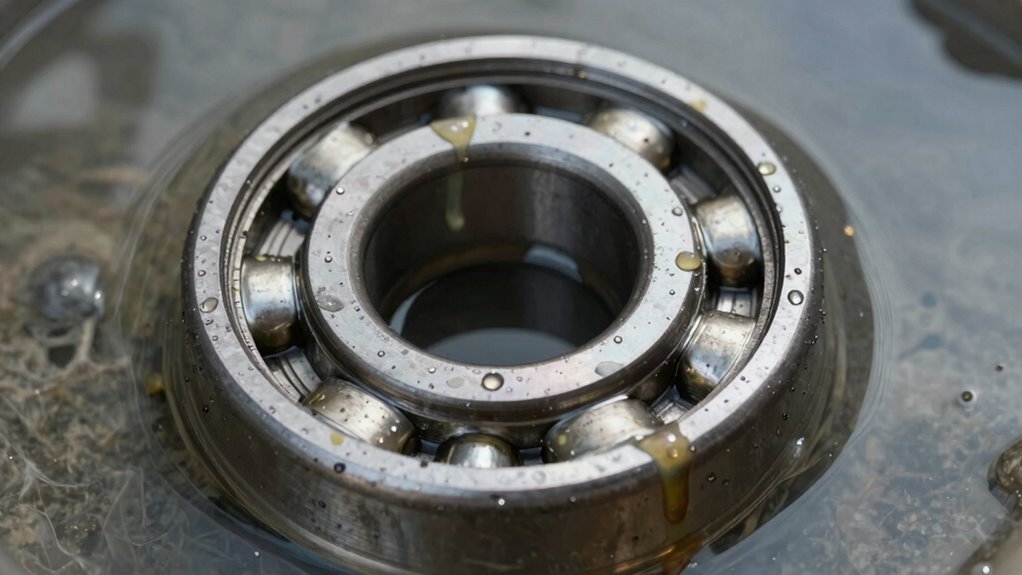
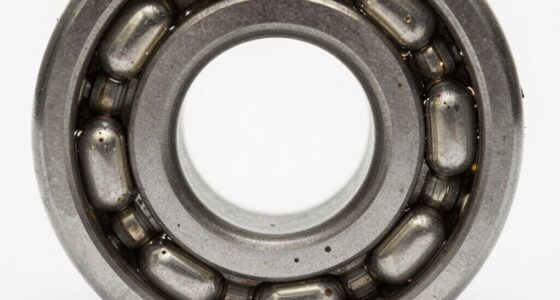
Water washout tests evaluate grease resistance by simulating water exposure under controlled laboratory conditions. You load a specified amount of grease into a bearing, then rotate it at about 600 rpm. Water is directed at the bearing housing at a set flow rate, typically around 5 mL per second, for about a minute. During the test, the water impacts the grease, causing some of it to wash out. Afterward, you dry and weigh the remaining grease to determine how much was lost. The percentage loss indicates the grease’s resistance to water washout. Conducted at standard temperatures like 38°C or 79°C, these tests provide a consistent way to compare different greases’ ability to withstand water exposure, helping you select the best option for wet environments. Understanding test procedures ensures consistent evaluation and reliable comparison of grease performance.

Genuine Honda 08734-0003 Extreme Pressure Multi-Purpose Marine Grease 14 Oz. 397 g. Water Washout Rust Corrosion Resistant
Genuine Honda multi-purpose extreme pressure marine grease. This grease is great for wheel bearings and salty environments, like…
As an affiliate, we earn on qualifying purchases.
As an affiliate, we earn on qualifying purchases.
How Does Grease Structure Help It Resist Water?
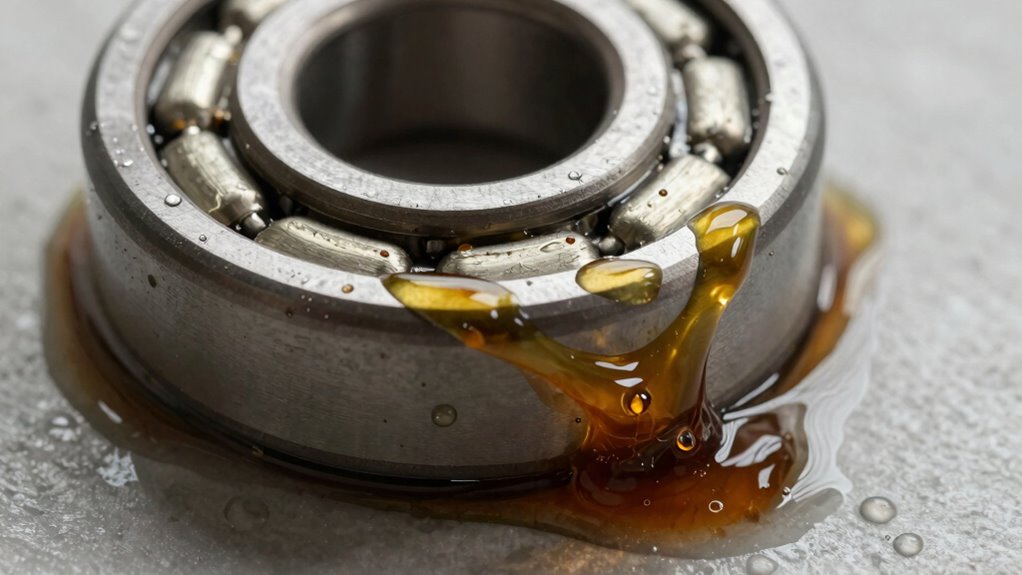
Your grease’s sponge-like thickener structure traps the base oil and additives, forming a network that resists water washout. This porous matrix holds lubricant in place, releasing it gradually under load to maintain lubrication. High viscosity oils and added polymers further strengthen this resistance, helping your machinery stay protected in wet conditions. Additionally, the affiliated disclosures ensure transparency about potential earnings from product recommendations, fostering trust with users.
Sponge-Like Thickener Structure
The sponge-like thickener structure in grease plays a crucial role in resisting water washout by trapping excess lubricant within its porous network. This porous matrix acts like a sponge, holding onto oil and additives, preventing them from being easily washed away. Its structure allows it to absorb and retain water, reducing the likelihood of water forming free droplets that cause washout. Here are three key benefits:
- Traps excess lubricant, minimizing volume loss during water exposure.
- Retains oil and additives, maintaining lubrication even under wet conditions.
- Provides a resilient barrier, resisting water ingress and preventing dry spots.
This structure ensures the grease stays intact longer, offering superior water resistance and protecting your machinery in wet environments.
Oil and Additive Suspension
How does grease’s unique structure enable it to suspend oil and additives effectively in wet conditions? Your grease’s sponge-like thickener forms a network of pores, trapping base oil and additives within its matrix. This structure prevents these lubricants from easily washing away when exposed to water. The high viscosity of the base oil reduces its tendency to drain out, even under water spray. Additives, such as corrosion inhibitors and anti-wear agents, stay dispersed within this matrix, maintaining their protective functions. Polymers added to the grease further reinforce this suspension, enhancing water resistance. Additionally, the microstructure of the grease is critical in creating a barrier against water ingress, helping to maintain its performance in wet environments. Overall, the fine, interconnected structure ensures that oil and additives remain evenly distributed, providing consistent lubrication and protection, even in challenging wet environments.
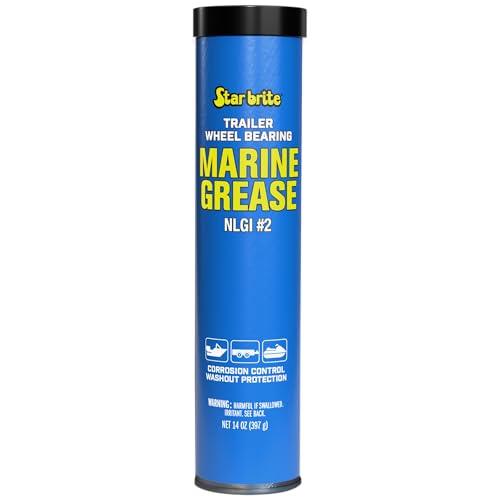
STAR BRITE Wheel Bearing Grease – Boat Trailer Marine Grade – 14 OZ Grease Gun Cartridge (026014)
MARINE-GRADE PROTECTION: Specifically formulated to protect trailer wheel bearings from marine corrosion, salt water, and atmospheric chemicals
As an affiliate, we earn on qualifying purchases.
As an affiliate, we earn on qualifying purchases.
How to Choose Water-Resistant Greases for Your Equipment
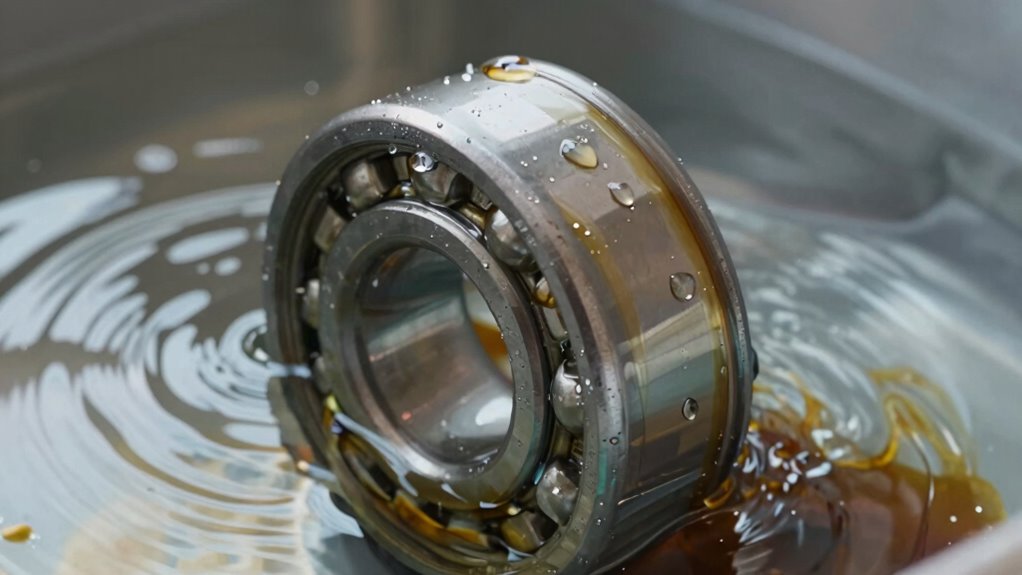
Selecting the right water-resistant grease starts with understanding your equipment’s operating environment. You need to assess exposure to water, temperature, and load conditions. Here are three key factors to consider:
- Water exposure level: Will your equipment face frequent splashes, immersion, or high humidity? Choose greases with high washout resistance, like white greases with polymer additives.
- Temperature range: Ensure the grease can withstand operating temperatures without breaking down, especially if water exposure coincides with heat.
- Load and vibration: Heavy loads or vibrations demand greases with strong thickener structures and high viscosity to stay intact under stress. Additionally, selecting appropriate thickener types can improve water resistance and stability.
Matching these factors with appropriate grease specifications guarantees optimal protection and longevity for your equipment.
What Are the Signs That Grease Is Failing in Moist Conditions?
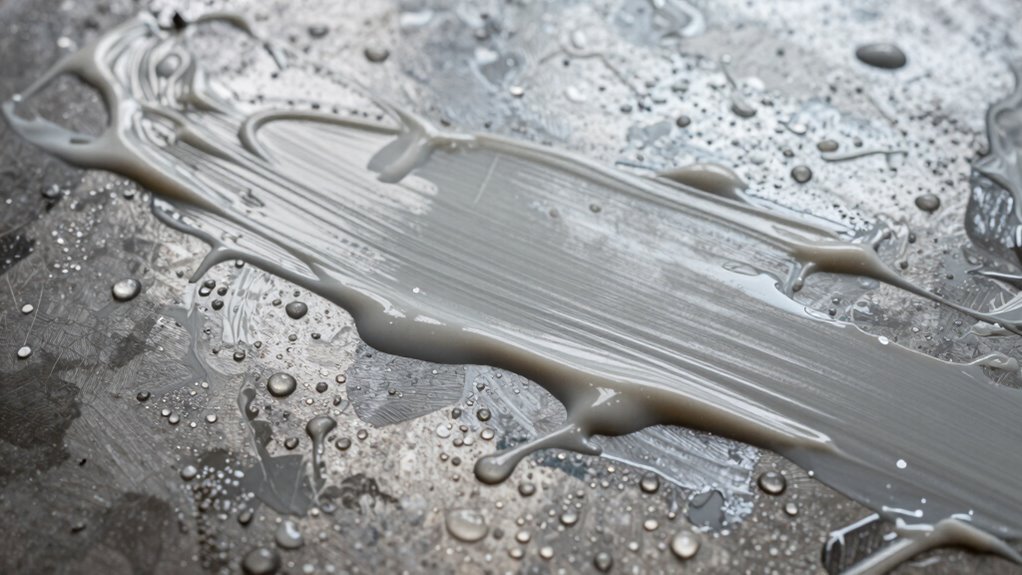
In moist conditions, grease begins to show signs of failure when it can no longer maintain a stable film on bearing surfaces. You might notice increased friction, abnormal noise, or uneven operation, indicating lubrication loss. Visual signs include grease appearing watery, thin, or streaked, with reduced coverage. Rust or corrosion spots may develop, signaling water penetration. Also, if grease feels soft or greasy to the touch, it’s losing its structural integrity. Proper understanding of performance cookies can help monitor how grease behaves under different operational conditions. Here’s a quick overview:
| Sign | Effect | Cause |
|---|---|---|
| Watery appearance | Poor water resistance | Washout or emulsification |
| Increased noise | Insufficient lubrication | Film breakdown |
| Rust or corrosion | Water ingress, contamination | Seal failure |
| Soft or greasy texture | Loss of thickener structure | Grease deterioration |
| Reduced grease coverage | Wear risk, bearing damage | Failing film stability |
Tips to Improve Water Resistance and Extend Grease Life
To boost water resistance and prolong grease lifespan, you should choose water-resistant greases suited for your conditions. Applying proper lubrication techniques guarantees the grease stays intact and effective during operation. Additionally, performing regular maintenance checks helps catch early signs of washout and keeps your equipment running smoothly. Incorporating smart maintenance schedules can further enhance equipment longevity and performance.
Use Water-Resistant Greases
Enhancing water resistance in greases is essential for extending their service life and ensuring reliable machine operation in wet environments. To achieve this, you should select water-resistant greases designed specifically for challenging conditions. Here are three key tips:
- Choose greases containing synthetic thickeners or polymers, which notably improve water resistance.
- Opt for high-viscosity base oils that minimize washout and maintain lubrication under water exposure.
- Ensure the grease has been tested for water washout performance, such as ASTM D1264 standards, to confirm its effectiveness.
- Additionally, selecting specialized formulations designed for water resistance can provide extra protection in demanding conditions.
Using these specialized greases helps prevent water ingress, reduces corrosion risk, and prolongs equipment lifespan, especially in outdoor or submerged applications. Proper selection ensures your machinery stays protected and operational longer in wet conditions.
Apply Proper Lubrication Techniques
Applying proper lubrication techniques is essential for improving water resistance and extending the lifespan of grease in your machinery. First, verify you clean the bearing surfaces thoroughly before applying new grease, removing dirt, old lubricant, and moisture that can weaken water resistance. Use the correct amount of grease—too little may fail to protect, while too much can cause heat buildup or leakage. Apply grease evenly and directly into the bearing or housing to prevent dry spots and ensure consistent coverage. Make sure to follow the manufacturer’s recommended lubrication intervals, especially in wet or high-moisture environments. Proper technique minimizes entrapped water, reduces contamination risks, and enhances the grease’s ability to resist washout, ultimately prolonging equipment service life and reducing maintenance costs. Effective lubrication practices also help prevent corrosion and keep machinery operating smoothly.
Regular Maintenance Checks
Regular maintenance checks are vital for ensuring your machinery’s water resistance and grease longevity. By regularly inspecting and maintaining lubrication points, you can catch issues early and prevent grease washout. Here are three key tips:
- Monitor grease condition regularly—look for signs of contamination, hardening, or drying, which weaken water resistance.
- Reapply grease as needed—use the correct type and amount, especially after washout events or cleaning.
- Inspect seals and housings—ensure they’re intact and effectively blocking water ingress. Implementing preventative maintenance strategies can further reduce the risk of water-related grease failure.
Frequently Asked Questions
How Does Temperature Affect Grease Washout Performance?
Higher temperatures generally decrease grease’s water washout resistance. When you operate equipment at elevated temperatures, the grease becomes less viscous, allowing water to penetrate more easily and wash it away. Conversely, lower temperatures help the thickener maintain its structure, trapping oil and resisting water ingress. So, to guarantee ideal performance in wet conditions, use grease formulated for high-temperature environments, especially if your machinery runs hot.
Can Additives Enhance Grease Water Resistance?
Imagine your grease forming a resilient shield around your machinery’s moving parts. Additives act like reinforced armor, boosting water resistance by creating stronger bonds within the grease. Polymers, for example, fill microscopic gaps, preventing water from penetrating. With these enhancements, your grease resists washing out, keeps contaminants at bay, and extends equipment life. Using the right additives guarantees your lubrication stays intact—even in relentless wet conditions.
What Types of Thickeners Provide the Best Water Resistance?
You should choose soaps or complex soap-based thickeners, like lithium, calcium, or aluminum complexes, for the best water resistance. These thickeners form strong, stable networks that trap oil and additives effectively, preventing washout. Additionally, polymer thickeners can markedly improve water resistance by creating a more cohesive, flexible structure. By selecting these types, you ensure your grease remains intact and effective even in wet or harsh environments.
How Often Should Water Washout Testing Be Performed?
You should perform water washout testing regularly—think of it as your machinery’s health check-up, crucial for preventing catastrophic failures. The ideal frequency depends on your operating environment; in harsh, wet conditions, test every few months. If your equipment faces constant water exposure, more frequent testing ensures your grease’s resistance stays strong. Regular testing catches issues early, saving you from costly repairs and unexpected breakdowns.
What Environmental Conditions Accelerate Grease Washout?
You’ll find that high humidity, frequent water exposure, or continuous wet conditions accelerate grease washout. When environments have constant rain, splashing water, or high moisture levels, water easily penetrates the grease’s thickener structure, breaking down its ability to stay adhered. Additionally, temperature fluctuations can cause expansion and contraction, making the grease more prone to washout. Ensuring you select water-resistant grease helps mitigate these effects and prolongs lubrication effectiveness.
Conclusion
Understanding how water washout affects grease helps you choose the right lubrication for moist environments. Did you know that over 60% of bearing failures are linked to inadequate lubrication resistance in wet conditions? By selecting water-resistant greases and monitoring signs of wear, you can extend your equipment’s lifespan. Keep an eye out for signs of grease breakdown and follow tips to boost water resistance—protect your machinery and save costs in the long run.