
Overgreasing may seem like proper maintenance, but it actually damages bearings by creating excess heat, accelerating wear, and risking seal failure. Applying too much grease causes friction, contamination, and energy loss, which shortens equipment life. Spotting early signs and avoiding common mistakes can prevent damage. By understanding how much grease to apply and using proper tools, you’ll protect your bearings and improve equipment performance. Keep going to uncover how to master effective lubrication practices.
Key Takeaways
- Overgreasing causes heat buildup and seal failure, which can be mistaken for proper maintenance.
- Excess grease accelerates oxidation and contaminant ingress, damaging bearings over time.
- Signs like grease leaks and increased temperature may appear as normal maintenance but indicate overgreasing.
- Using too much grease can lead to energy loss and reduced equipment lifespan, despite appearing well-maintained.
- Accurate calculation and controlled relubrication are essential to prevent overgreasing from being mistaken for good practice.
VDEVY 5 -Tier Heavy Duty Rolling Tool Cart on Wheels with 2 Lockable Drawers, Pegboard & Locking Wheels, 400Lbs Capacity Mobile Garage Storage Organizer for Mechanics, Workshop
UNMATCHED STORAGE & ORGANIZATION: Features 3 spacious tiers, 2 lockable drawers, and a side pegboard with hooks, this...
As an affiliate, we earn on qualifying purchases.
How Overgreasing Damages Bearings and Equipment
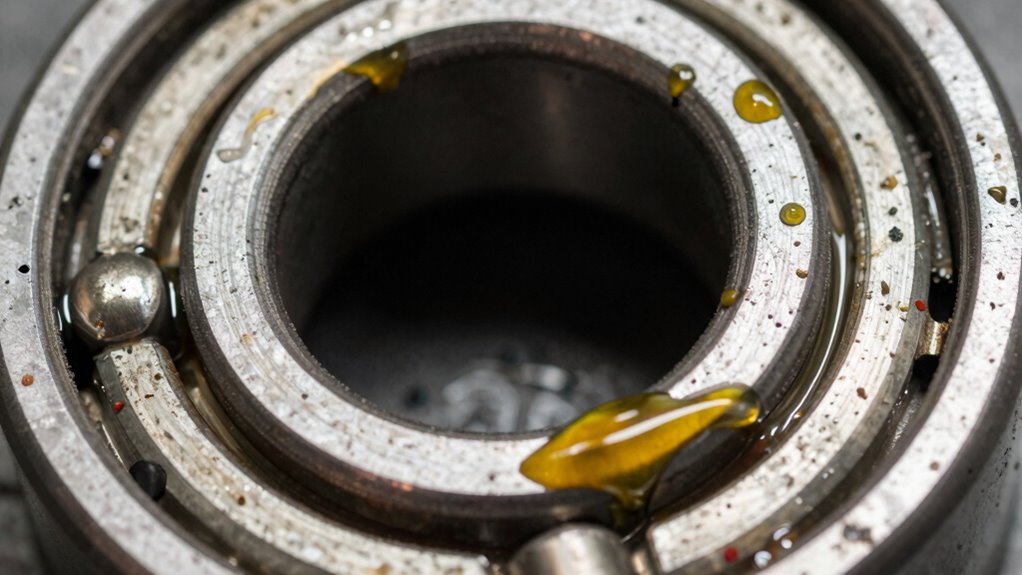
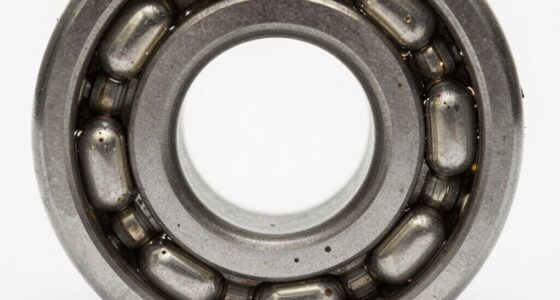
Overgreasing can cause significant damage to bearings and equipment by increasing churning resistance, which generates excess heat. This heat accelerates oil oxidation, shortening grease life and promoting premature wear. Excess grease pushes against seals, causing high pressure that can rupture them, allowing contaminants like dirt and water to enter. The churning action also leads to energy loss, raising operating costs and stressing motor components. When grease floods into seals and other parts, it weakens mechanical integrity and causes seal failure, resulting in grease leakage and contamination ingress. Additionally, incompatible greases mixed together can worsen friction and wear. At high speeds, overgreasing intensifies these effects, speeding up damage. Proper lubrication practices are essential to prevent these issues. Ultimately, overgreasing compromises bearing performance, shortens equipment lifespan, and increases maintenance needs.

GarveeHome Rolling Tool Cabinet, Heavy Duty Steel Garage Storage Cabinet with 2 Drawers, Pegboard & 4 Wheels, Lockable Tool Cart Workbench for Workshop, Warehouse
--Heavy Duty Reliability: Built with powder-coated steel, this rolling tool cabinet delivers lasting durability for tough jobs. Count...
As an affiliate, we earn on qualifying purchases.
Spotting the Signs of Overgreasing Early
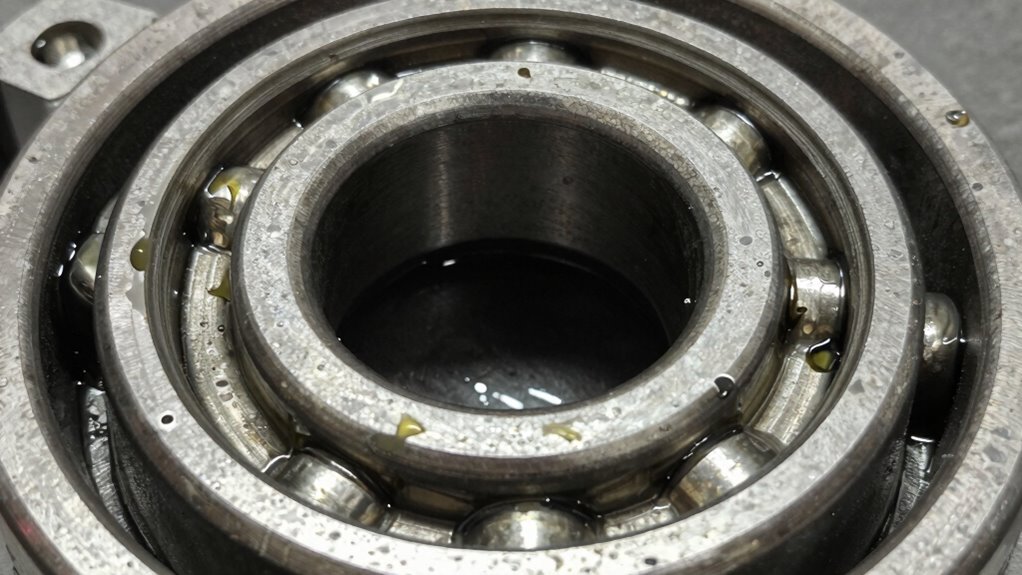
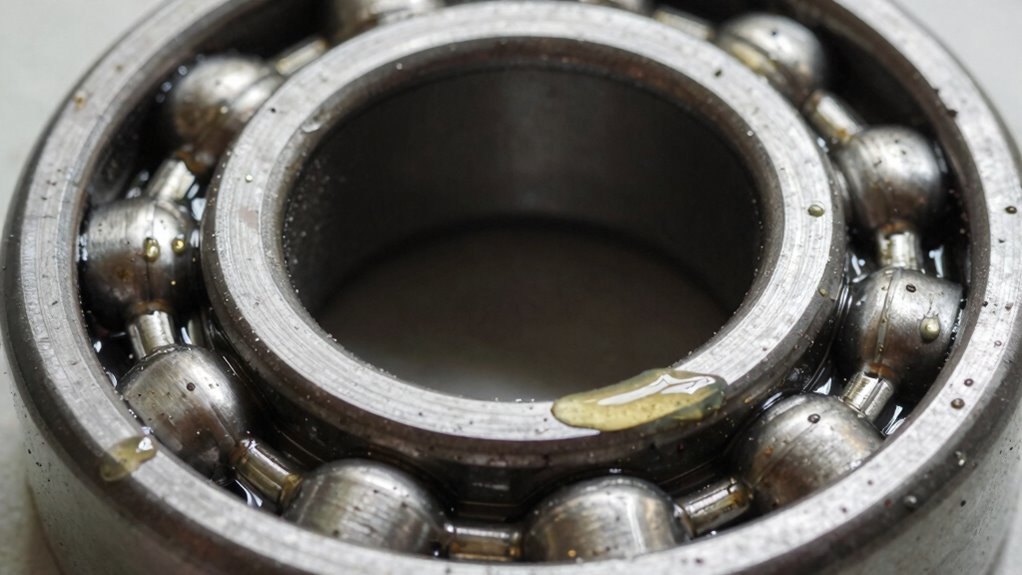
Early detection of overgreasing signs is crucial to prevent costly bearing damage. Watch for indicators like elevated bearing temperatures, which spike after lubrication. Grease leaks or oozes around seals—often dark or burnt—signal overpressure. Unusual vibration or ultrasonic signals shortly after relubrication point to excess grease. Additionally, inspect grease texture: whipped, softened, or broken-down grease suggests overgreasing. Recognizing these signs early can help maintain optimal bearing performance and extend equipment lifespan.

Winado 4-Drawer Tool Chest with Wheels & Lock & Key, Heavy Duty Cart Rolling Tool Box on Wheels, Metal Storage Cabinet, Rolling Tool Cart with Drawers for Garage, Warehouse & Repair Shop
4 Drawers of Storage - The rolling tool box is designed with 4 drawers for storing tools, small...
As an affiliate, we earn on qualifying purchases.
Common Mistakes That Lead to Overgreasing
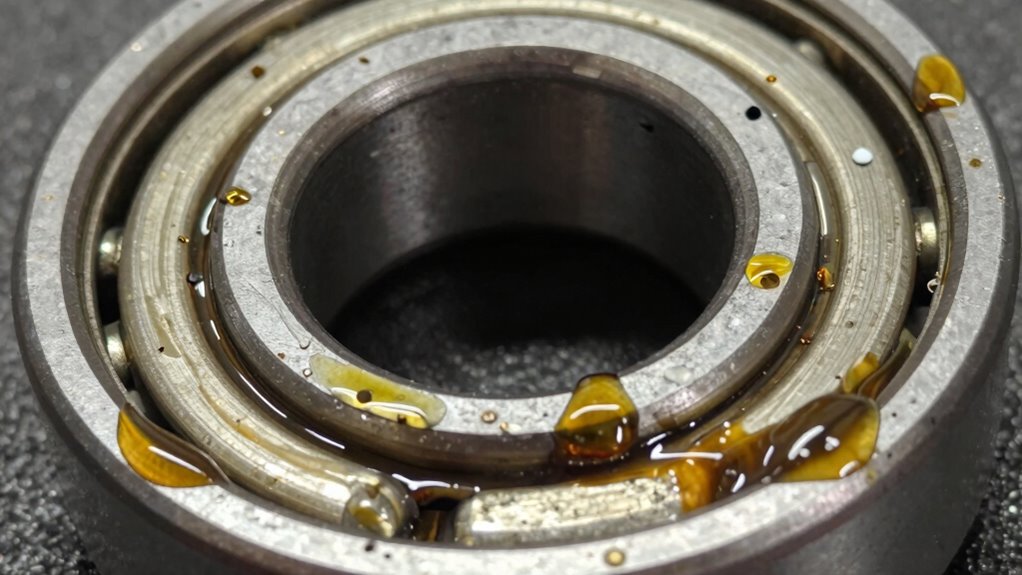
One of the most common mistakes that leads to overgreasing is using grease guns without monitoring the pressure or volume applied. You might assume more grease keeps bearings better, but excess can cause damage. To avoid this, watch out for these errors:
Overgreasing often results from neglecting pressure and volume control during lubrication.
- Applying excessive pressure, which ruptures seals and forces grease into unintended areas.
- Overestimating the required grease volume, leading to overfilling and churning resistance.
- Neglecting proper timing, such as relubricating too frequently or at inappropriate intervals, trapping excess grease.
- Failing to consider precise calculation during maintenance, which can result in overgreasing and reduced bearing lifespan.
These mistakes often stem from a lack of precise calculation or oversight during maintenance. Ensuring you follow recommended procedures and use proper tools helps prevent overgreasing and prolongs bearing life.
Sylritha Heavy Duty Utility Rolling Tool Cart, 1000 lbs Capacity Flat Top Plastic Utility Service Cart with Two Trays and Wheels, 46 x 26-Inch Work Cart for Storage, Garage, Warehouse, Workshop, Gray
【Premium PP Material】:This tool cart from Sylritha is constructed from high-strength industrial-grade polypropylene, ensuring exceptional durability and load-bearing...
As an affiliate, we earn on qualifying purchases.
The Science of Why Excess Grease Causes Heat and Wear
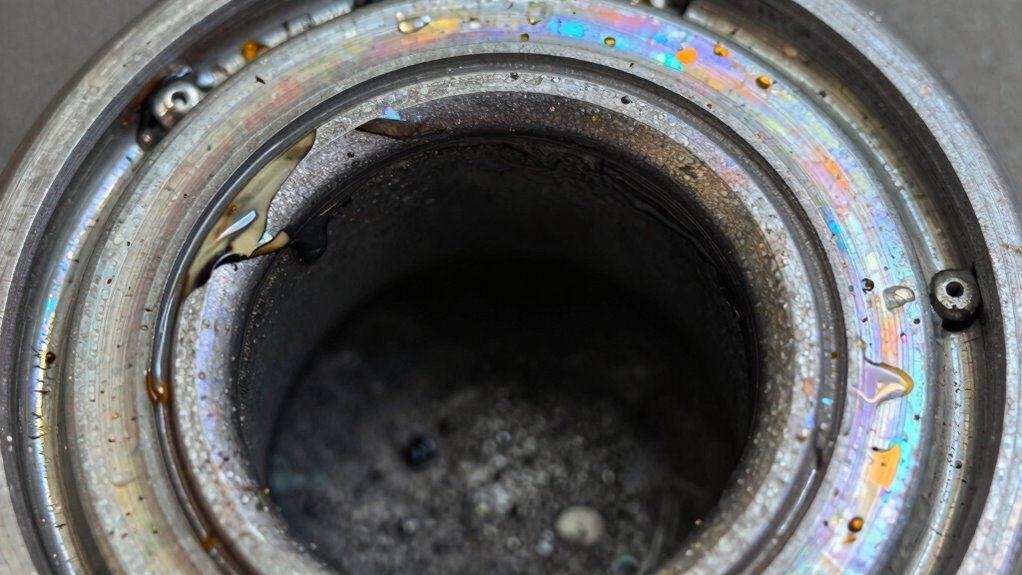
When you overgrease a bearing, the excess grease increases resistance through churning, which generates heat. This heat accelerates oxidation and causes the grease to break down faster, leading to more wear. Understanding how friction and heat buildup happen helps you prevent damage and extend bearing life. Additionally, proper lubrication techniques can help manage heat dissipation and reduce unnecessary wear.
Friction and Churning
Have you ever wondered why overgreasing leads to increased heat and wear in bearings? Excess grease causes more friction and churning, which wastes energy and generates heat. When the bearing rotates, the surplus grease resists movement, creating additional drag. This resistance results in:
- Increased torque needed to turn the bearing, stressing components.
- Churning action that continuously pushes grease against surfaces, causing energy loss.
- Heat buildup from friction, accelerating material degradation and softening the grease.
- Free Floating conditions can develop, where excess grease prevents proper lubrication and causes uneven wear.
This cycle not only shortens bearing life but also leads to faster oxidation and contamination. The more grease you add beyond what’s necessary, the more you fuel this destructive process, making your bearings work harder and wear faster, even during normal operation.
Heat Generation and Oxidation
Excess grease in bearings directly leads to heat generation and accelerated wear through a process rooted in fundamental physics and chemistry. When too much grease is present, it causes increased churning resistance, which generates heat as the bearing works harder to move the excess lubricant. This heat raises operating temperatures, speeding up oxidation and breaking down the grease faster. The high pressure from over-greasing can rupture seals, allowing contaminants in and worsening heat buildup. Additionally, rapid oxidation forms crusty deposits that impair lubrication, leading to metal-on-metal contact and increased friction. At higher speeds, this effect intensifies, causing thermal overloads and further damage. Overgreasing therefore creates a cycle of heat, oxidation, and wear that shortens bearing life and risks catastrophic failure.
How to Calculate the Right Amount of Grease for Your Bearings
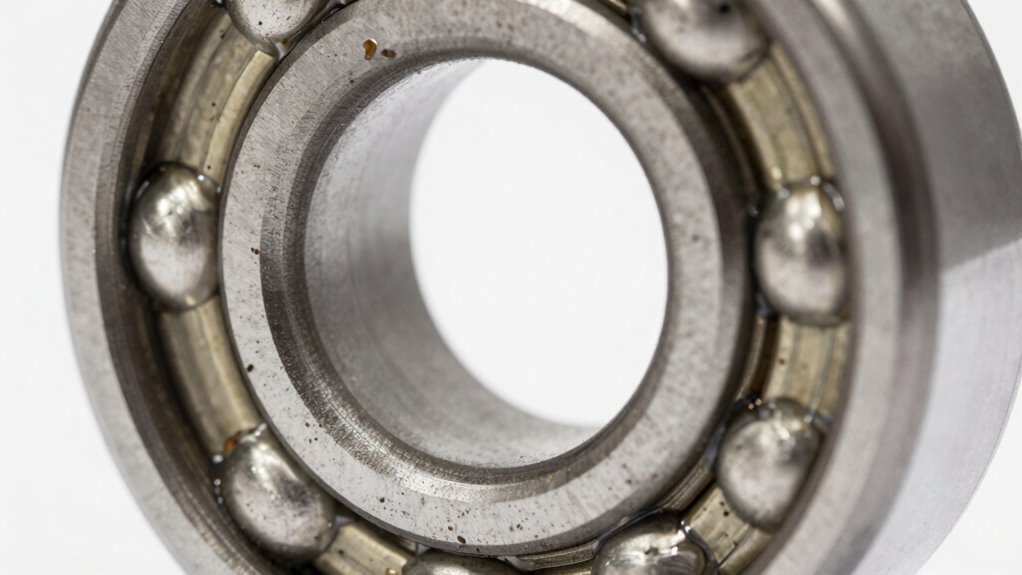
Calculating the right amount of grease for your bearings is essential to prevent overgreasing and guarantee peak performance. Too much grease causes heat buildup, seal damage, and energy loss, while too little leads to insufficient lubrication. To determine the correct amount, consider these factors:
Proper grease amount prevents damage and ensures optimal bearing performance.
- Bearing dimensions: Measure the bearing’s internal and external diameter, width, and cavity volume to estimate the necessary grease volume.
- Operating conditions: Account for speed, load, temperature, and duty cycle, which influence grease consumption and dispersal.
- Manufacturer guidelines: Refer to bearing and grease supplier specifications for recommended fill levels, often expressed as a percentage of cavity volume.
- Content formats: Additionally, understanding various content formats can help in communicating maintenance practices effectively.
Use these calculations to establish a precise, application-specific grease quantity, avoiding overgreasing and ensuring ideal bearing longevity.
Practical Steps to Prevent Overgreasing and Extend Bearing Life
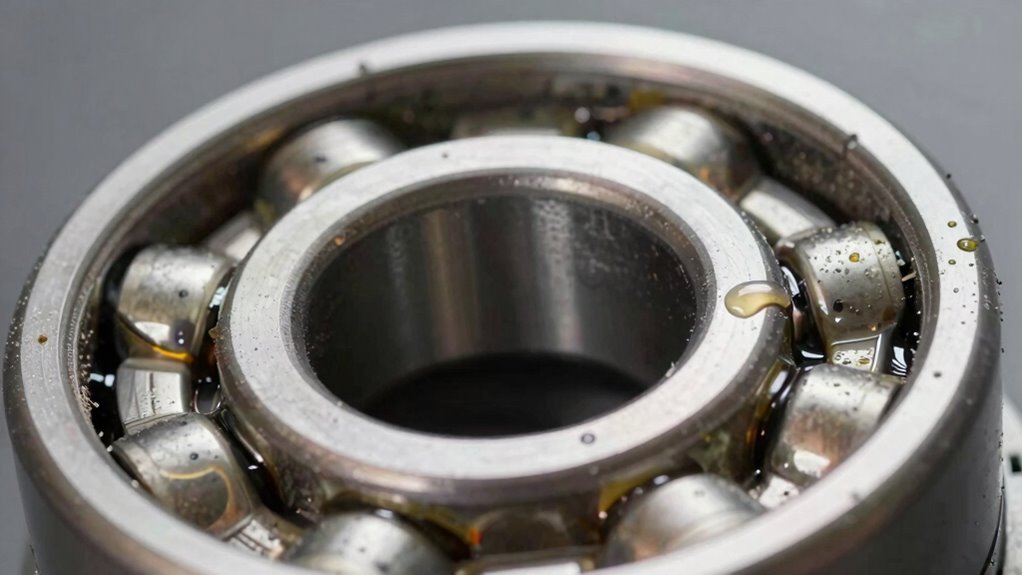
To prevent overgreasing and prolong bearing life, you need to focus on accurate grease application, starting with calculating the precise amount based on bearing size and operating conditions. Using ultrasound monitoring can help you detect over- or under-lubrication in real time, ensuring ideal lubrication. Establishing routine maintenance schedules with set relubrication intervals allows you to maintain consistent bearing health and avoid overgreasing pitfalls.
Calculate Precise Grease Volumes
Accurately determining the right amount of grease for your bearings is essential to prevent overgreasing and guarantee peak performance. You need to base your calculations on bearing size, speed, load, and operating conditions. First, measure the bearing’s internal clearance and cavity volume to understand how much grease it can hold. Second, consider the lubrication interval and duty cycle to avoid excess buildup over time. Third, use manufacturer specifications or empirical data to determine the ideal grease quantity for your specific application. Employ tools like grease calculators or formulas that factor in these variables. Additionally, understanding the bearing capacity helps ensure you supply an appropriate amount of grease without risking overfill. By doing so, you guarantee proper lubrication without overfilling, reducing heat, contamination risk, and energy losses. Proper calculation is key to extending bearing life and maintaining efficiency.
Use Ultrasound Monitoring Techniques
Using ultrasound monitoring allows you to detect overgreasing in real-time, preventing damage before it occurs. By listening to bearing sounds during lubrication, you can identify excessive grease buildup that causes churning and heat. Ultrasound sensors pick up high-frequency signals associated with lubrication issues, alerting you when grease levels are too high. This immediate feedback helps you adjust the amount and application technique, avoiding over-lubrication. Ultrasound also detects seal failures and contamination entry early, reducing wear and preventing costly repairs. Incorporating ultrasonic techniques into your maintenance routine ensures precise lubrication without guesswork. With real-time insights, you optimize grease application, extend bearing life, and minimize downtime. ultrasound monitoring becomes your proactive tool against silent damage caused by overgreasing.
Establish Routine Maintenance Schedules
Establishing routine maintenance schedules is essential for preventing overgreasing and prolonging bearing life. You need to plan relubrication intervals based on bearing size, speed, load, and operating conditions. Regularly monitor bearing temperatures, vibration, and grease condition to identify early signs of overgreasing. To refine your schedule, consider these steps:
- Calculate precise grease quantities using bearing specifications and duty cycle to avoid excess.
- Utilize ultrasound or other condition monitoring tools to adjust relubrication timing dynamically.
- Document maintenance activities and conditions to identify trends, enabling schedule optimization.
- Implement proper lubrication techniques to ensure the correct amount and type of grease are applied, reducing the risk of overgreasing.
Tools and Techniques for Detecting Overgreasing Mistakes
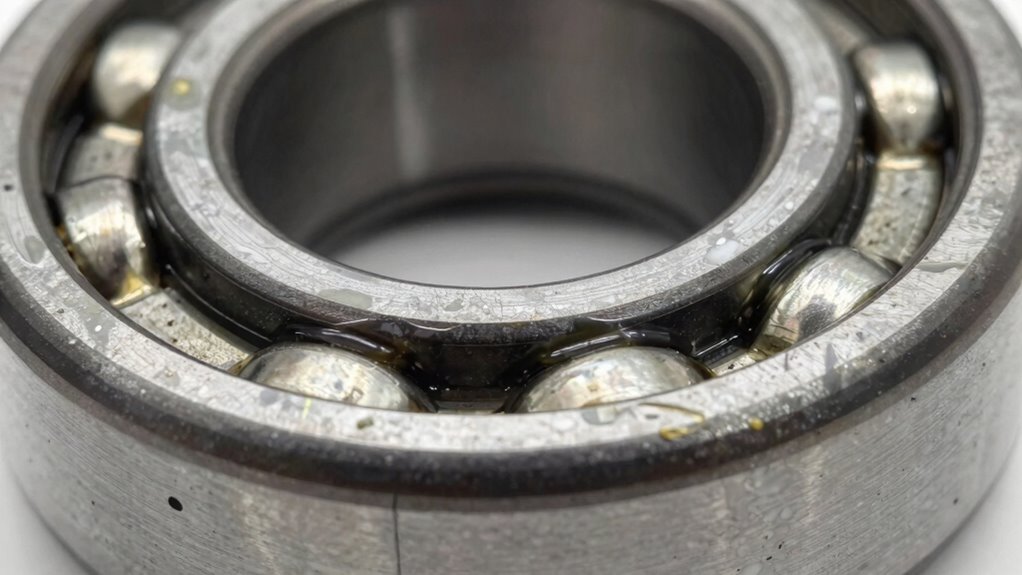
Detecting overgreasing mistakes requires employing specialized tools and techniques that can identify excess lubricant before it causes damage. Ultrasound sensors are highly effective, as they detect abnormal sound patterns indicating excessive grease, alerting you early. Infrared thermography helps monitor bearing temperatures; elevated heat post-lubrication suggests overgreasing. Visual inspections reveal grease leaks, darkened seals, or bulging housings—clear signs of excess lubricant. Ultrasonic leak detectors can also pinpoint seal failures caused by overpressure. Additionally, using grease meters or pressure sensors on grease guns ensures control over applied force, preventing overfill. Monitoring lubricant levels with these tools and techniques can help prevent overgreasing issues. Combining these tools with routine inspections and temperature monitoring gives you a proactive approach, enabling you to catch overgreasing issues early and avoid costly bearing damage.
Building an Effective Lubrication Program for Bearings
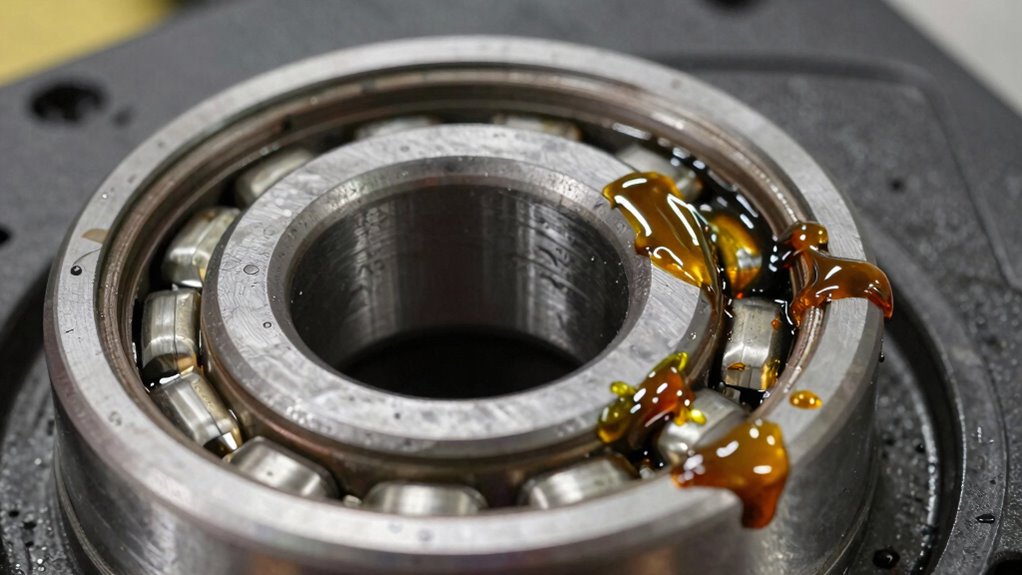
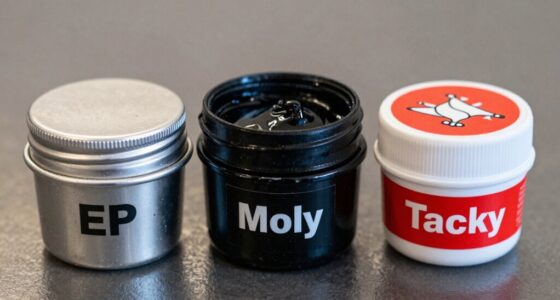
Creating an effective lubrication program for bearings starts with understanding their specific requirements and operational conditions. To do this, you need to assess factors like load, speed, temperature, and environment. Once you have this information, you can develop a targeted approach by: 1. Calculating the precise amount of grease needed based on bearing size, speed, and duty cycle. 2. Establishing structured relubrication intervals using manufacturer guidelines and operating data. 3. Selecting the correct grease type that matches the bearing’s operating conditions and compatibility. Incorporating vetted survival gear knowledge can also help in developing contingency plans for equipment failure or breakdowns. Implementing these steps helps prevent overgreasing, reduces heat buildup, and minimizes contamination risks. Regular monitoring and adjustments ensure your lubrication program remains effective over time, extending bearing life and optimizing equipment performance.
Frequently Asked Questions
How Does Overgreasing Affect Bearing Lifespan and Maintenance Costs?
Overgreasing shortens your bearing lifespan and boosts maintenance costs. It causes heat buildup, seal damage, and contamination, leading to premature wear and failures. Excess grease increases energy consumption and risks costly downtime. You’ll face more frequent replacements, repairs, and production delays. To avoid these issues, calculate precise grease amounts, follow structured schedules, and use proper tools like ultrasound to guarantee ideal lubrication and extend your bearing life.
Can Overgreasing Cause Unseen Damage Before Symptoms Appear?
Yes, overgreasing can cause unseen damage before symptoms show. Excess grease increases heat, leading to thermal overload and oxidation that deteriorate bearings internally. It can damage seals, allowing contaminants inside, and cause metal-on-metal contact, which wears parts prematurely. These issues often develop gradually, making it hard to detect early signs. By the time symptoms are visible, significant, costly damage has already occurred.
What Are the Long-Term Risks of Consistently Overlubricating Bearings?
You risk considerably shortening your bearing’s lifespan by consistently overlubricating—up to 50% or more. Long-term overgreasing causes thermal overload, seal failure, and contamination ingress, leading to increased wear and unexpected breakdowns. It also raises energy costs due to heat and friction. Over time, these issues can result in costly repairs, production downtime, and frequent replacements, making proper lubrication essential for reliable and efficient equipment operation.
How Does Overgreasing Impact Bearing Energy Efficiency and Operational Costs?
When you overgrease bearings, you cause energy loss due to increased churning resistance, which generates excess heat. This heat raises operating temperatures and strains the system, leading to higher energy consumption. Additionally, damaged seals and contaminated grease increase friction and wear, forcing you to perform frequent repairs or replacements. Overgreasing ultimately raises operational costs and reduces overall efficiency, making your equipment less reliable and more expensive to maintain over time.
Are There Specific Industries More Prone to Overgreasing Mistakes?
You’re right to ask, because “an ounce of prevention is worth a pound of cure.” Industries like manufacturing, mining, and construction often face overgreasing issues, especially where heavy machinery runs at high speeds or loads. Maintenance teams may not always follow precise lubrication schedules, leading to overgreasing. These sectors are more prone because of demanding operational conditions and the risk of using improper grease amounts, increasing bearing failure risks.
Conclusion
By understanding the risks of overgreasing, you can prevent silent damage to your bearings—like a doctor catching a hidden illness before it worsens. Regular inspection, proper calculation, and using the right tools are your best defenses. Think of your lubrication routine as tending a delicate garden; with careful attention, you’ll keep your equipment running smoothly and extend its lifespan. Don’t let overgreasing be the unseen enemy that quietly shortens your machinery’s life.