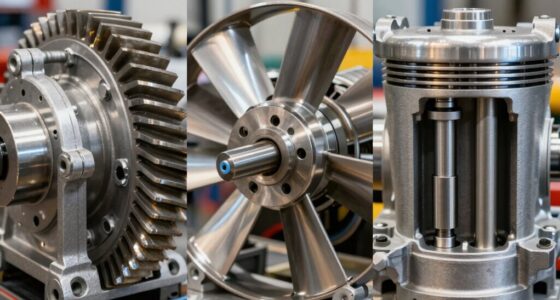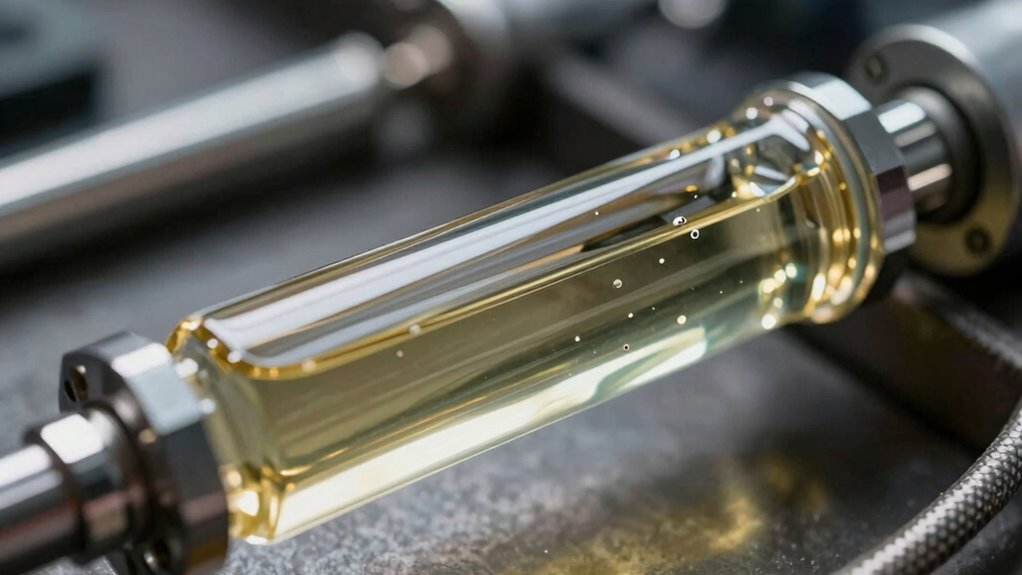
Air release is a key property of hydraulic oil that helps prevent spongy actuators by allowing trapped air bubbles to escape easily. When the oil can quickly discharge air, it maintains proper pressure and ensures smooth, responsive movement. If air gets trapped, your system may feel sluggish or inconsistent. Focusing on oils designed with good air release characteristics or using proper venting techniques can keep your hydraulic system operating efficiently—learn more to optimize your system.

Get garage and car supplies delivered free — and shop member deals
- Fast, free delivery on millions of items
- Access to Prime Big Deal Days deals on October 6–7
- Prime Video, Amazon Music and more included
Key Takeaways
- Hydraulic oils formulated with anti-foam additives help reduce air entrapment and improve air release properties.
- Proper venting and bleeding procedures facilitate the removal of trapped air from the system.
- Using oils with good aeration resistance allows air bubbles to escape more easily, preventing spongy actuator responses.
- Maintaining optimal system temperature enhances the oil’s ability to release entrapped air efficiently.
- Selecting hydraulic oils designed with enhanced air release characteristics minimizes foaming and maintains actuator responsiveness.
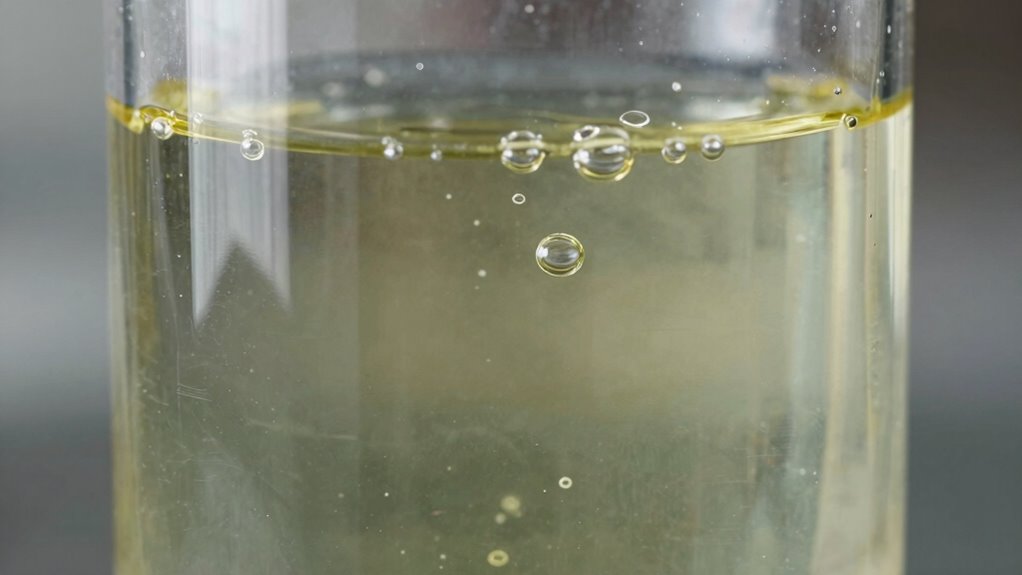
Have you ever wondered why your hydraulic system isn’t performing smoothly? One common culprit is air entrapment within the hydraulic oil. When air gets trapped in the system, it causes issues like spongy actuators, inconsistent pressure, and delayed responses. This air entrapment isn’t just a minor inconvenience; it directly impacts the efficiency and safety of your hydraulic operations. To understand this problem better, you need to recognize how air interacts with hydraulic oil. Air entrapment occurs when tiny bubbles of air become suspended in the oil, often due to improper filling, leaks, or temperature fluctuations. These bubbles reduce the oil’s ability to transfer force effectively, leading to poor actuator performance.
Air entrapment in hydraulic oil causes spongy actuators and inconsistent pressure, reducing system efficiency and safety.
Oil aeration is another critical factor that worsens the situation. When air mixes with hydraulic oil, it creates a foamy or bubbly consistency, impairing the oil’s lubricating properties and increasing wear on system components. Oil aeration makes it harder for the hydraulic fluid to transmit pressure uniformly, which results in less precise movements and a spongy feel in actuators. This phenomenon is especially problematic in systems that require high precision or operate under heavy loads. As the air content increases, the hydraulic fluid becomes less dense, and the system’s response time lengthens, frustrating operators and risking damage to the equipment. Additionally, understanding the interaction of air and oil can help in selecting the appropriate maintenance strategies to prevent these issues.
To combat air entrapment and oil aeration, proper venting and bleeding procedures are essential. Regularly checking and maintaining the hydraulic reservoir vents ensures that air can escape as the oil circulates. When filling the system, pouring the oil slowly and at an angle helps reduce the formation of air bubbles. Some systems incorporate automatic air vents or air release valves, which actively remove trapped air during operation. Additionally, using the right type of hydraulic oil designed to resist aeration can make a significant difference. These specialized oils have additives that reduce foam formation and promote quicker air release.
Another effective approach is to run the system at a slightly higher temperature, which decreases the viscosity of the oil, allowing trapped air bubbles to rise more easily to the surface and escape. Regular maintenance, including inspecting for leaks and ensuring the system is properly sealed, prevents new air from entering and exacerbating the problem. Understanding how air entrapment and oil aeration interfere with hydraulic performance allows you to take proactive steps, ensuring your system stays responsive, efficient, and free of the spongy feel that indicates trapped air. Ultimately, proper air release techniques help maintain ideal hydraulic function, saving you downtime and costly repairs in the long run.
hydraulic oil with anti-foam additives
As an affiliate, we earn on qualifying purchases.
As an affiliate, we earn on qualifying purchases.
Frequently Asked Questions
How Does Air Release Improve Hydraulic System Efficiency?
Air release improves hydraulic system efficiency by reducing air entrapment, which can cause spongy actuators and inconsistent movement. When air is released, the hydraulic fluid flows more smoothly, lowering fluid viscosity issues caused by trapped air bubbles. This results in quicker response times, better control, and less wear on components, ultimately enhancing the system’s overall performance and longevity.
What Are the Signs of Poor Air Release in Hydraulics?
You’ll notice signs of poor air release through air entrapment, which causes inconsistent actuator movements, and oil foaming, leading to increased wear and reduced efficiency. These issues often result in spongy or sluggish responses, increased noise, and overheating. When you see these signs, it indicates that trapped air isn’t escaping properly, and you need to check the hydraulic system’s air release mechanisms to restore smooth operation.
Can Air Release Properties Vary Between Hydraulic Oil Brands?
Did you know that oil brand differences can substantially impact hydraulic performance? You’ll find formulation variations in air release properties, meaning some brands release trapped air faster than others. These differences can influence how quickly your actuators respond and whether they feel spongy. So, choosing the right brand isn’t just about price—it’s about ensuring your hydraulic system operates smoothly and efficiently, avoiding delays caused by poor air release.
How Often Should Hydraulic Oil Be Tested for Air Content?
You should test hydraulic oil for air content regularly, ideally during scheduled maintenance, such as every 3 to 6 months. This helps guarantee peak performance and contamination control. If you notice spongy actuators or inconsistent operation, test more frequently. Keeping up with maintenance schedules allows you to detect air issues early, preventing system failures and prolonging equipment life. Regular testing is essential for maintaining hydraulic system efficiency.
Are There Specific Additives That Enhance Air Release in Hydraulic Oil?
Yes, there are specific additive formulations designed to enhance air release in hydraulic oil. These additives improve air bubble separation and escape, reducing sponginess in actuators. When selecting additives, you must ensure compatibility with your existing hydraulic oil to prevent adverse reactions. Proper additive use can substantially improve air release properties, leading to more responsive and reliable hydraulic system performance. Always check additive compatibility before application to maintain oil stability.
As an affiliate, we earn on qualifying purchases.
Conclusion
Understanding hydraulic oil air release is like having a reliable shield against spongy actuators. When you guarantee your oil has proper air release properties, you keep your system running smoothly, just like a well-tuned engine. It prevents air pockets from causing sluggish responses and maintains consistent pressure. So, make sure to choose the right hydraulic oil—think of it as the secret ingredient that keeps your actuators firm and responsive, like a finely crafted machine.
As an affiliate, we earn on qualifying purchases.
automatic air vent for hydraulic systems
As an affiliate, we earn on qualifying purchases.
As an affiliate, we earn on qualifying purchases.
Fall Picks
fall essentials
As an affiliate, we earn on qualifying purchases.